A liveable smart home of the future
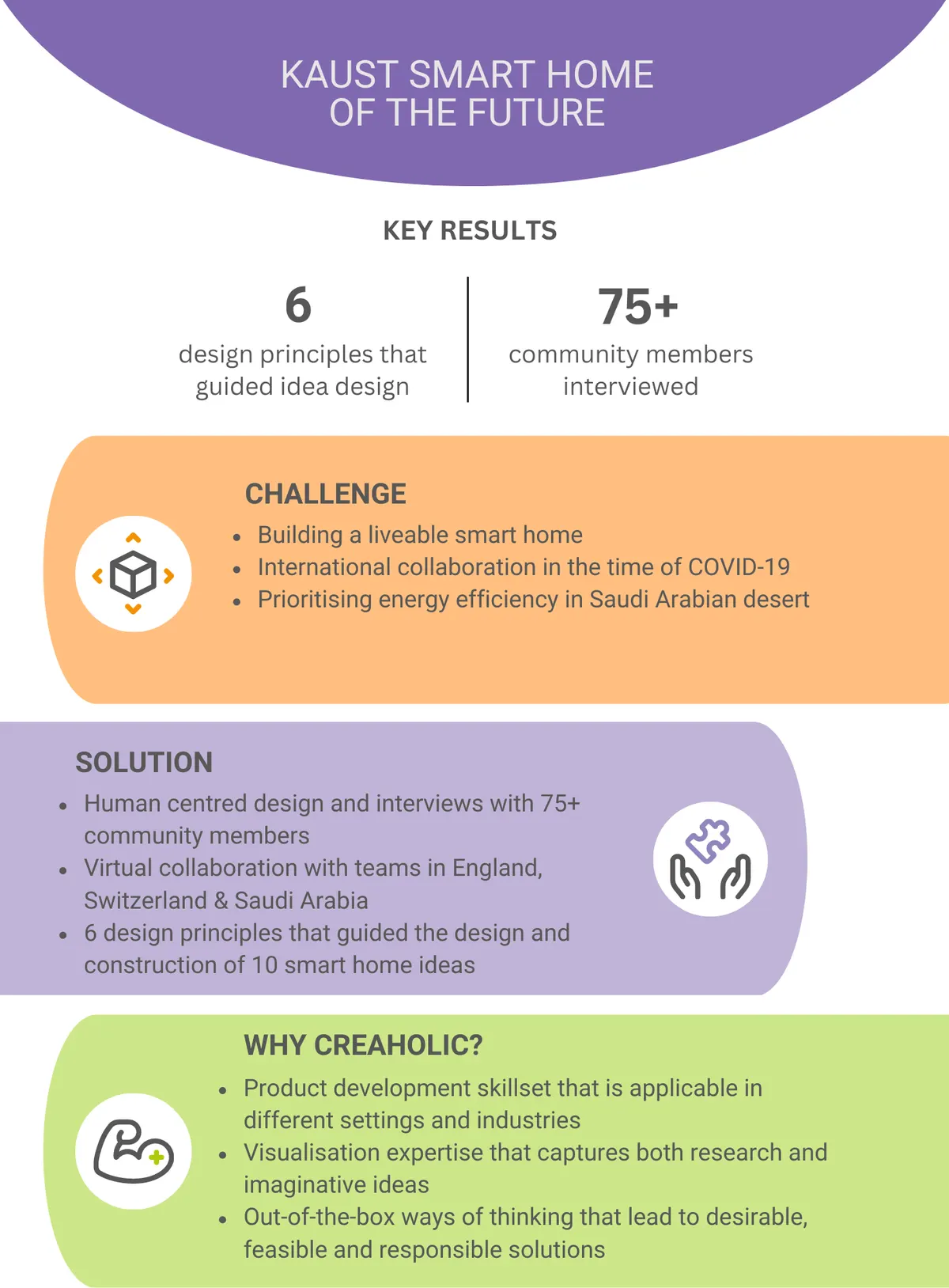
Let’s rewind and set the scene. The King Abdullah University of Science and Technology (KAUST) campus on the Red Sea has about 3500 houses and apartments for its students and faculty. KAUST is known for being a graduate-level research university with a strong focus on interdisciplinary and collaborative research, located in a unique coastal environment in Saudi Arabia.
Due to the campus’ location, many aspects of the houses that were built weren’t suitable for the heat in the desert. Plants in the gardens were dying; there wasn’t enough shade to sit outside; blinds on the windows needed to be closed the whole day to keep the air inside cool, which led to poor air quality indoors. The KAUST Smart team set out to convert an ordinary home into a “smart” living space. The goal was to test features and ideas in the Smart Home of the Future to see if they are suitable for implementation on a larger scale.
Working with Treehouse Innovation and the KAUST Smart team, we used a human-centred design approach to ensure the design wasn’t tech- or gadget-driven.
Together, we started the journey of designing a state-of-the-art, sustainable home based on actual wants, needs and ideas from the campus residents.
Smart solutions for energy efficiency
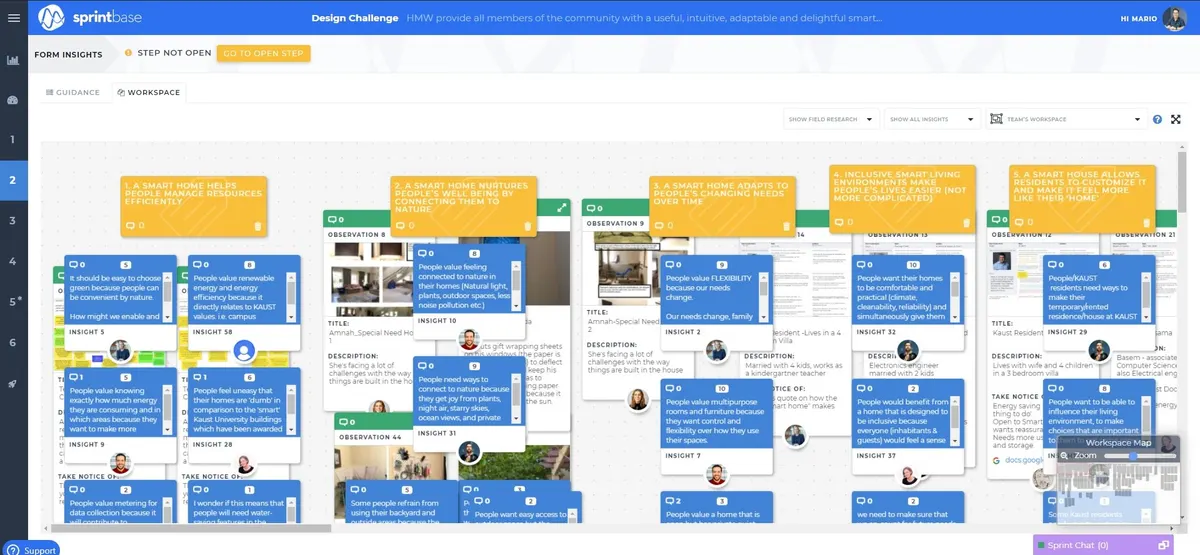
Before the onset of the pandemic, Creaholicers Mario Weiss and Hampe Wyss had planned to meet 15 international innovators at the KAUST campus. As we know all too well, things changed quickly. Due to travel restrictions, the team – which spanned England, Switzerland and Saudi Arabia – could not meet in person. Instead they used the online platform Sprintbase to kick off the project.
The aim of the six-week design sprint was to understand people’s needs and create design principles that would enhance the residents’ lives and their homes. The team began by talking to more than 75 community members to find out what was important to them. From there, insights were collected, design challenges were defined, brainstorm sessions were conducted, and ideas were tested.
This work led to six principles (listed below) that guided and inspired the international team of architects and engineers who were bringing the smart home to life.
“It was amazing to see how well the insights and ideas that the team collected and the principles that were developed were embraced by the architecture and engineering team”, Mario says.
From screen to reality
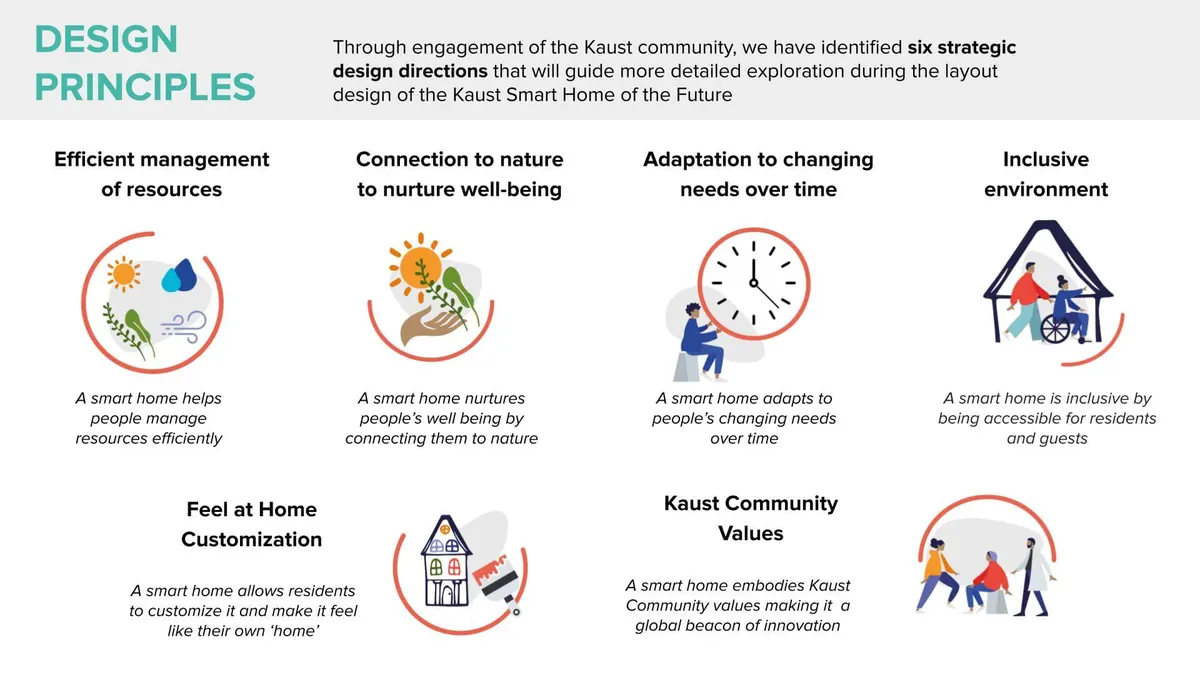
The most common concerns and wishes from the community members shaped six design principles:
Efficient management of resources
Connection to nature to nurture well-being
Adapting the home to changing needs over time
Intentionally inclusive environment
Feel-at-home customisation
KAUST community values
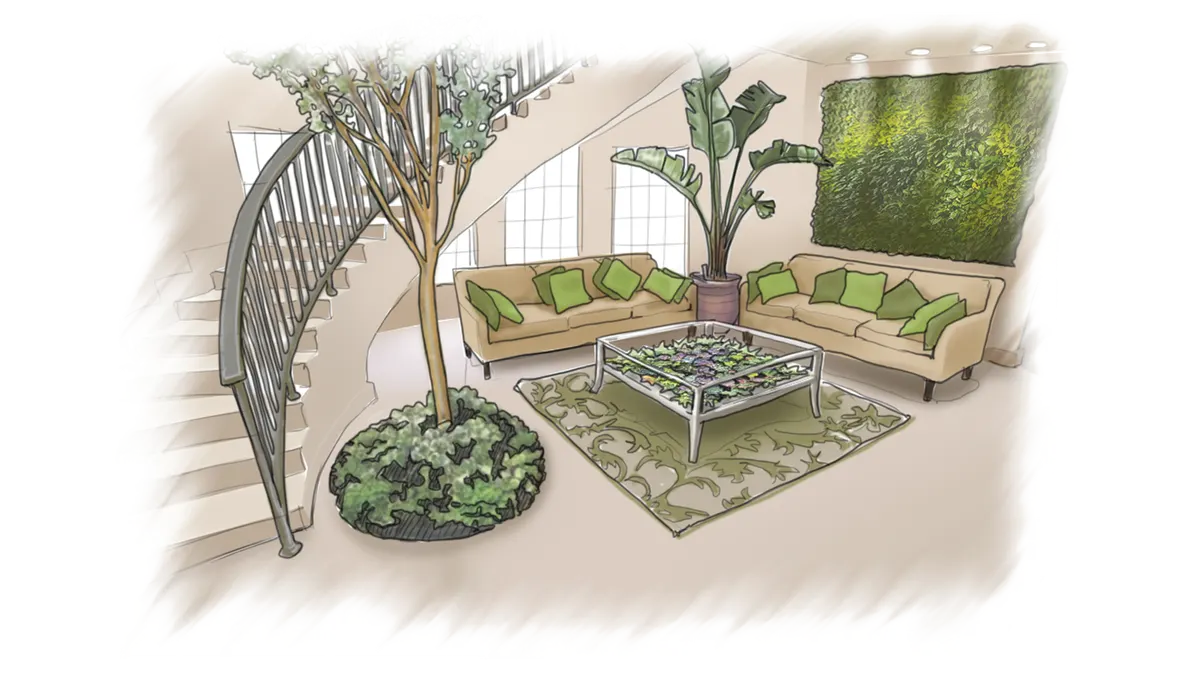
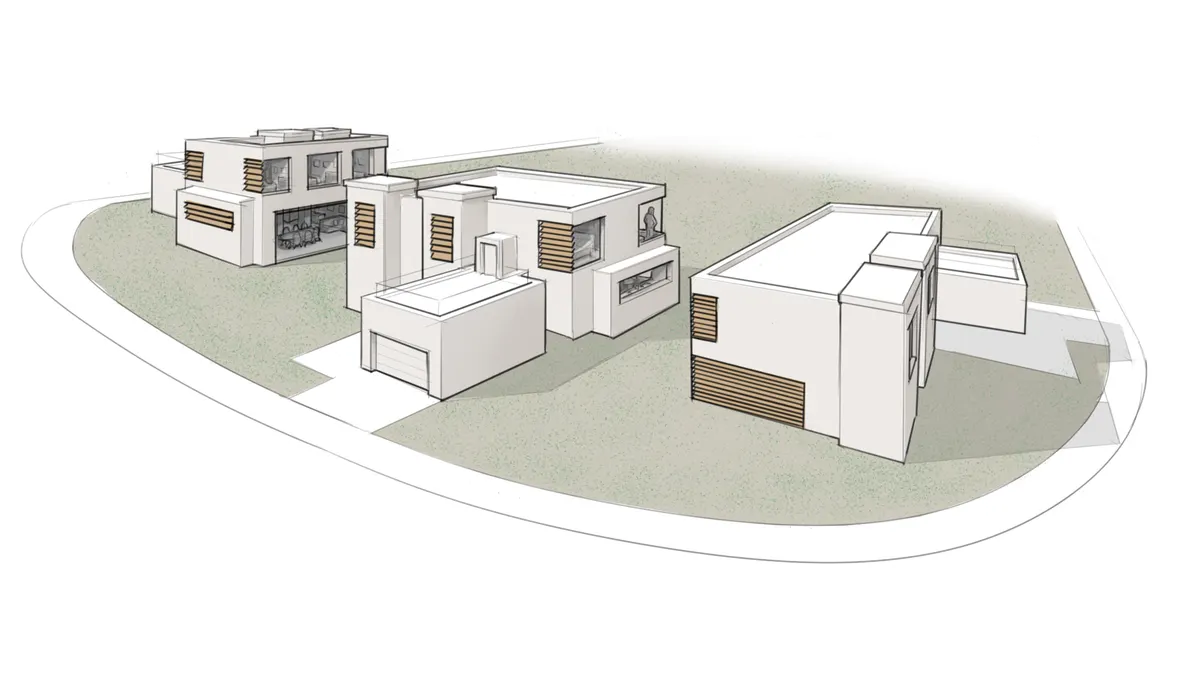
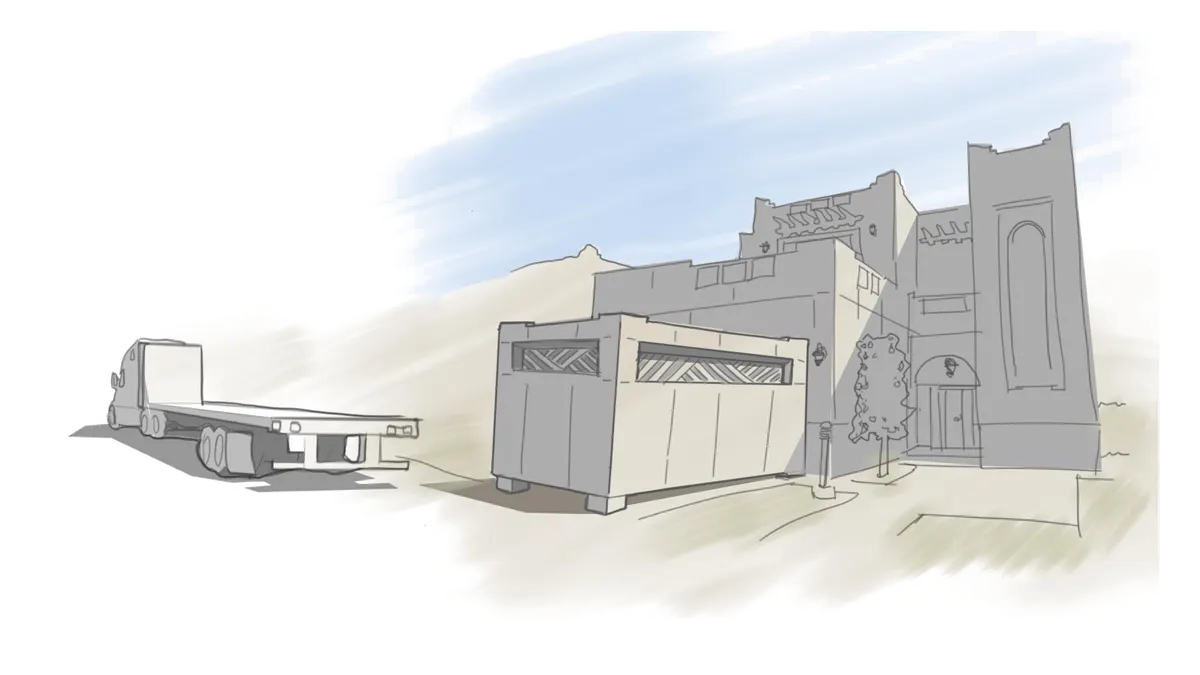
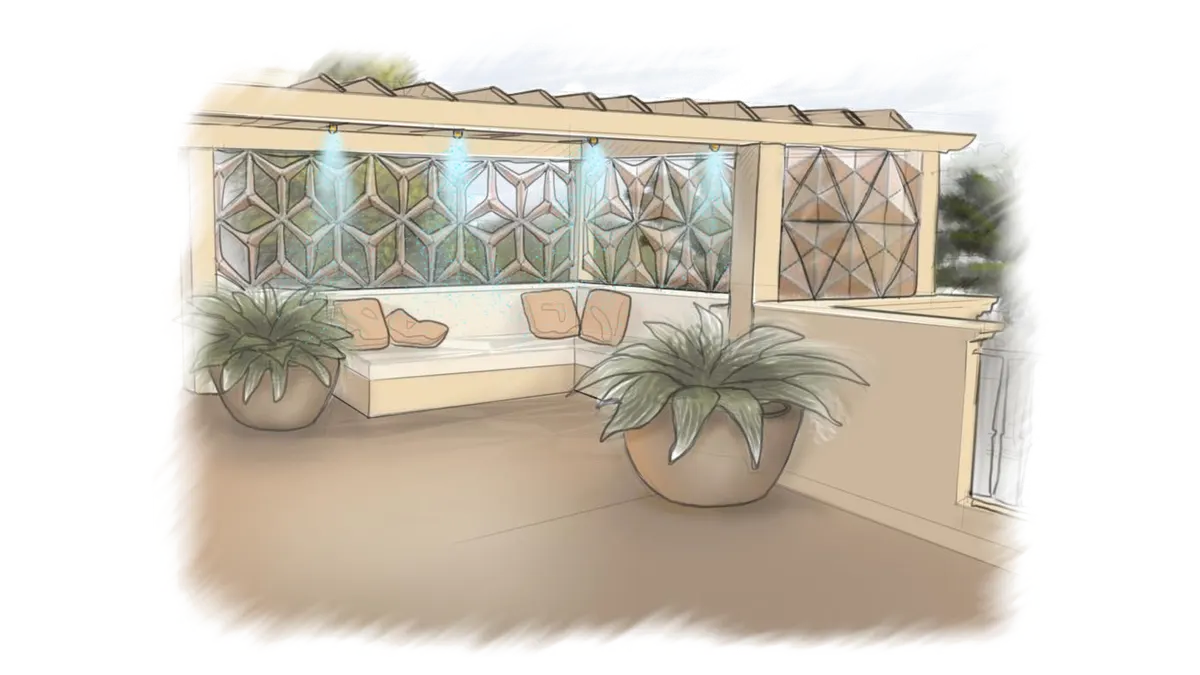
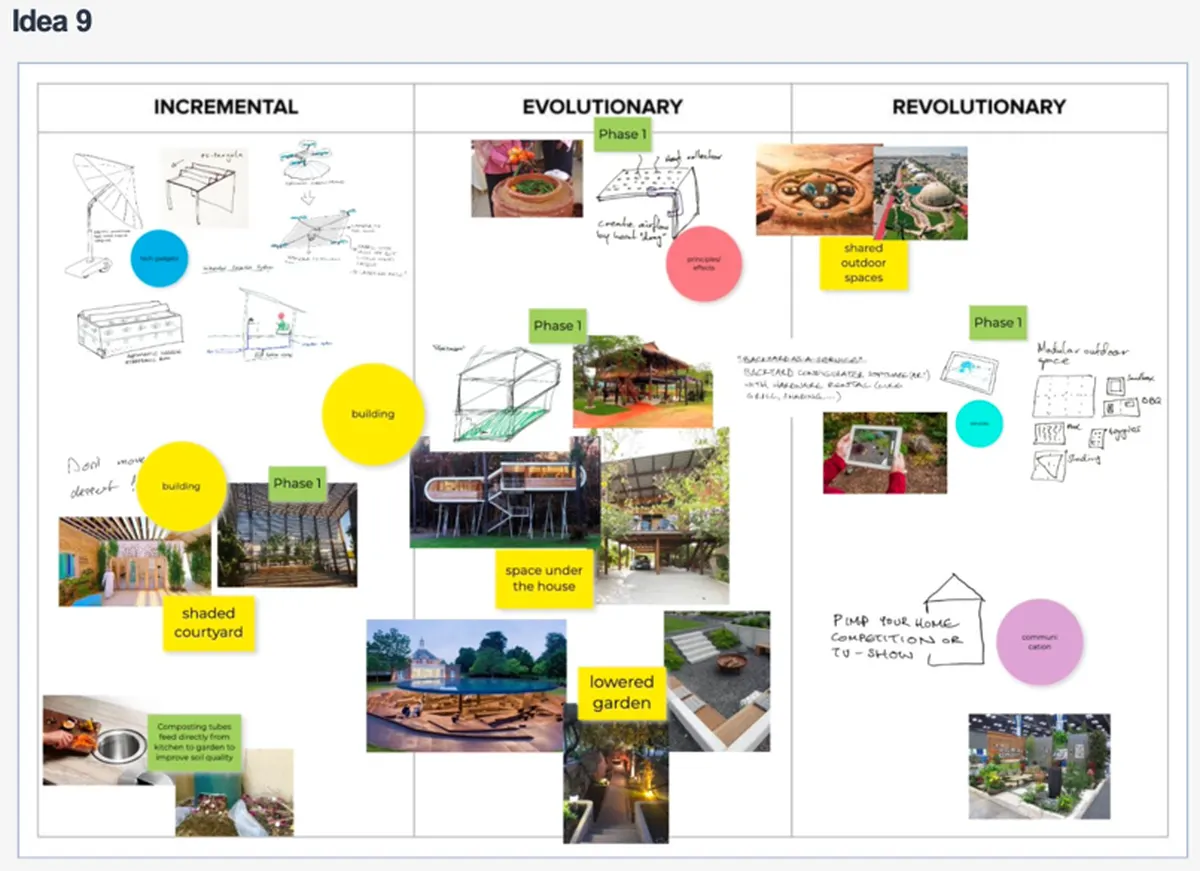
Several of these ideas were sketched by Mario to make the design principles more tangible and were used as a source of inspiration for the architecture of the smart home.
These principles served as guidelines for the Creaholic, Treehouse Innovation and KAUST Smart teams and ensured that our designs and ideas remained true to user insights. We wanted to create a living environment that is enhanced by technology; not reliant on it.
Green, inclusive and cool
From the interviews with the community members, we were able to understand common wants and needs:
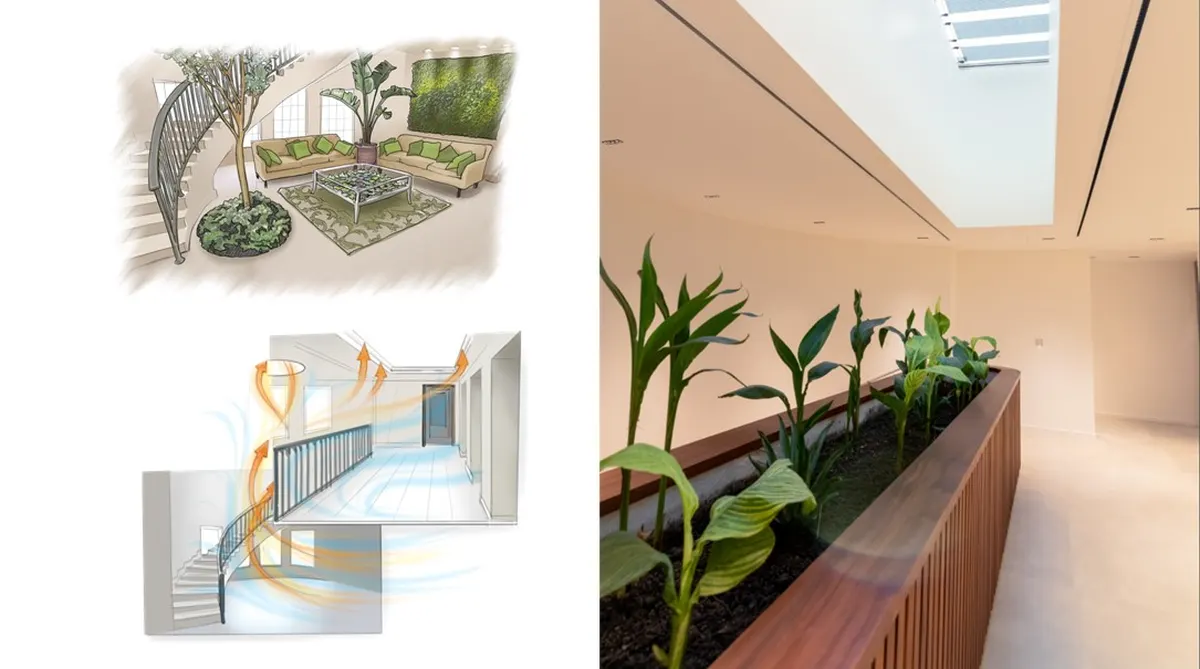
More plants inside the home as it’s often too hot to go outside and to maintain them
Inclusivity as the norm in interior design and architecture, meaning wider door frames and handlebars in the bath built with intention and not as an after-thought
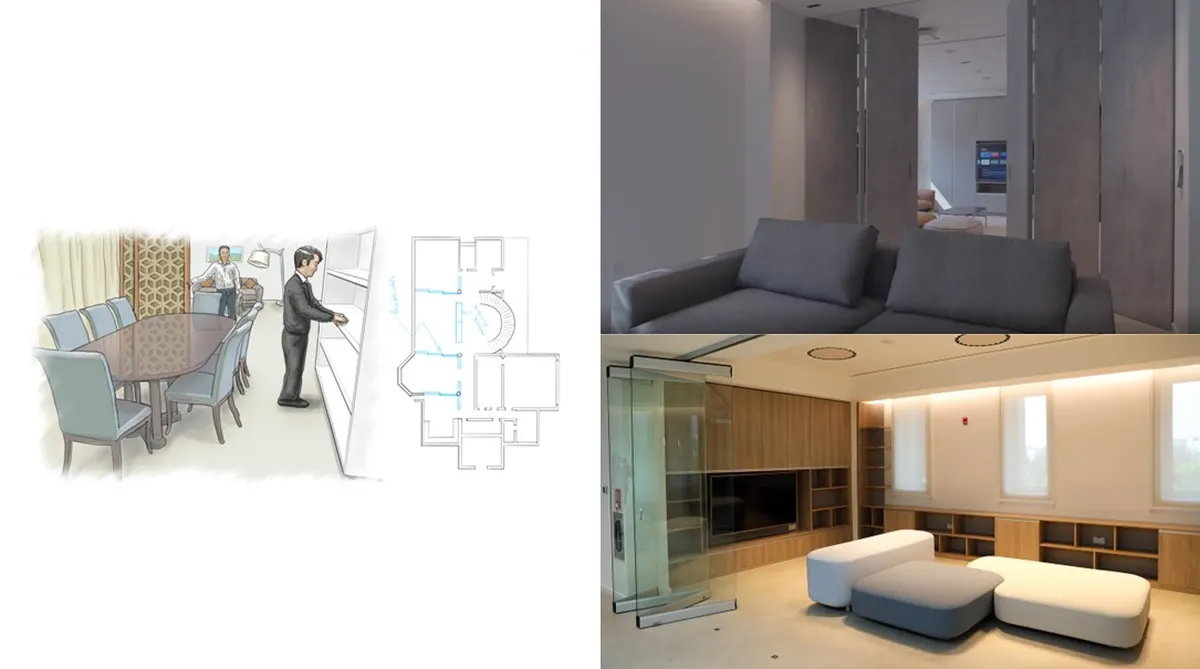
Flexibility in how open spaces are used; ways to make smaller spaces as needed
Purposefully designed windows, hallways and doors for better energy efficiency, air circulation and air quality
Over 100 ideas were narrowed down to a top ten. Some of the concrete ideas that Creaholic helped make happen:
Movable & expandable walls and house modules
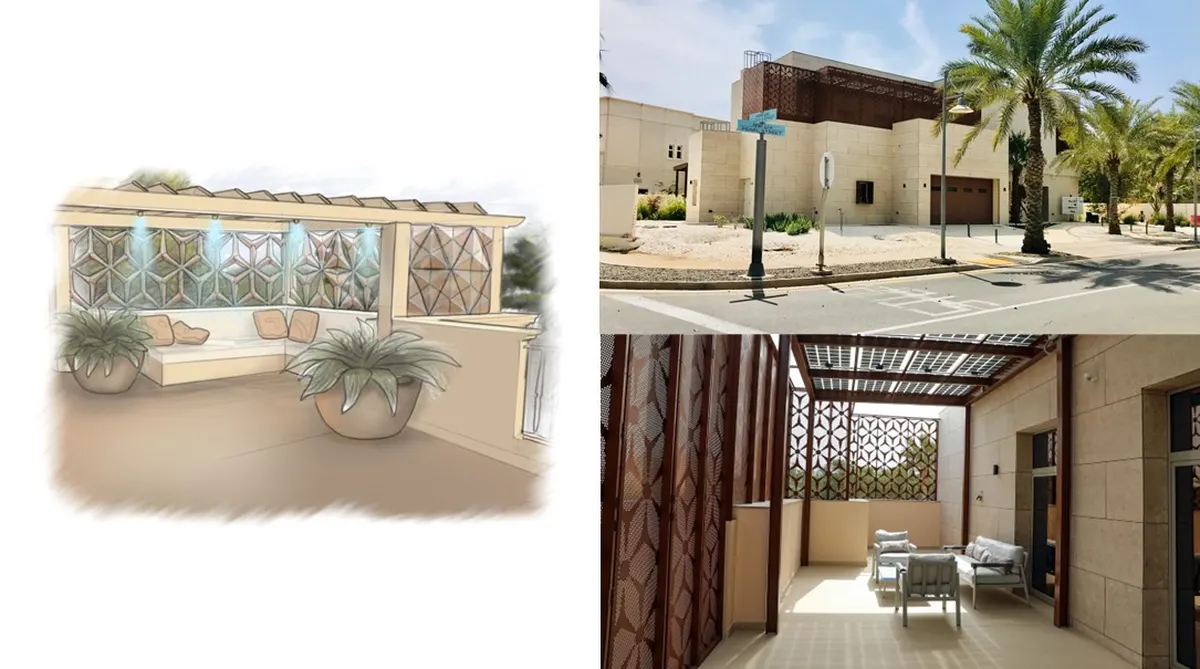
Window shades that automatically open/close to prevent heat build-up
Sunlight shafts that circulate air and shine on indoor planters
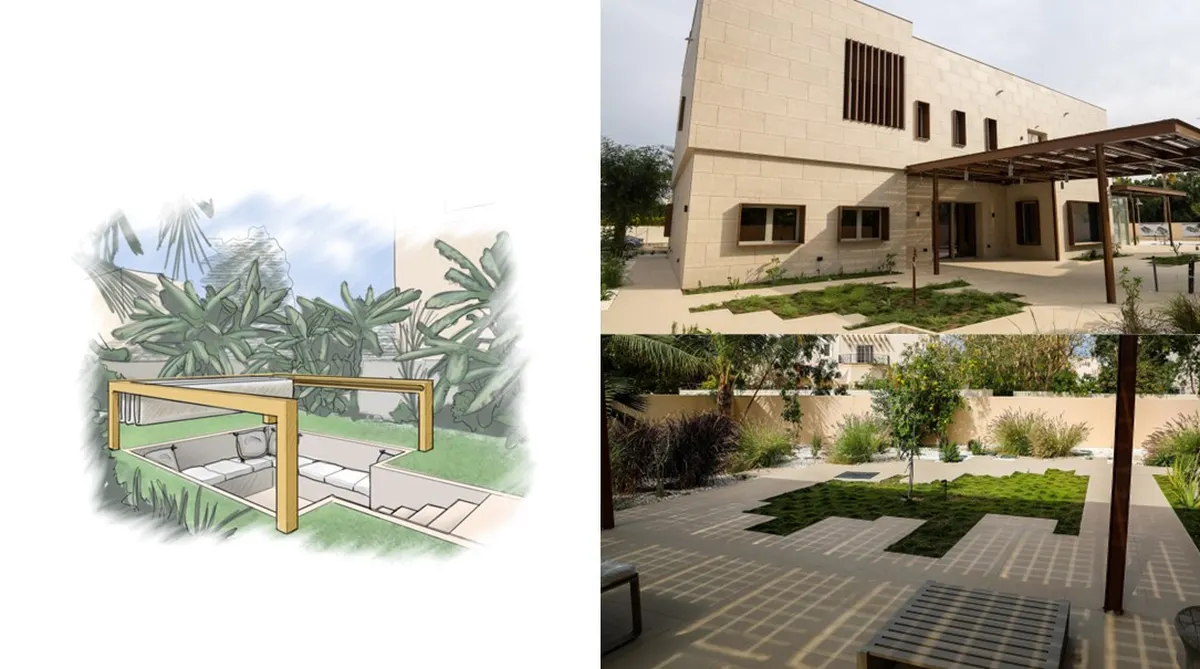
Outdoor seating areas that are built into the ground where it is cooler
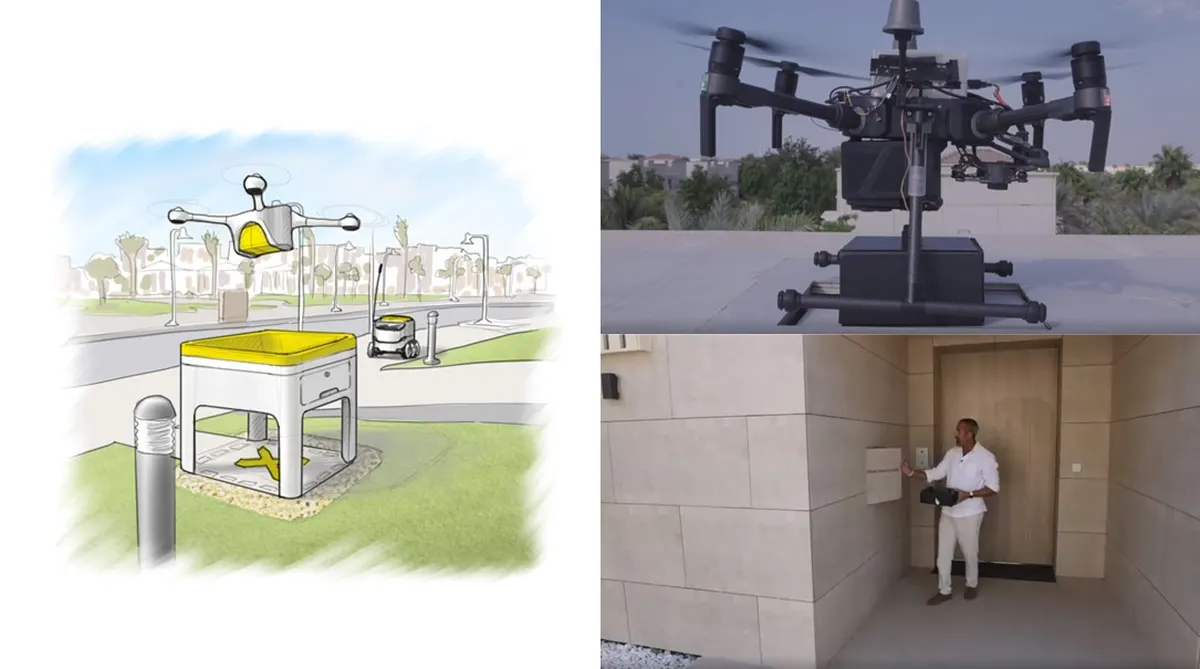
Drone drop-off point on the roof and package delivery system
(Smart) home is where the heart is
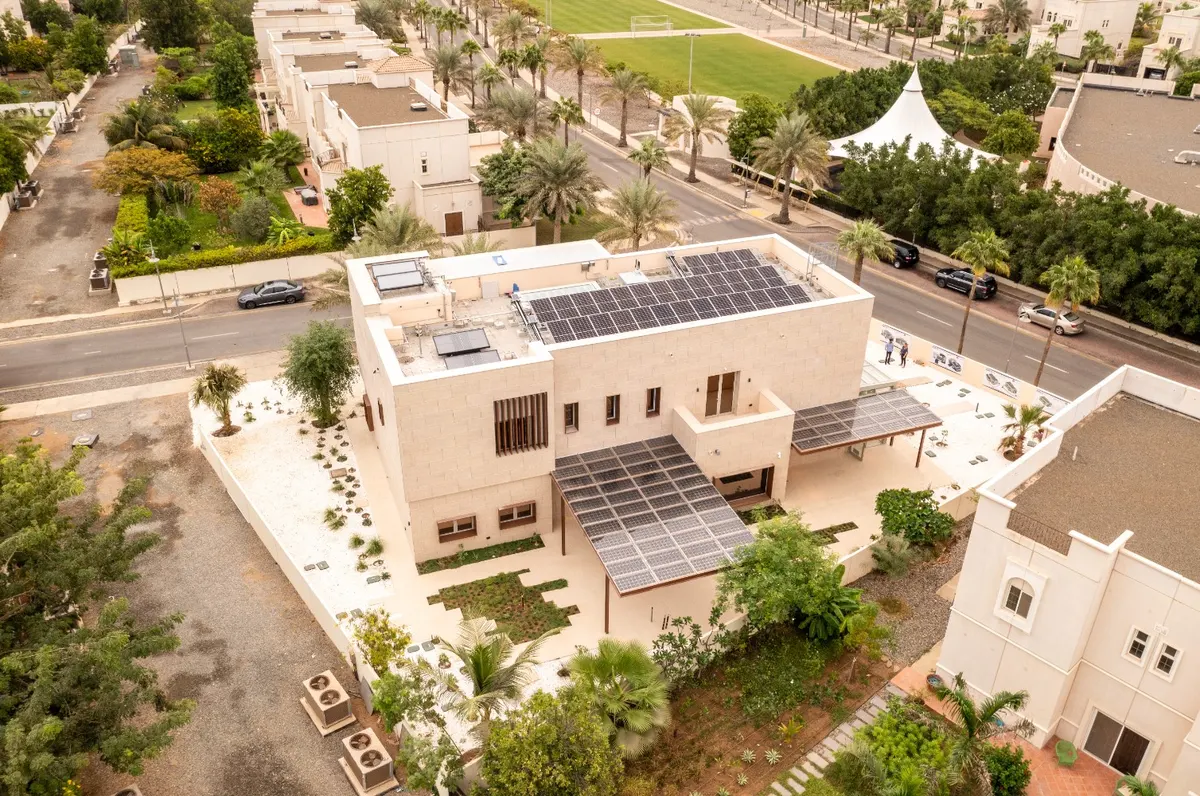
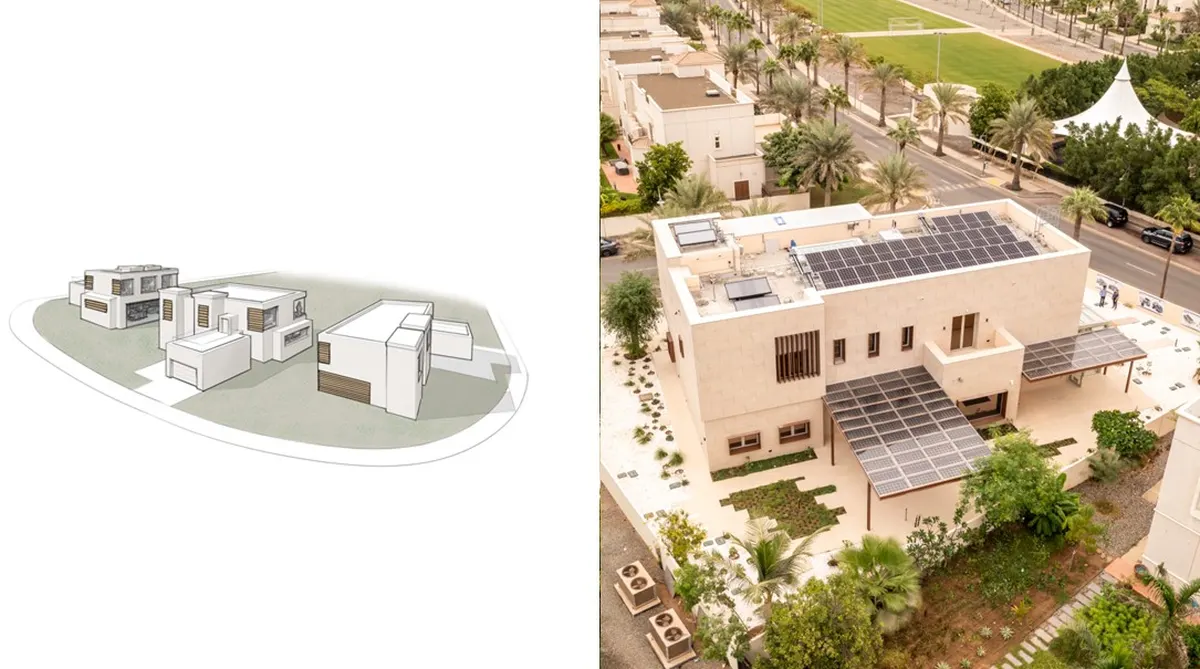
In early 2022, the KAUST Smart Home of the Future was finished. It is near net-zero – a huge accomplishment in the desert – and received a LEED platinum certification confirming its high sustainability rating. The nickname “liveable lab” is incredibly apt for this house. On one level, it offers an enriched living experience with energy efficiency. And on another level, it is living in the sense that the features that make it a smart home will evolve over time.
Smart homes were once considered to be the pinnacle of digital transformation – but we have arrived. And at Creaholic, we are convinced that a smart home must not only benefit the lives of its inhabitants, but also make as small an impression on the planet as possible. This project was proof that we can strike that optimal balance.
What smart solutions do you need?
Whether you’re building a smart home or want to interview your customers to narrow the scope of your next product development project, Creaholic has the skills to help you. What can we innovate together?