
Challenge
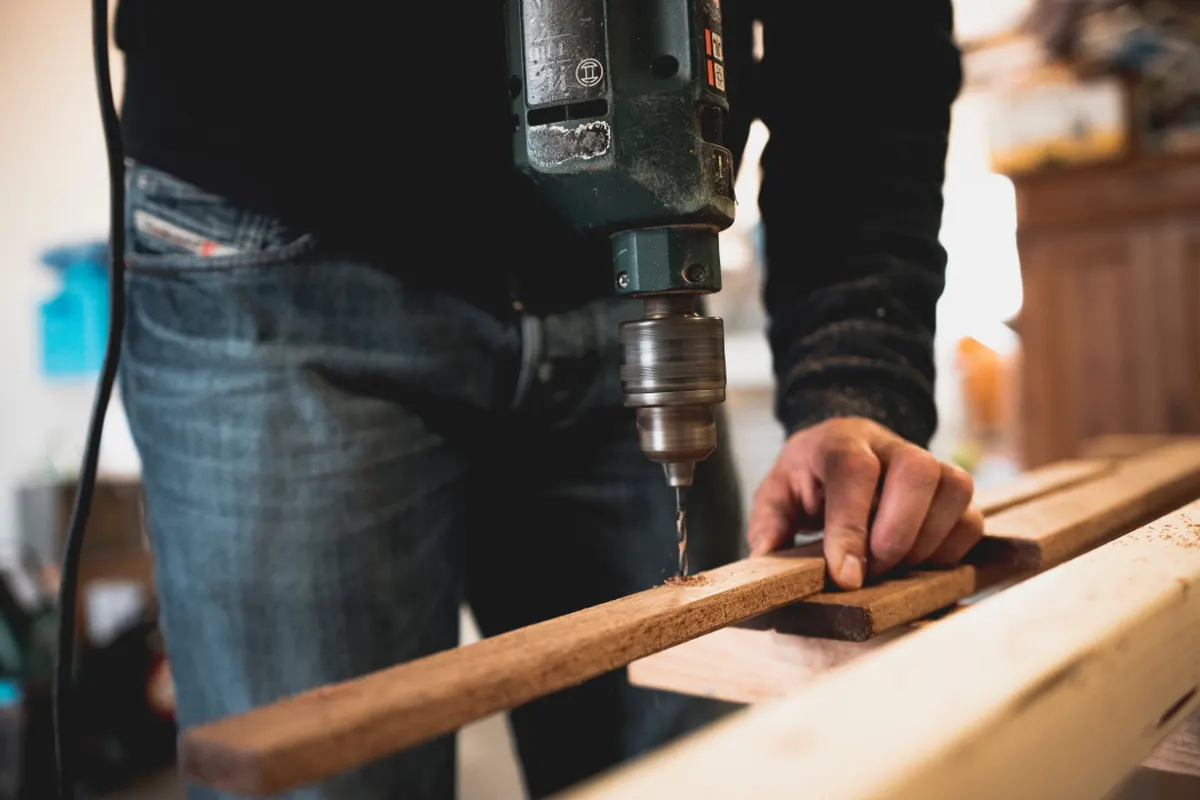
There are multiple ways to join together pieces of wood: screwing, nailing, gluing, etc. These processes are well known and widely distributed, but they haven’t evolved much over the past decades. And they often come with certain pain points and frustrations.
For example, gluing is inaccurate or requires a lot of additional tools such as screw clamps or other clamping devices. Furthermore, it's time-consuming. Nailing and screwing can provide an instant connection, but they have aesthetic drawbacks and add weight.
Therefore, we challenged ourselves to find a new substitute for these traditional fixation solutions. WoodWelding® technology was the result.
Solution
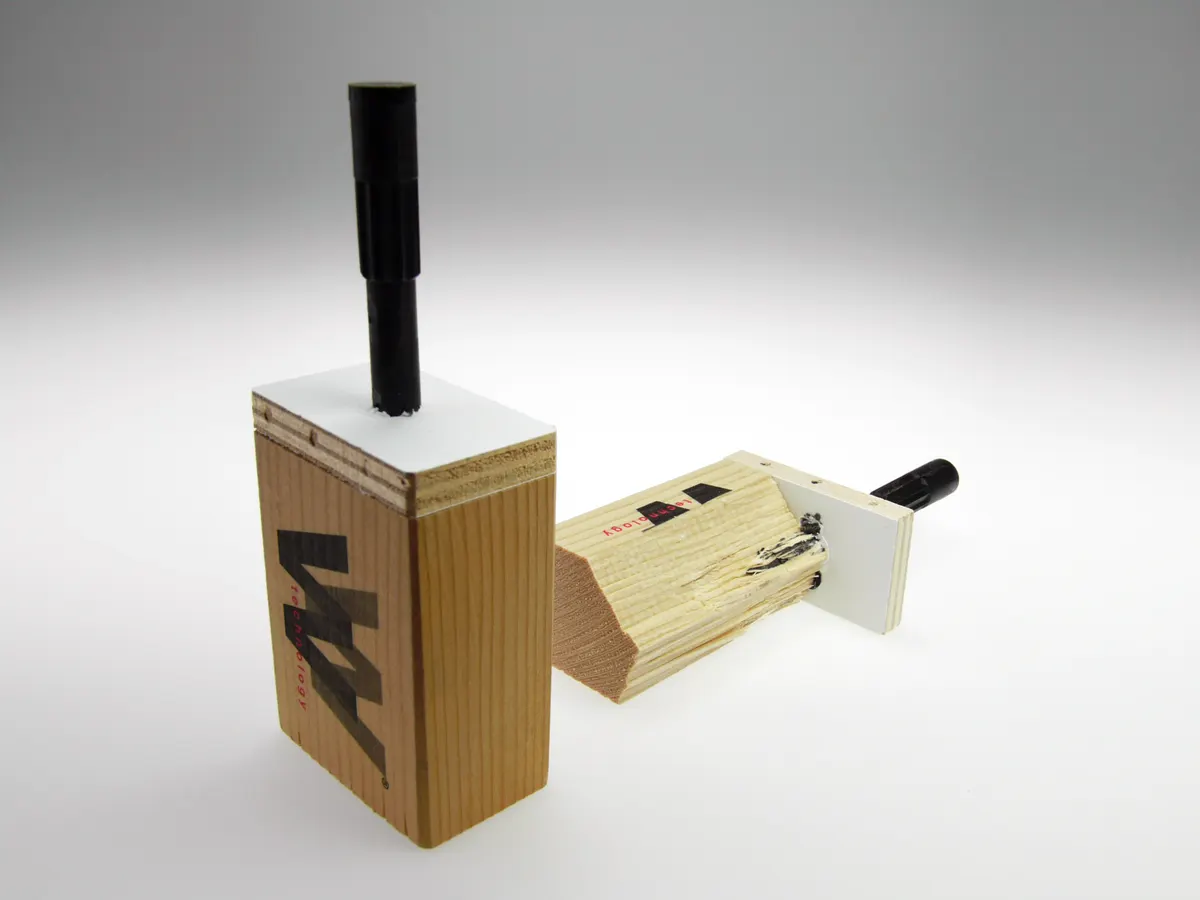
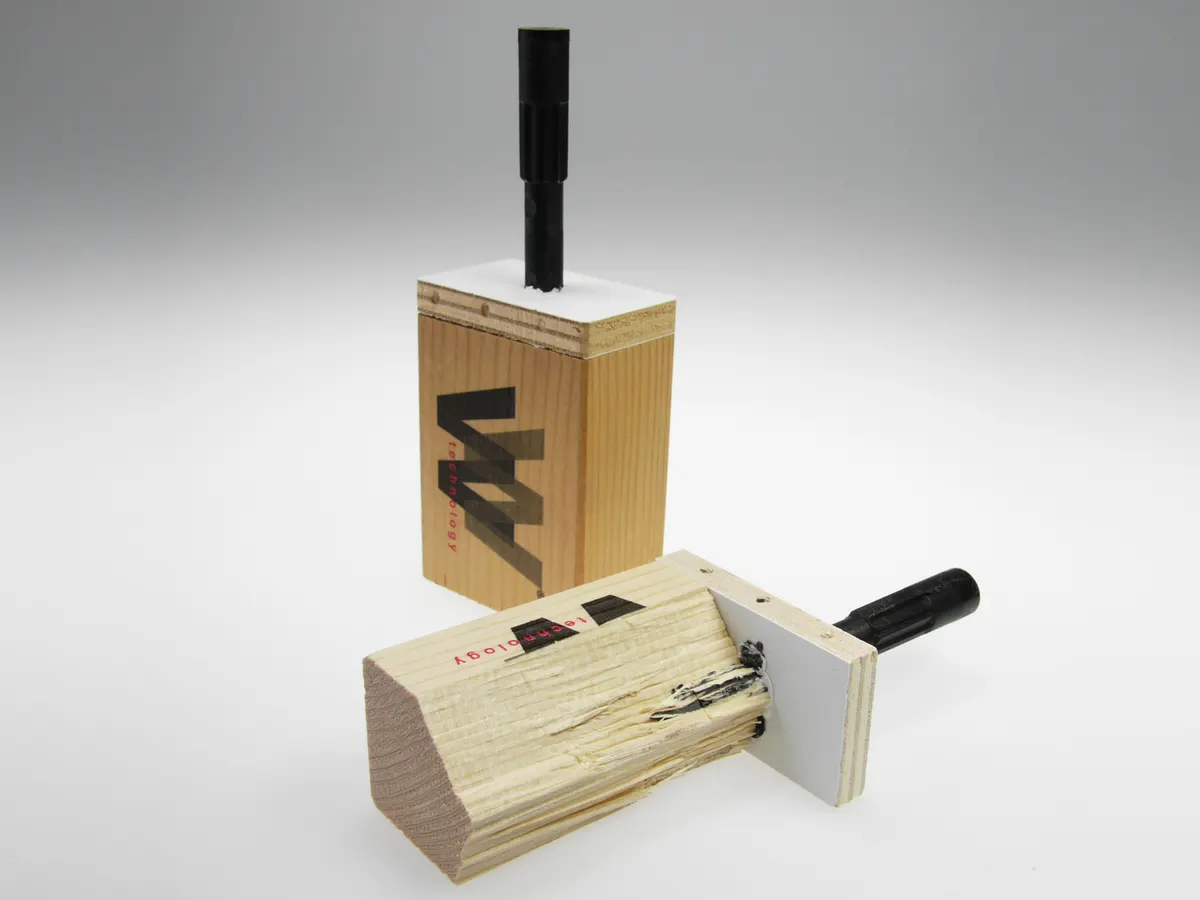
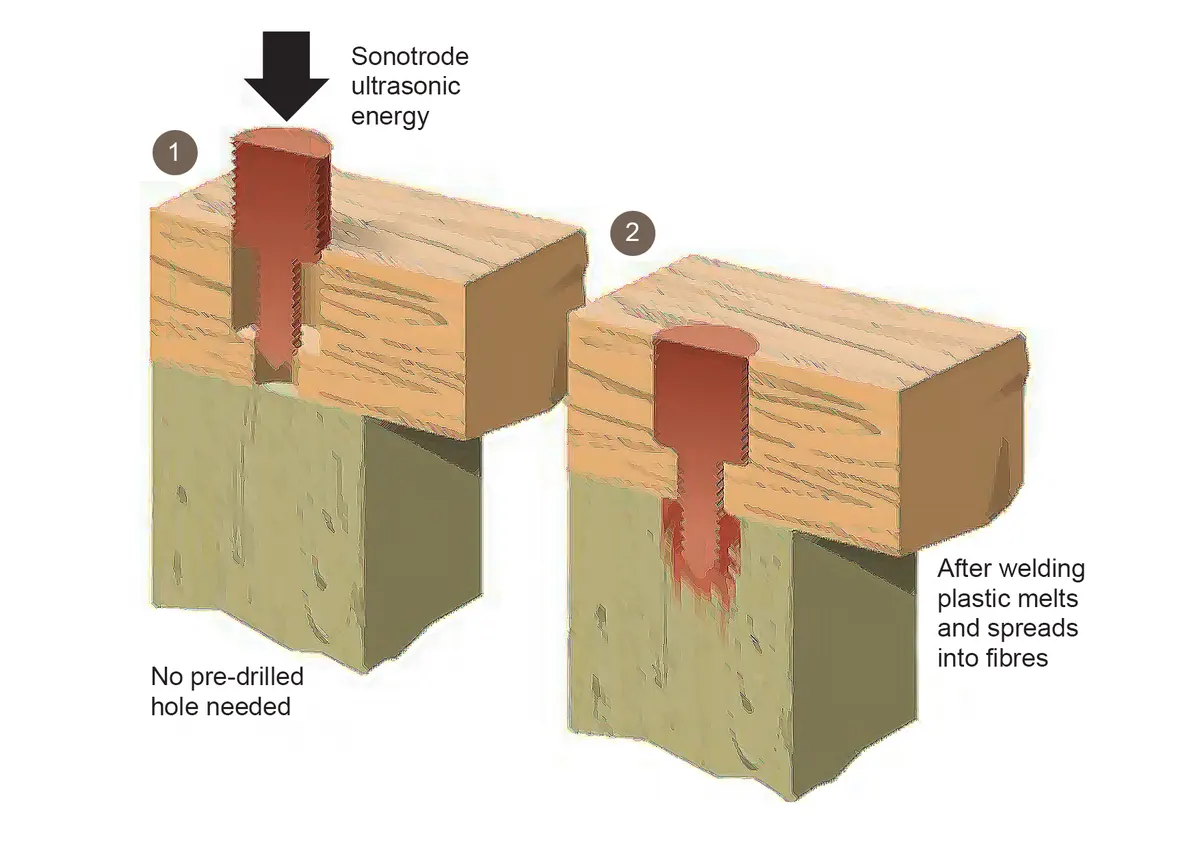
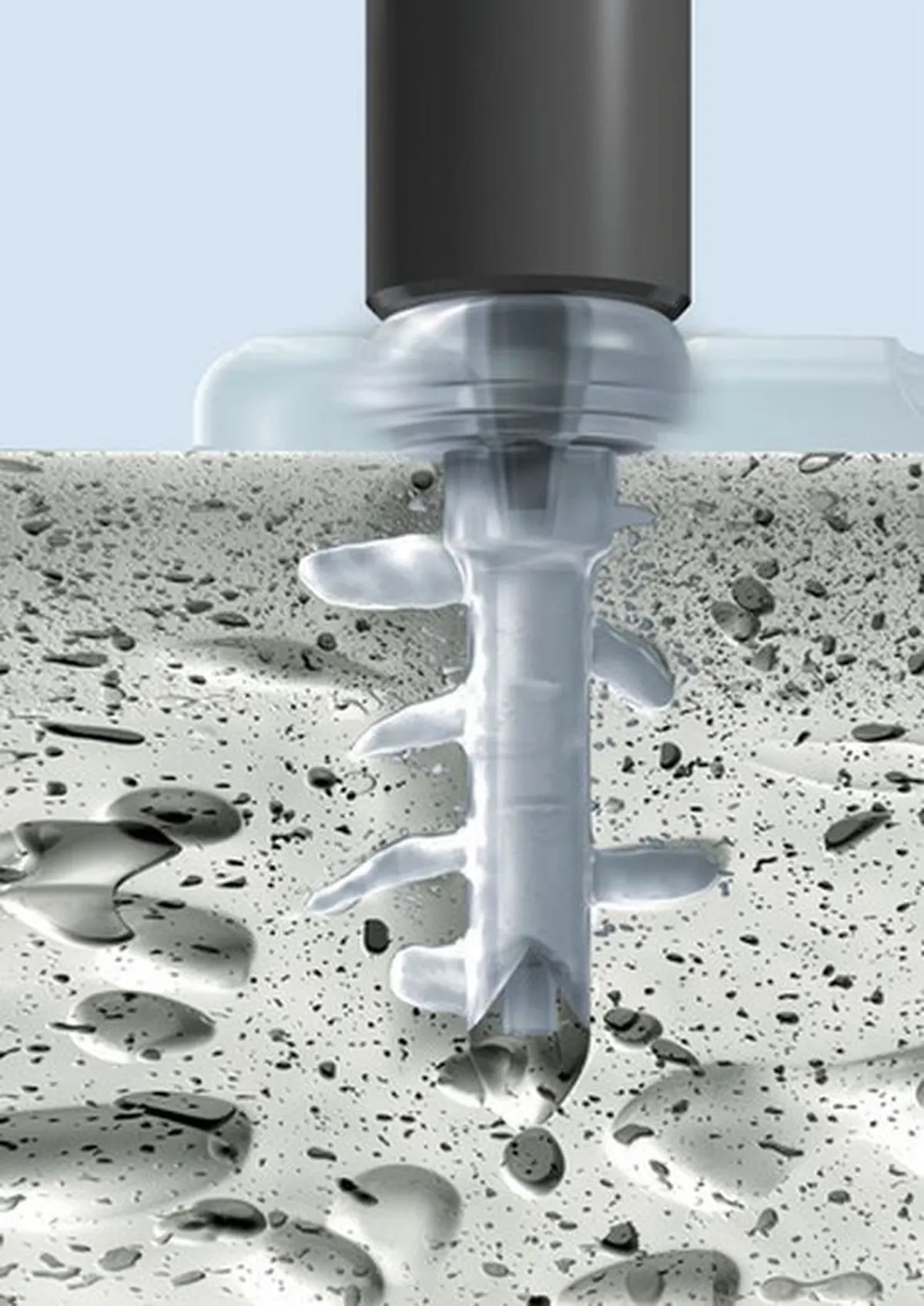
WoodWelding technology uses ultrasonic energy and thermoplastics to form a bond in porous materials. The process works on a variety of porous materials-the only requirements are that the material has a porous surface and can withstand a certain degree of pressure.
We spent about 5 years developing the technology as a proactive incubation project, including basic research, development and proof of principle on many applications. Then, in 2000, Creaholic joined with GPI SA to found WoodWelding SA with the goal of refining and commercializing the technology.
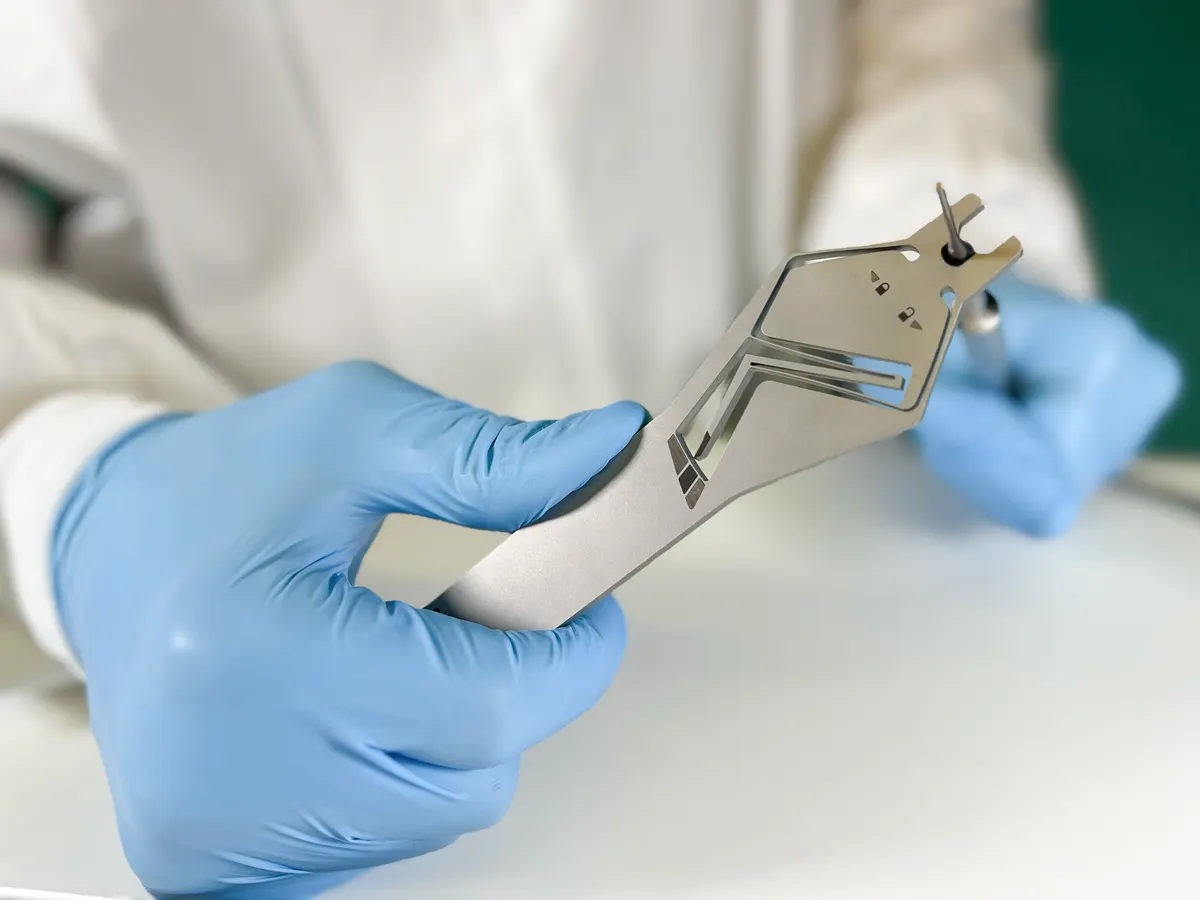
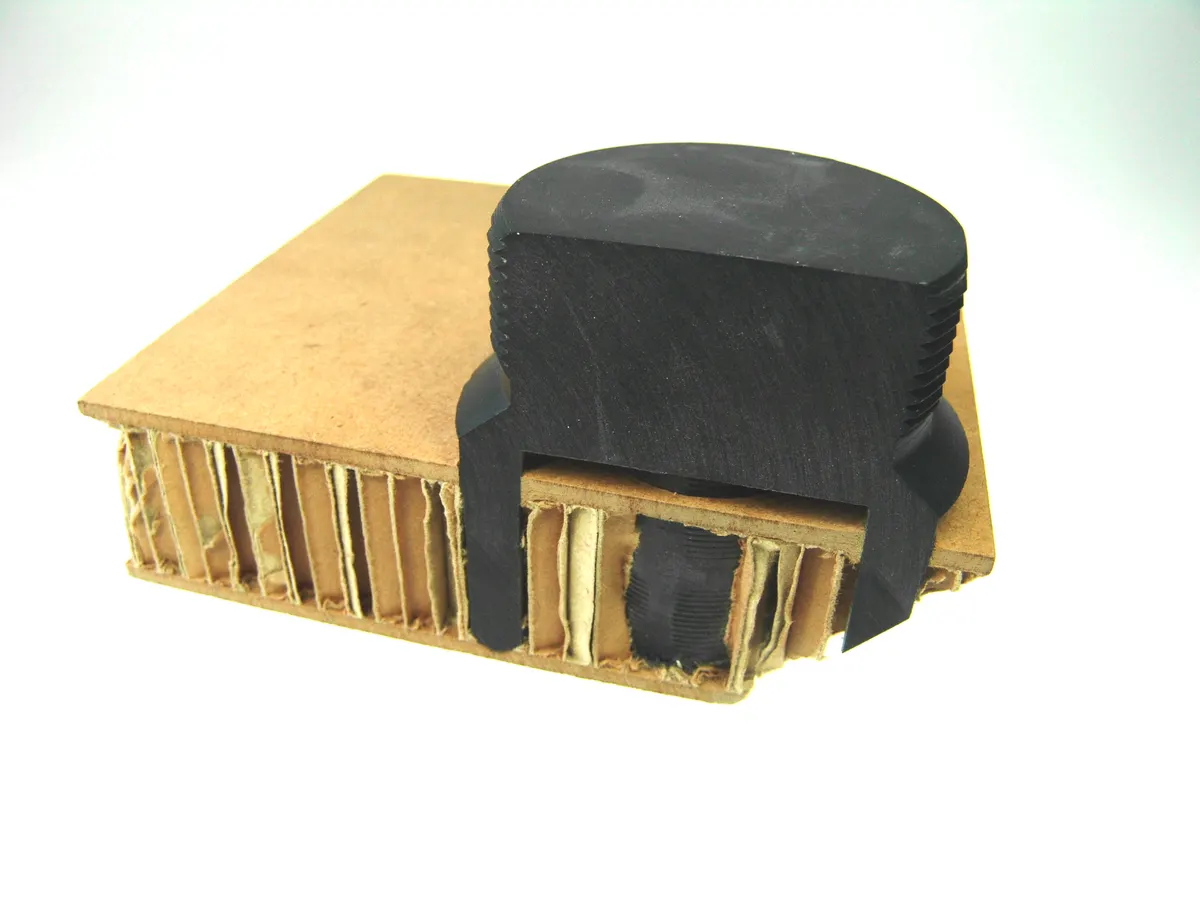
The WoodWelding process has been successfully tested in materials such as solid wood, fibreboard, plywood, hollow core board, metal foam, asphalt, paper, foamed concrete, textiles, foamed glass and more. Once proven and developed on wood and wood-derived products, a breakthrough insight led the team to extend the technology to the medical field, especially for fixation into bones.
Results
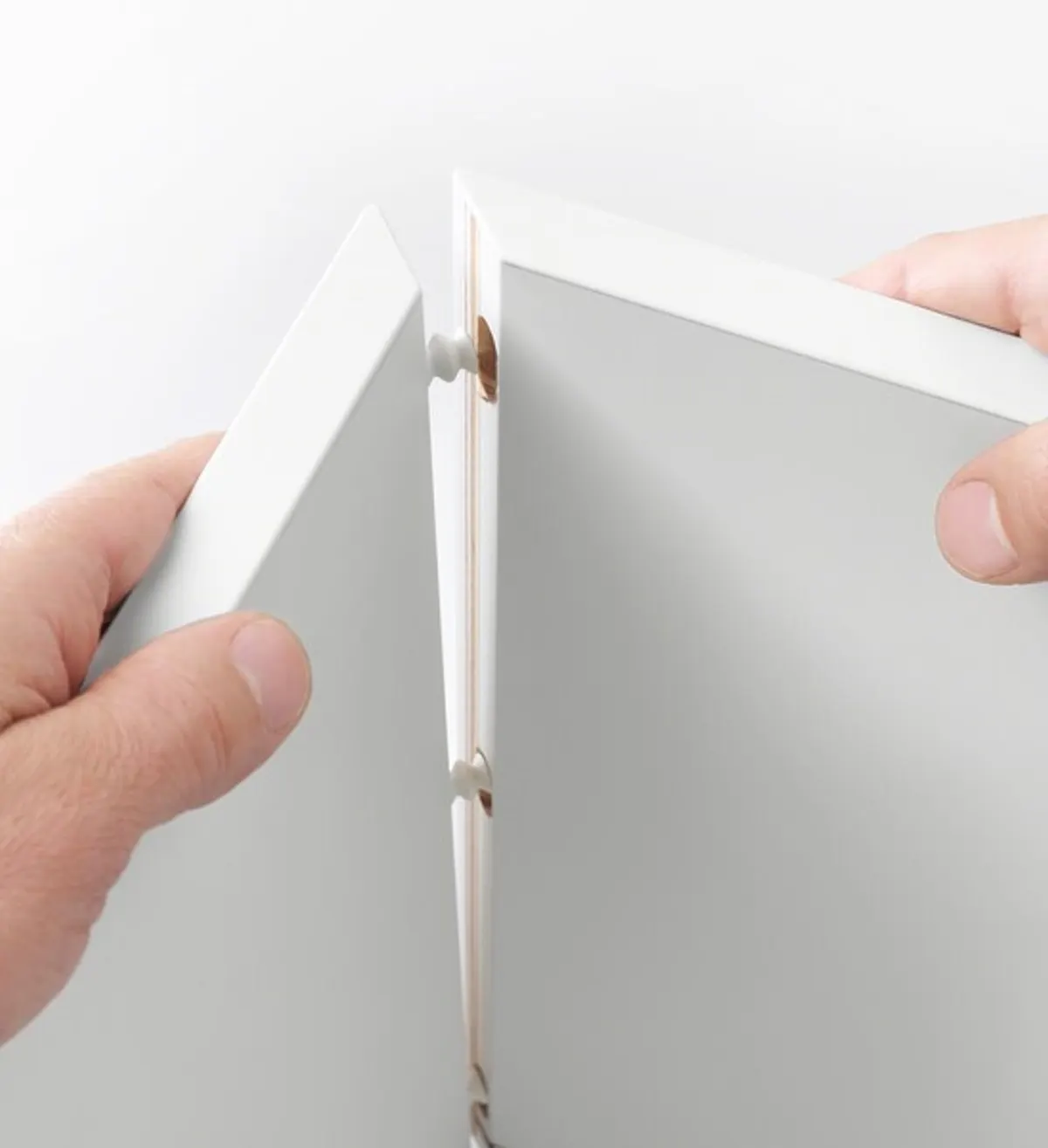
WoodWelding SA has successfully commercialized the technology in several industrial fields, including furniture manufacturing, and has pursued the extremely promising use of the technology in medical and healthcare arenas as well. IKEA has licensed the WoodWelding technology to enable their newly developed snap-together assembly system.
In hindsight, there were many technical challenges involved in developing the technology, but the biggest challenge was to break through established traditions and institutional inertia, especially in the wood-related industries.
The WoodWelding project received the Swiss Technology award in 1999 as well as the Swiss Economic award in 2006. Thus far, more than 60 worldwide patent families have been created relating to the core WoodWelding technology and improvements.
And we are always on the lookout for new applications.
Want to develop a technology platform, too?
Are you inspired by this case study and interested in discussing a similar challenge?If so, then reach out to one of our experts!