But first, culture
With its value chain strongly affected by the pandemic, BMC Group recognised its dependence on others needed to change to future proof its idea-to-market process. Though it had established a functioning and trusted roadmap to get products on the market, it often felt too rigid and the lack of flexibility at various collaboration stages posed a challenge in accomplishing their goal of serving riders’ needs.
BMC Group’s senior management knew that to future-proof its strategy for innovation, product development, manufacturing and quality it would need an external perspective. Creaholic provided that support, but in this case there was a slight plot twist: rather than diving into innovation strategy, the Creaholic Dream Team began with reshaping company culture to lay the groundwork for improved collaboration. Whether our team helps a client future-proof its strategy or redesign its culture, we always take it on a case-by-case basis and assess the client’s unique needs before moving toward a solution. For BMC Group, it was important to adjust the company culture so that innovation strategy could take root.
Off the beaten path
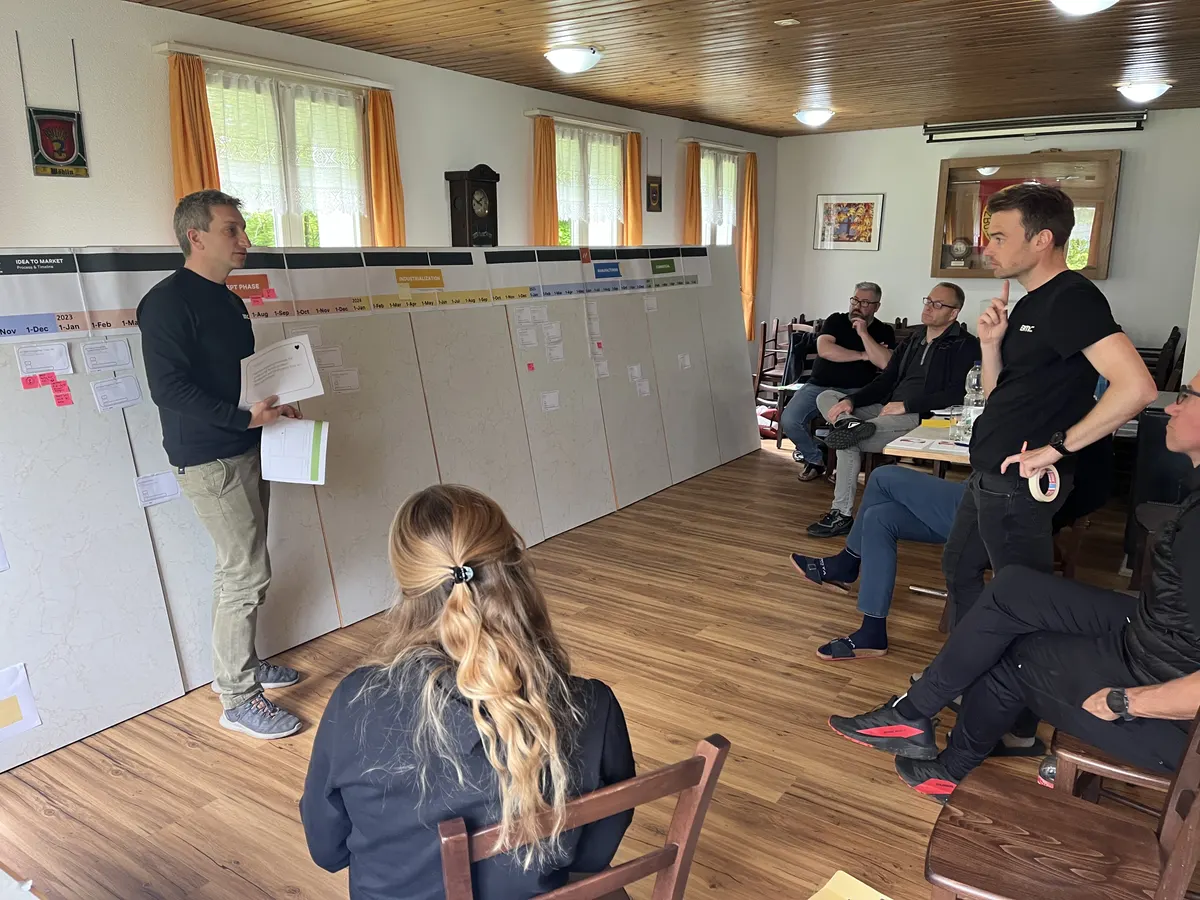
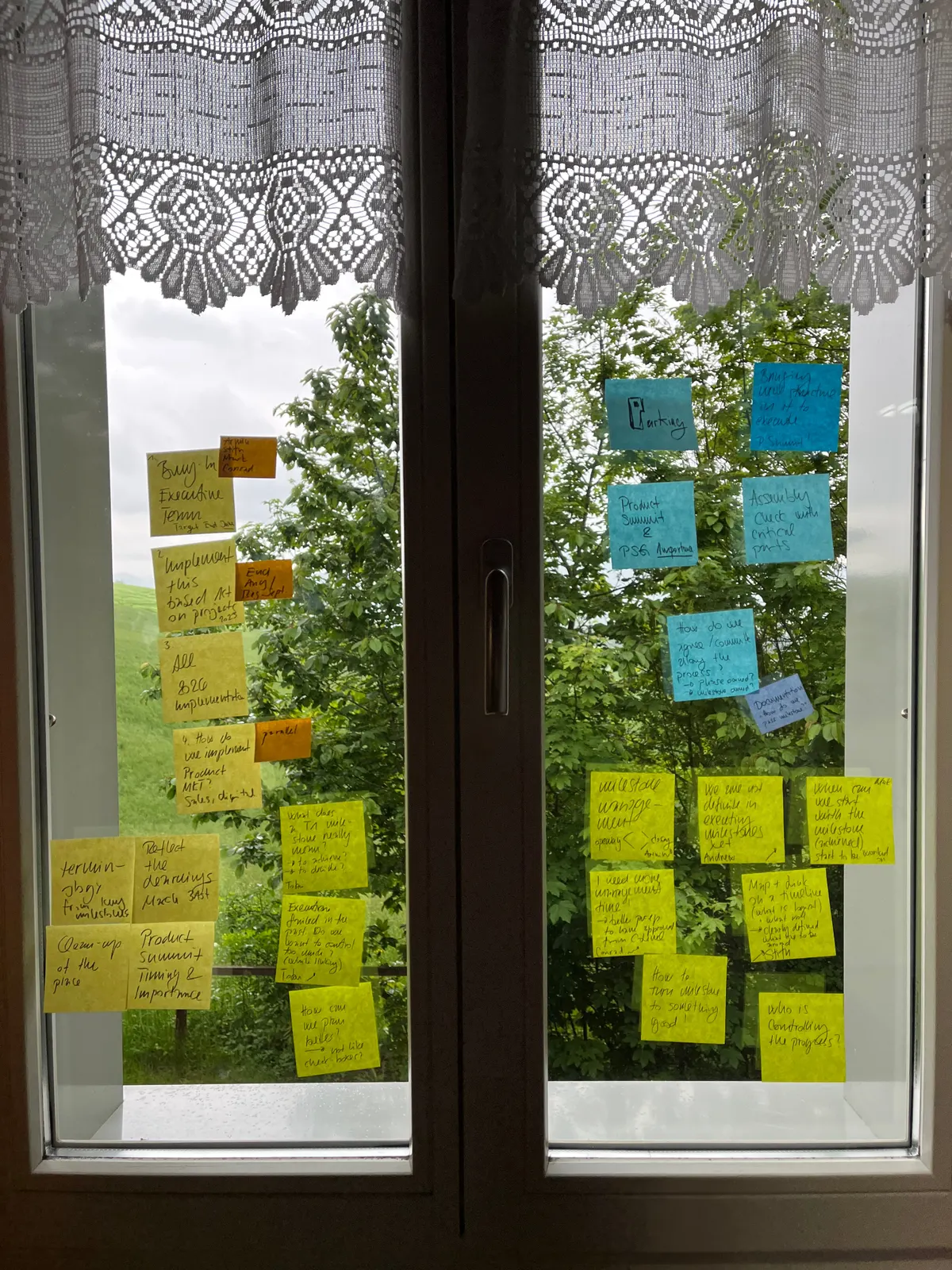
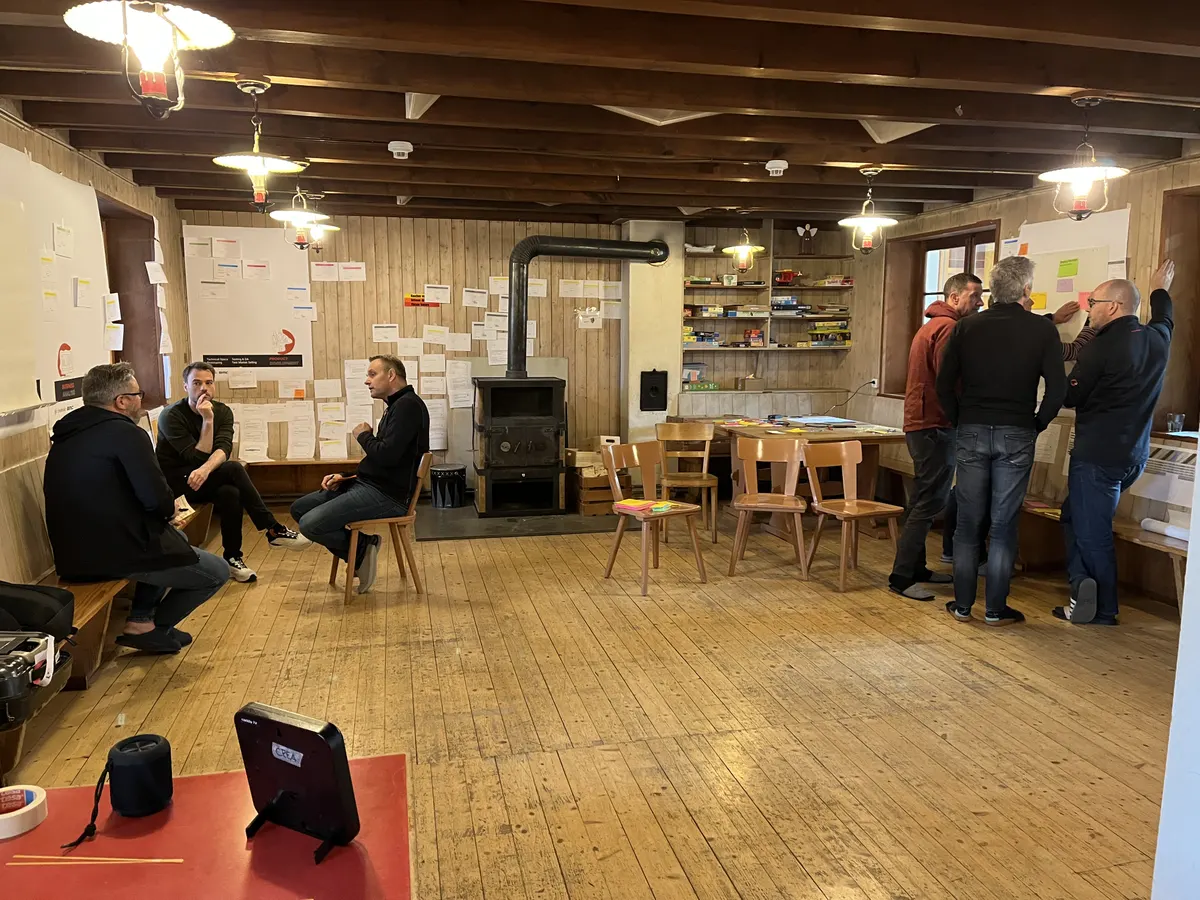
Creaholic’s Katja Bürki took the leaders of BMC Group’s R&D, product development, supply chain, and quality & warranty units to Magglingen, Switzerland for the first of two 2-day workshops. Getting team leaders away from the environment of their everyday roles was key to opening their minds. Harnessing the team-sports spirit that was already an integral part of the BMC Group’s culture, Katja helped participants make use of the space and setting to address various elephants in the room. They then prioritised challenges based on a “consequence scanning” technique where they mapped the likelihood of occurrence and severity of impact. From there, they categorised the challenges in actions: act, monitor and influence – eventually focusing on a top priority challenge to act on. What resulted from the exercise – beyond each department head seeing challenges from colleagues’ perspectives – was a mindset shift that led to a fundamental change in how they collaborated with each other and international suppliers.
Swerving toward operational excellence
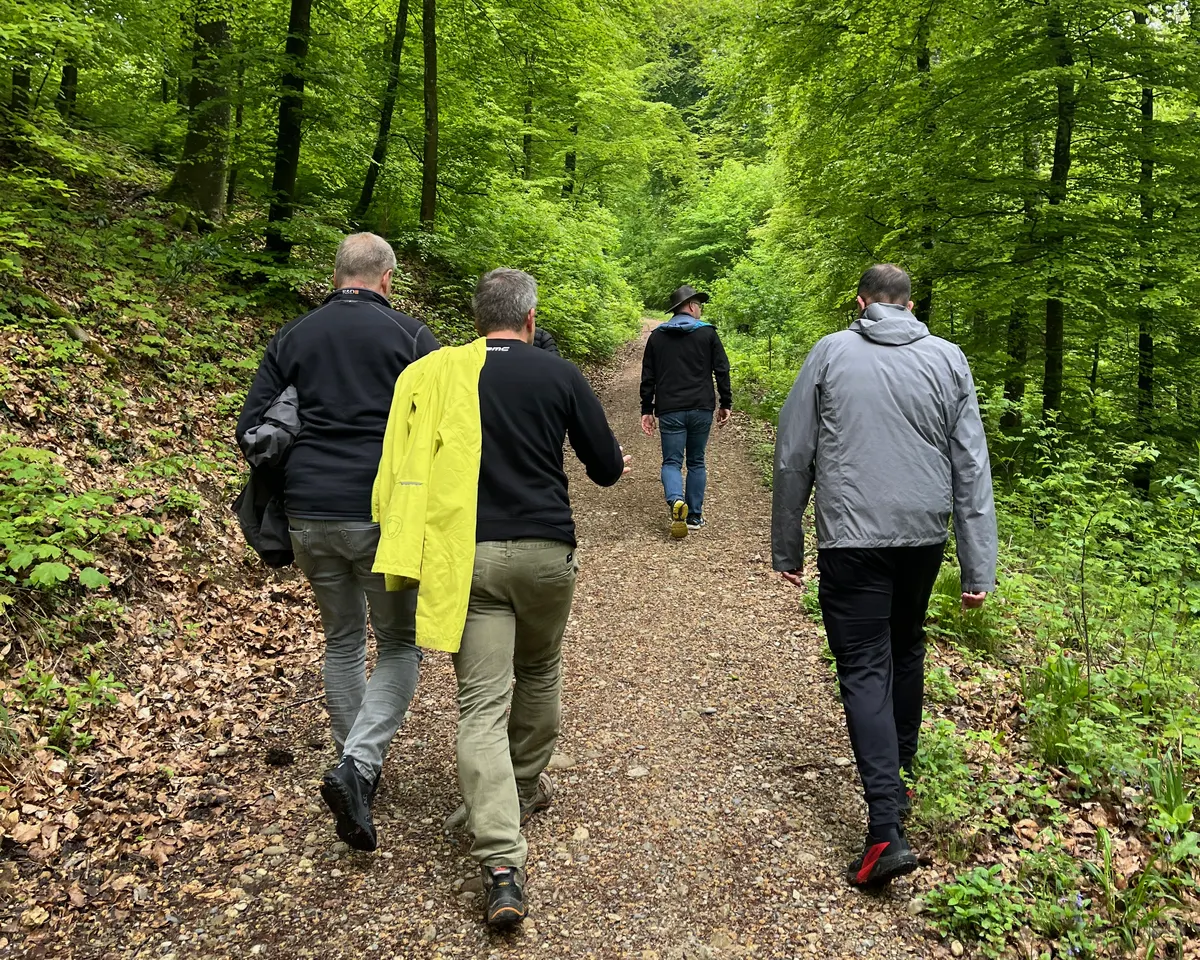
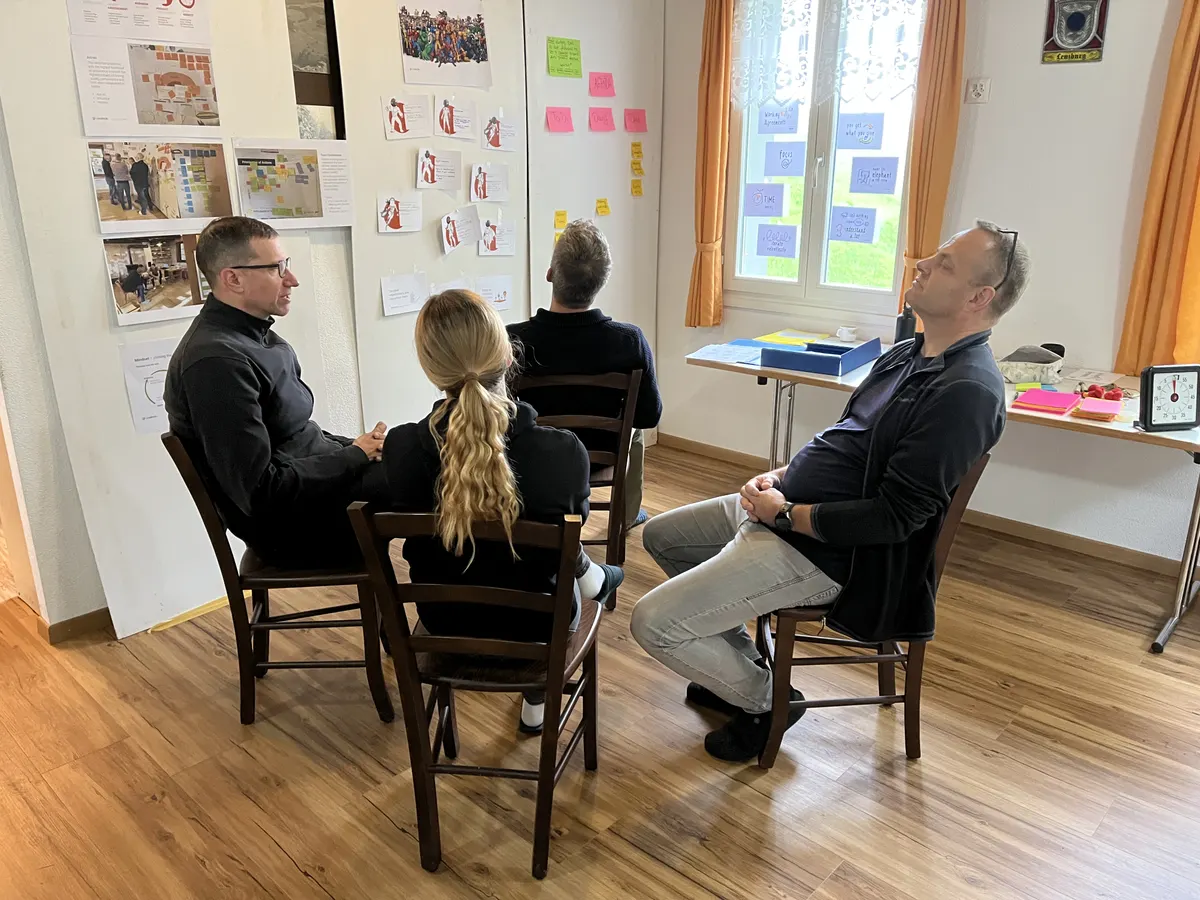
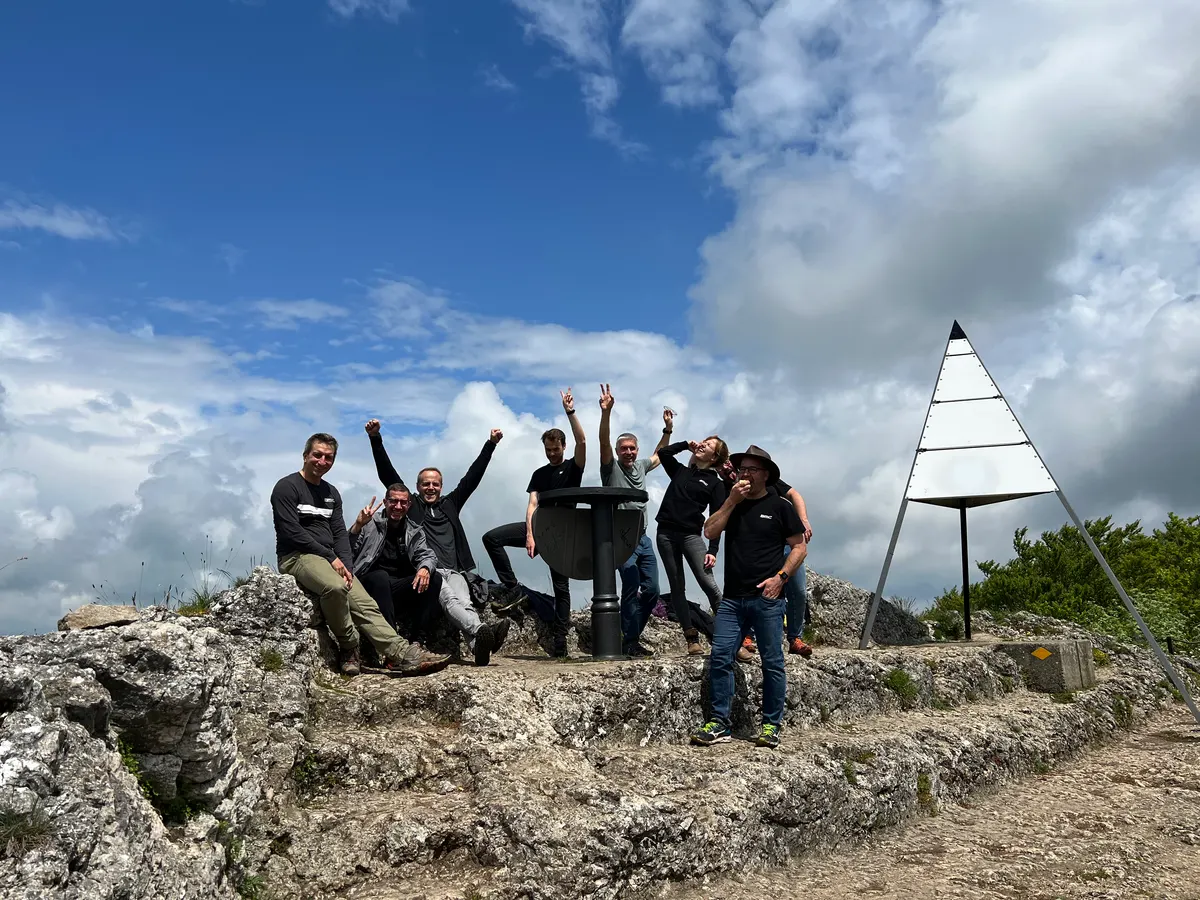
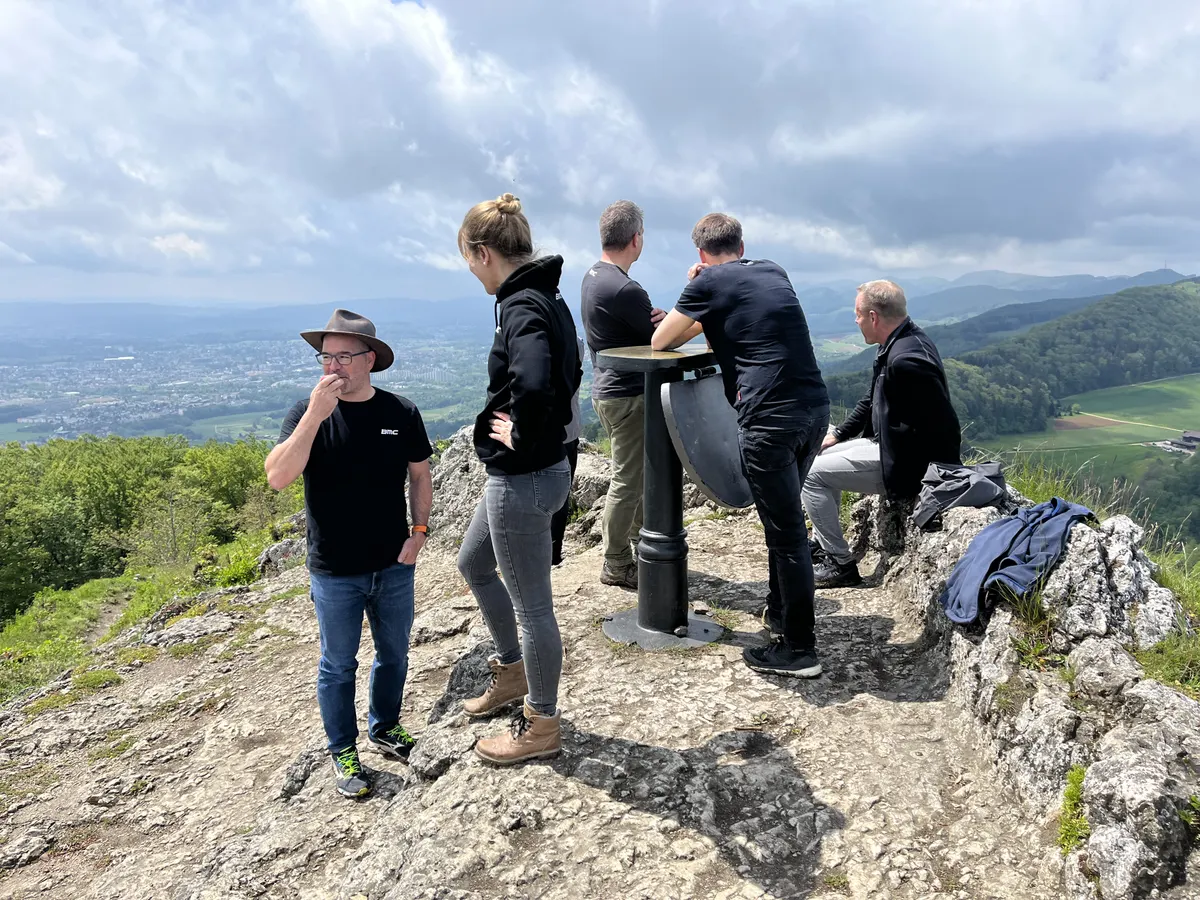
The second workshop took the group to another rustic location in Gislifluh, Switzerland. This weekend was focused on bringing clarity to the entire product development process – and who was responsible for the milestones at each stage. To enhance collaboration, Katja made use of the “appreciation shower”, where participants each received compliments and feedback about what their peers valued about them. Speaking positively about each other and accepting the positivity went a long way in fostering a culture of trust. This is a feeling that participants brought back to the office and grew by sharing with team members.
8 ways to improve accountability
An important outcome of the workshops was a more established sense of accountability. At BMC Group, it is important that each team leader claims accountability for their particular milestones while their peers trust them with their responsibilities. Katja introduced eight ways to improve accountability, which guided them throughout the workshops and continue to play a part in BMC Group’s company culture.
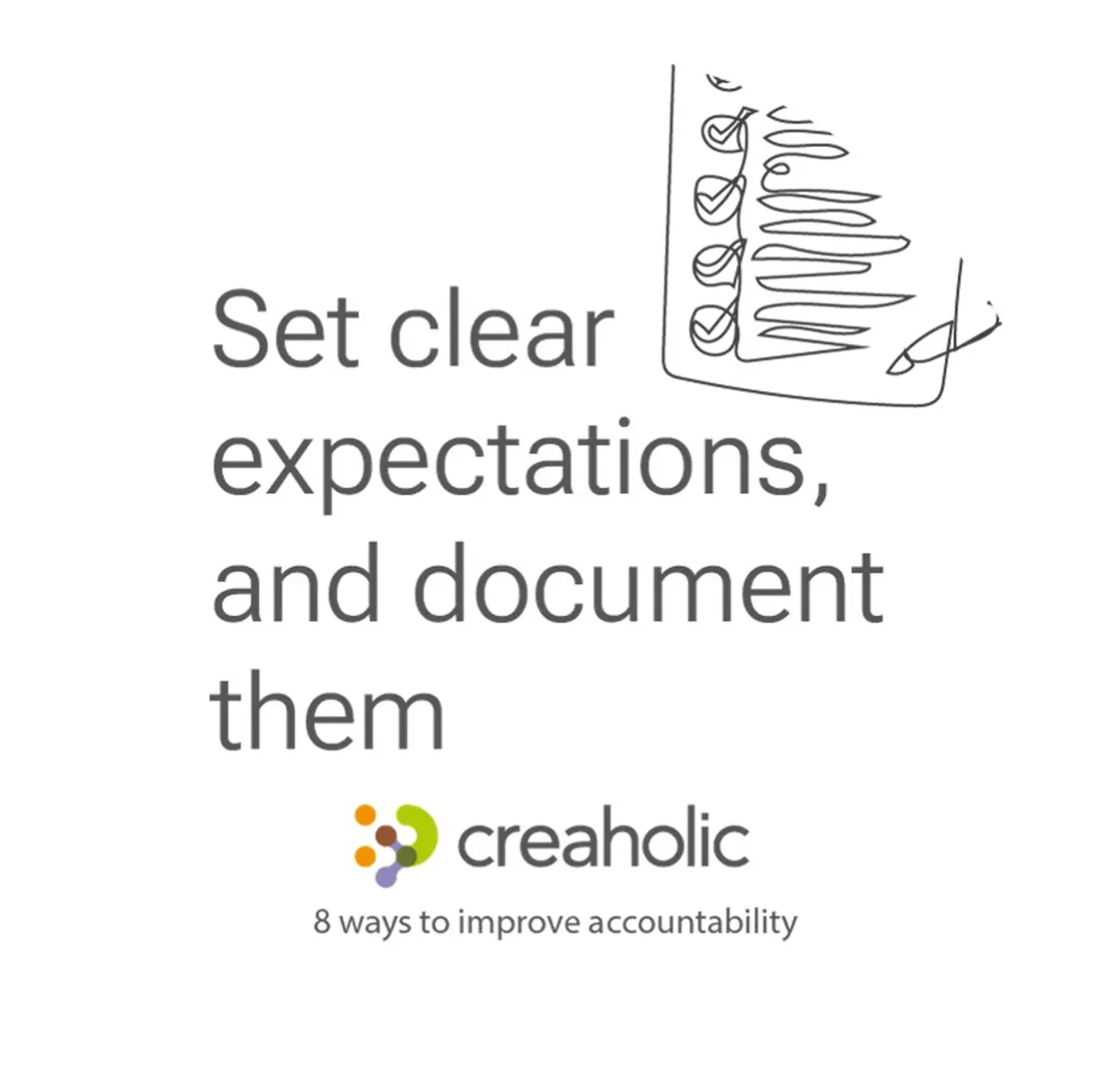
Set clear expectations and document them
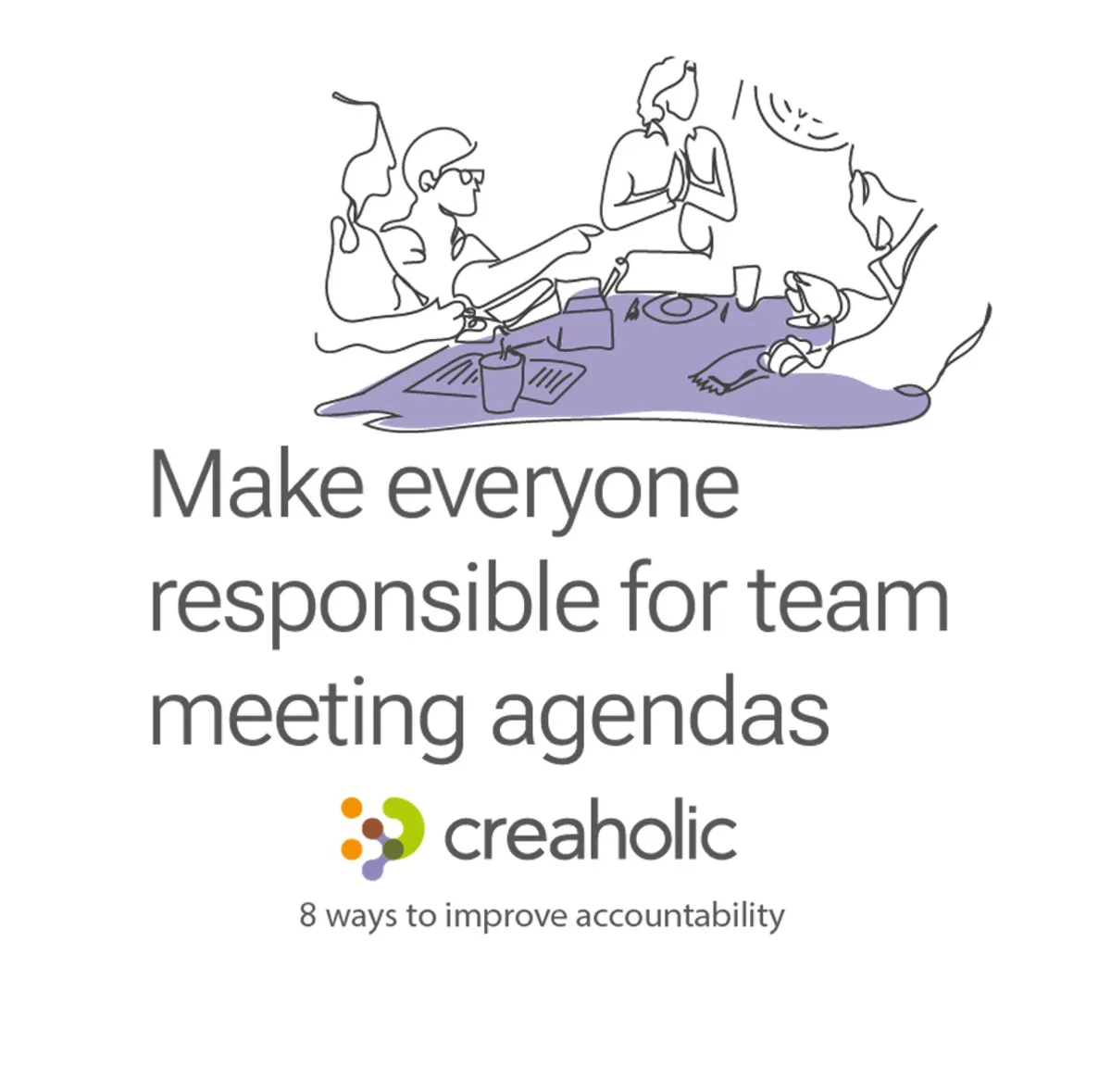
Make everyone responsible for team meetings and agendas
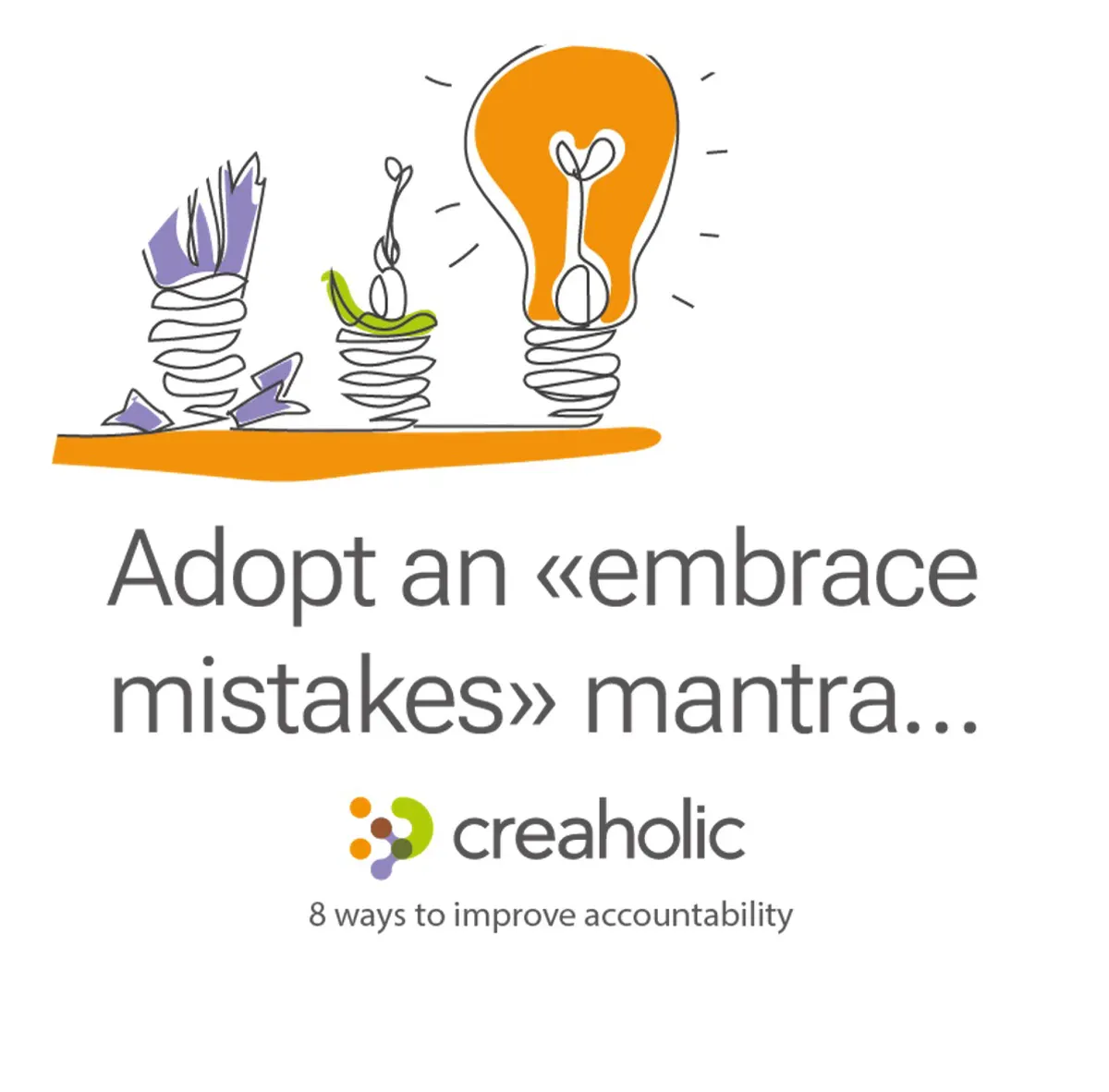
Adopt an “embrace mistakes” mantra…
… but make sure there are consequences
Assign tasks to individuals
Practice what you preach
Follow up
Reward wins
Switching gears to a culture of collaboration
Improving the collaboration between departments and cultivating shared understanding of responsibilities and milestones has been vital to BMC Group’s successful idea-to-market process. Creaholic’s culture design support took department heads out of everyday routines, frustrations and unmet expectations, and brought them to a shared space where trust could flourish. Now, trust and accountability pave the way for innovation and strategy. Three major changes that are now lived at BMC Group today are:
Using an agile mindset and implementing new ways of working, including the PDCA (Plan, Do, Change, Act) cycle
Incorporating time to reflect in order to advance the process and to build learning into the culture
Working with a “Ground Zero” template to kick off every project. The template includes crucial milestones throughout the process and defines stakeholders – this makes a positive impact on time, cost, performance and quality and also creates more flexibility for the organisation and teams to react better to unforeseen scenarios.
While the journey took the BMC Group off a familiar trail, the outlook and the teamwork to get there are full of potential on every level.
14 signs your culture needs a redesign
The first step in a culture transformation like in BMC Group’s case is recognising that there is room for improvement in the status quo.
There are 14 signs you can look out for. Find out what they are and what we recommend doing if you notice them in your workplace.

Do you have a similar challenge?
Are you inspired by this case study and interested in discussing a similar collaboration?If so, then reach out to one of our experts!