Chapter 01
1985–1990
Createc
One inventor, one desk in Biel, and a first client who made everything after it possible.
Our history
Our story celebrates not just achievements, but the inspiration they spark in others.
Who built it
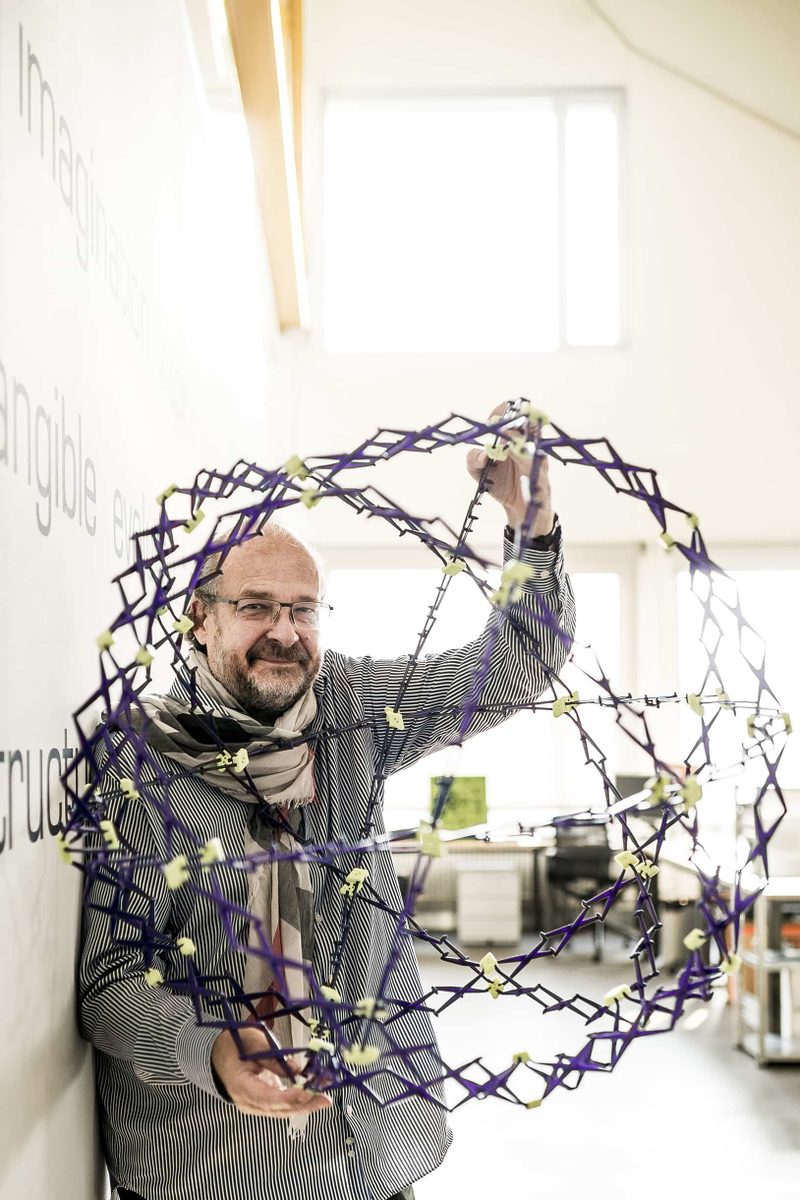
Creaholic started with Elmar Mock in 1986. In the beginning, there were no clients. So, to keep the company going, Elmar taught classes at universities.
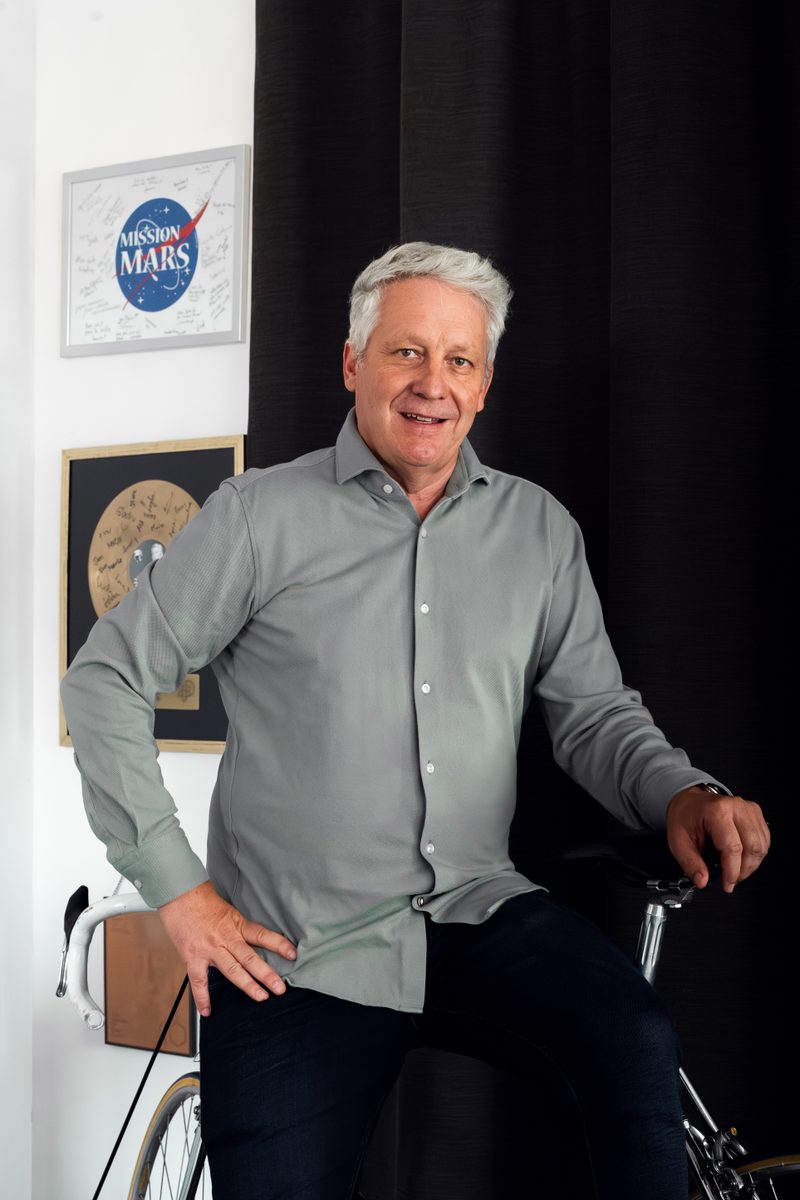
One of his students became Creaholic's first engineer: Marcel «Mars» Aeschlimann. Today, he leads the company.
1985
Chapter 01Createc
Chapter 01
1985–1990
One inventor, one desk in Biel, and a first client who made everything after it possible.
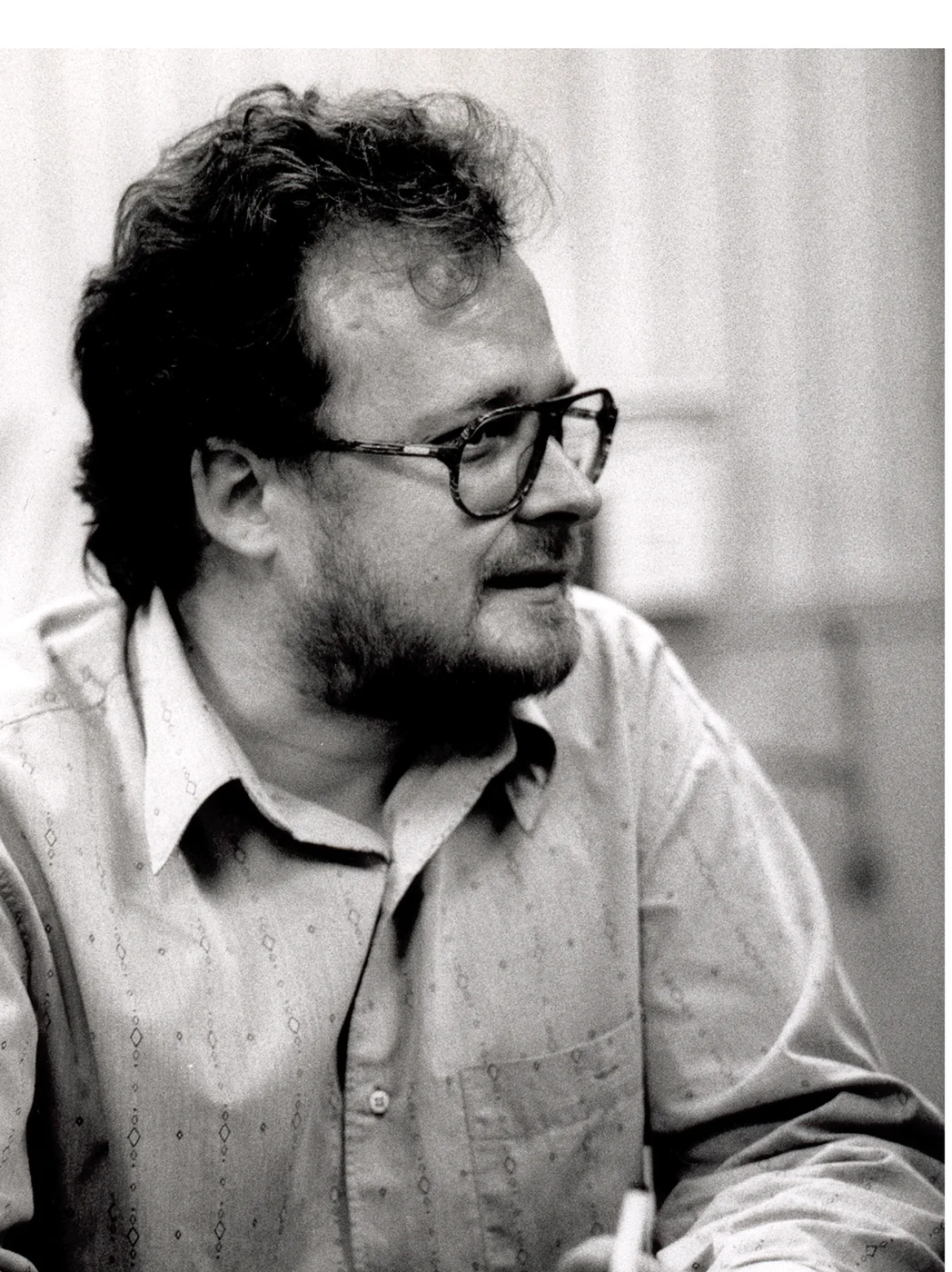
Elmar Mock founded Createc in 1986. The company was renamed Creaholic in 1994.
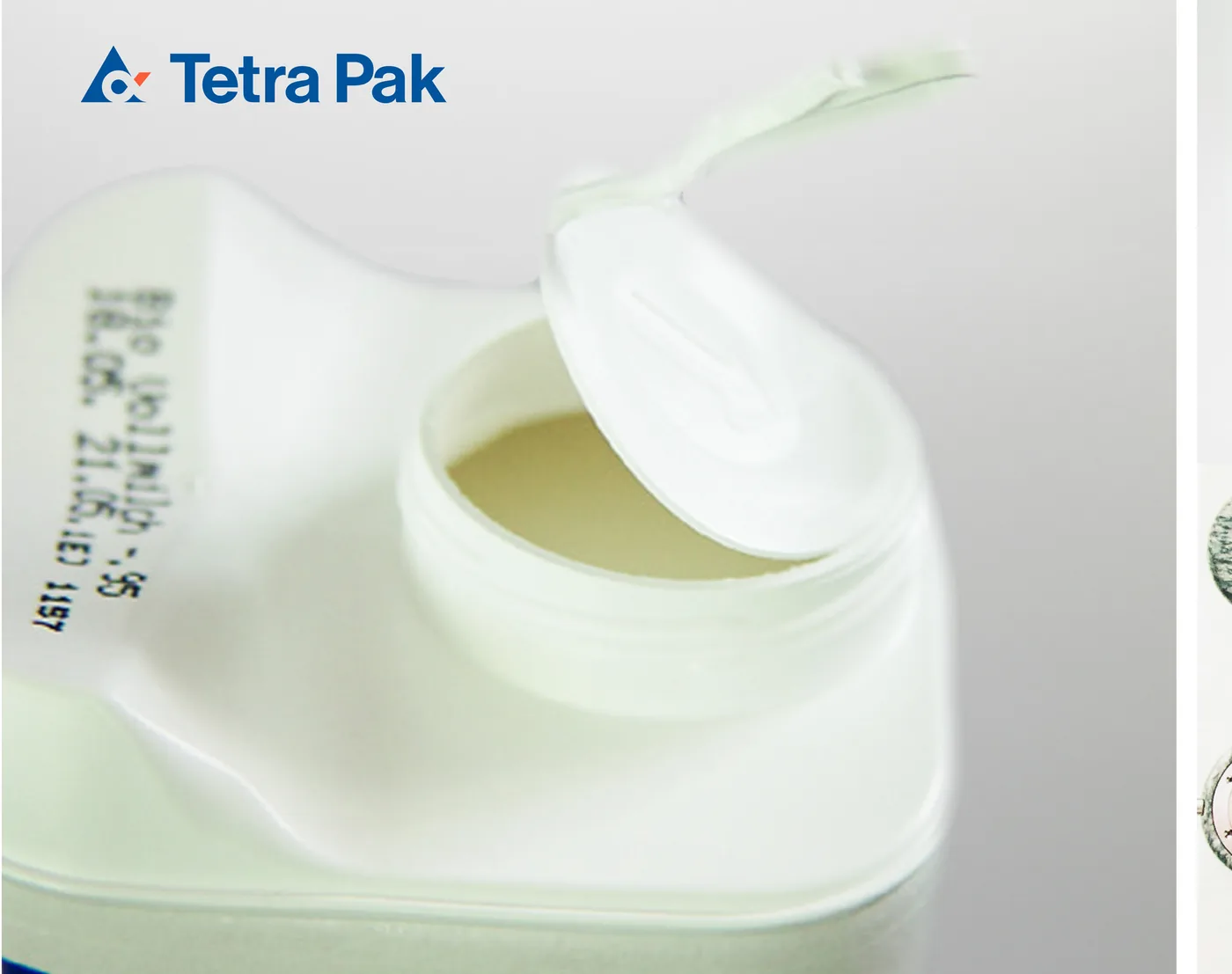
Creaholic's first major client was the Swedish packaging company Tetra Pak. The collaboration gave the young company its early momentum and let it widen its innovation and invention consulting well beyond a single industry. The first job was a high-speed injection-compression technology for over-moulding paperboard.
From 1986 to 1993 the founder taught at 50%: Biel University of Applied Sciences, plastics technology in Windisch, and materials science at FHS St-Imier. The teaching paid for the inventing - and it is where the first hire came from.
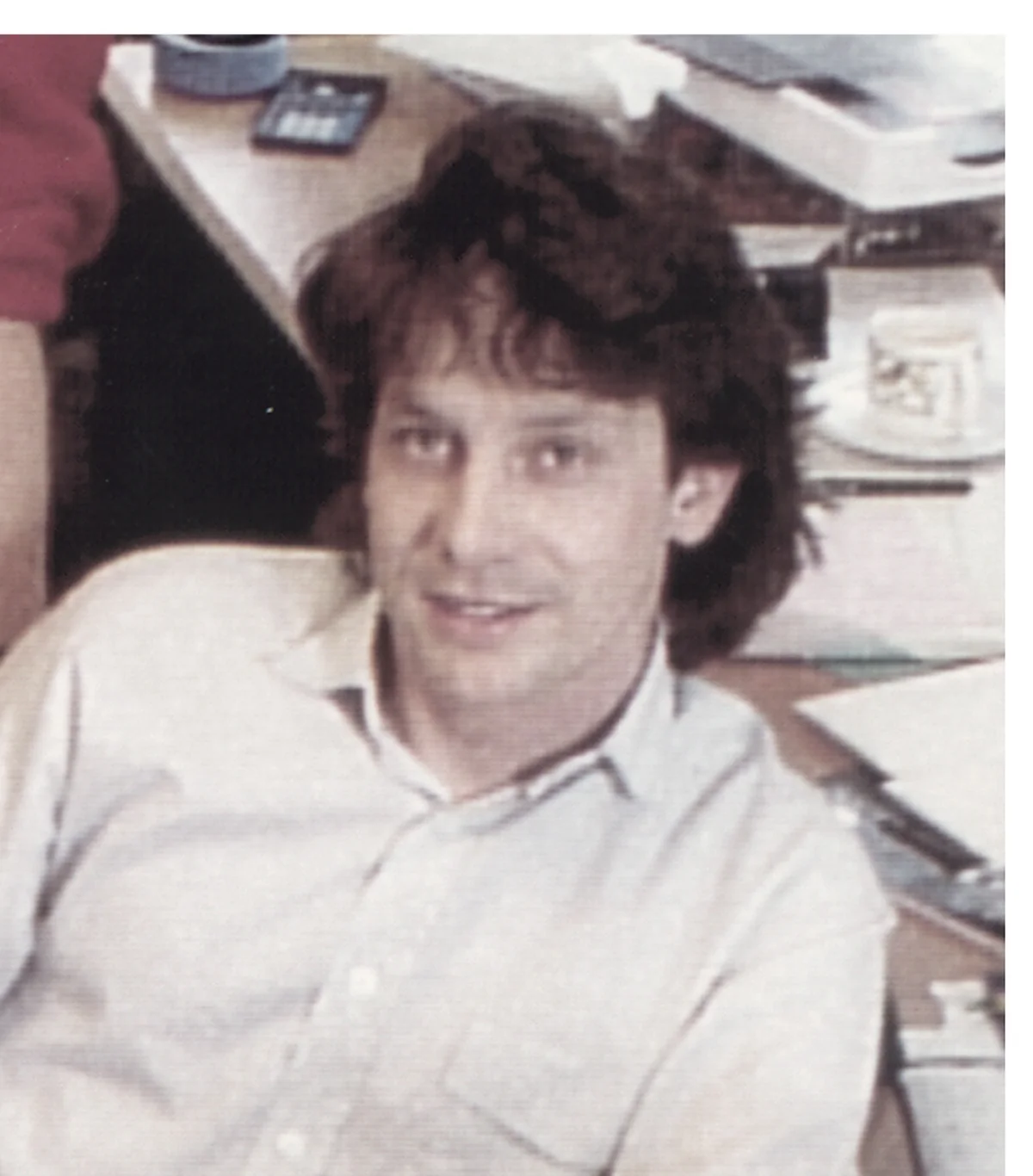
Marcel «Mars» Aeschlimann sat in one of Elmar's classes before he became the first engineer Createc hired. He is Managing Partner and Chairman today.
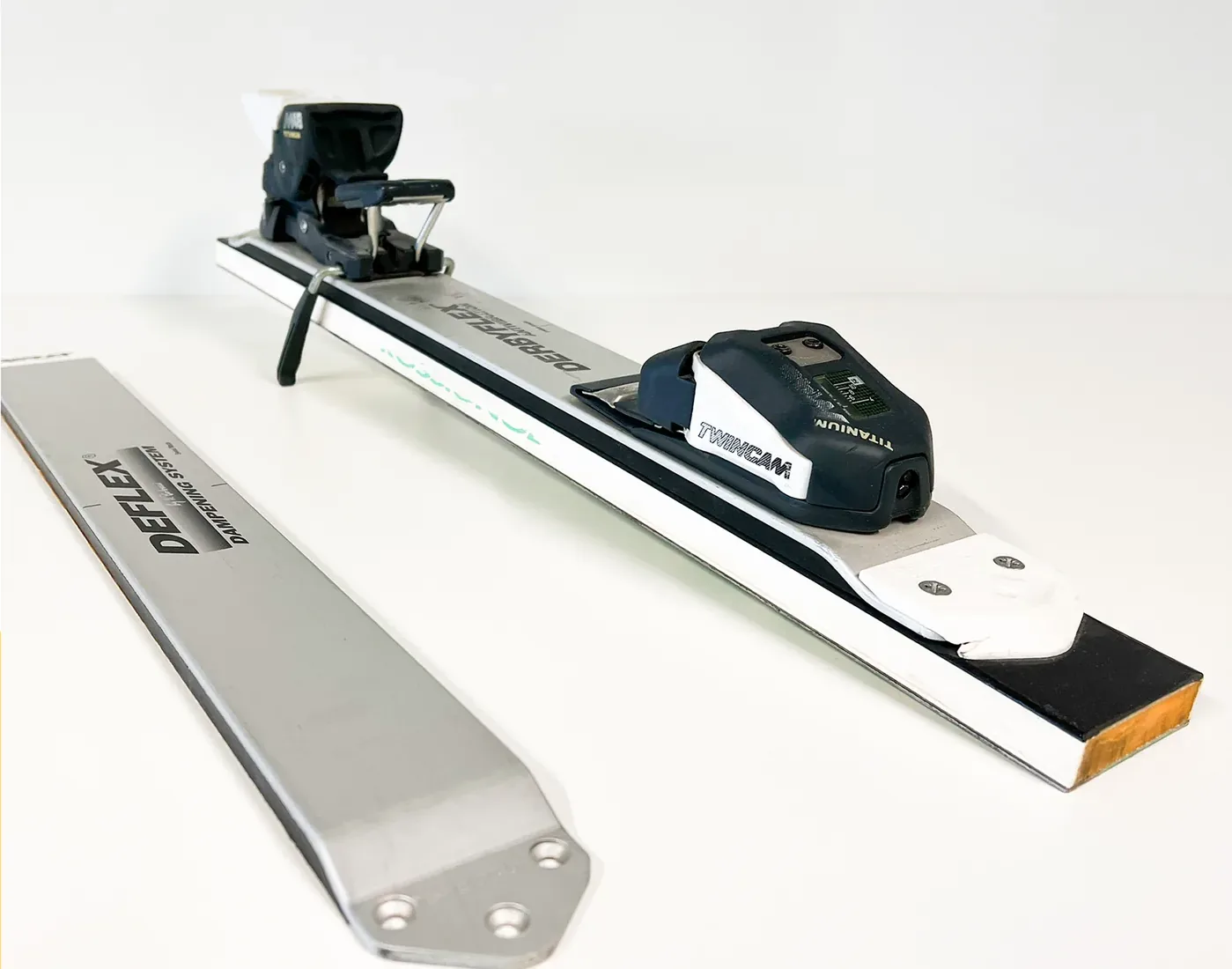
The world's first binding plate. By improving flex and damping vibration, it made modern carving possible.
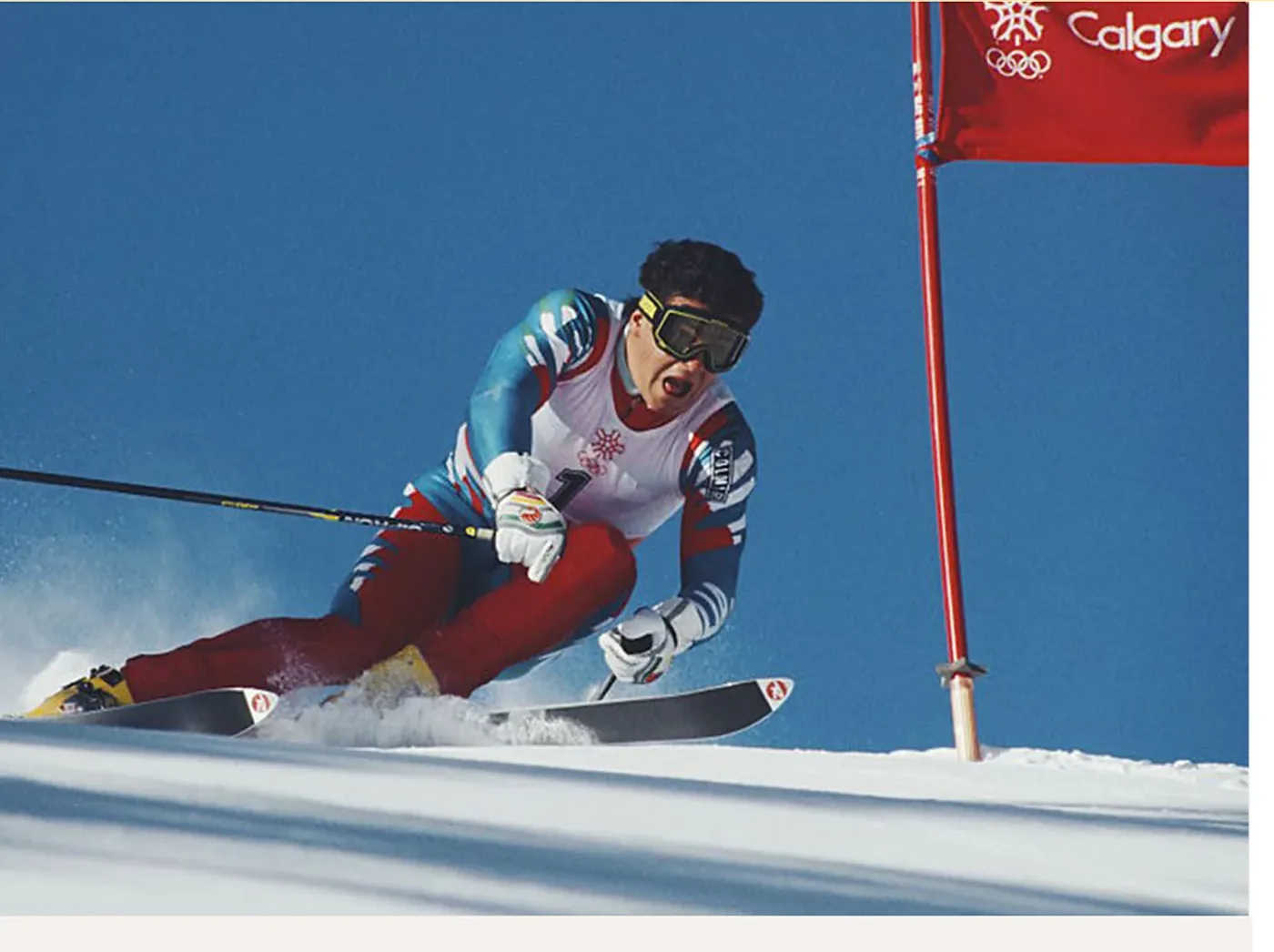
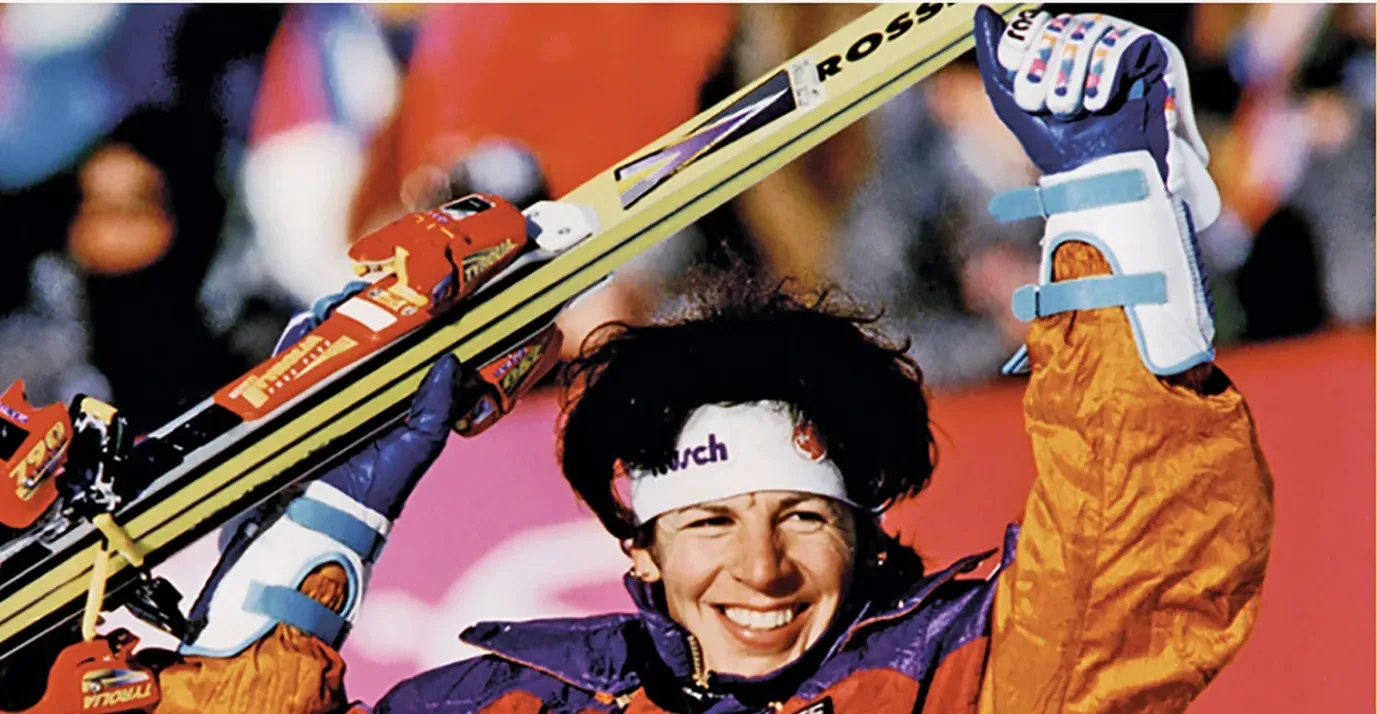
Alberto Tomba and Vreni Schneider won four Olympic gold medals at Calgary 1988 on the Derbyflex binding.
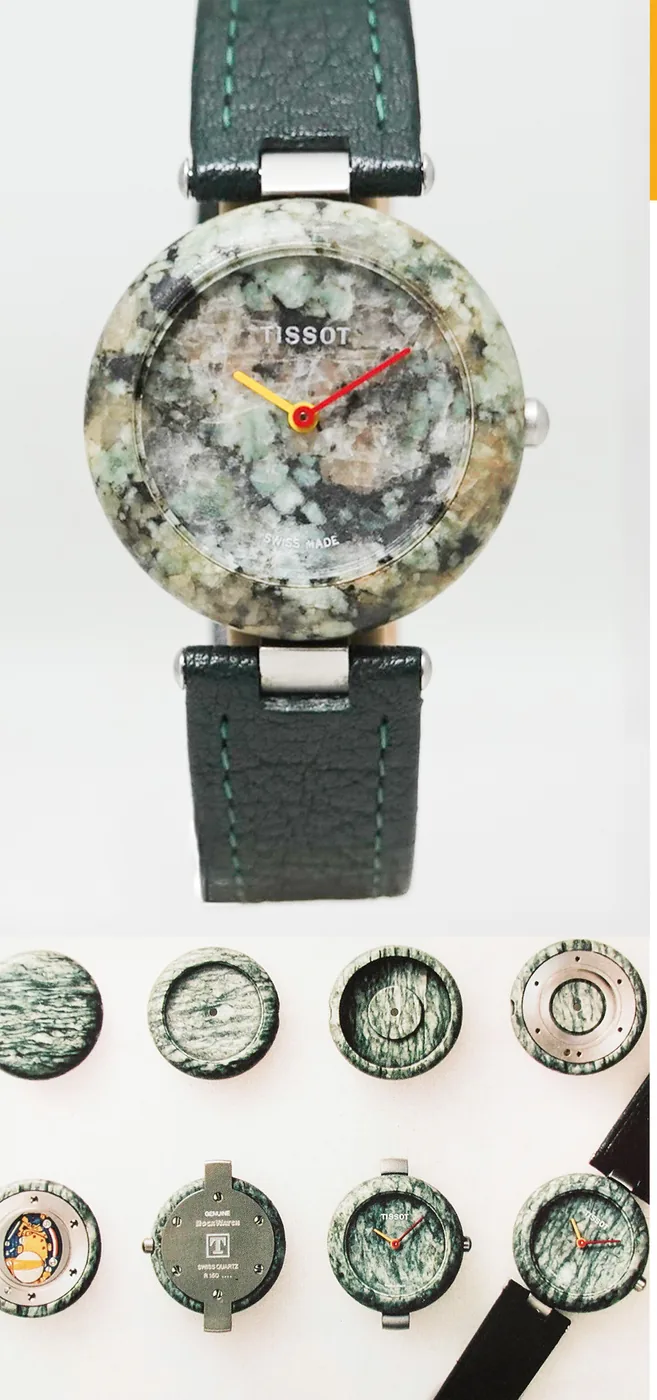
New manufacturing techniques and finishes for a watch whose dial is cut from stone.
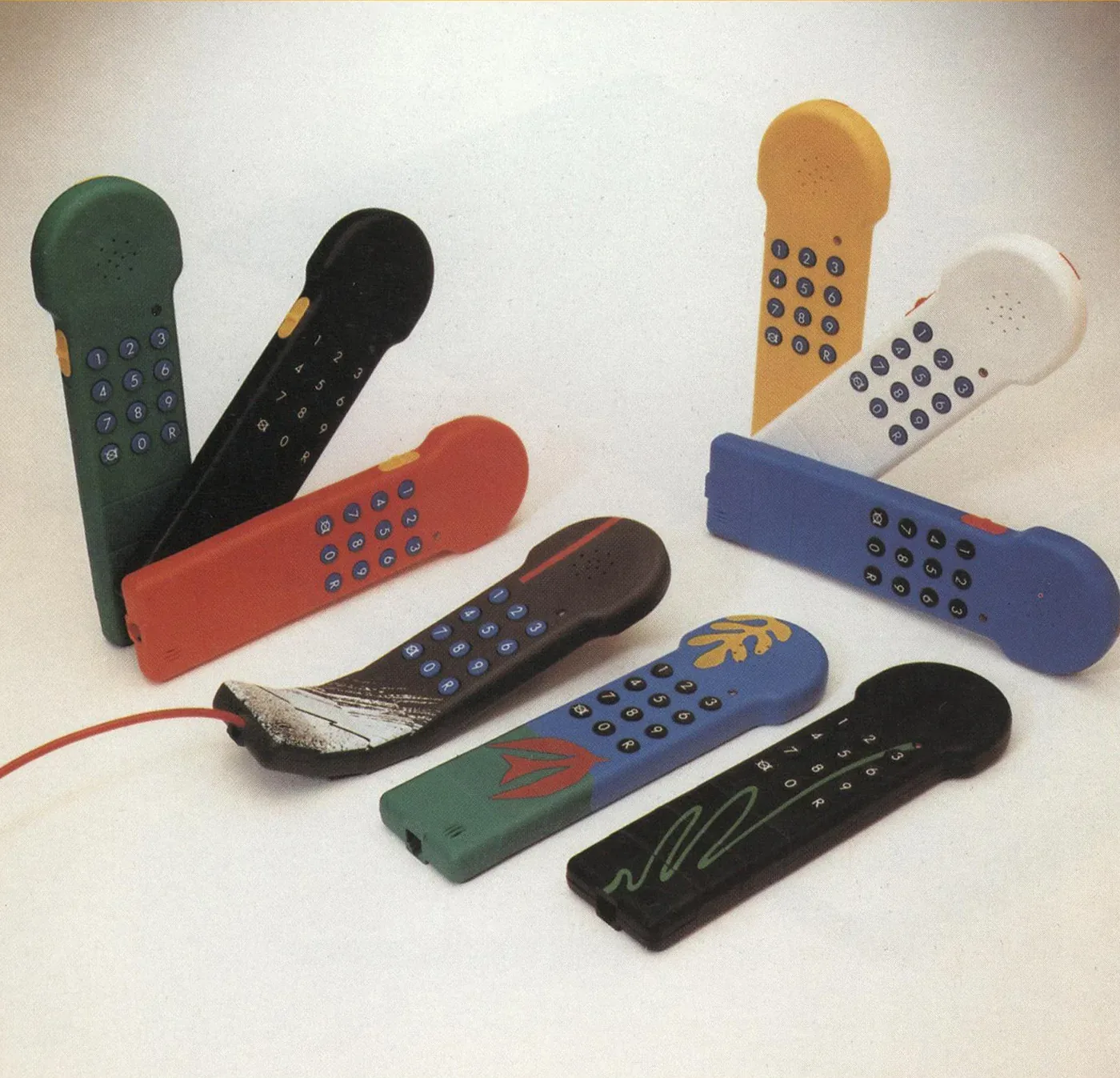
In-mould labelling, ultrasonic welding and finishing, across a family of telephone handsets.
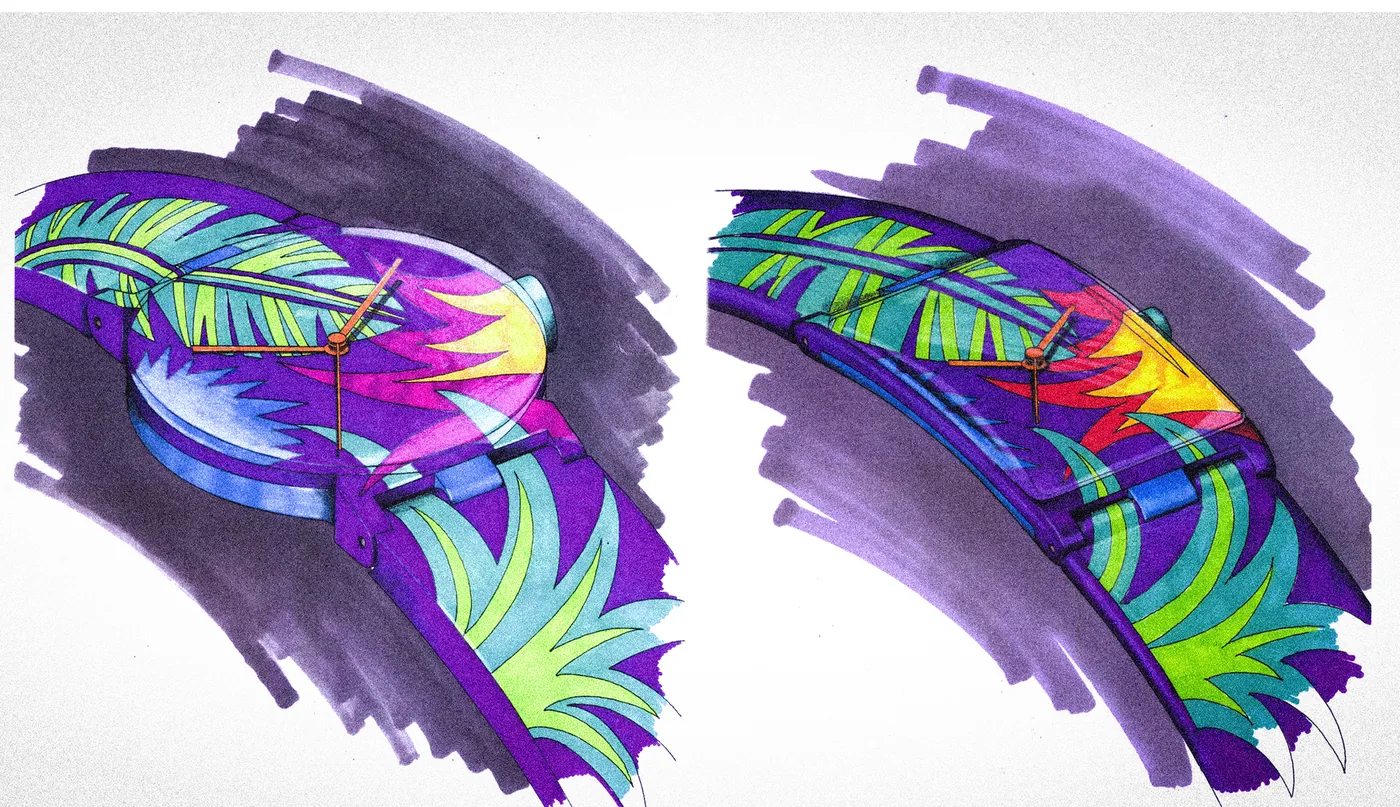
New watch concepts, with a print that runs continuously from the strap across the dial.
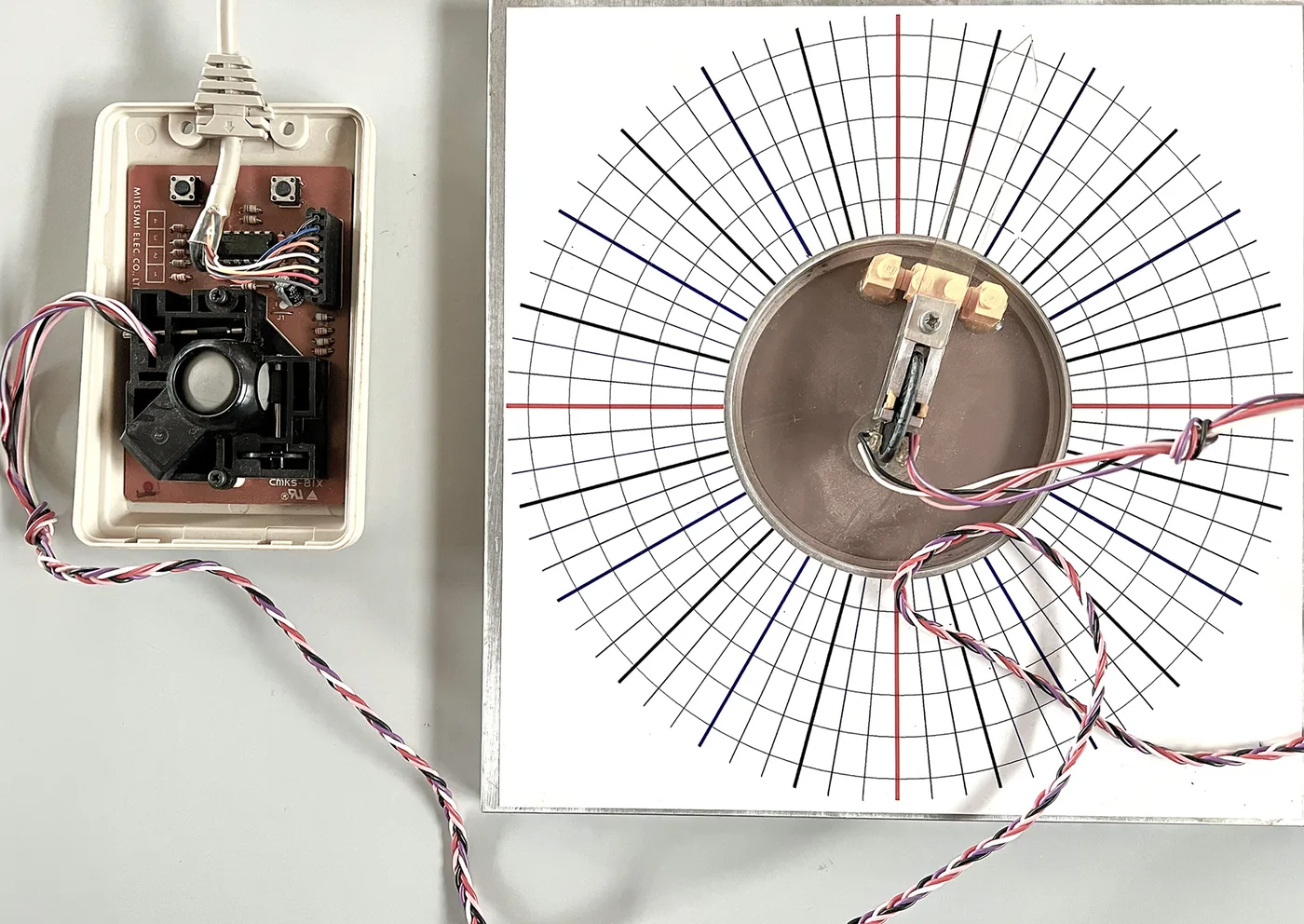
A measuring and tracing device, developed together with Ronda.
Chapter 02
1990–1995
A conflict of interest forced a new name. The partner model that arrived with it is still how the place works.
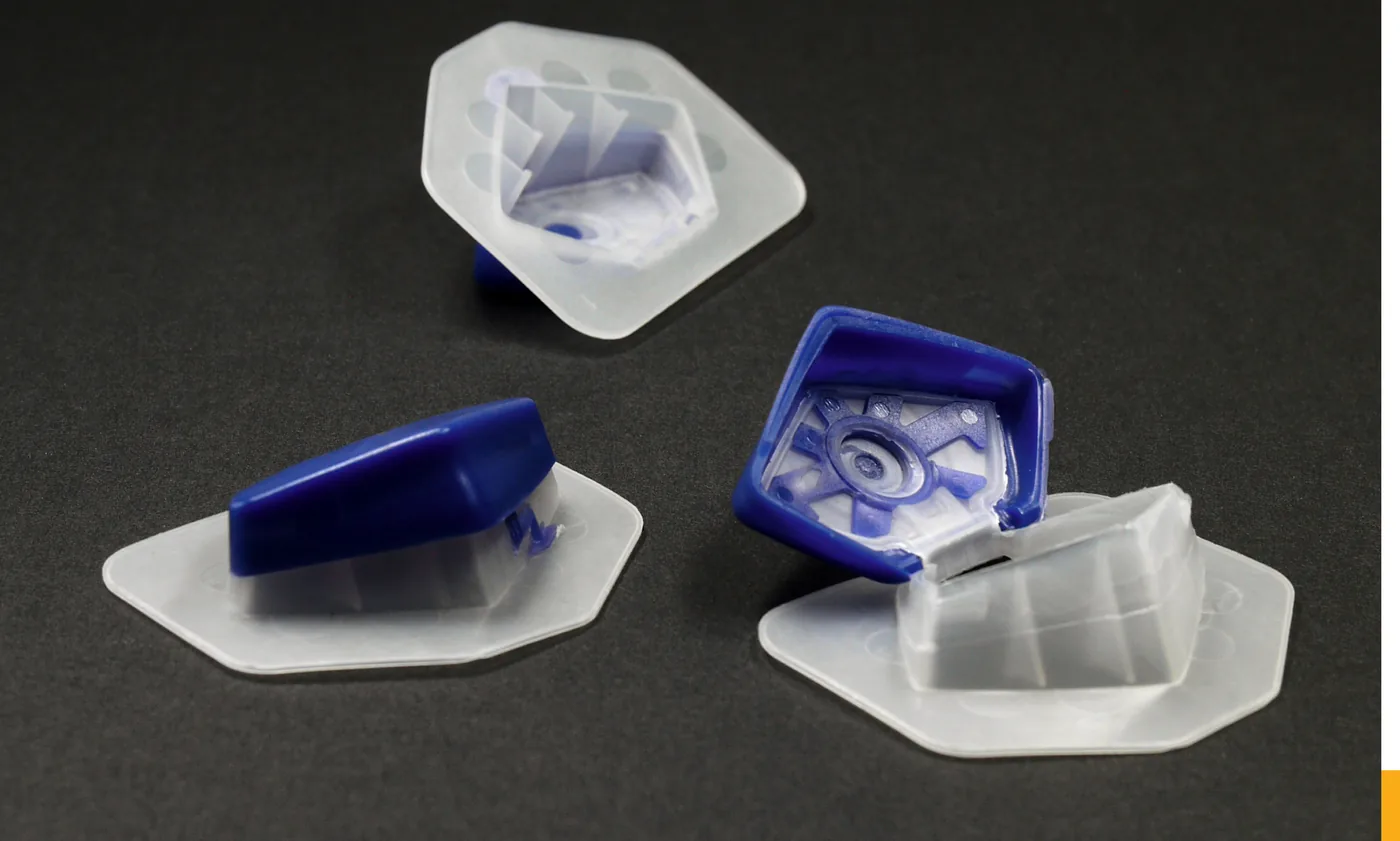
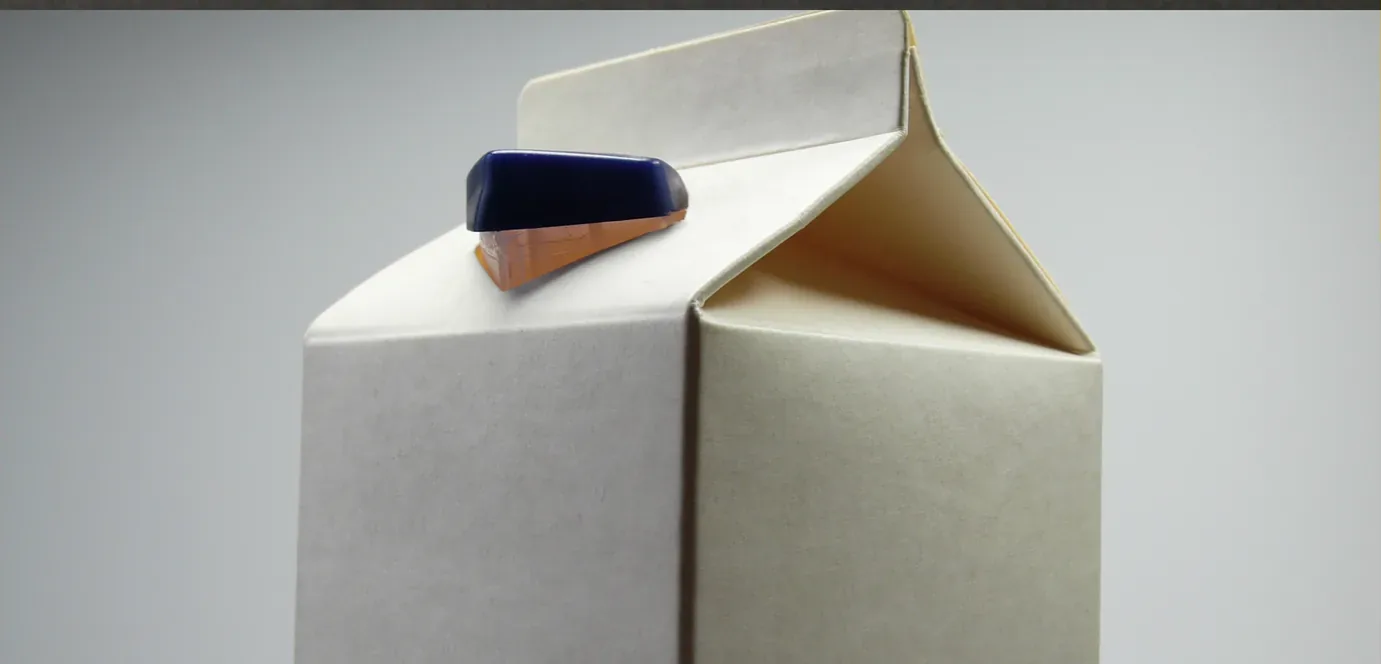
Tetra Pak's spout was made with two-component injection moulding, ready to be sealed straight onto the packaging.
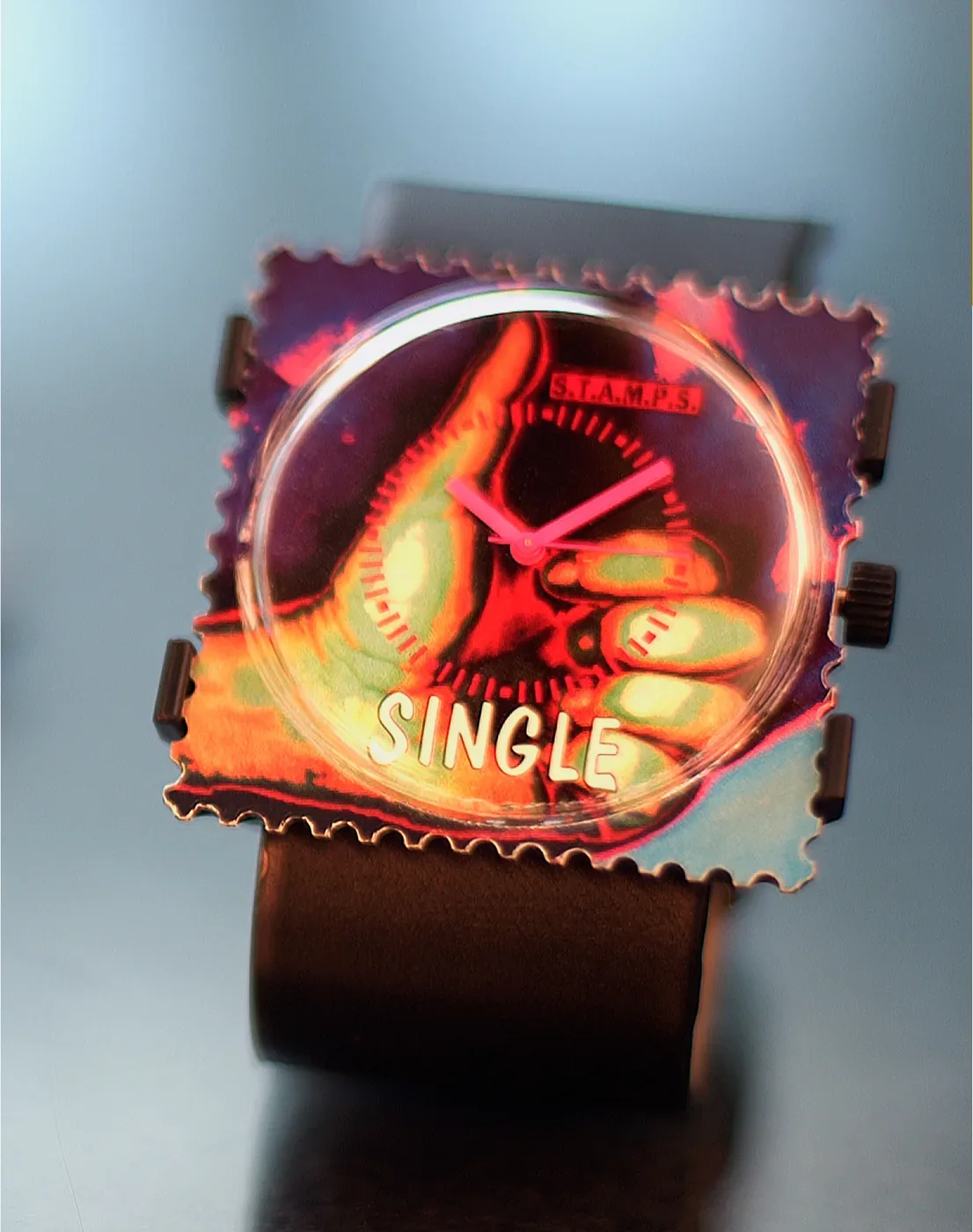
For the STAMPS watch we engineered a housing that takes decorative foils - endless dial customisation, in an affordable and versatile timepiece.
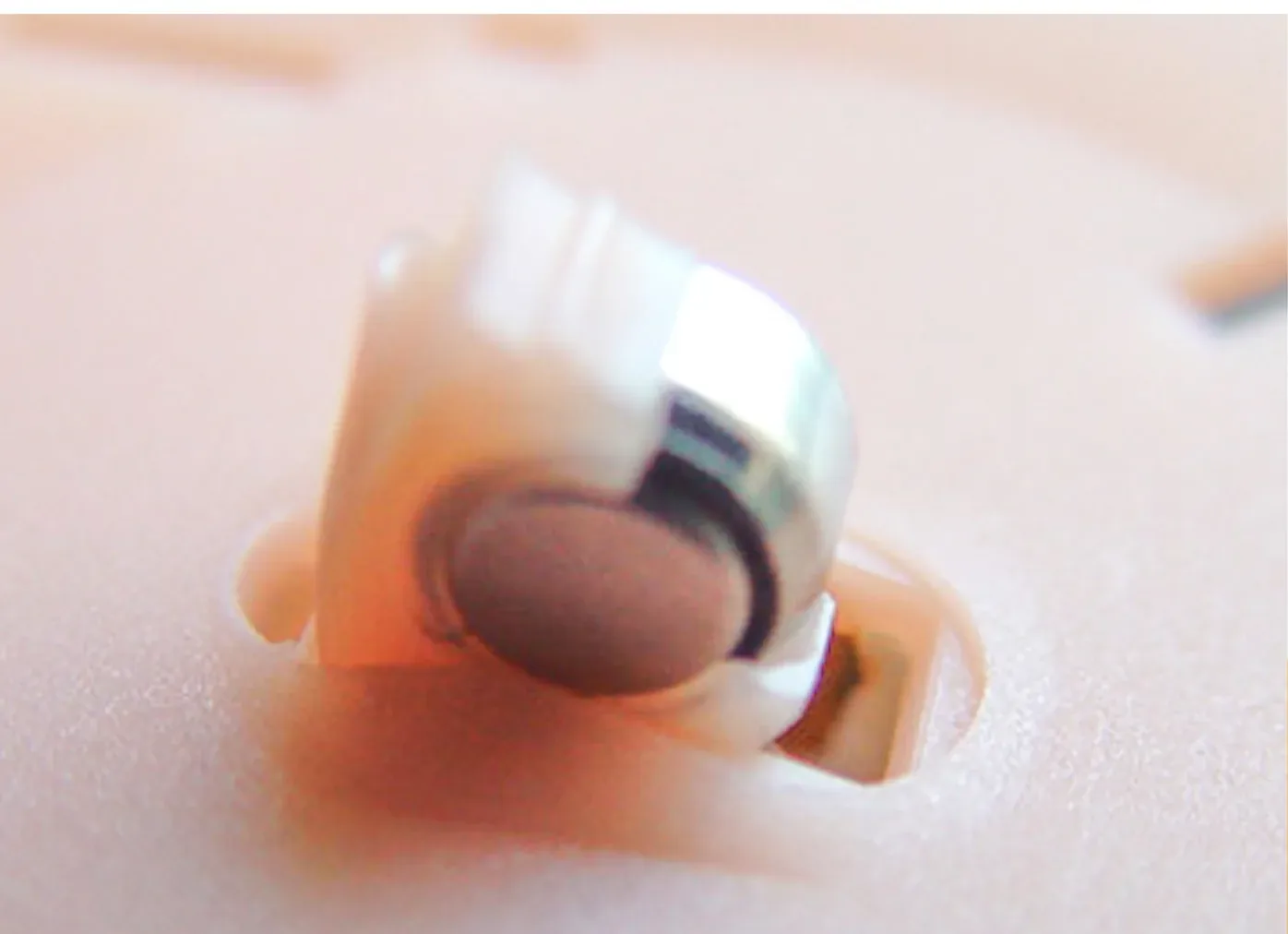
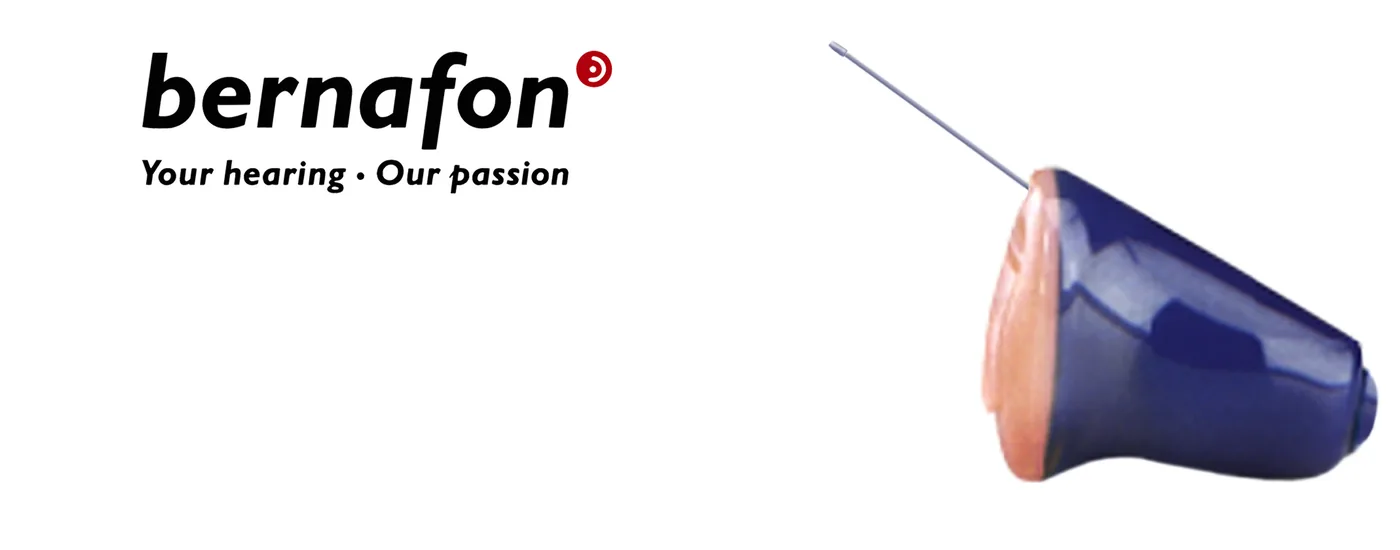
Development of the micro mechanics for a hearing system that converts incoming analogue sound into a digital signal, using a Digital Sound Processing unit.
A conflict of interest over the name forced a change. Createc became Creaholic.
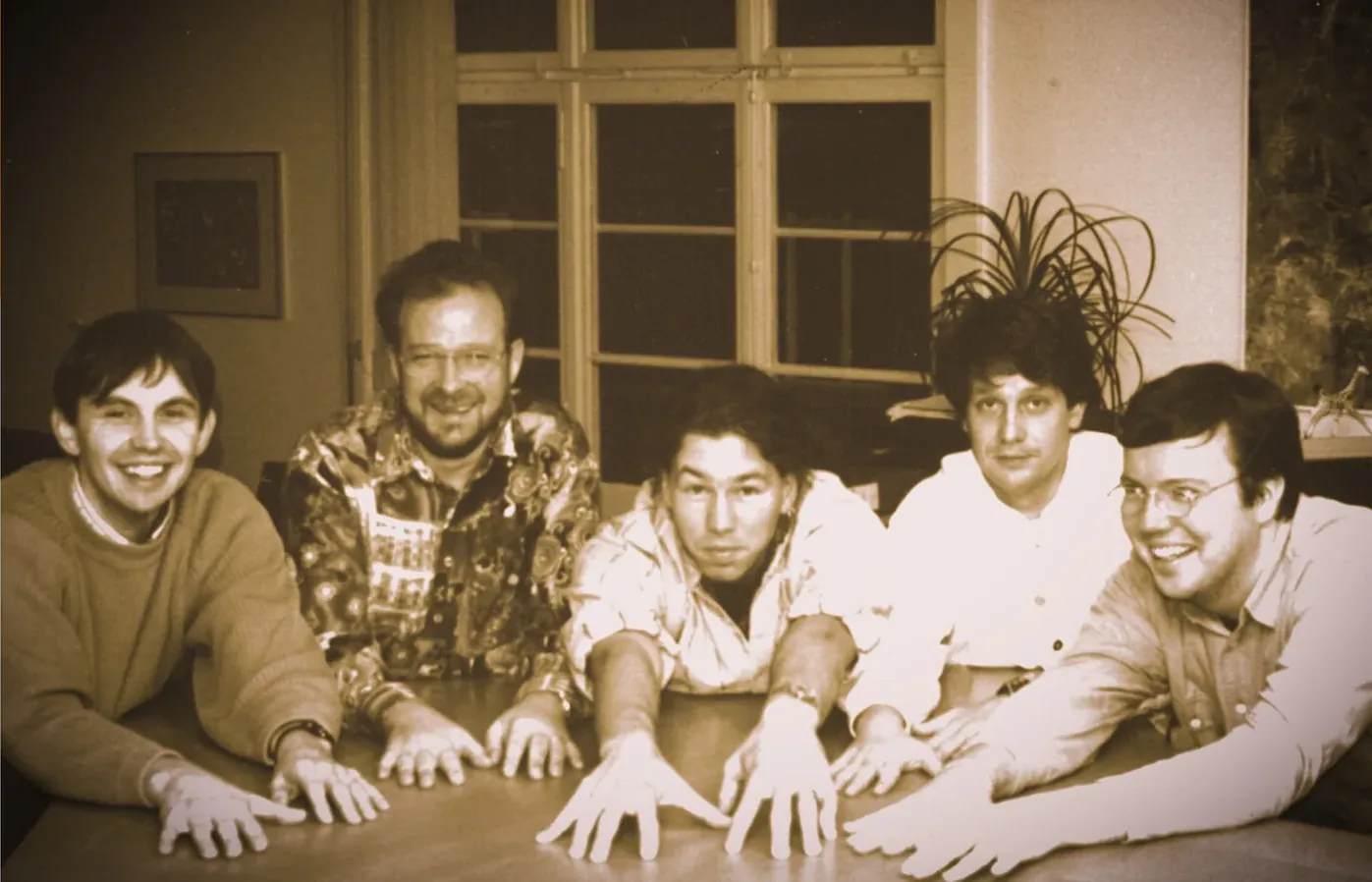
The start of the Creaholic partner model - the arrangement that still decides who owns what, and who stays in. It is what turned a founder's company into a partners' one.
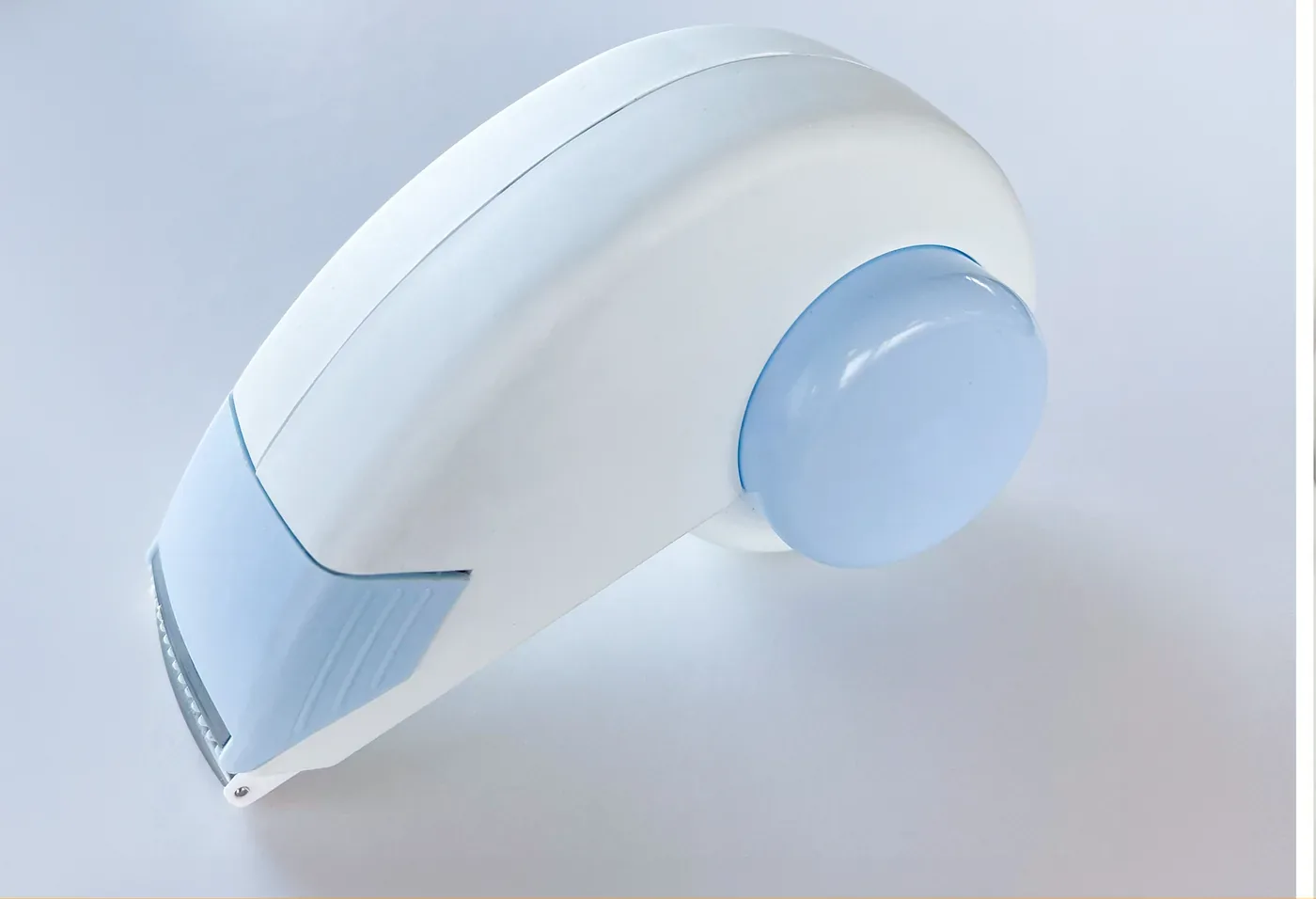
Not everything was commissioned. A shaver concept developed in-house was sold to KAI in Japan in 1994.
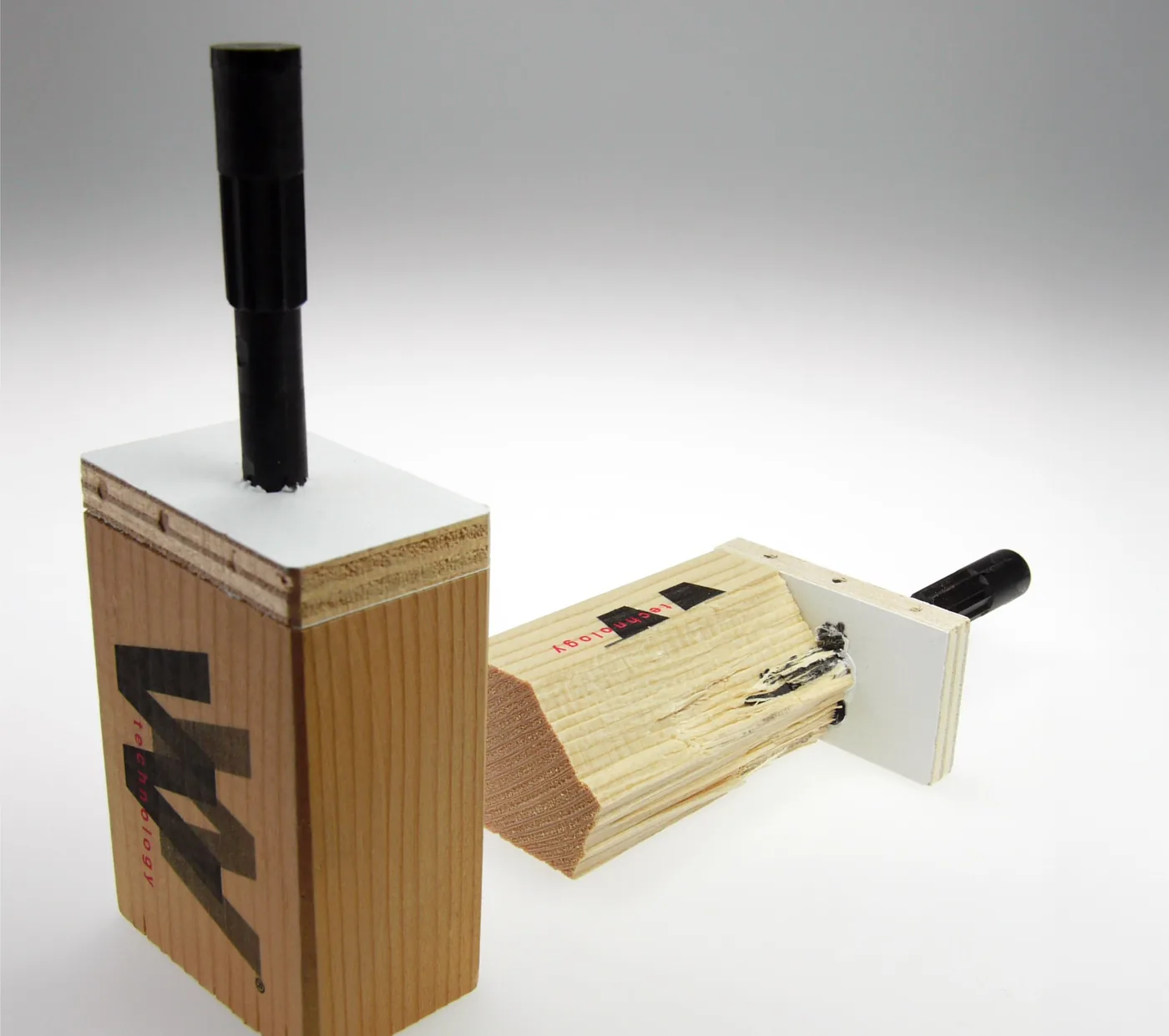
First WoodWelding tests and application ideas. A sonotrode and a thermoplastic pin: the ultrasound the sonotrode generates lets the pin root itself into the material of choice in under a second.
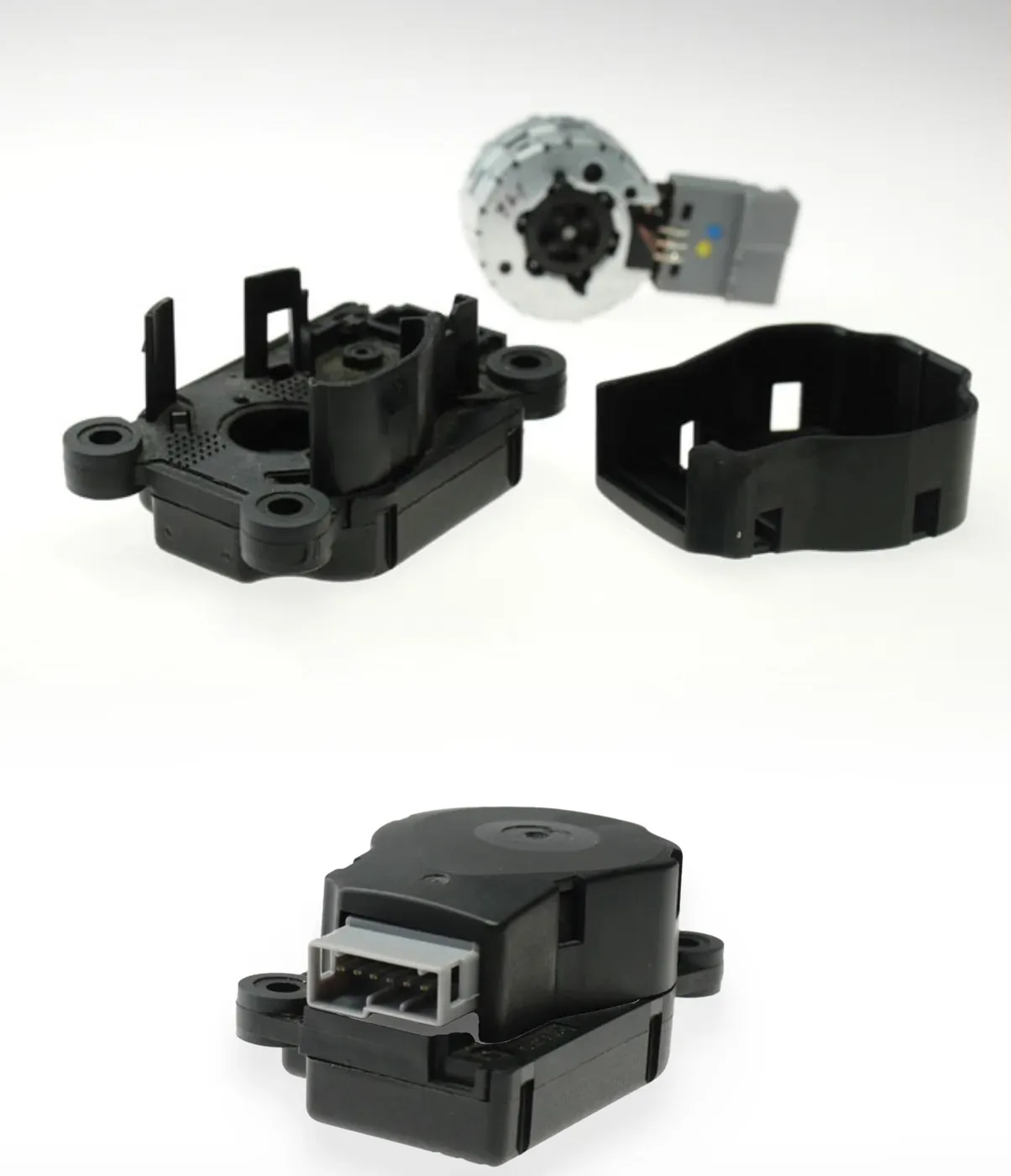
Quieter AC motors, and a gearing optimised along with them.
Chapter 03
1995–2000
Two technologies grew big enough to need companies of their own. The team trebled around them.
Founded in these years
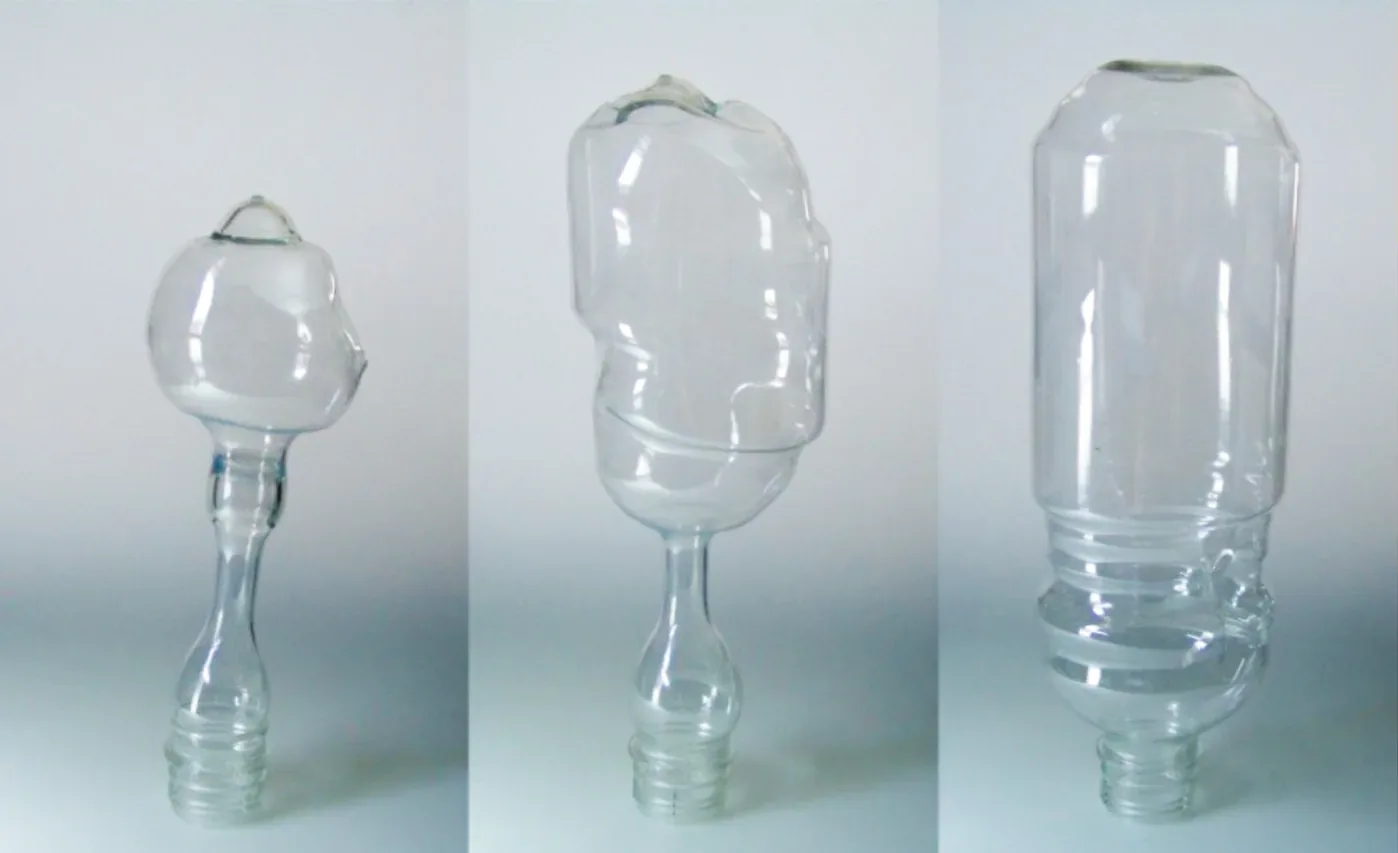
Tetra Pak again: using explosive gas for sterilisation during blow moulding.
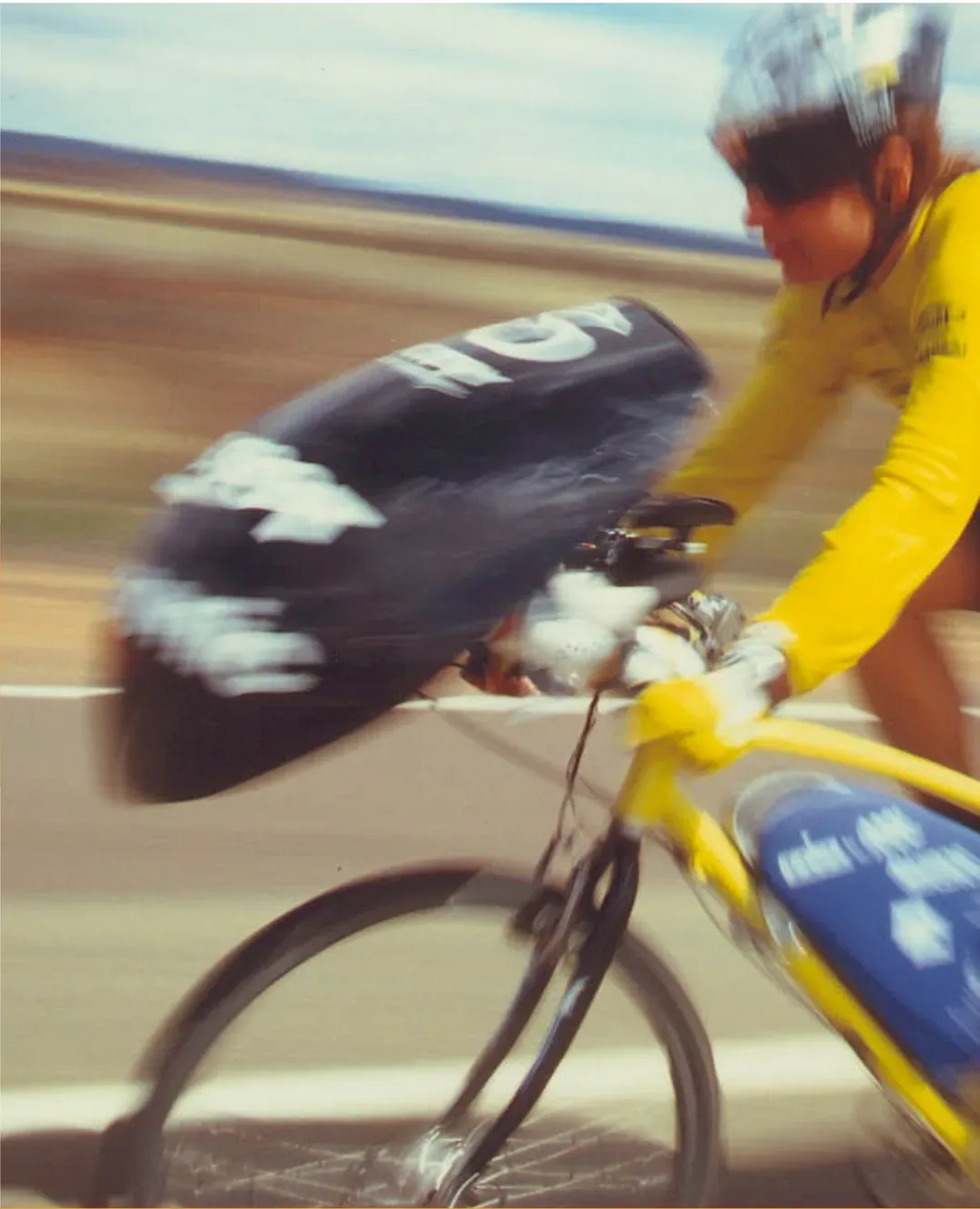
Creaholic led the technical and logistical development of the solar bicycle, then field-tested it over 1,750 km in Australia's World Solar Cycle Challenge.
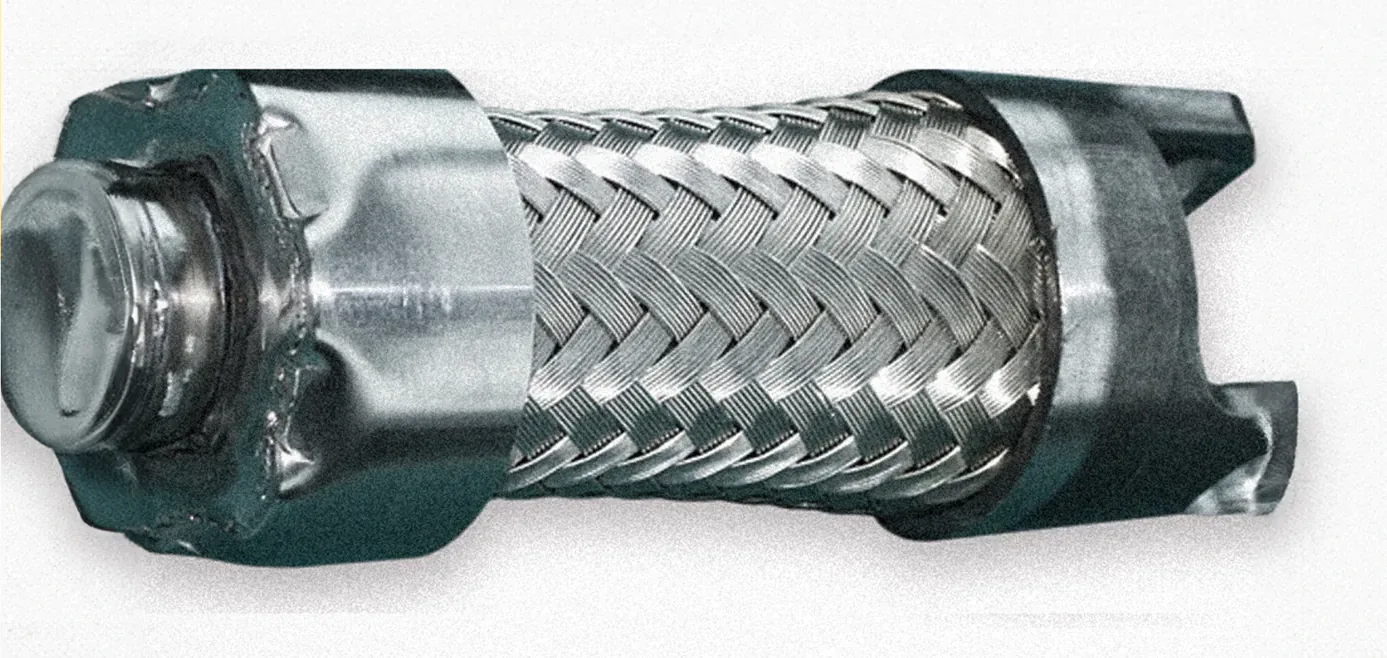
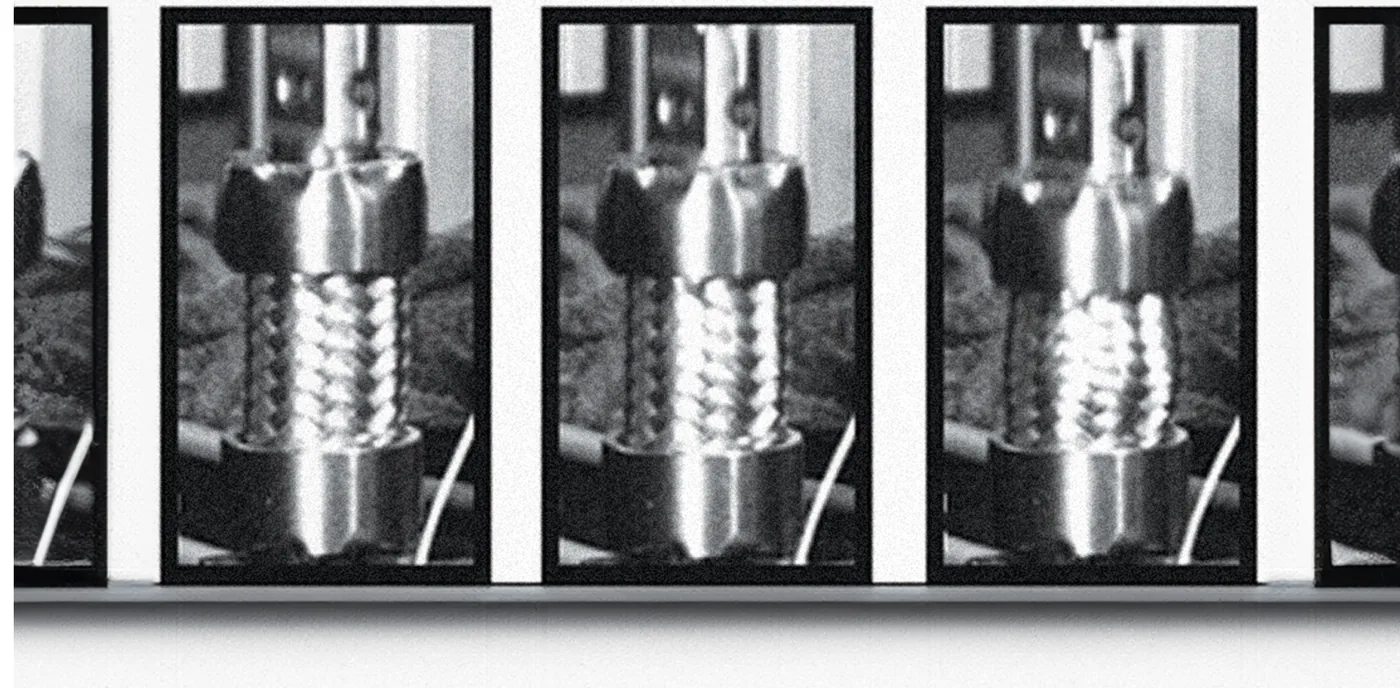
With Krupp Presta and BMW, a new system to collapse the car steering column during an accident.
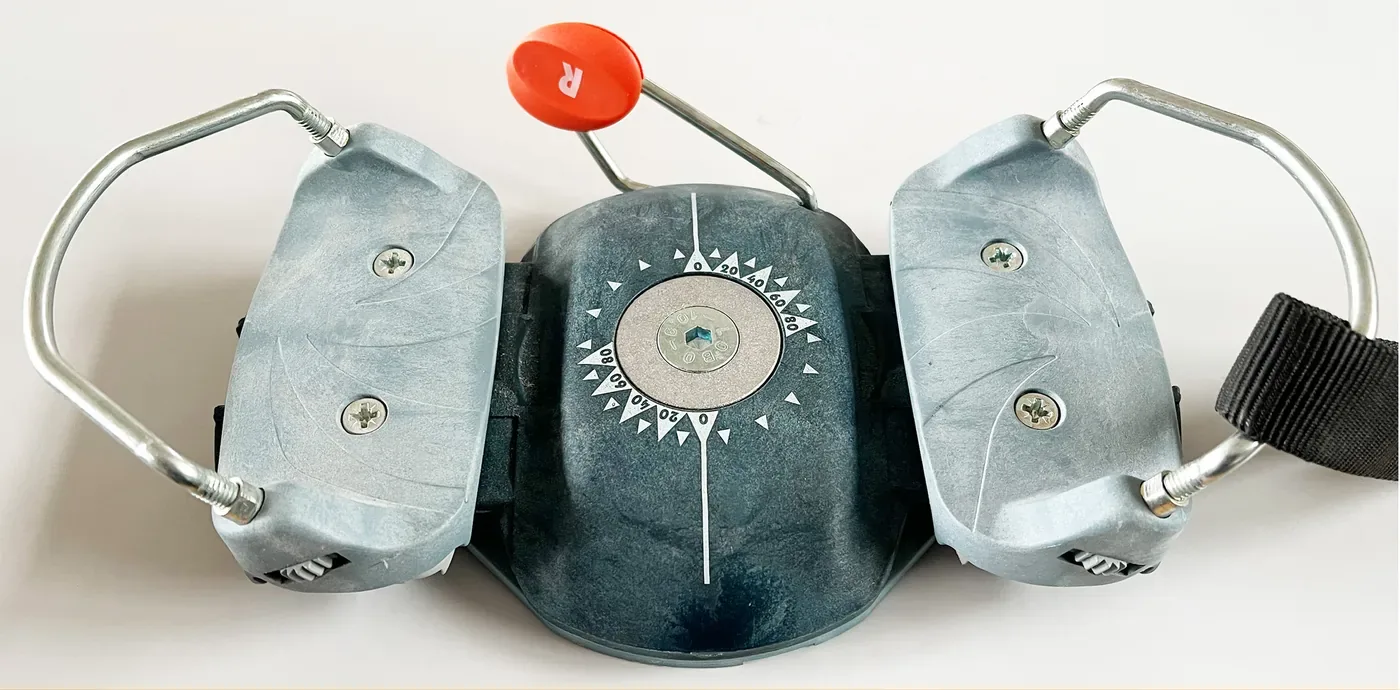
A new snowboard binding that works across a far wider range of boot sizes and shapes.
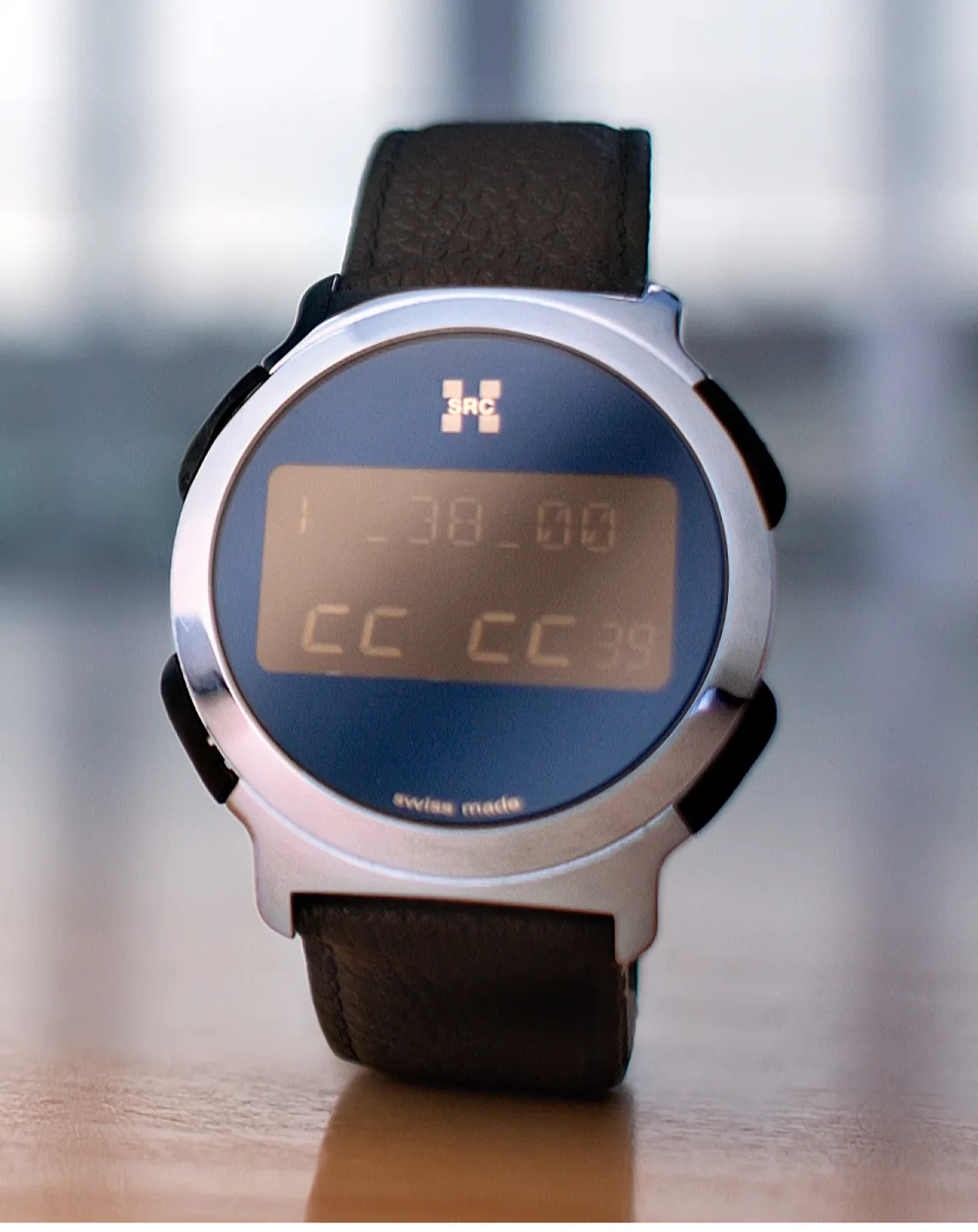
It tracks listening habits by compressing and storing audio data, using low-power signal processing and pattern matching.
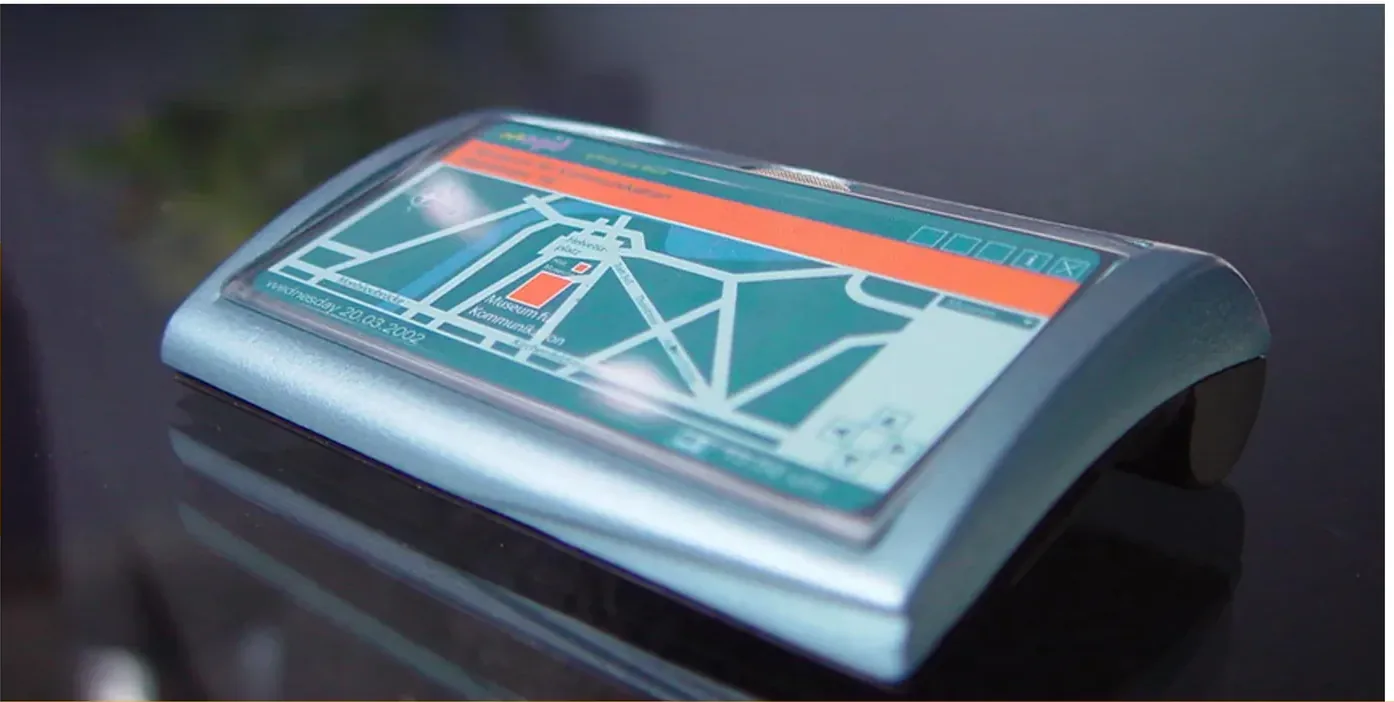
A new device built around a GSM-based positioning system.
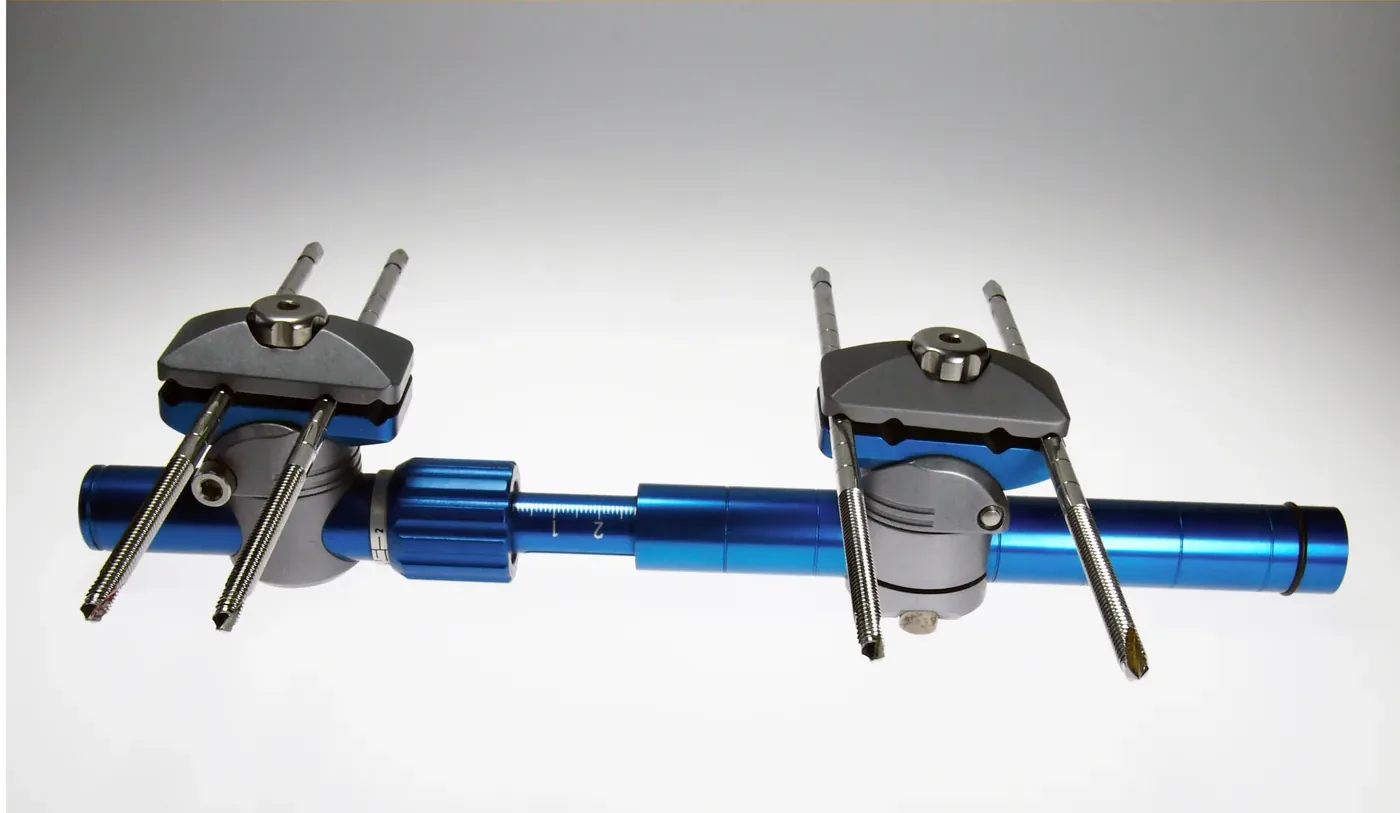
Stryker's radiolucent, lightweight external fixation system used high-performance plastics for a next generation of trauma care.
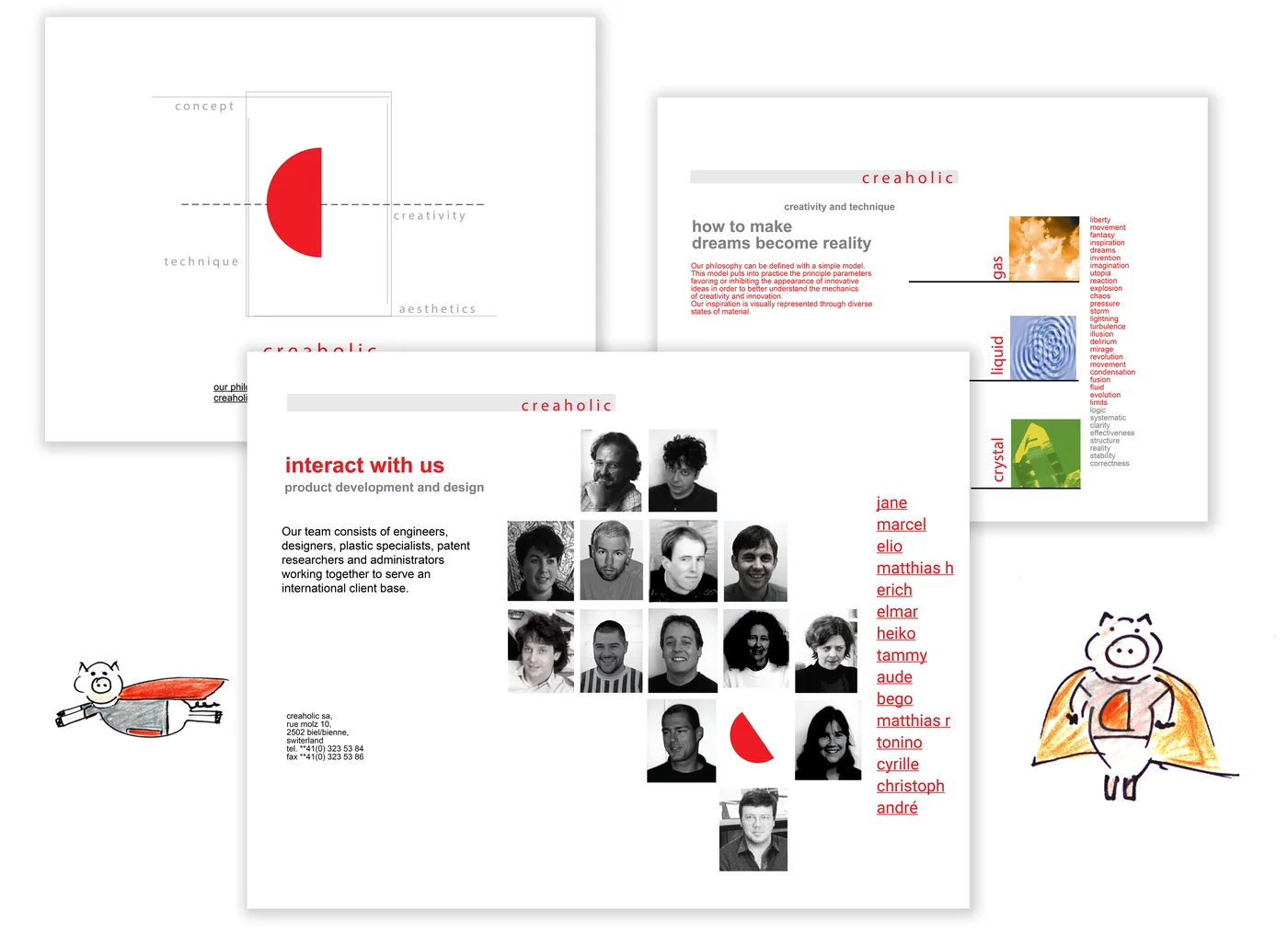
A rebrand with a business card of its own and a redesigned website - the first time the Gas-Liquid-Solid approach was built into the innovation process itself.
Chapter 04
2000–2005
A former soap works becomes the studio. Bone welding gets its first proof - on meat from the butcher down the road.
Founded in these years
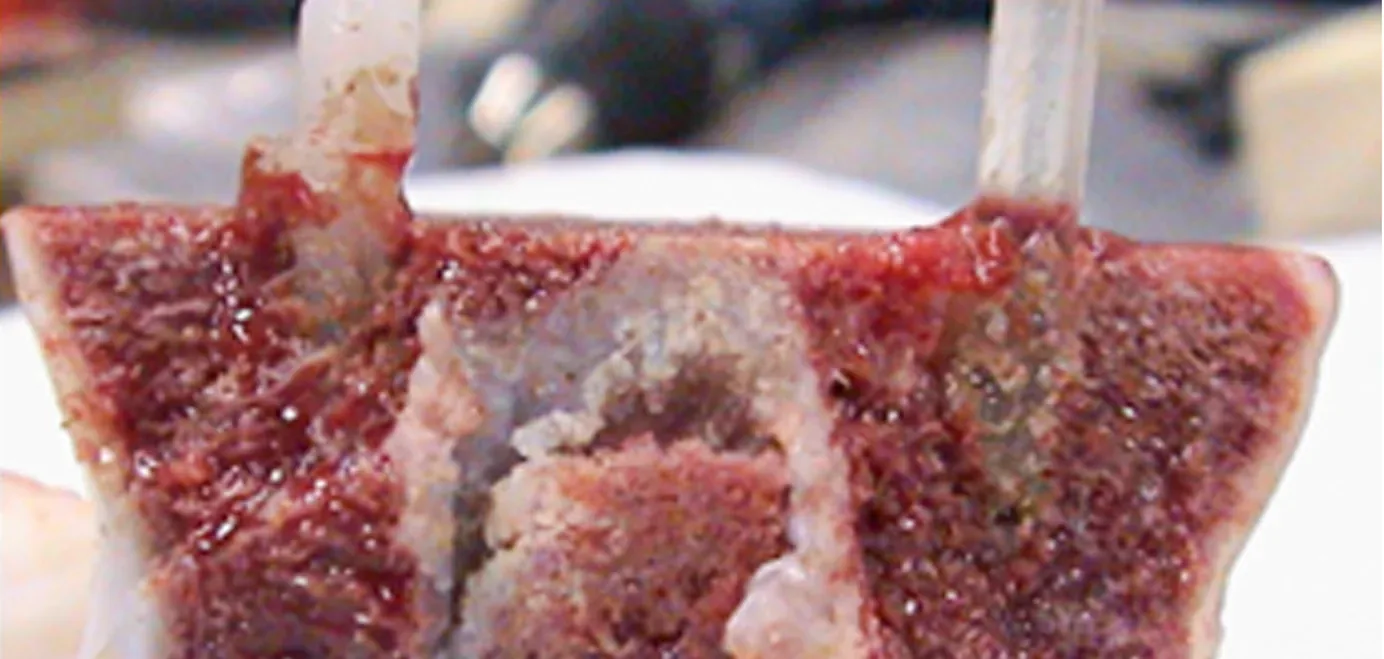
BoneWelding's first successful tests were run on bones bought at the local butcher.
The Gas-Liquid-Solid approach moved into a newly designed logo, and a flower became the way the company describes its own structure: petals are the projects, leaves the team, roots the foundation and the values.
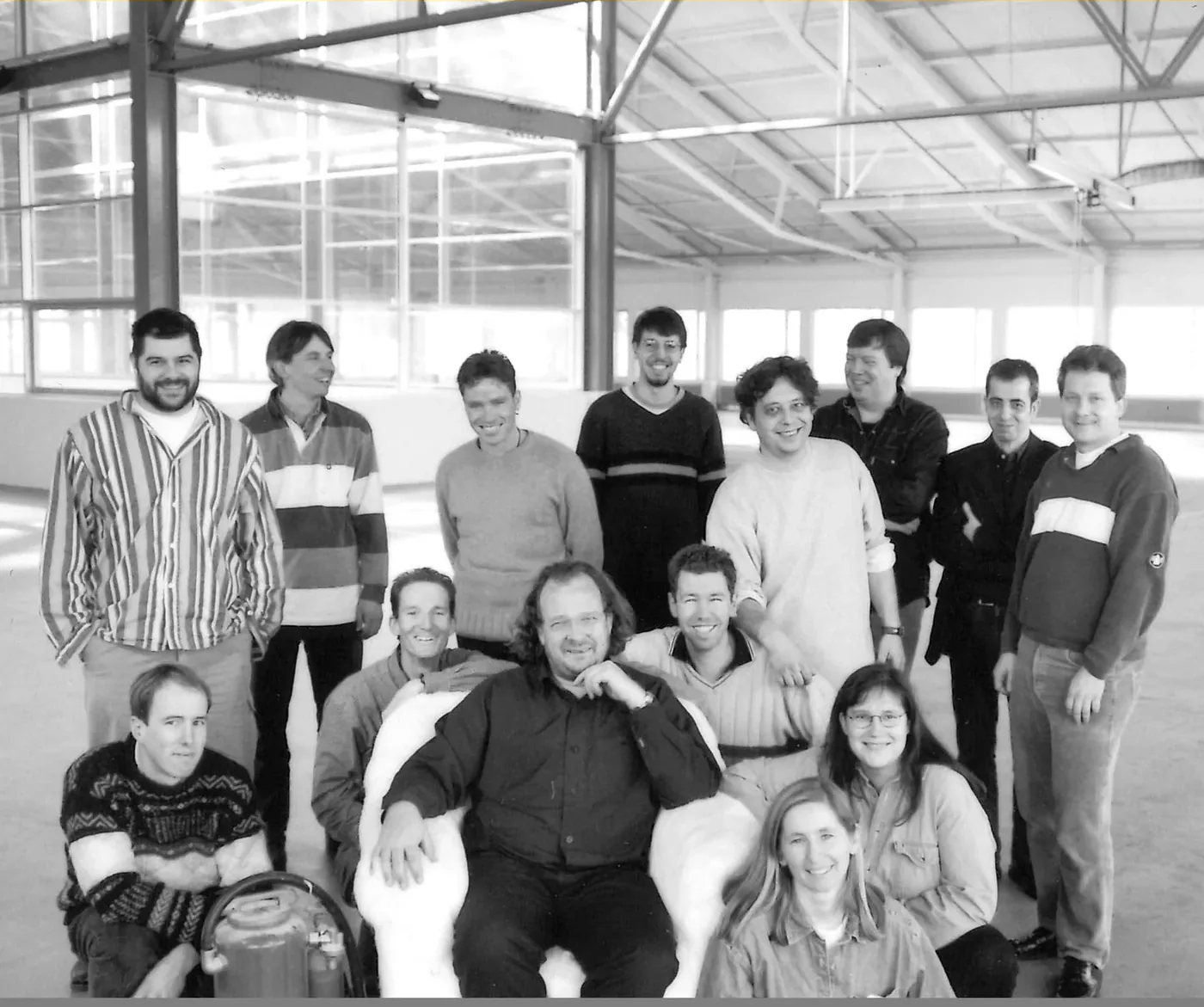
The move to the Soapfactory. Its historic industrial character gives the work a room to happen in.
For Stryker Orthopedic. By reducing friction and balancing weight against durability, the instrument improves surgical precision, portability and sterilisation - for surgeons and patients both.
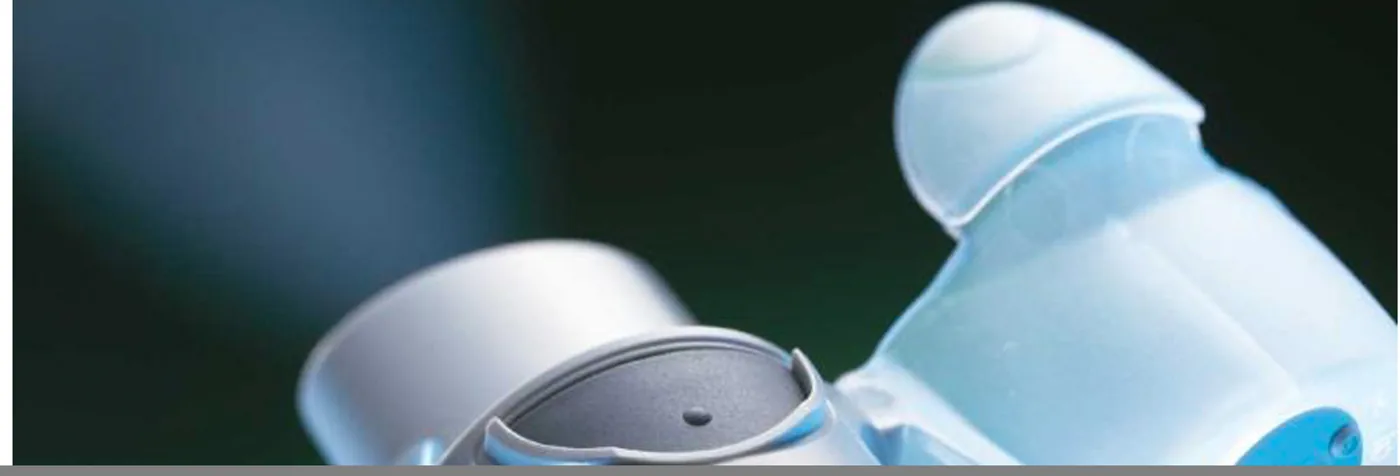
Optimisation of the production process for the pressure-compensated cartridges used in inhaler devices.
A piezoelectric microfluidic pump that oscillates a funnel to eject liquid droplets continuously.
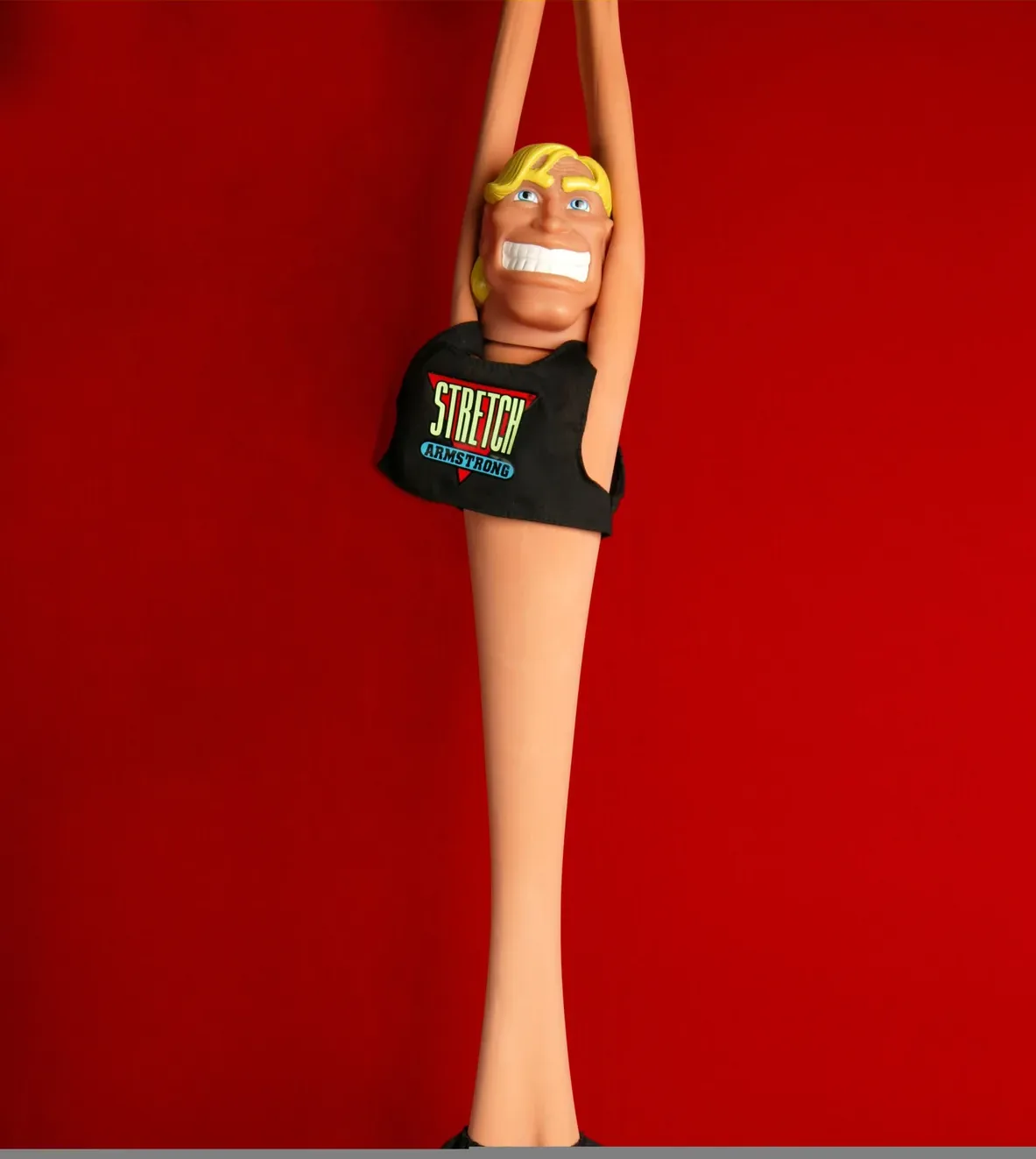
Integrating the electronics into the Armstrong dolls, which talk, sing or howl when they are stretched or squeezed.
A patented audio-recognition system that uses fingerprint analysis to identify songs, deliver music information, streamline reporting and support buying music online.
The Multidirectional Wheel System, developed with Mikron: an intuitive, feature-rich scroll wheel built into Logitech's keyboards.
Fixation and tensioning devices for a fabric covering, developed to take the wrinkles out of it.
Chapter 05
2005–2010
Ultrasound collects its prizes, and a shower head begins a project that ends, two decades later, in a sale to L'Oréal.
Founded in these years

WoodWelding takes the High-Tech/Biotech category, for an ultrasonic process that bonds bone and wood alike - the same technology, working in a hospital and on a building site.
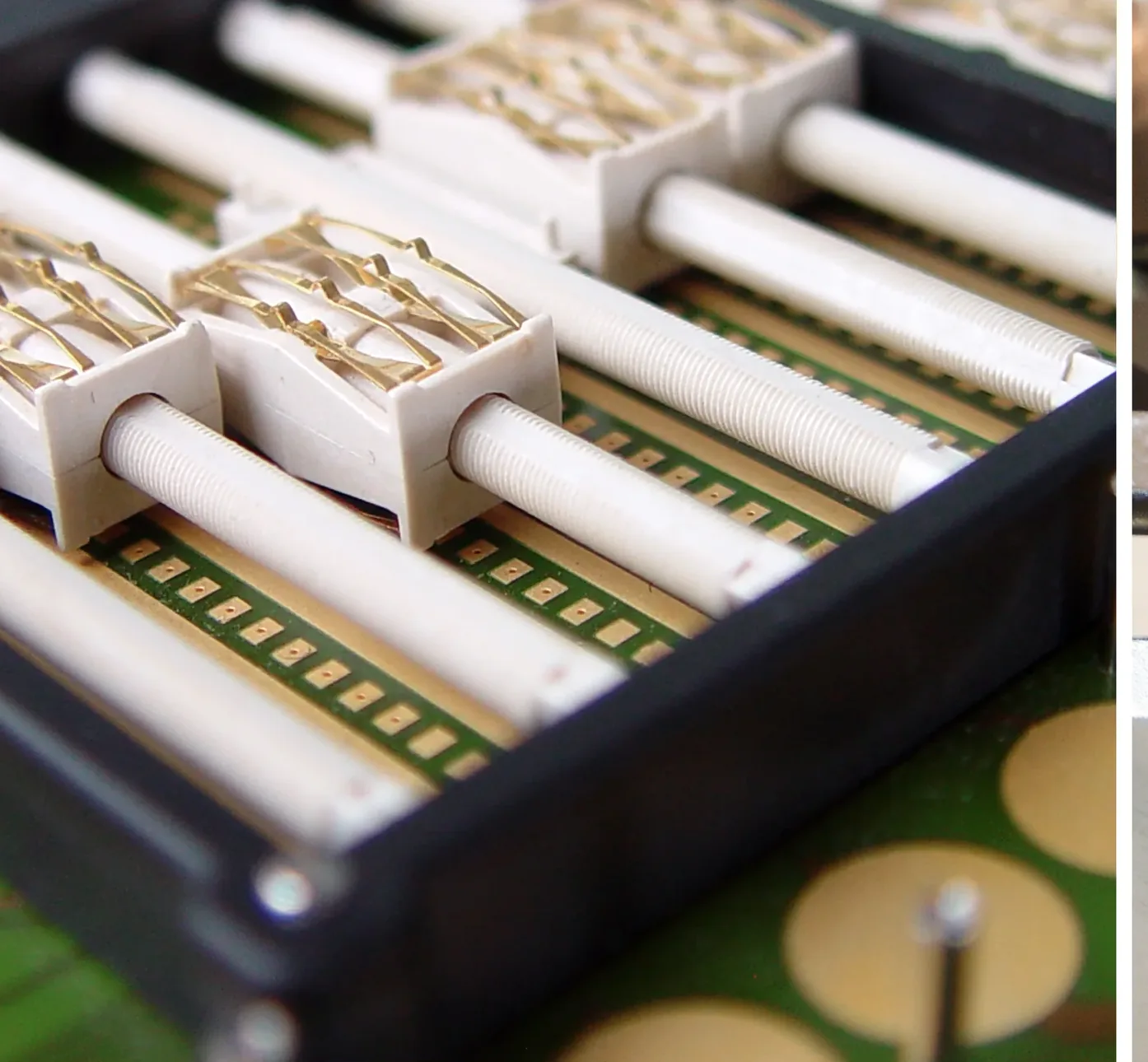
An automated matrix connector for the last mile of a telecommunication network.
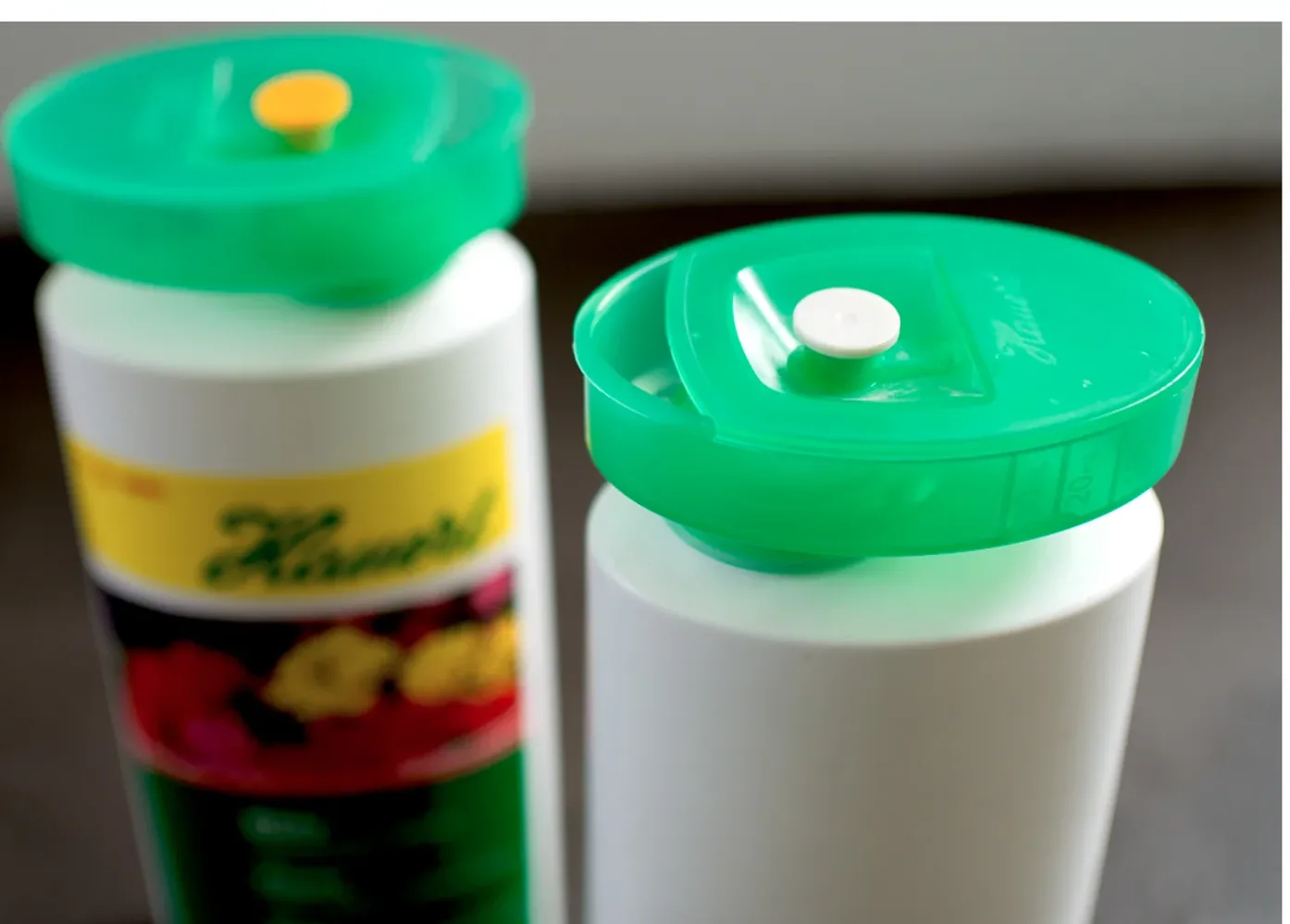
A dosing system with the measuring cap built in, so liquid fertiliser can be measured and poured without the mess.
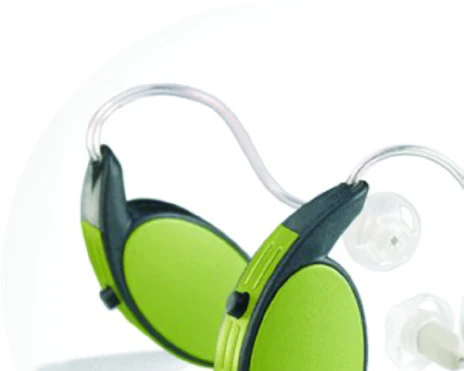
Advanced automatic sound processing in a rounded, visually distinctive shell that sits comfortably on the ear. Red Dot design award winner, 2007.
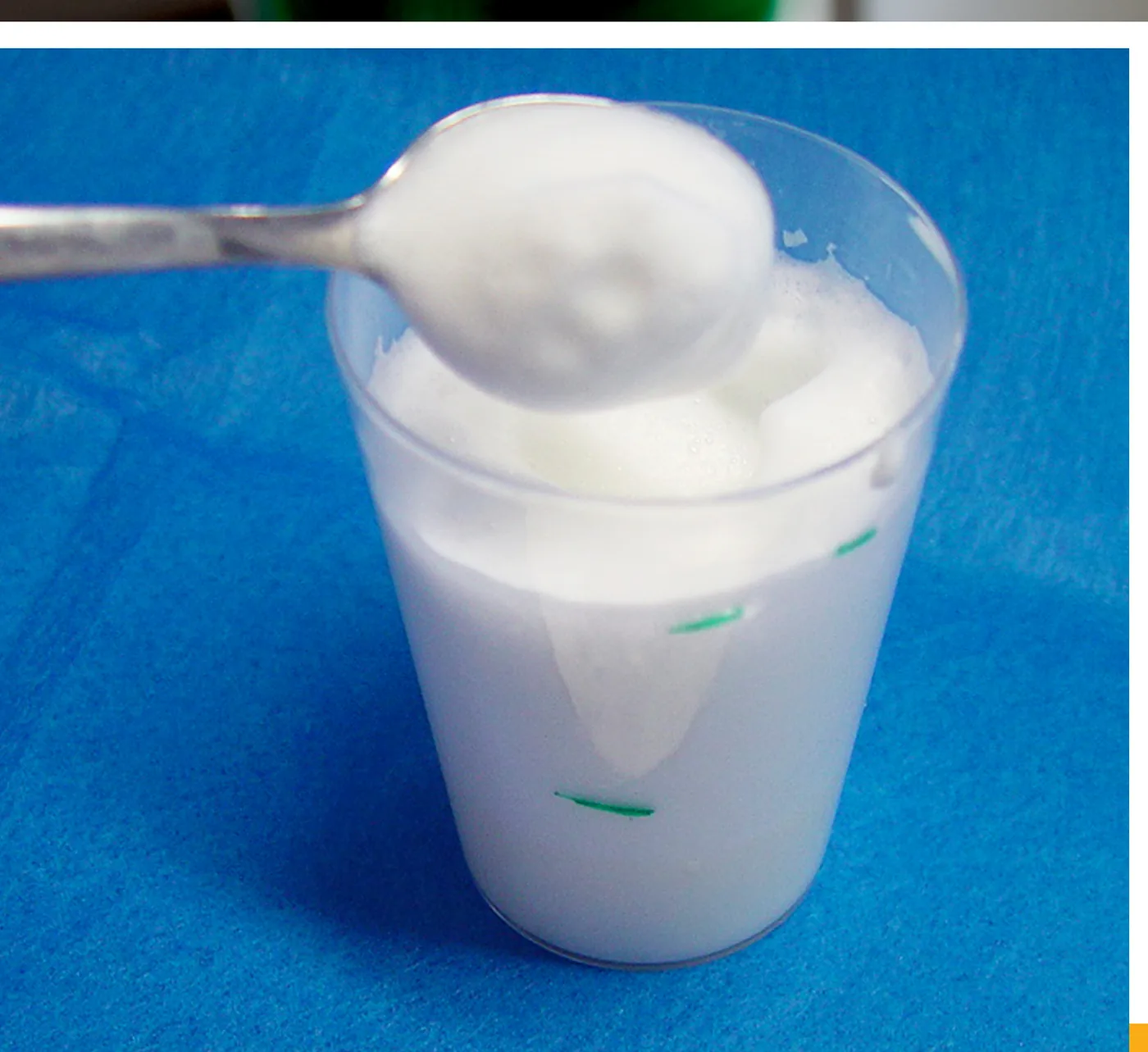
An extensive exploration of milk foaming from portion packs.
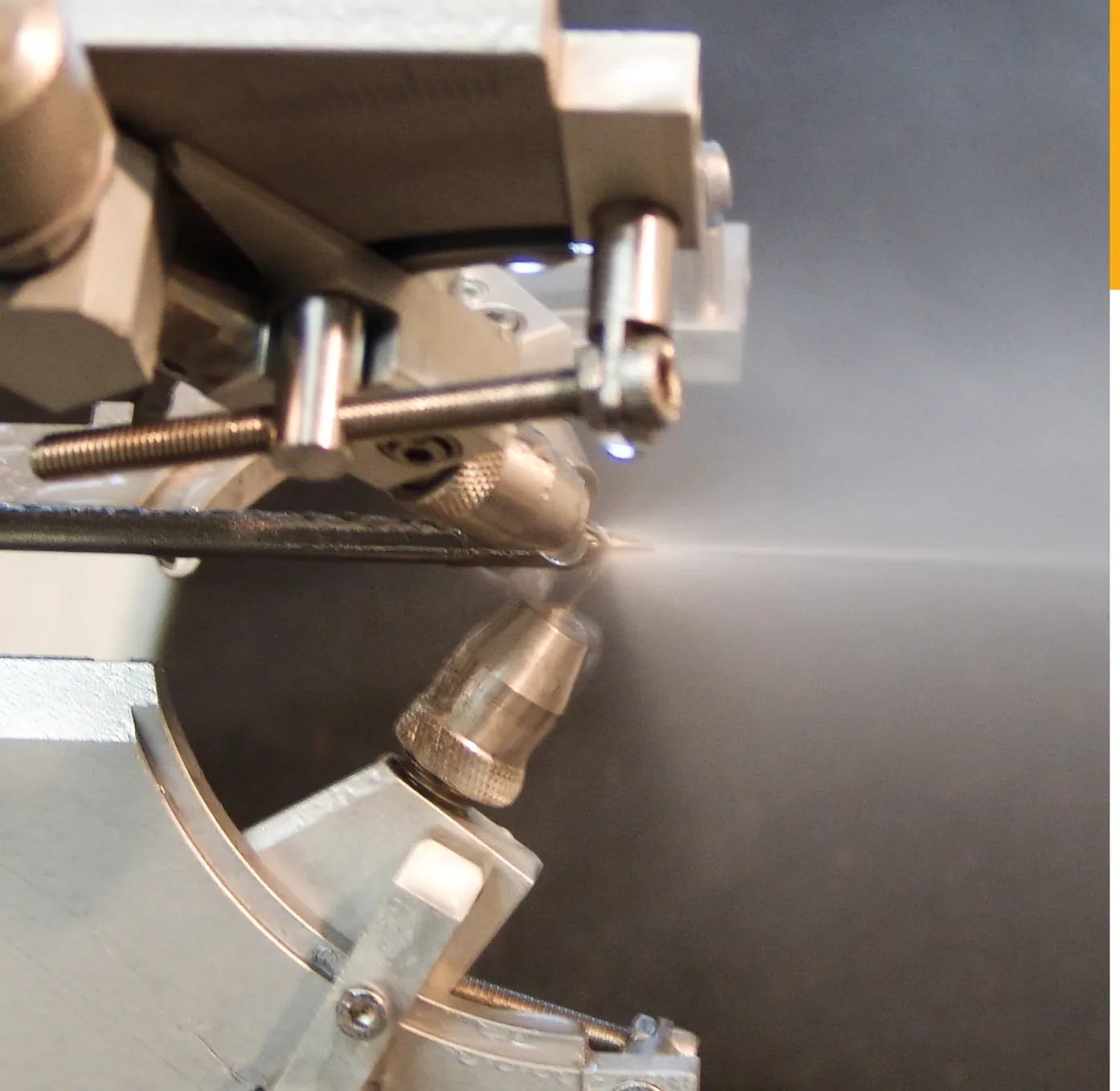
Development begins on a water-saving system inspired by space technology, atomising water through impinging jets. It becomes Gjosa - and, in 2026, is acquired by L'Oréal.
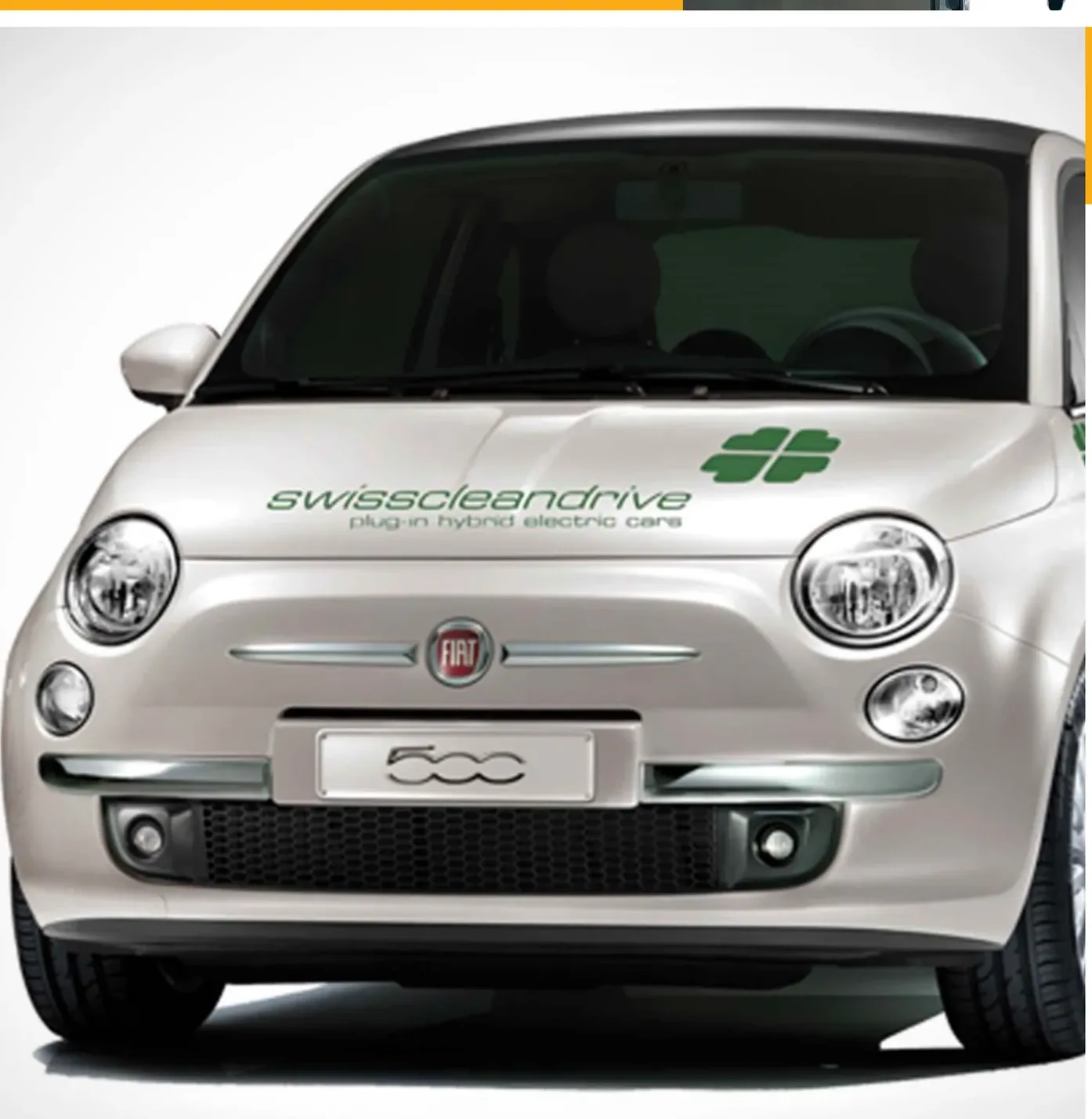
Conceiving, building and fitting an electric drive to a Fiat 500 to turn it into a plug-in parallel hybrid.
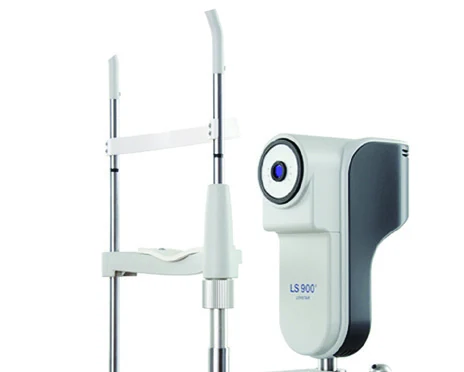
Design and development of an ergonomic laser optic device that lets ophthalmologists take a range of optical measurements. Red Dot honourable mention, 2009.
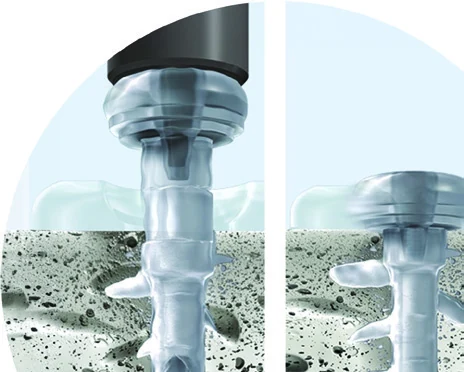
A fast, high-rigidity fixation procedure for skull surgery, built on WoodWelding's joining technology with biodegradable thermoplastic elements.
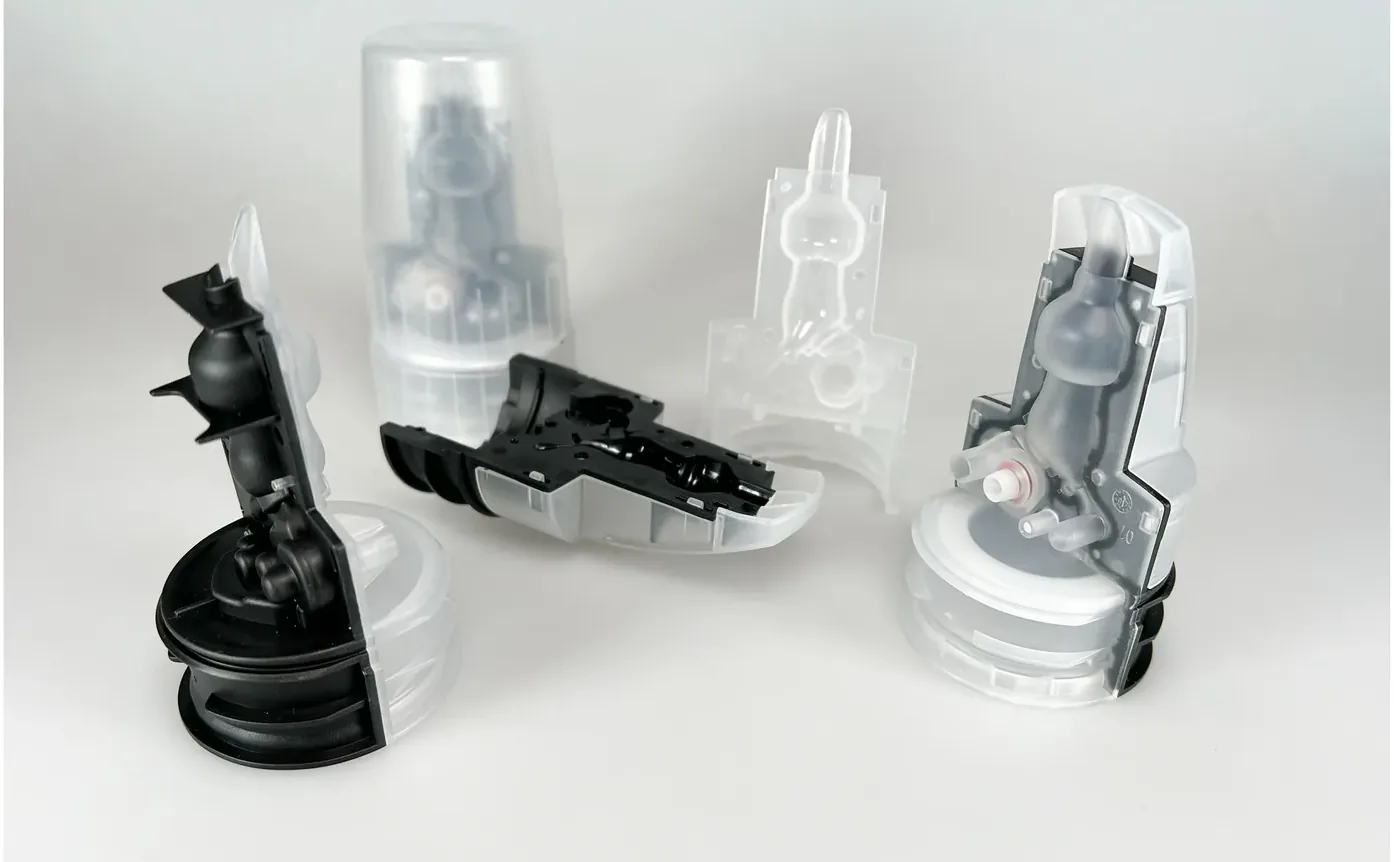
A mixing cap for concentrate, developed for Nestlé, becomes the base IP for the Smixin hand-washing system.
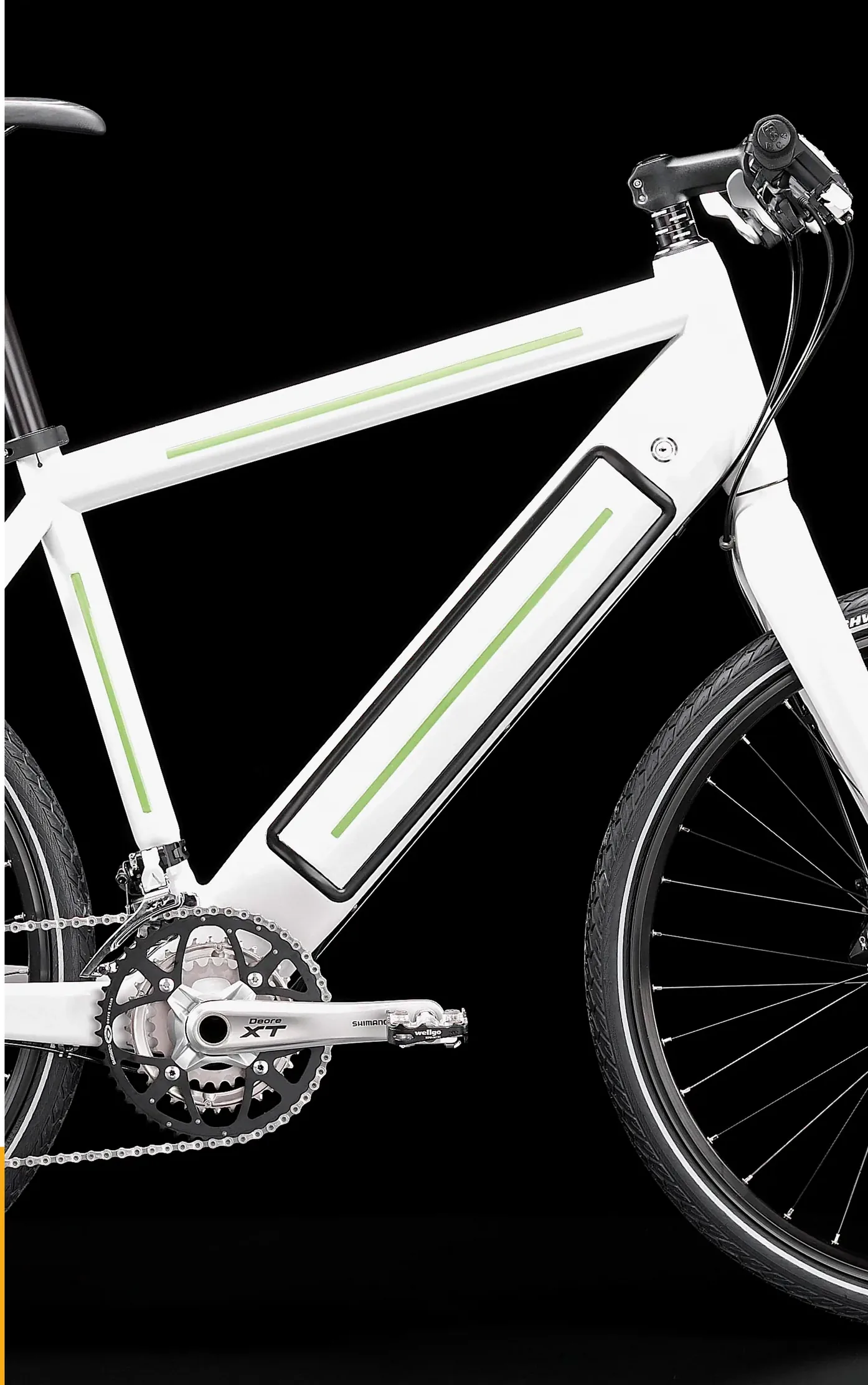
Design and development of the discreet, fully concealed and replaceable battery system for the first Stromer e-bike.
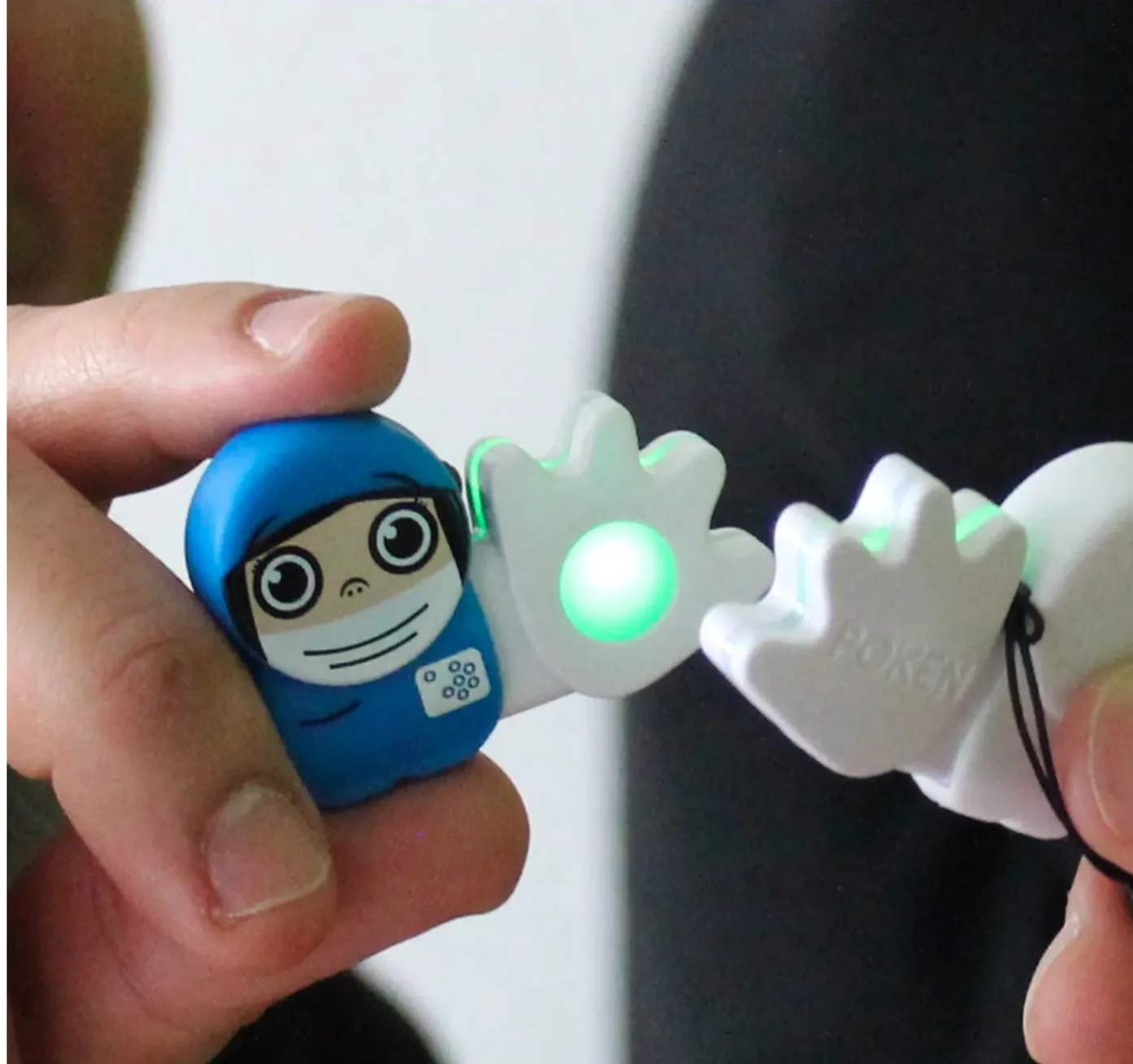
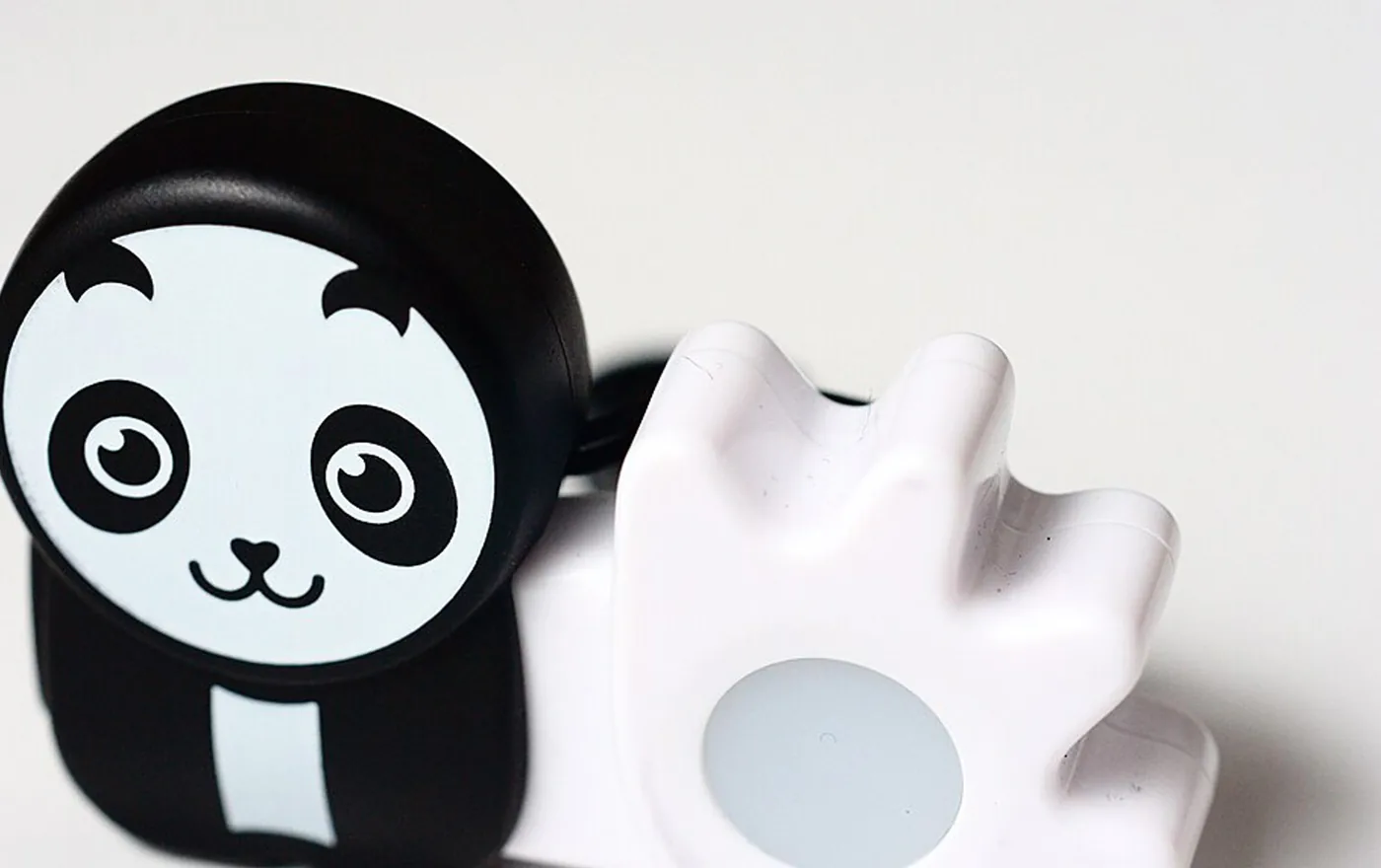
A social networking device that lets two people swap their details by touching one to the other.
Chapter 06
2010–2015
The company names what it does - and writes the method down, as seventy-two cards anyone can run a workshop from.
Founded in these years
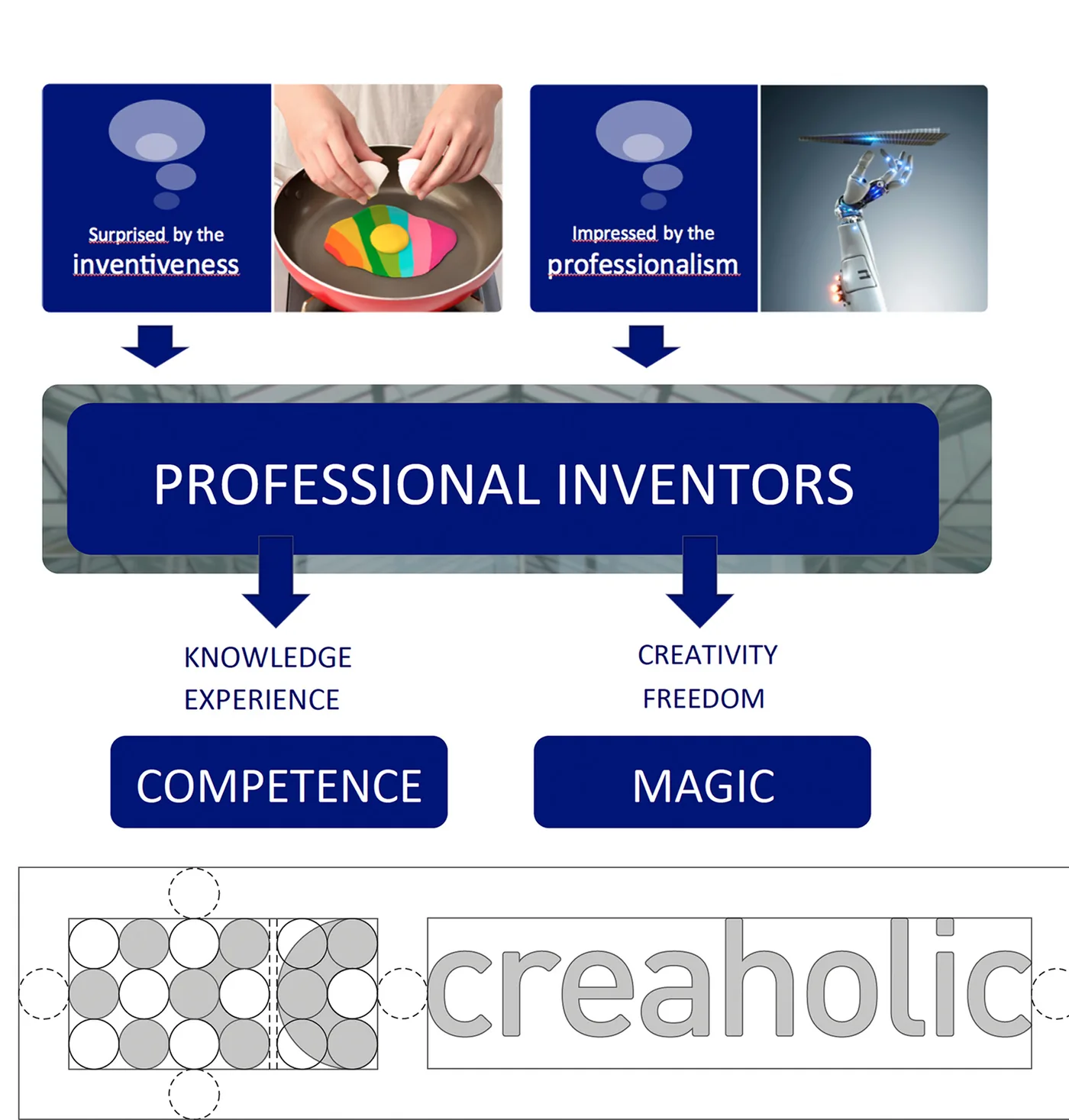
Creaholic rebrands around a phrase its own clients had been using: professional inventors. Knowledge and experience on one side, creativity and freedom on the other.

A future digital access system that tracks a passenger's journey and bills it automatically.
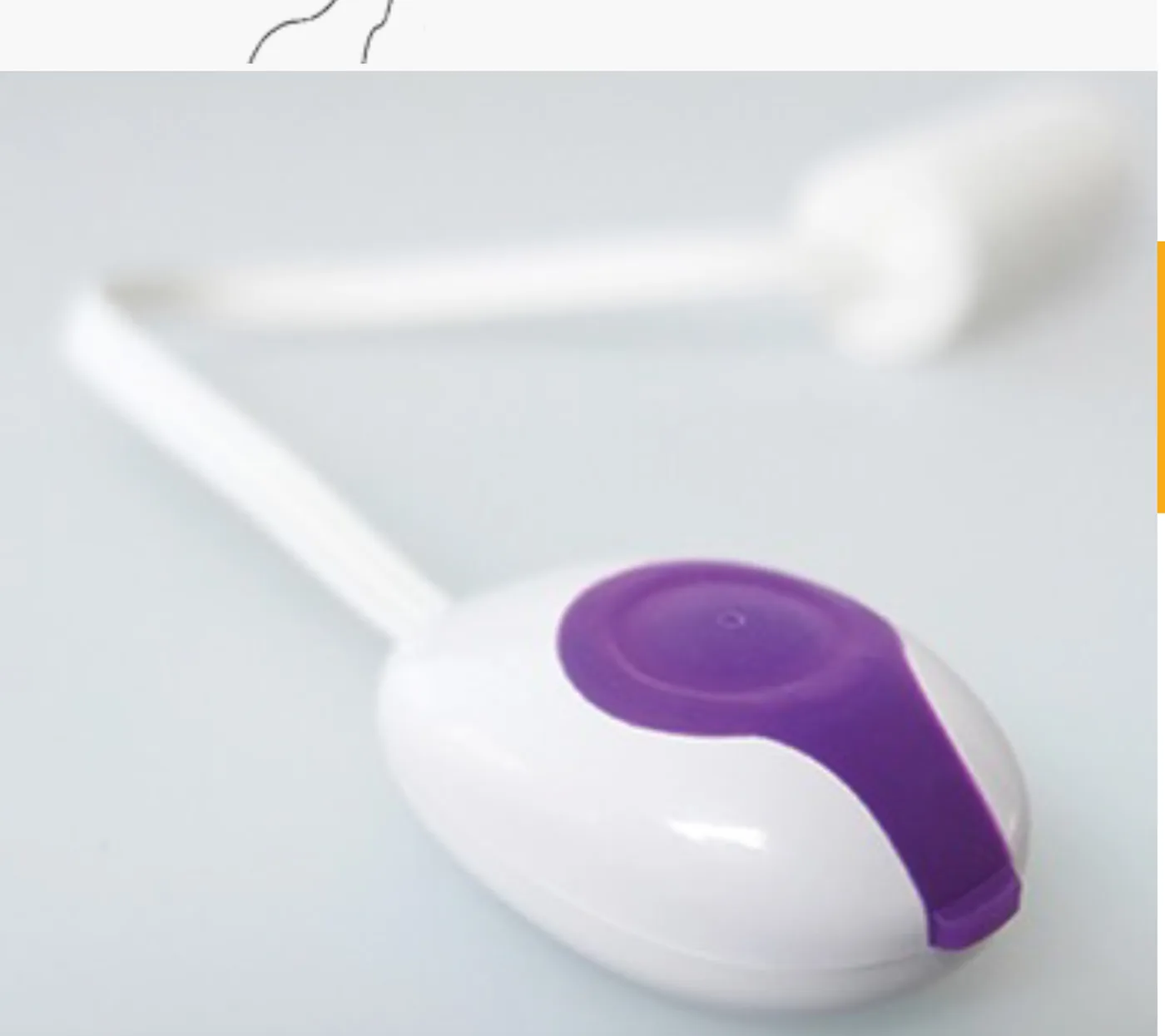
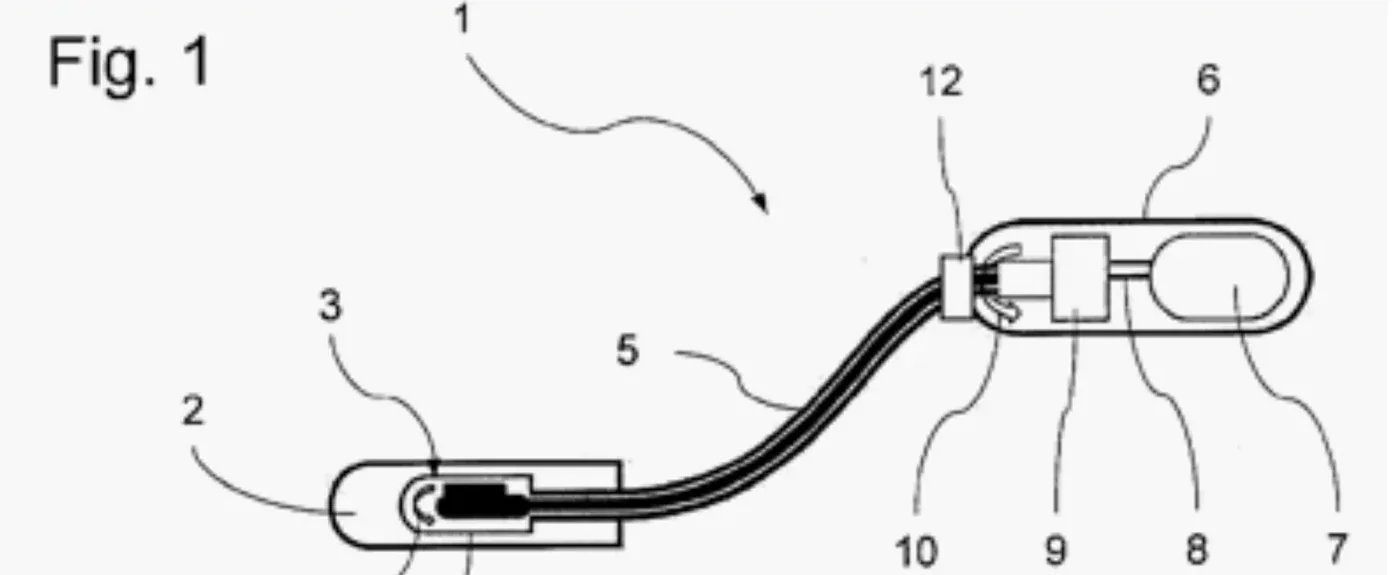
A discreet vibration-based device to ease menstrual cramps, opening new IP and green patent ground along the way.
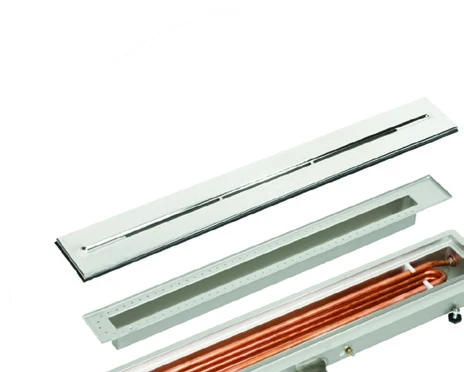
Joulia takes the heat out of shower water on its way down the drain and puts it into the cold water coming in. Less hot water is needed, and the energy used to heat a shower falls by more than a third.
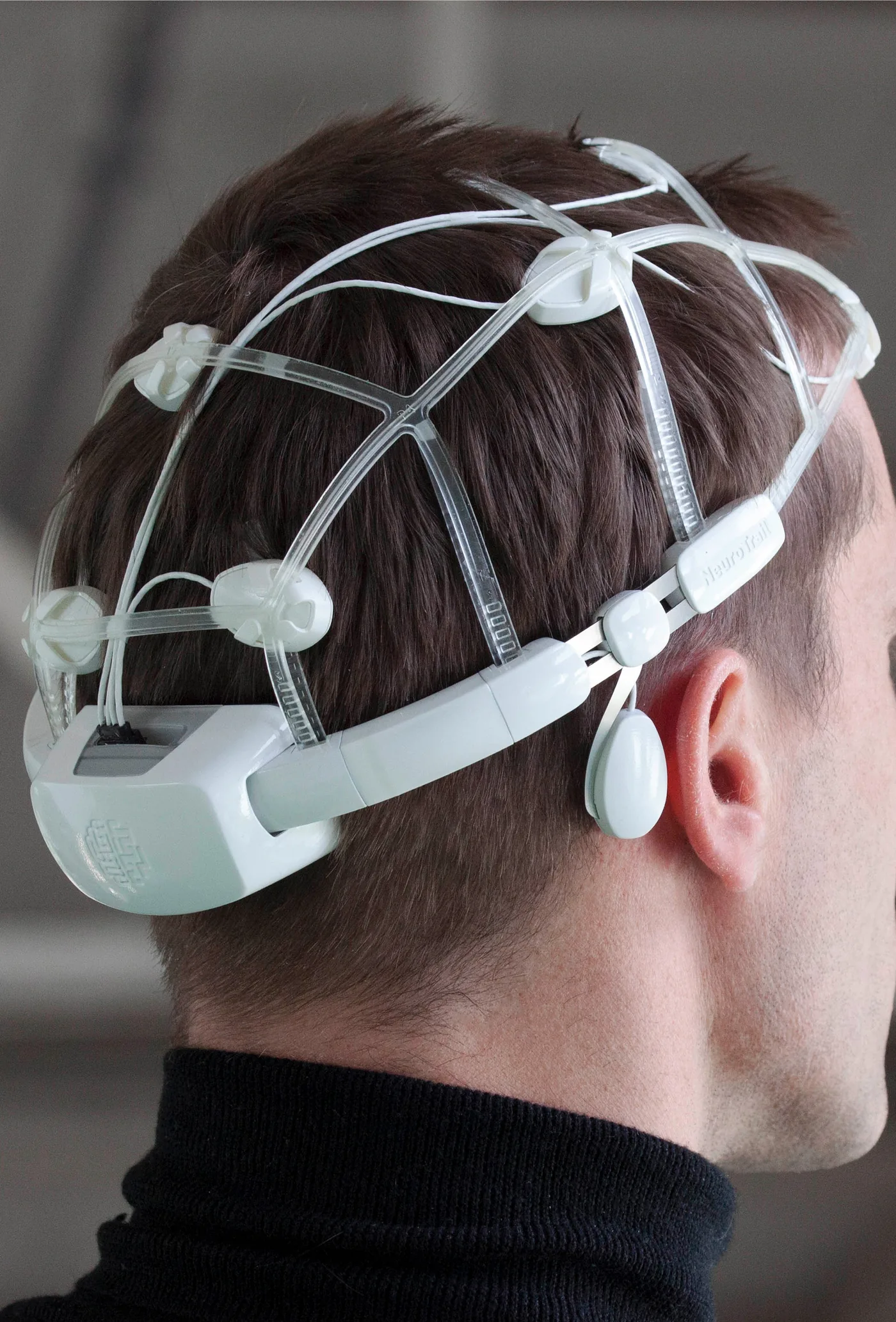
A modular clinical headset for ambulatory brainwave monitoring and early seizure detection, balancing signal quality against something a person can actually wear.
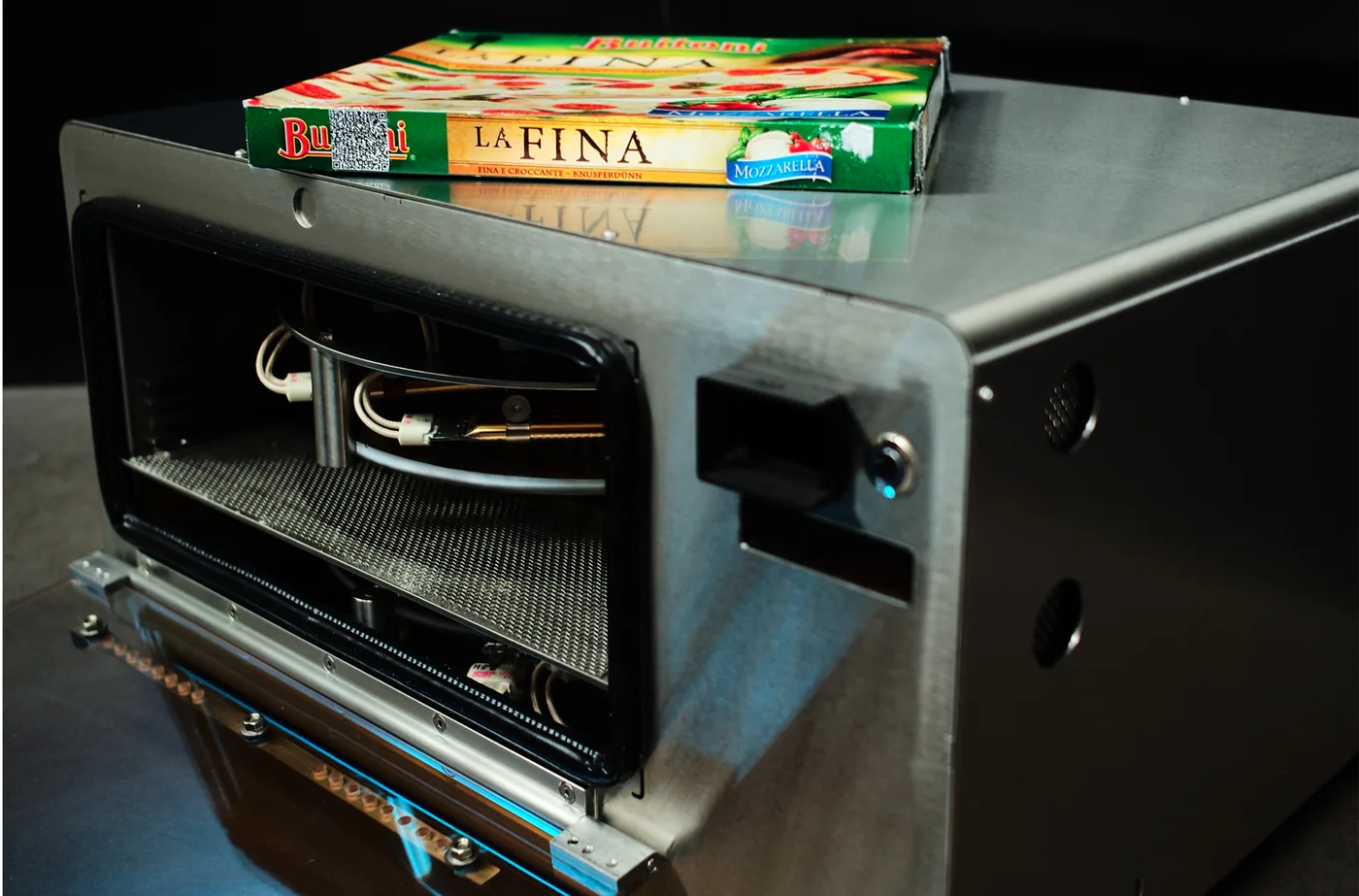
Testing a portable halogen convection cooker to find out what actually governs a good pizza on a kitchen counter.
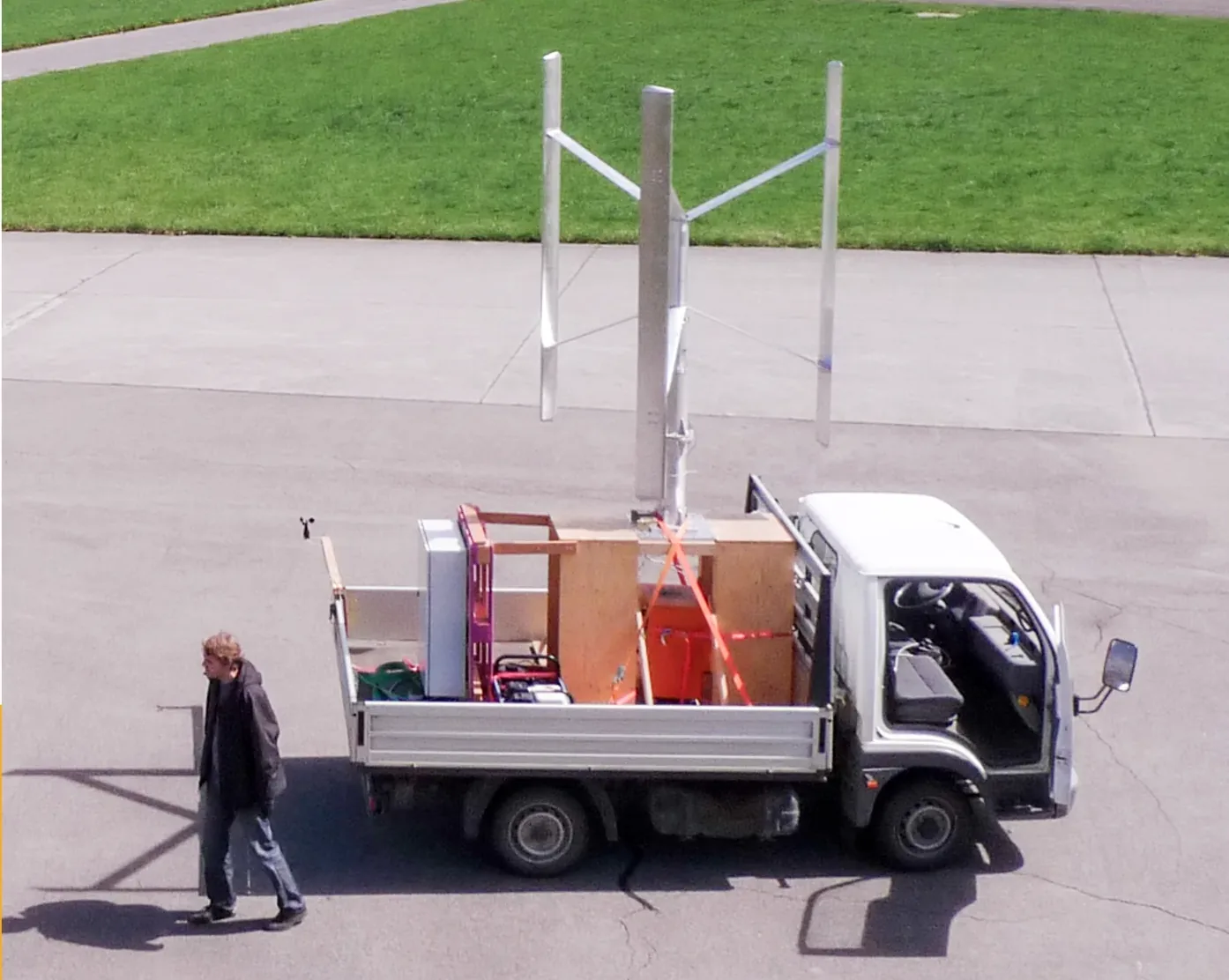
A low-cost, small-scale vertical axis wind turbine.
Seventy-two cards to inspire, plan and facilitate workshops and projects - the Gas phase written down so it can be handed to somebody else.
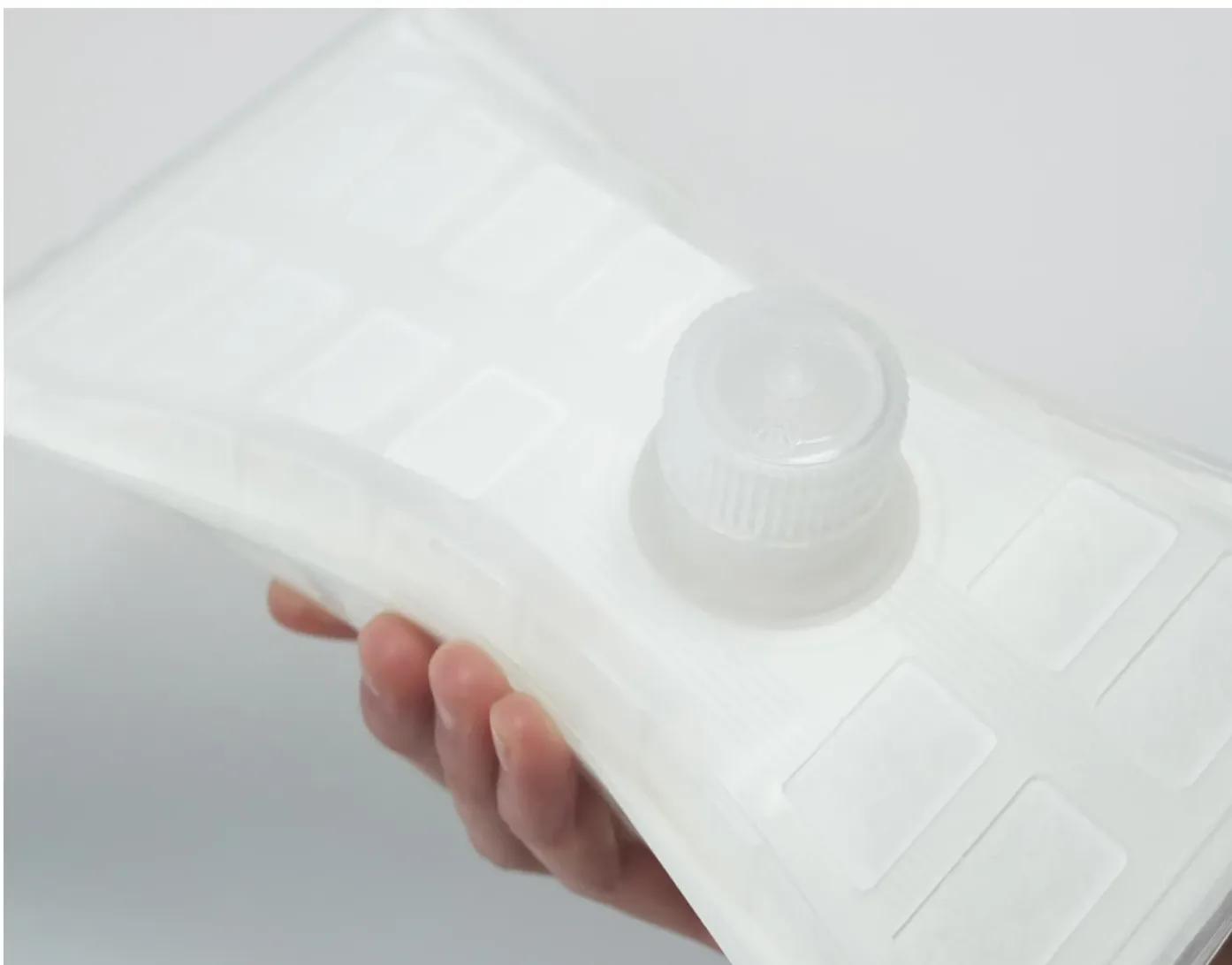
Filtering packaging: a multi-layered membrane covering most of the pack, over an expandable structure.
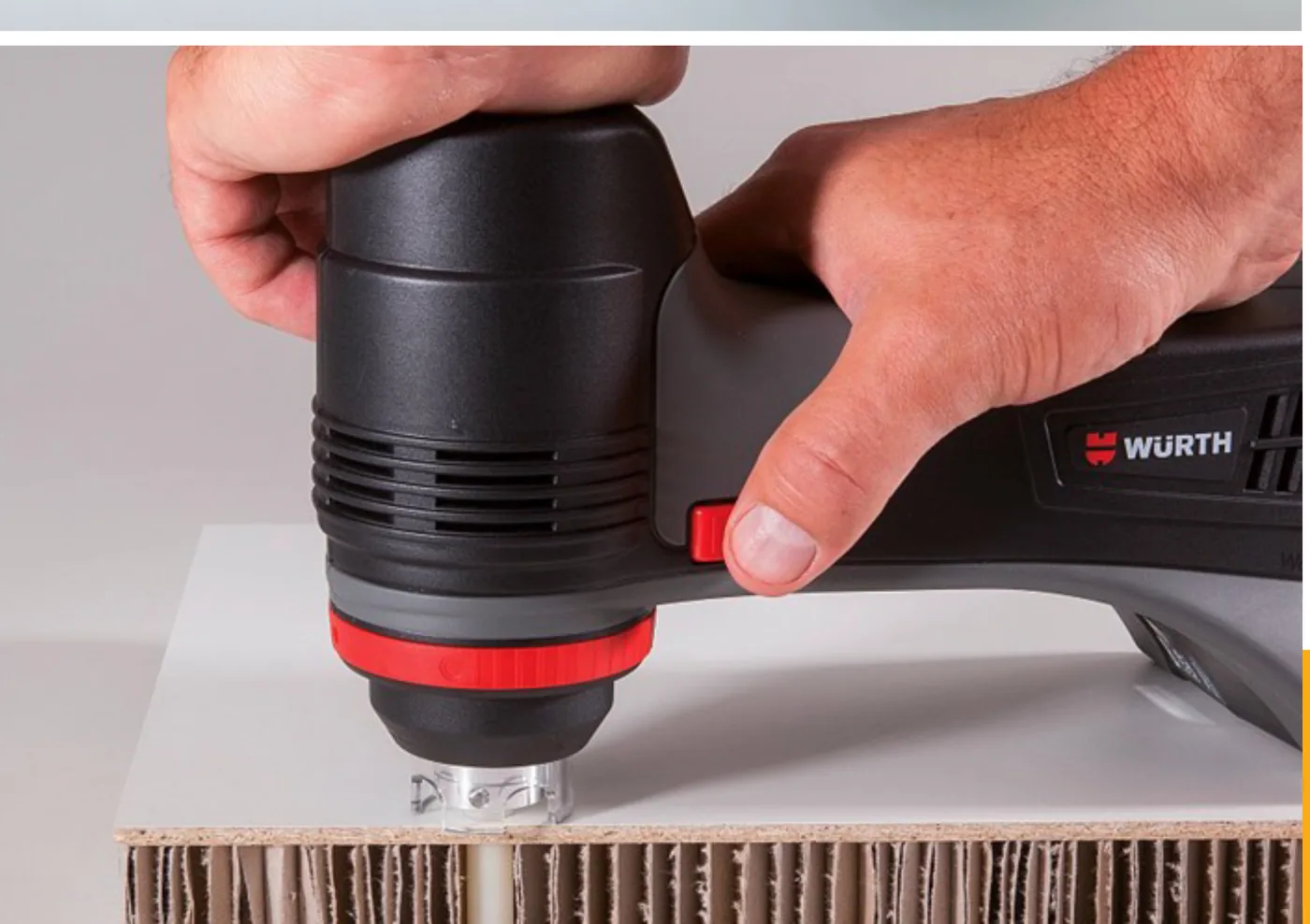
A hand machine for the craft trades, developed with the furniture field and its revolutionary lightweight honeycomb panel in mind.
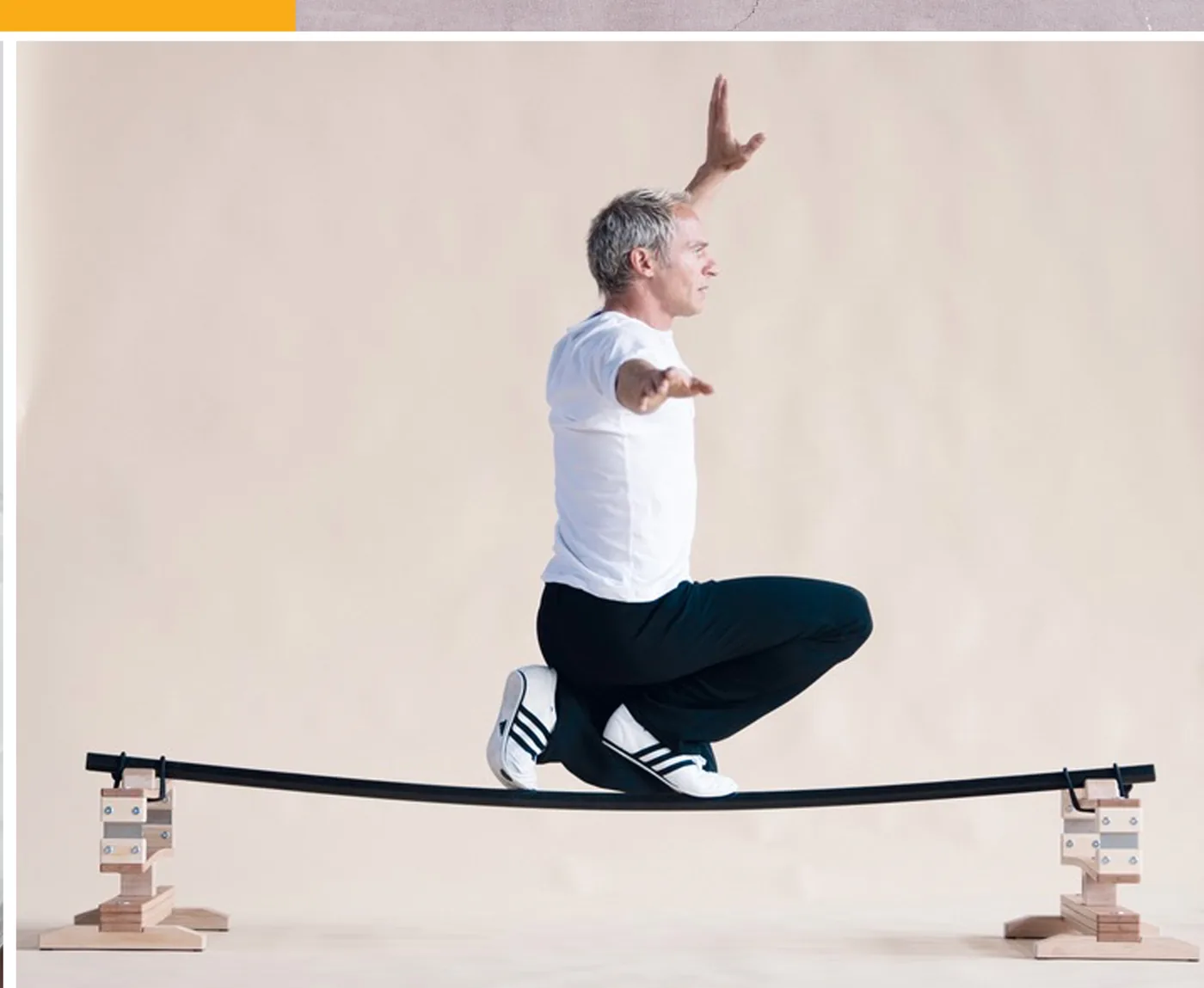
A training device that reproduces the spring of a tensioned high wire, for an artist who needed to rehearse on the ground.
Chapter 07
2015–2020
Swisscom's human-centred design team joins, and four companies leave in the same five years. The house doubles what it knows how to do.
Founded in these years
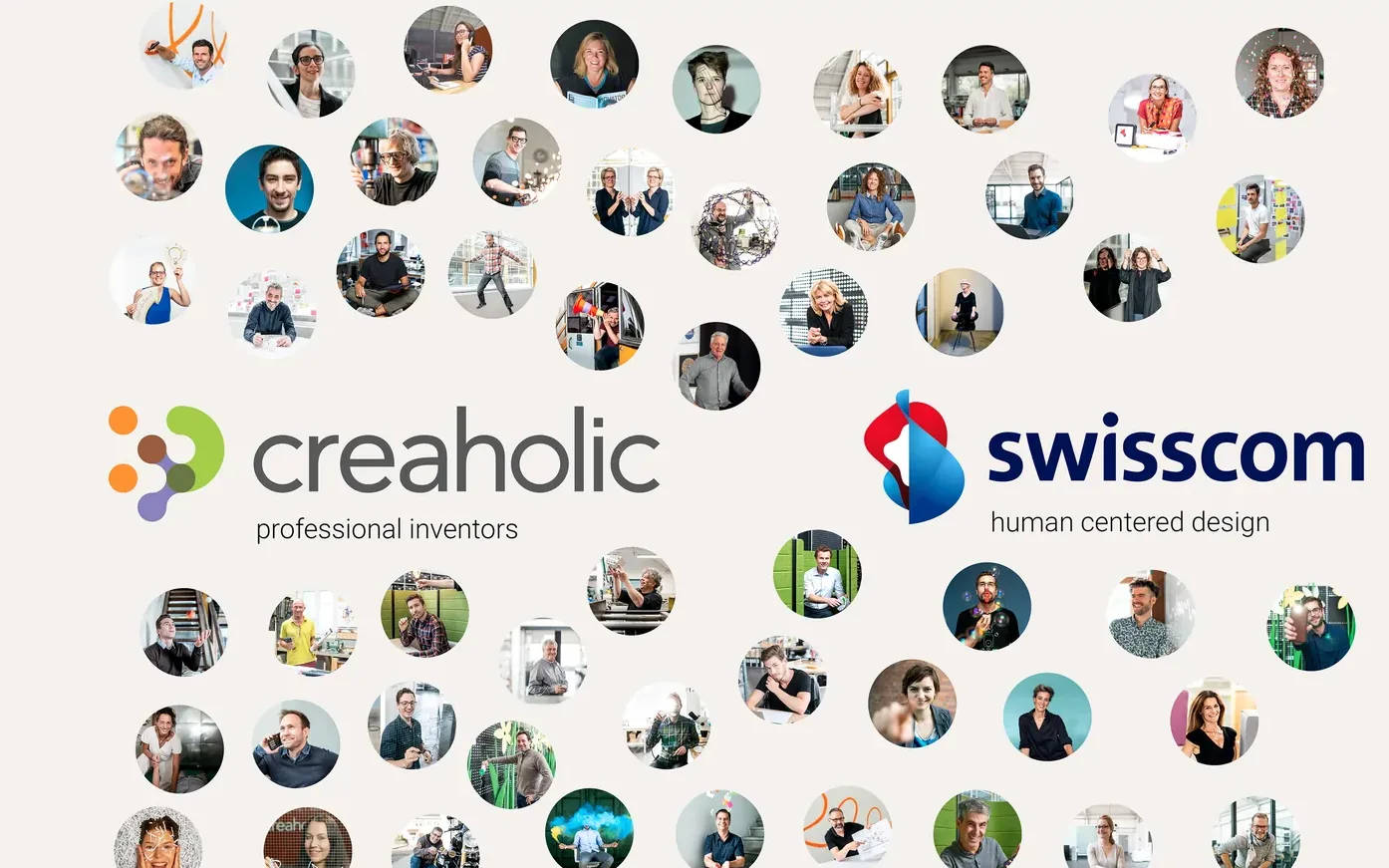
Twenty-five people from Swisscom's Human Centered Design team move to Creaholic, Swisscom takes a five per cent stake, and both sides pool what they know.
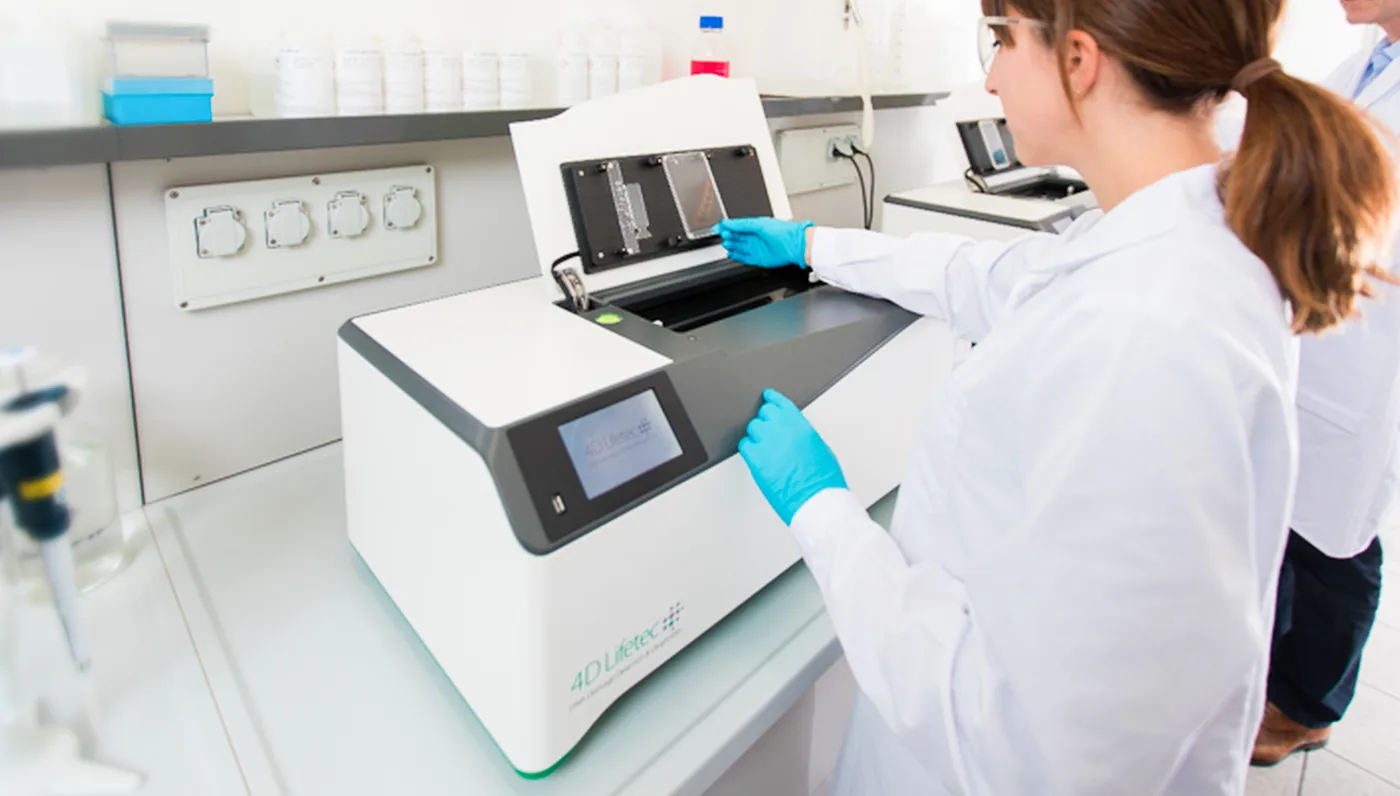
The whole user experience for a laboratory device that detects DNA damage - sophisticated inside, straightforward to use.
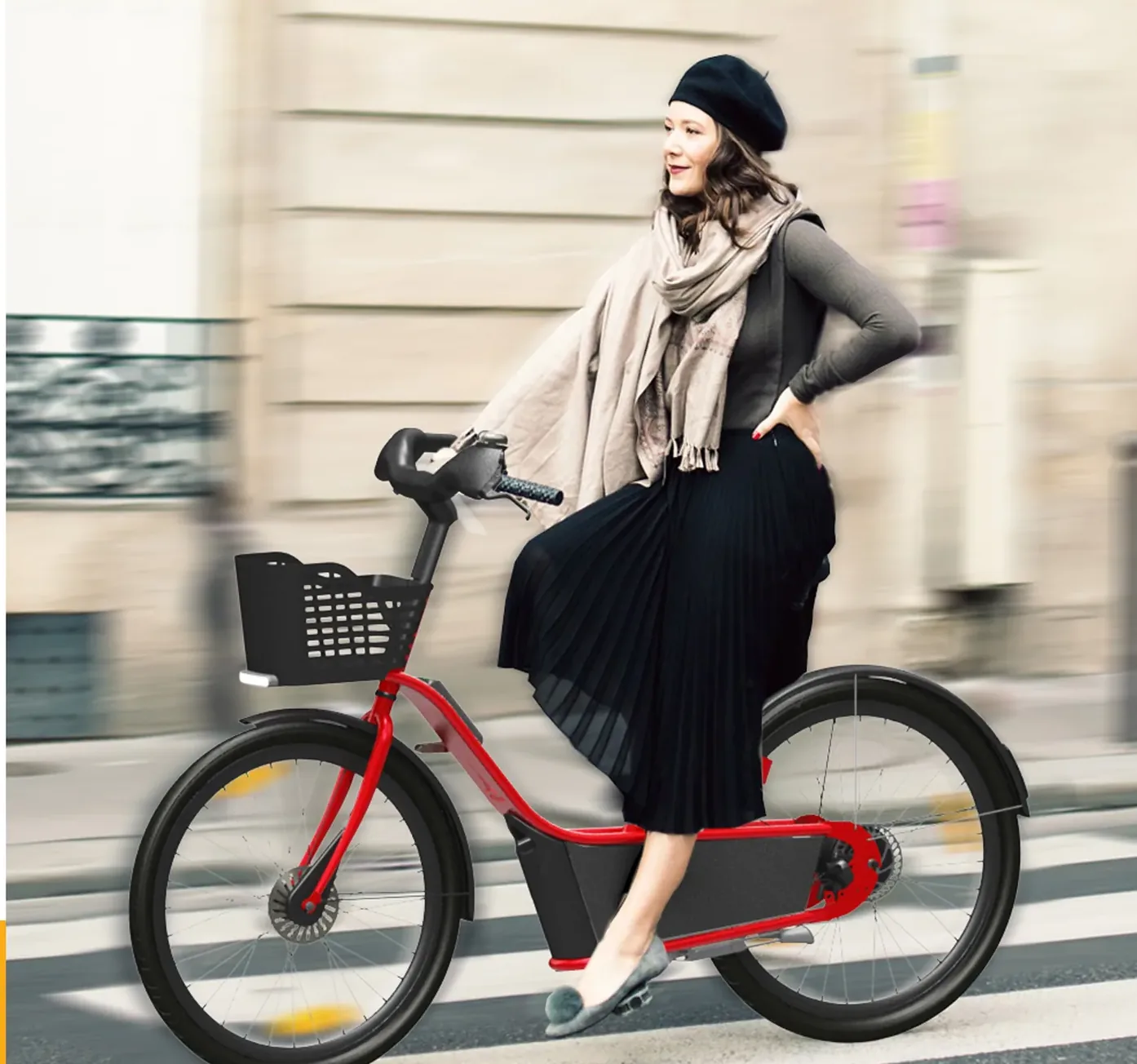
A public e-bike concept for Intermobility's entry in the Paris e-bike competition: a unisex frame that flows, and a battery mounted low for balance.
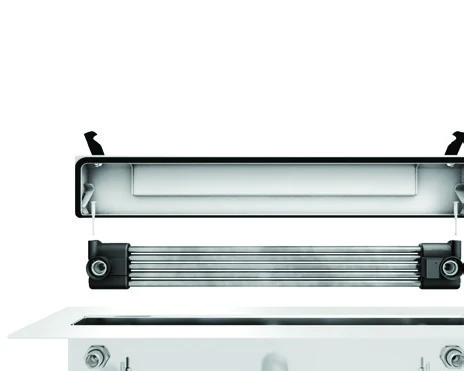
The shower heat-recovery system meets what the market actually asked for: simple, robust, seamlessly integrable, plug-and-play, and easy to maintain.
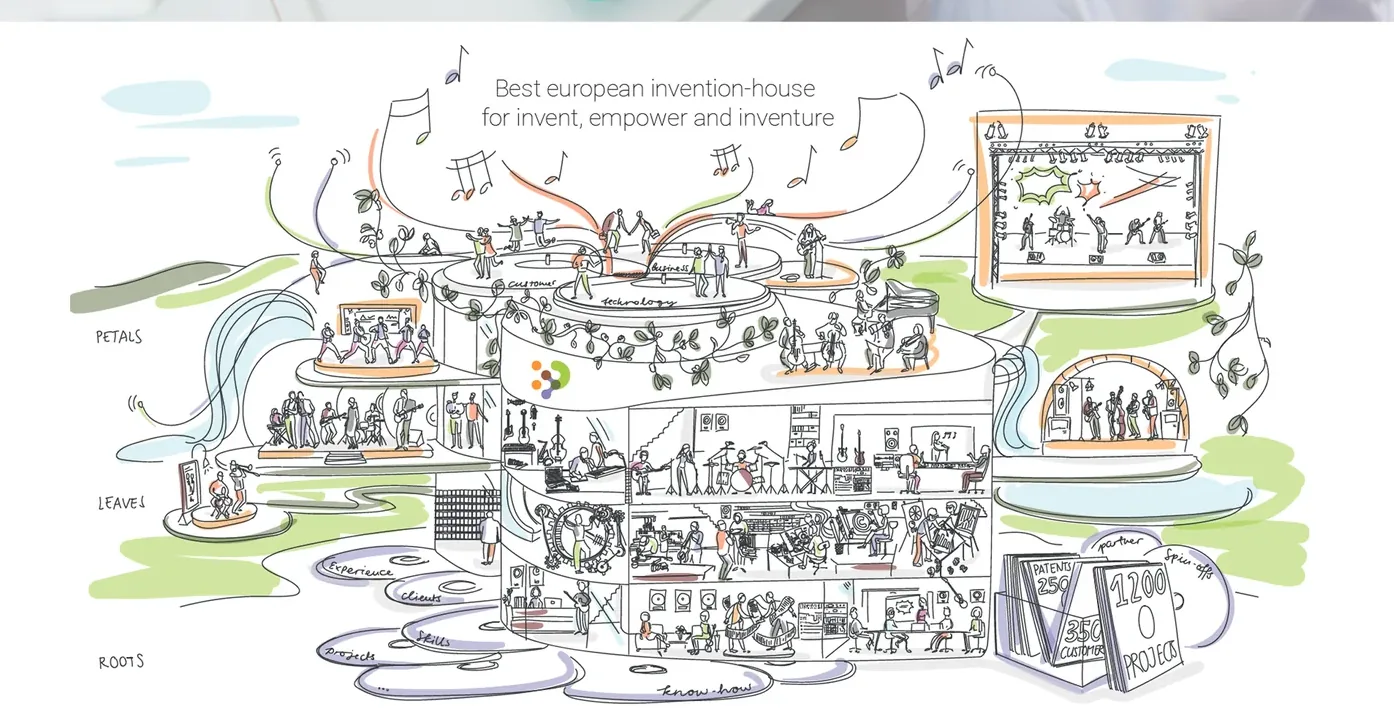
A Creaholic vision project - the invention house drawn as a piece of music.
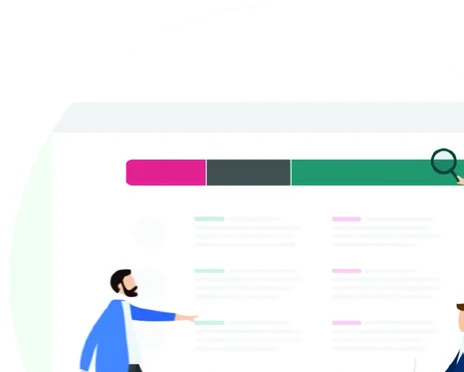
An employee survey tool that changes how companies and the people in them grow: build a survey, gather the insight, act on it.
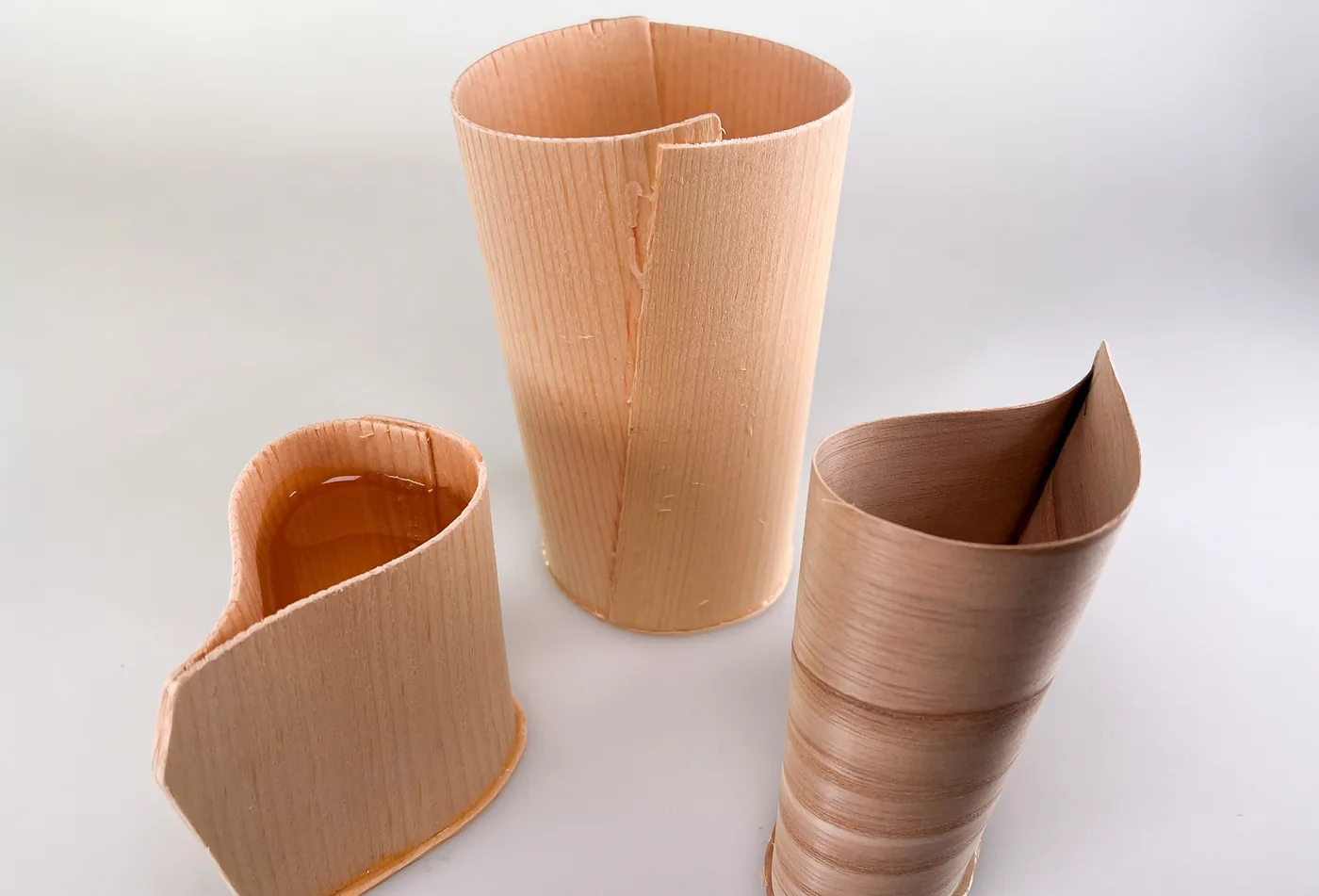
The incubation project starts with first cup ideas and prototypes, formed from wood.
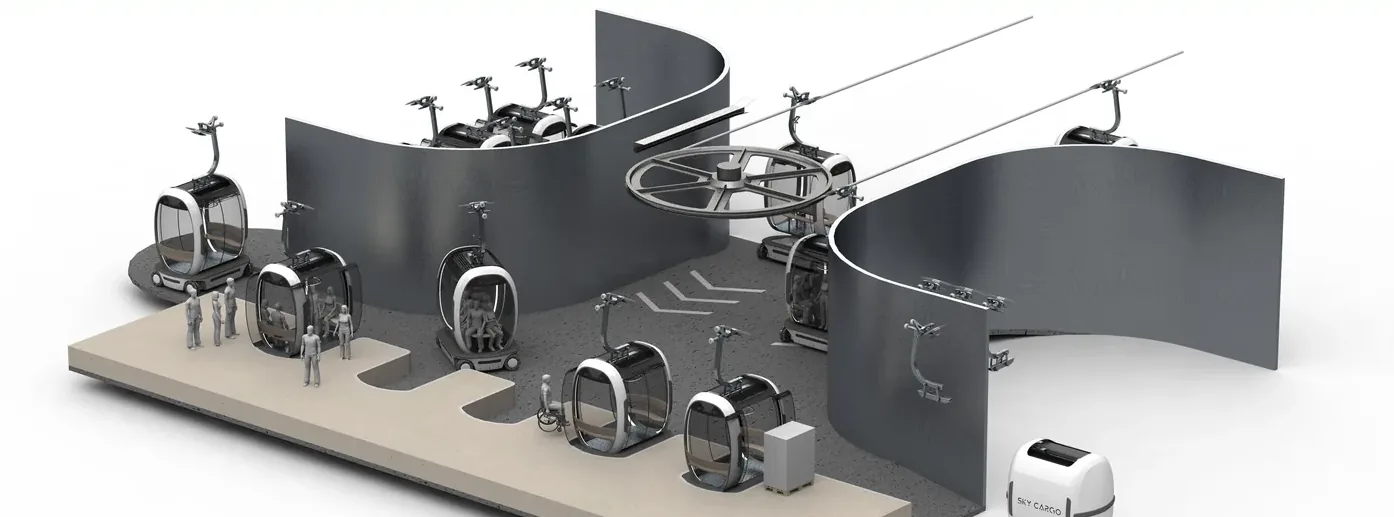
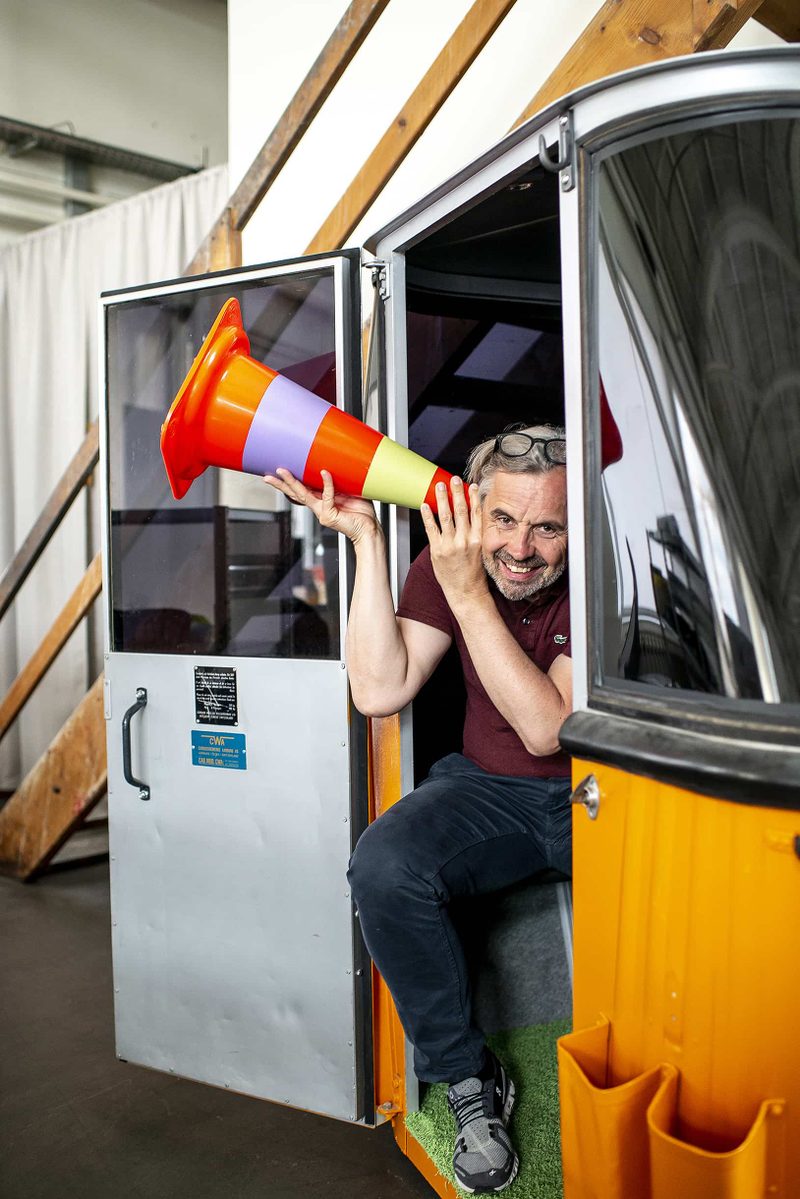
A vision project for tomorrow's gondola: a modular, customer-centric cabin that improves access and opens new uses across ski, summer, urban and leisure.
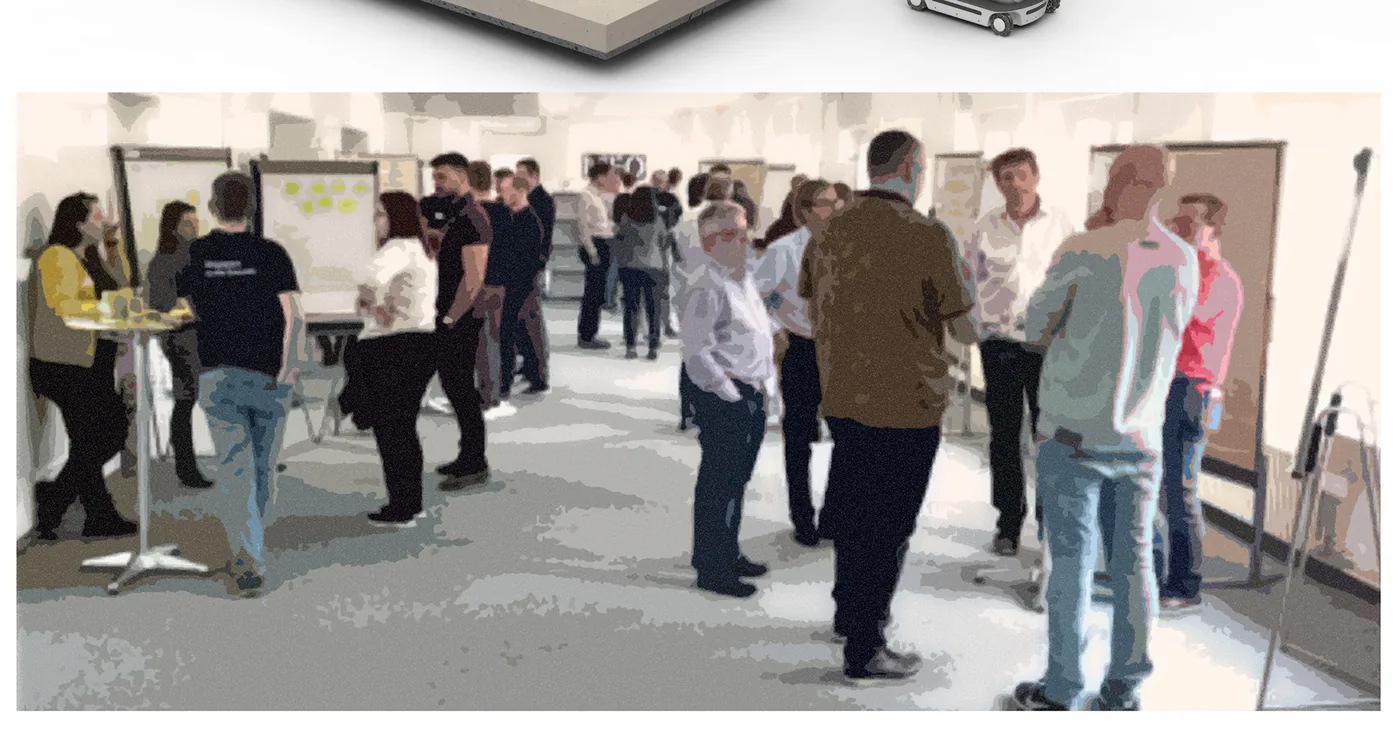
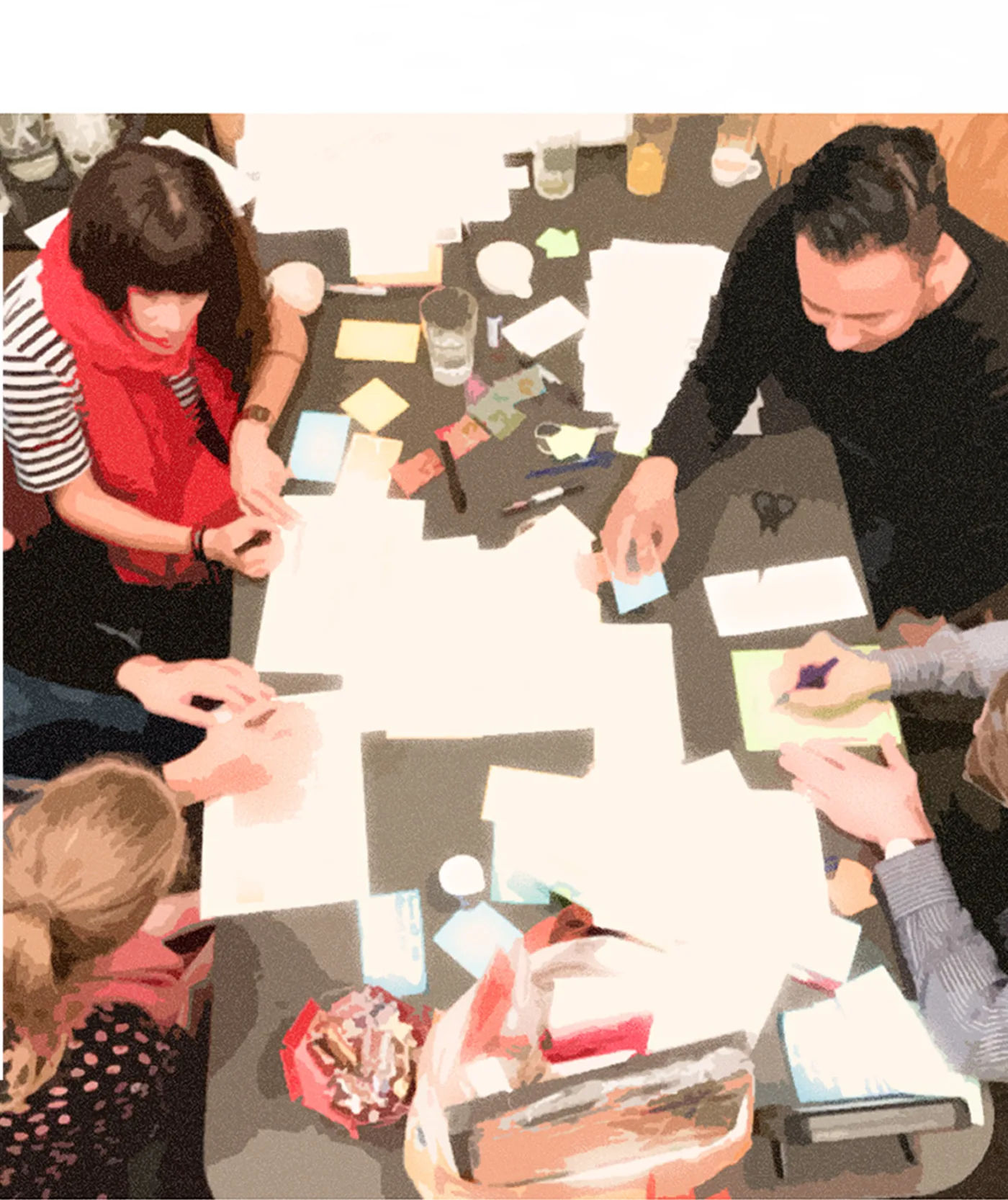
Hands-on innovation training programmes in design thinking, prototyping, creativity, visualisation and storytelling - over seven thousand people through them.
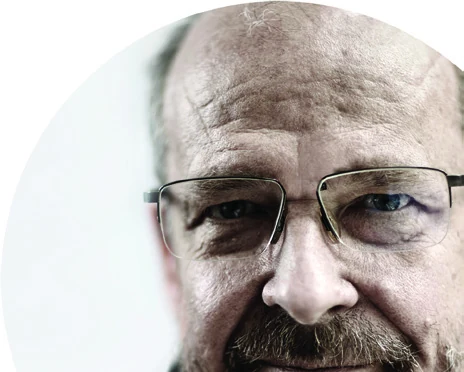
Creaholic's founder and co-inventor of the Swatch is nominated for the European Patent Office's lifetime achievement prize. One hundred and seventy-eight patent families over three decades of inventing.
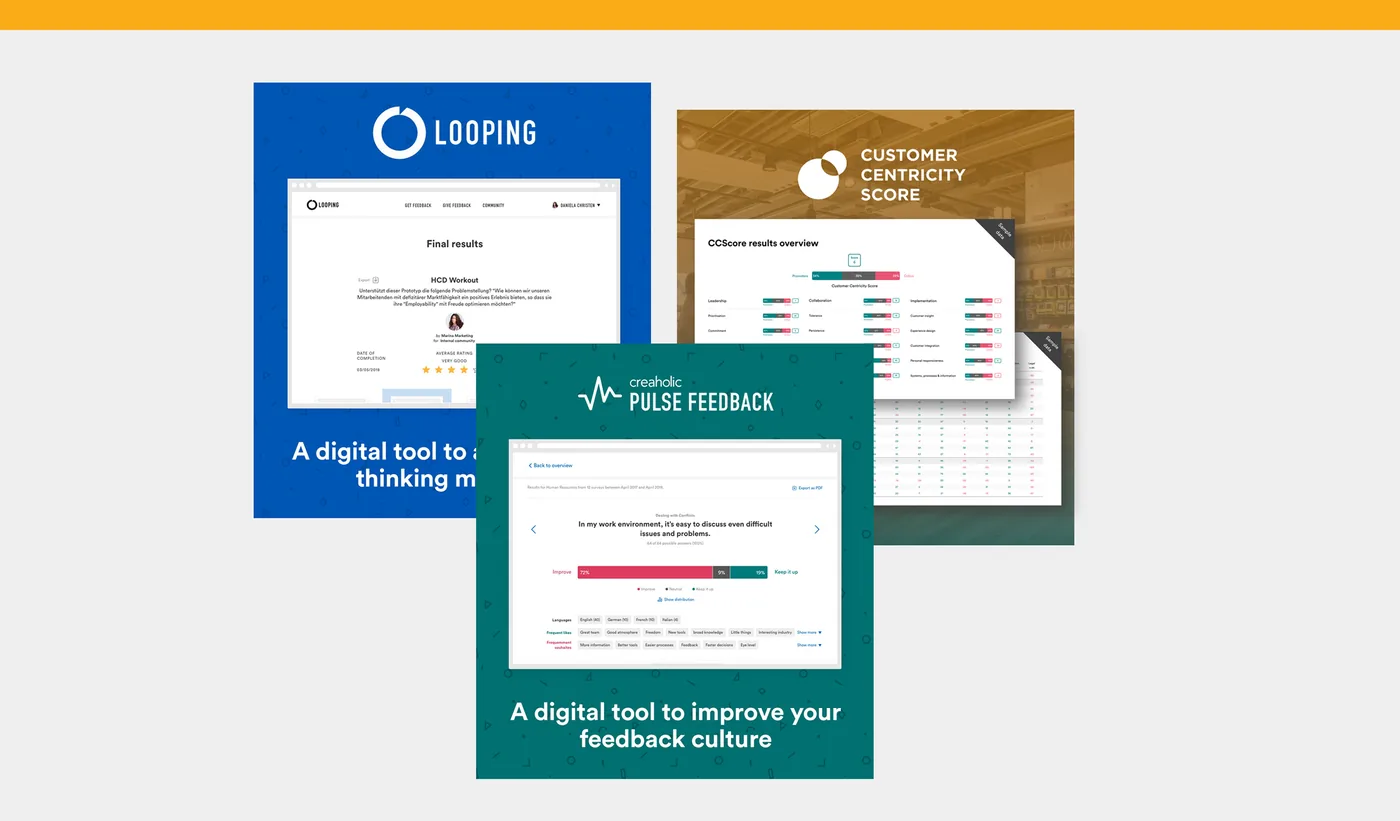
Pulse Feedback, Customer Centricity Score and Looping: three tools that help an organisation gather feedback, understand what people need, and keep improving.
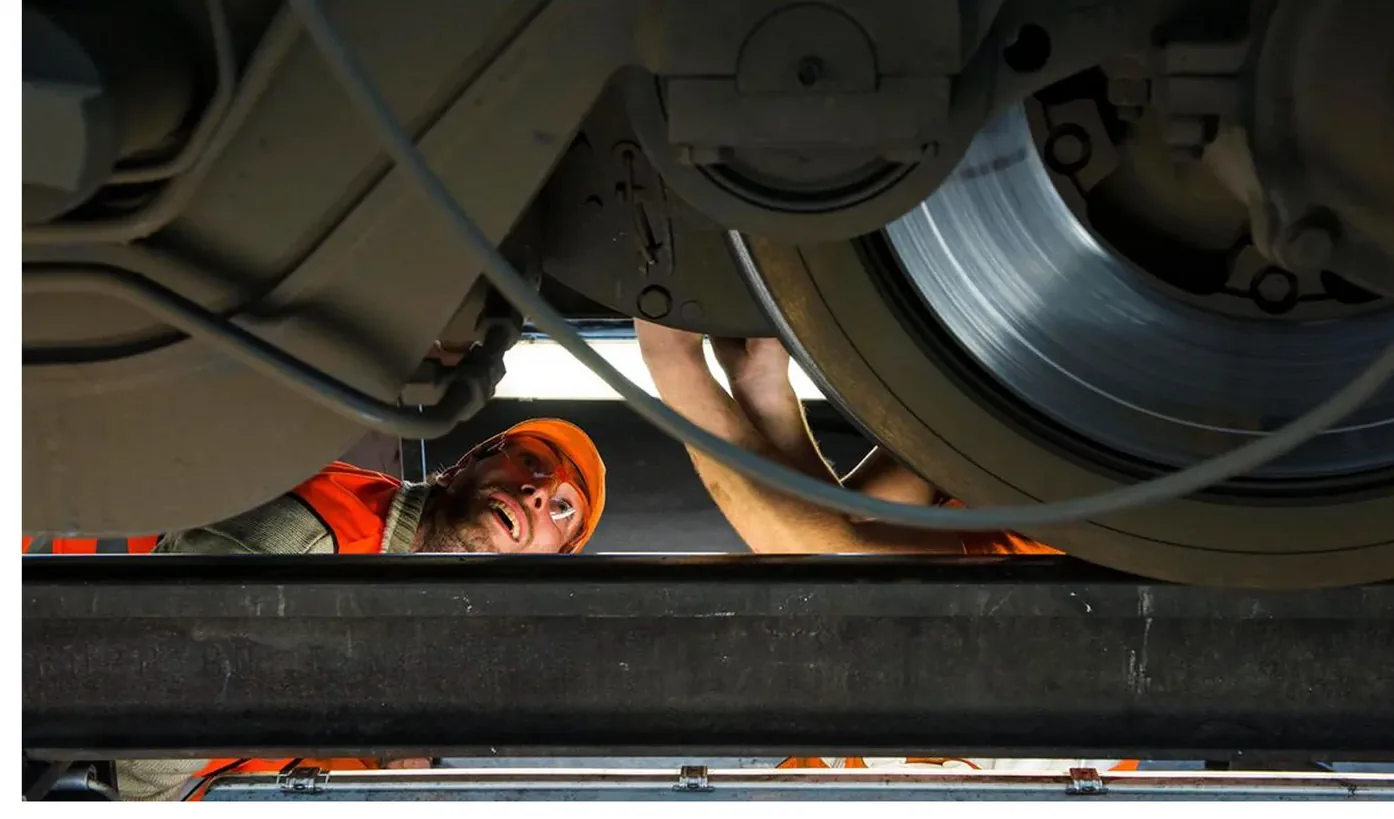
Shaping the future of mobility, from new business models at Zurich main station to resource-efficient train brake technology.
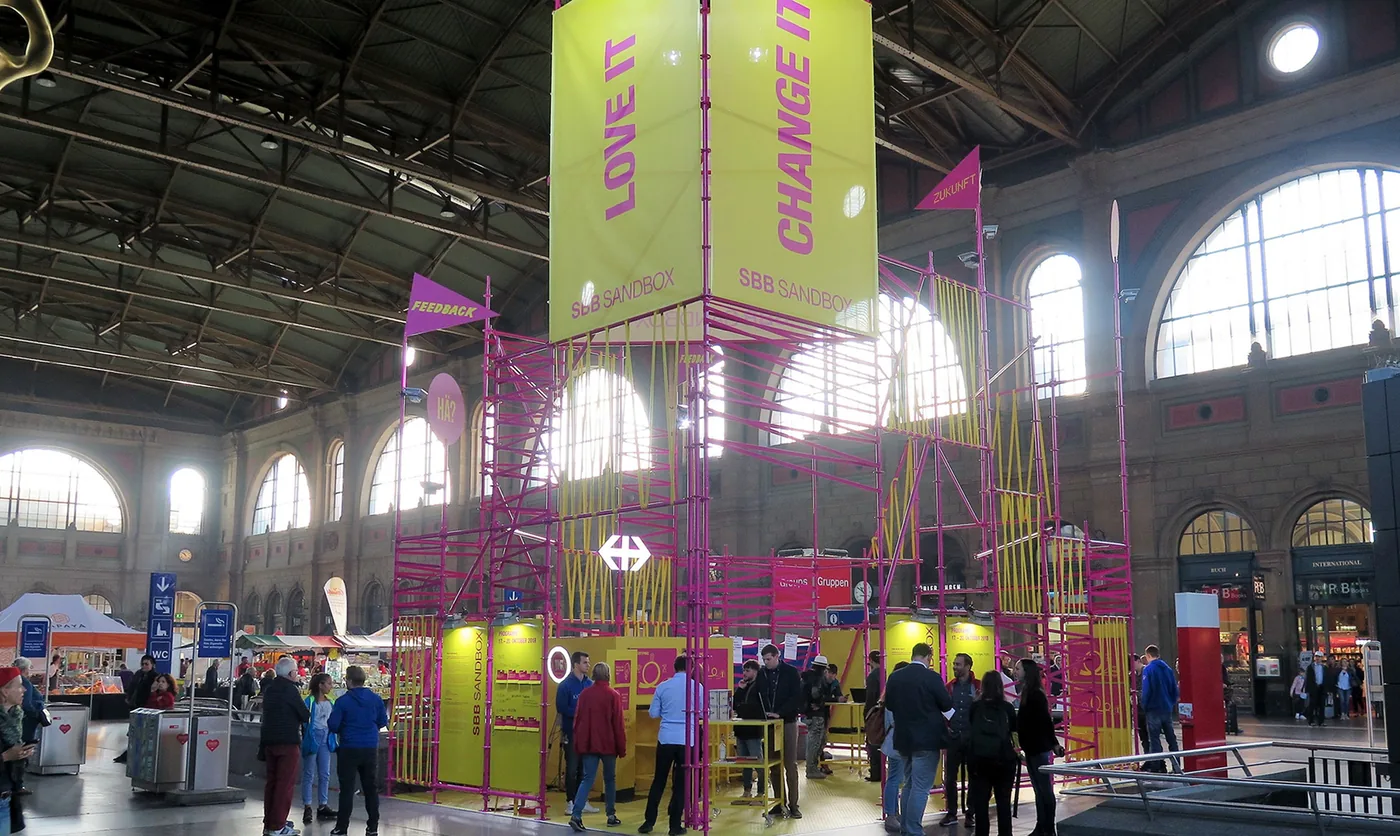
New business models tried out in the middle of the country's busiest building.
Chapter 08
2020–2025
WoodWelding reaches flat-pack furniture, Gjosa is bought by L'Oréal, and the team grows to sixty-five.
Founded in these years
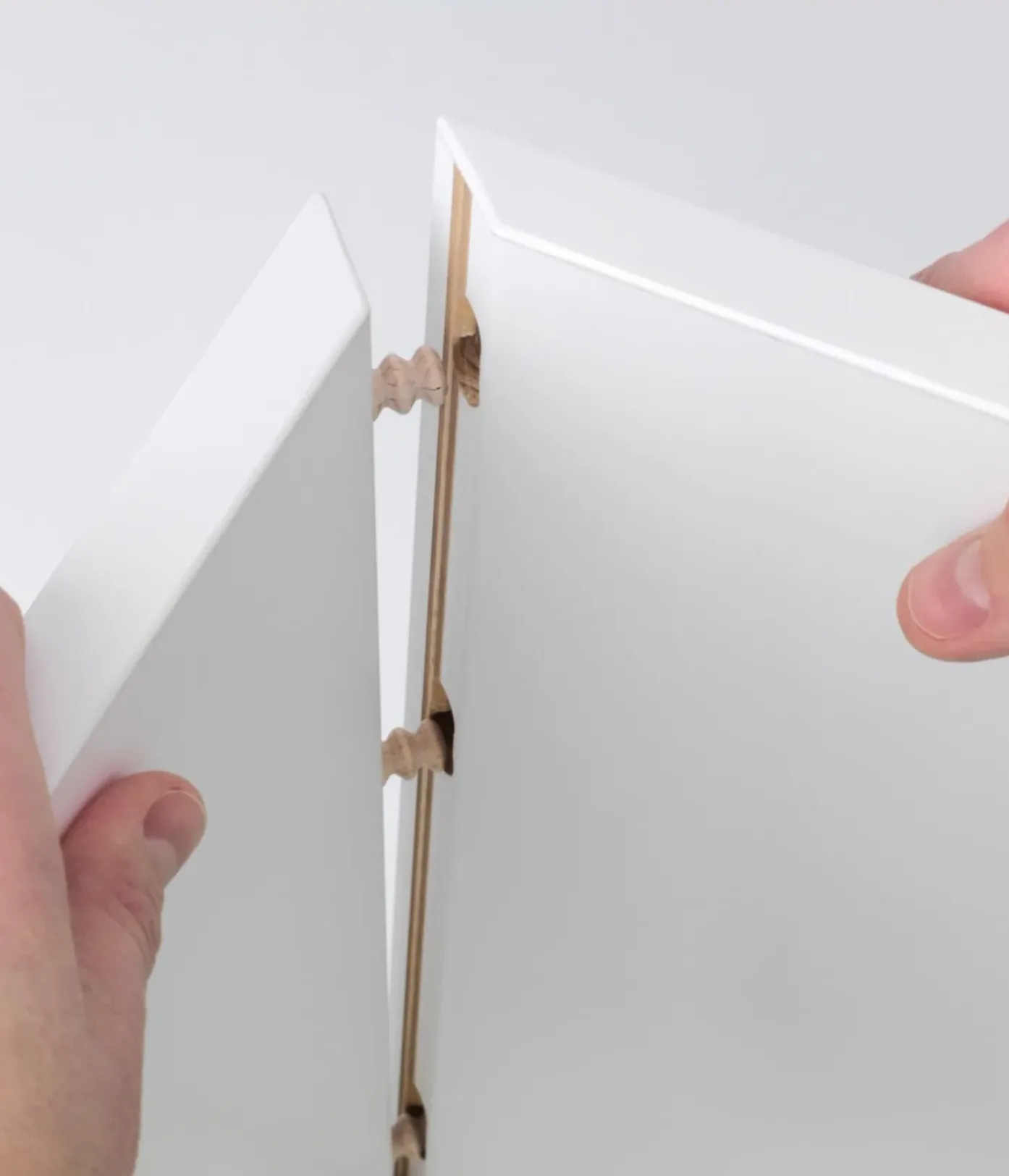
WoodWelding goes into furniture assembly: less time to put a piece together, and a faster line to make it on.
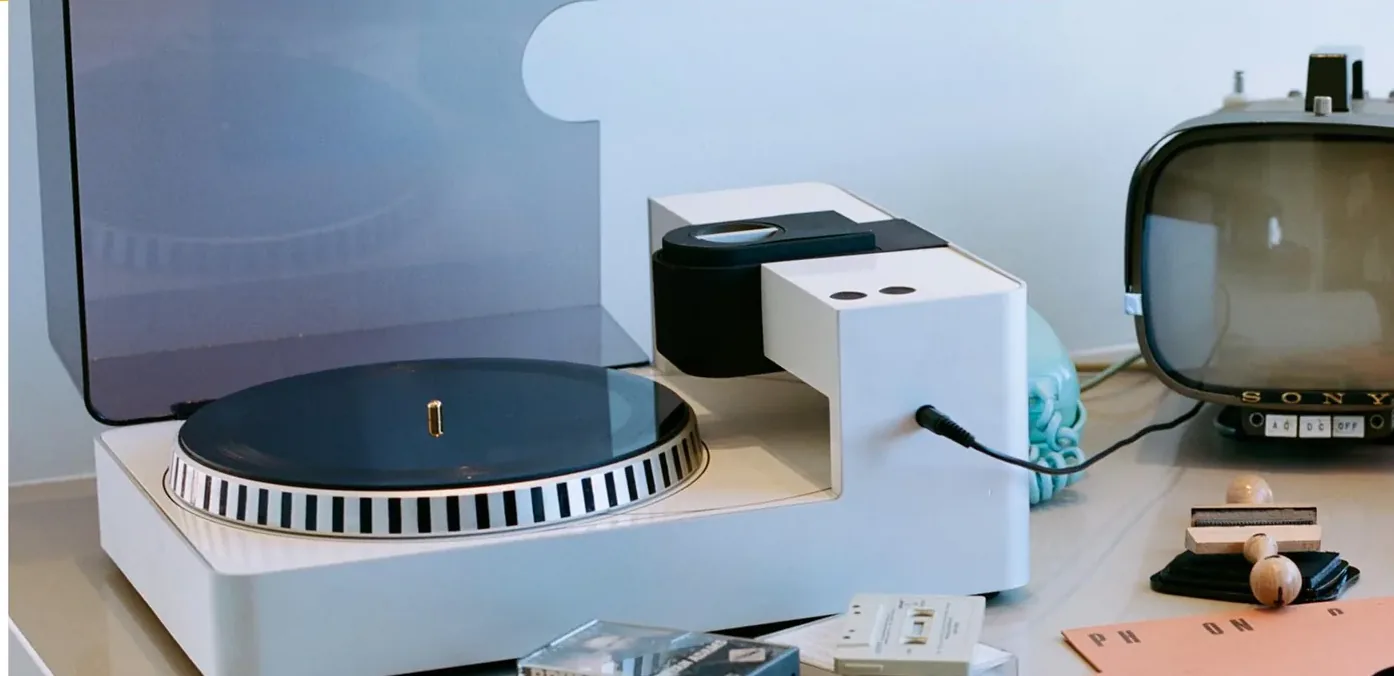
An analogue vinyl lathe, and the first consumer device that cuts a record at home. Place a blank disc, connect the audio, press start.
With BEKB, ewb and GVB: a platform that walks a homeowner toward sustainable living, with financing, energy solutions and building protection in one place.
Scaling intrapreneurship with Swisscom, Implenia, CSS, LGT, Switzerland Tourism and GF.
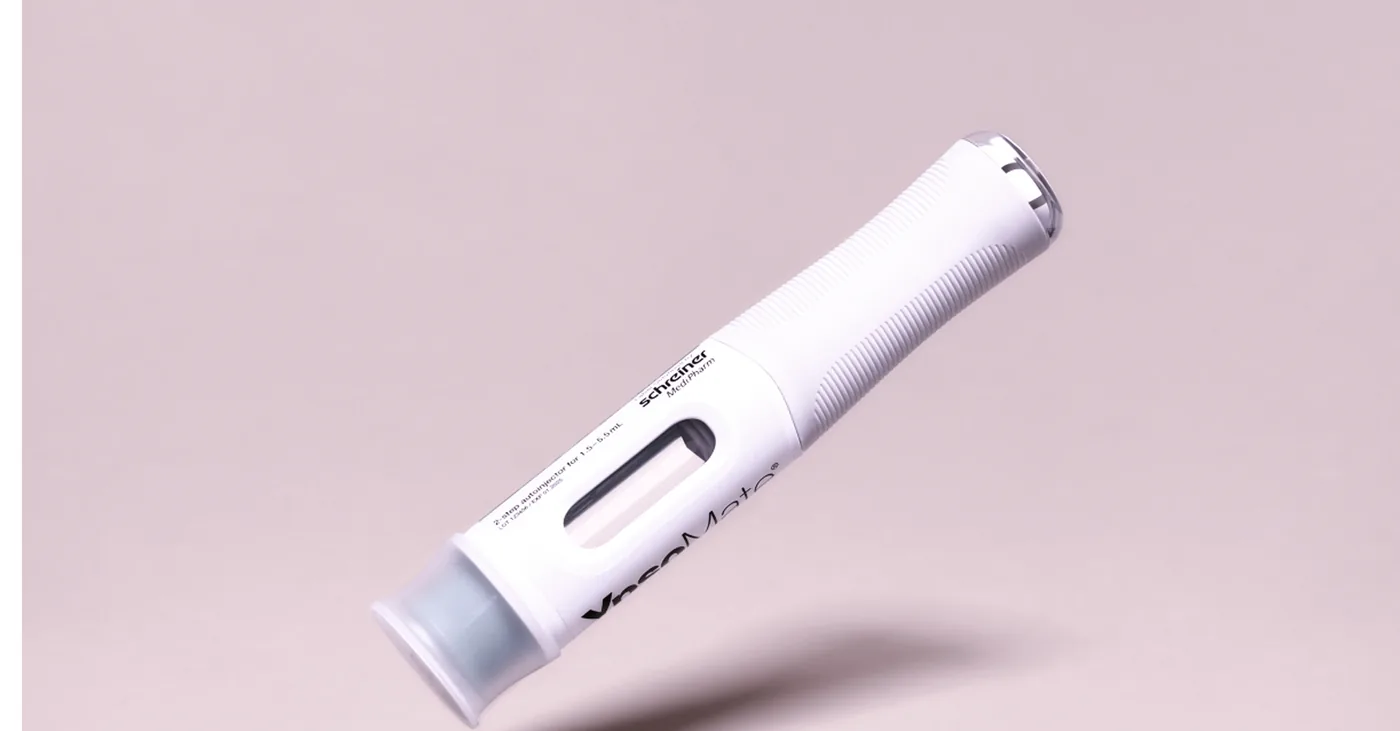
Intuitive mechanical concepts for a new generation of autoinjector pen, built around a replaceable prefilled syringe.
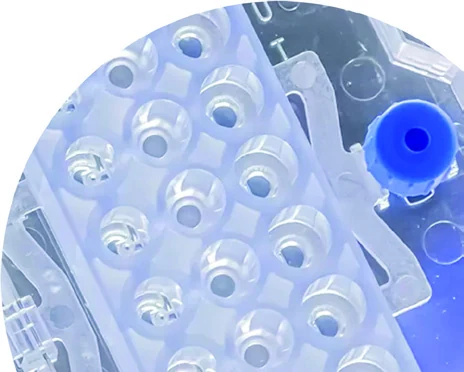
Organ-on-chip technology that sharpens preclinical decisions, cuts the cost of developing a drug, and offers a real alternative to animal testing.
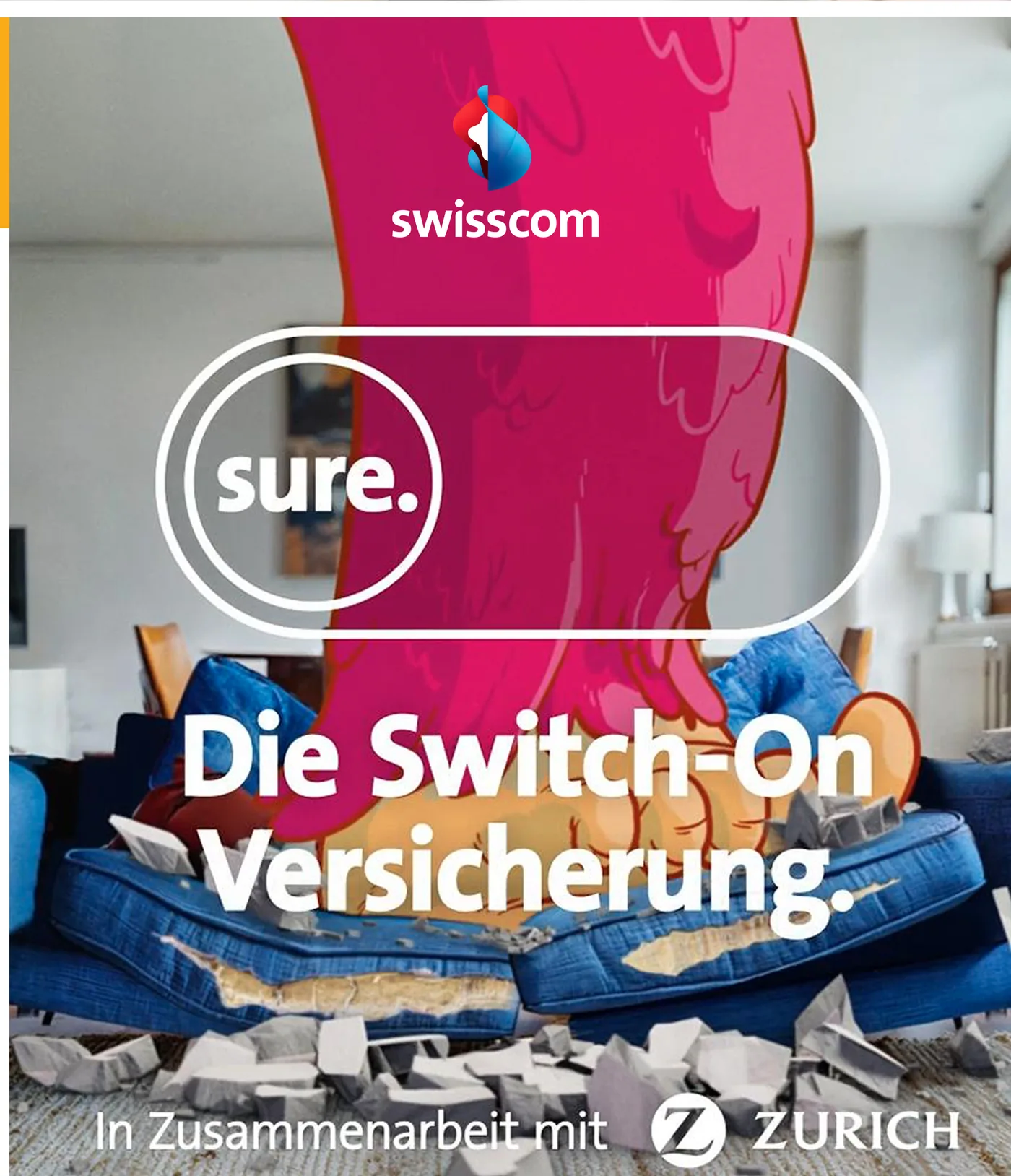
A year with Swisscom launching a new insurance business: shaping the value proposition, testing it, and building it into the MySwisscom app.
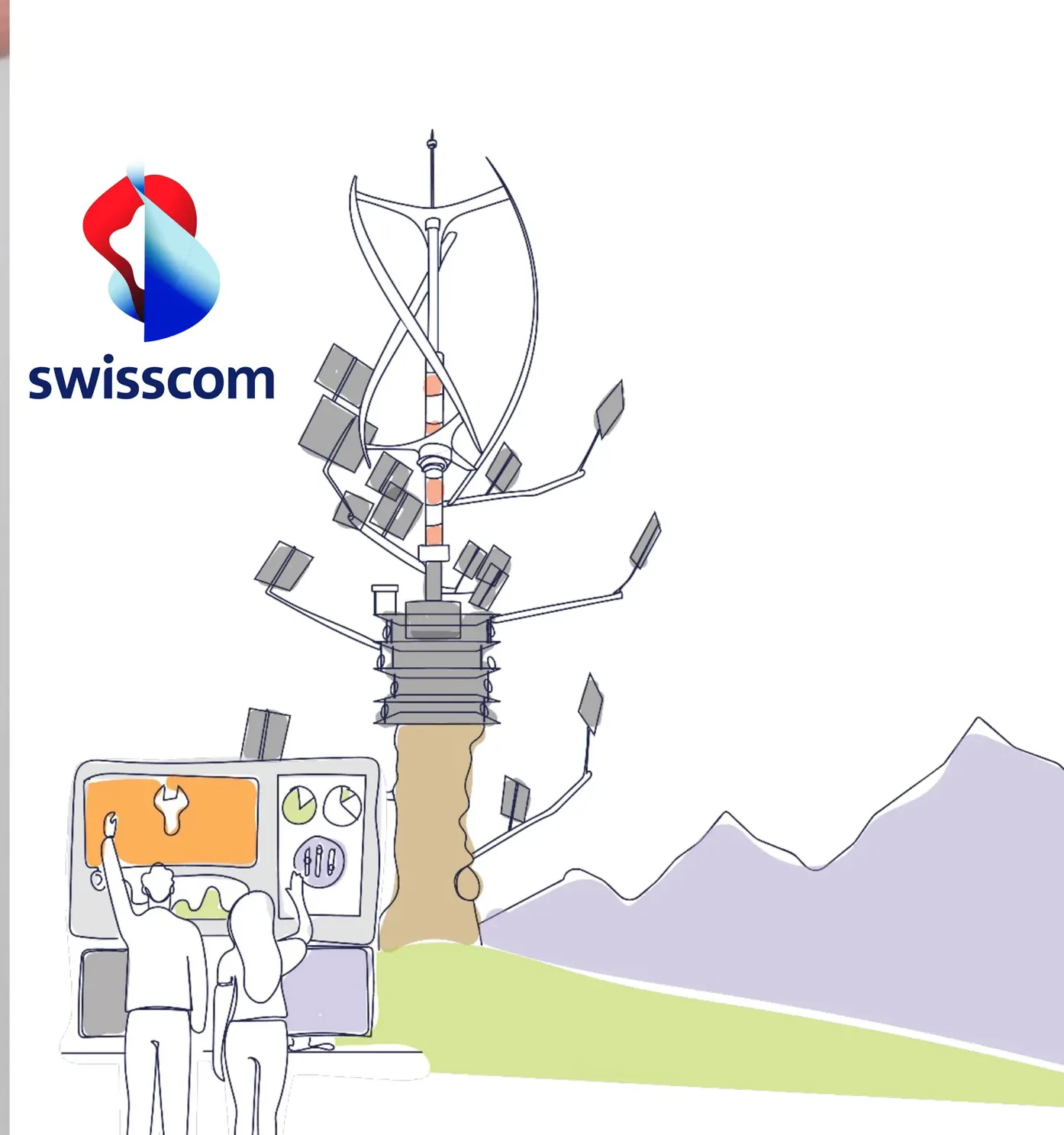
Sustainable, self-sufficient mobile antennas for Swisscom.
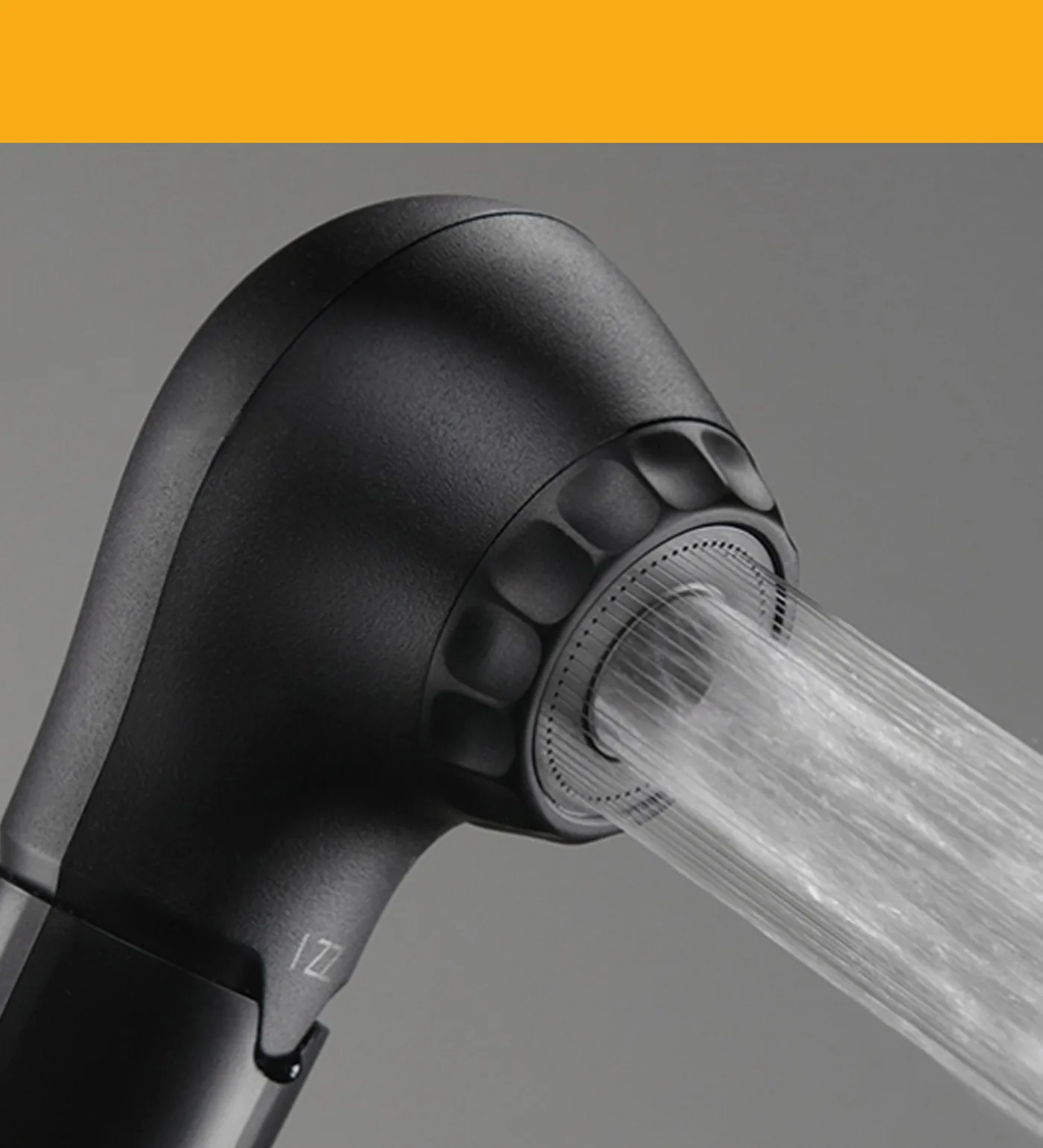
The water-saving technology that started as SoapShow, inspired by how water is handled in space, is bought by L'Oréal.
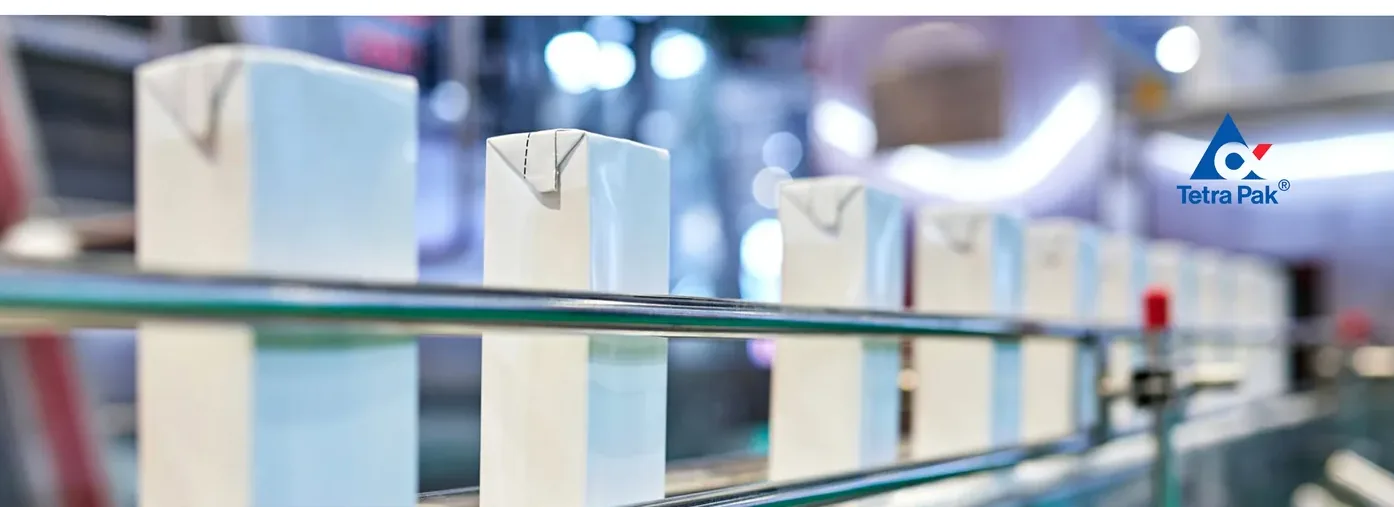
Eighty-five projects and more than fifty-five patents with the client that made the early years possible - caps, seals and the processes that produce them.
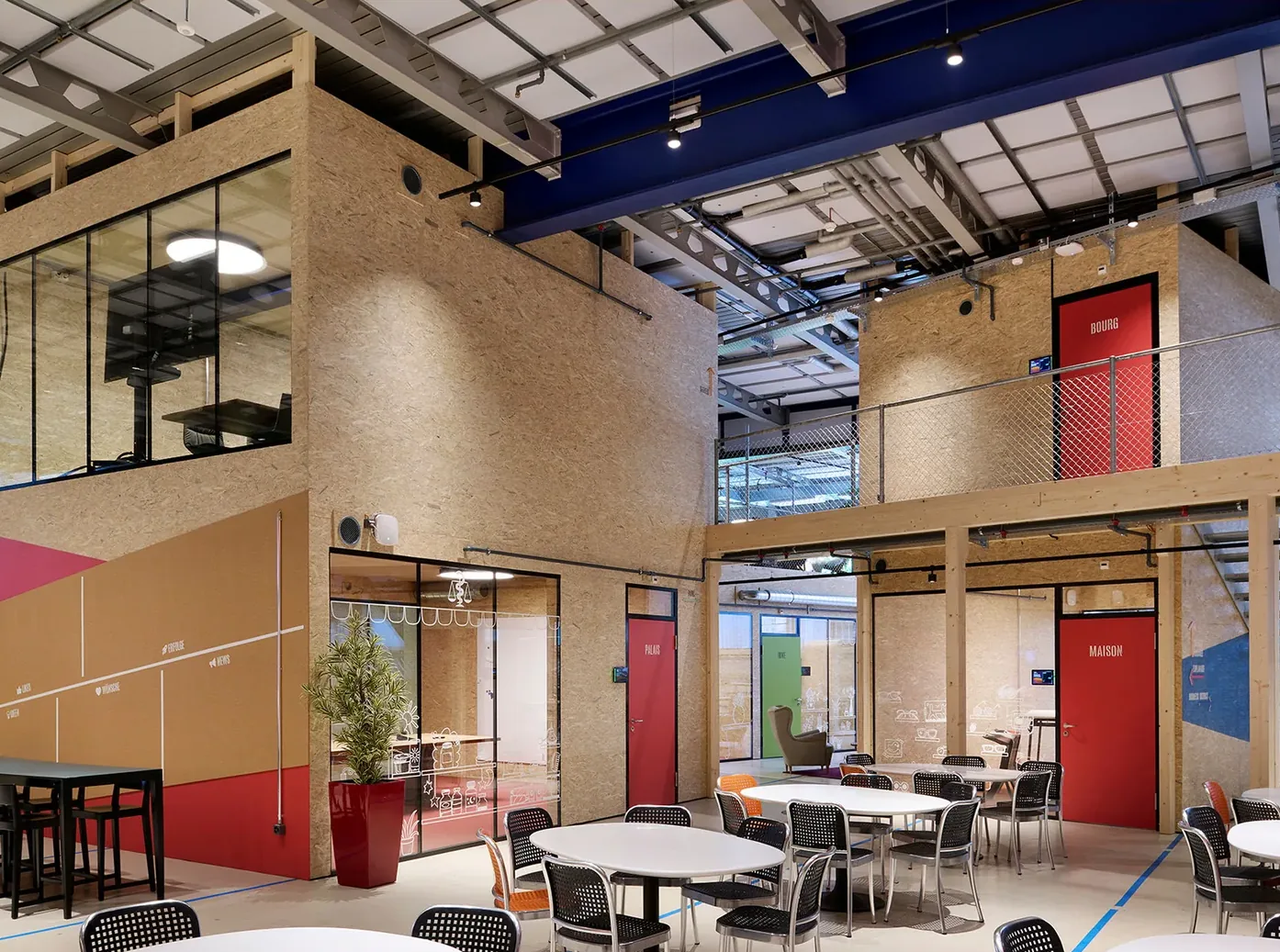
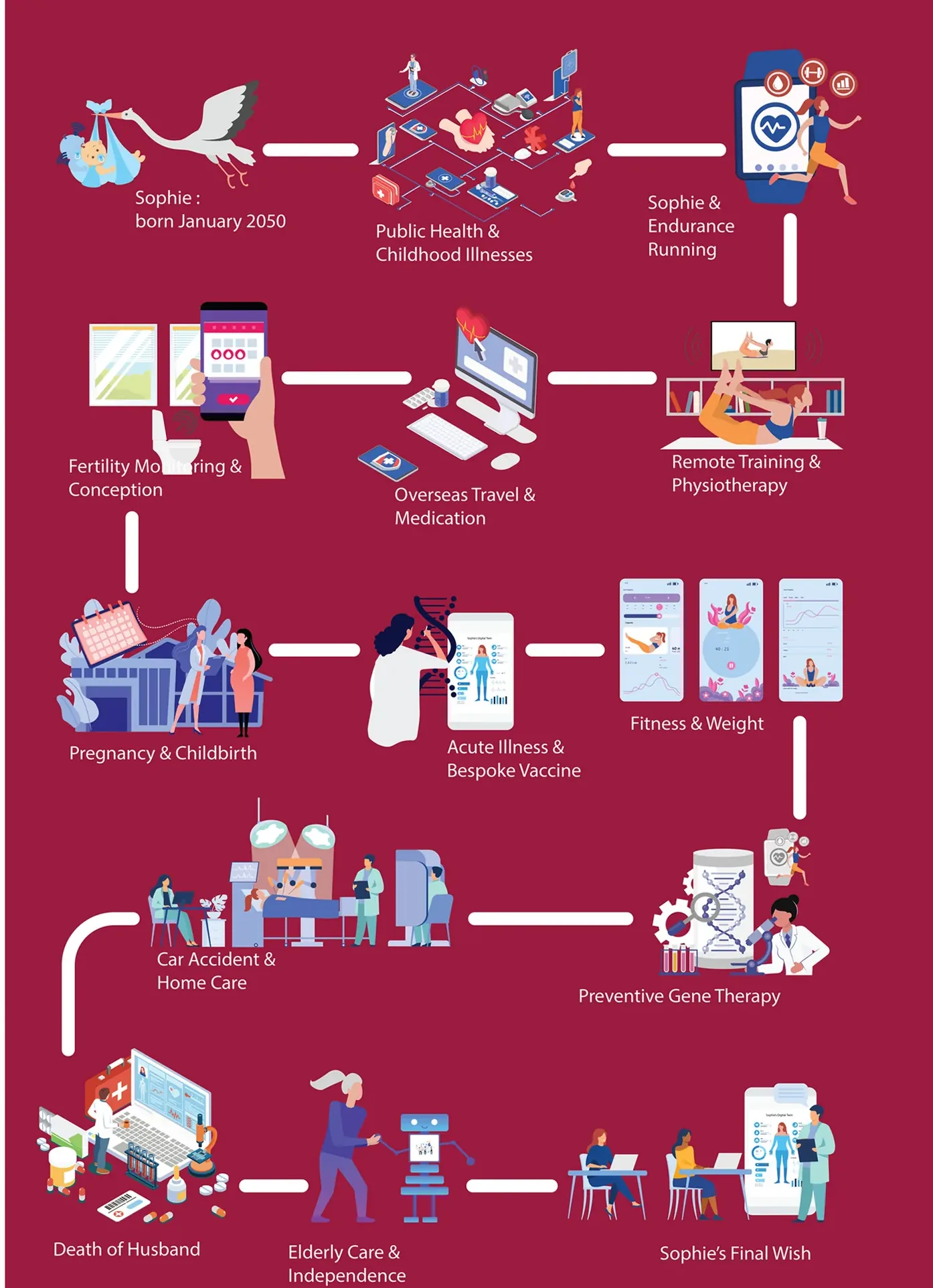
A modular interim workspace with themed zones and its own signage, and a digital health strategy with a future vision and an innovation framework behind it.
Chapter 09
2025–2030
A way of pressing solid wood into shapes that plastic used to own. The board for these years is mostly still empty.
Founded in these years
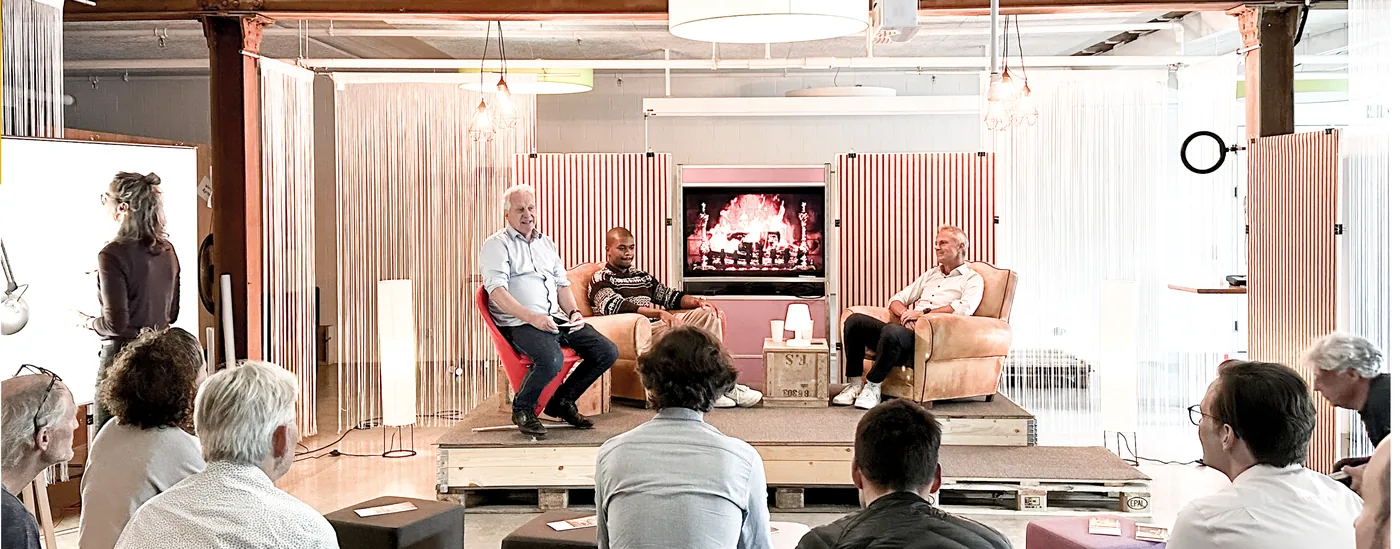
An invitation-only evening: a guest speaker from the network in conversation with a member of the Dream Team.
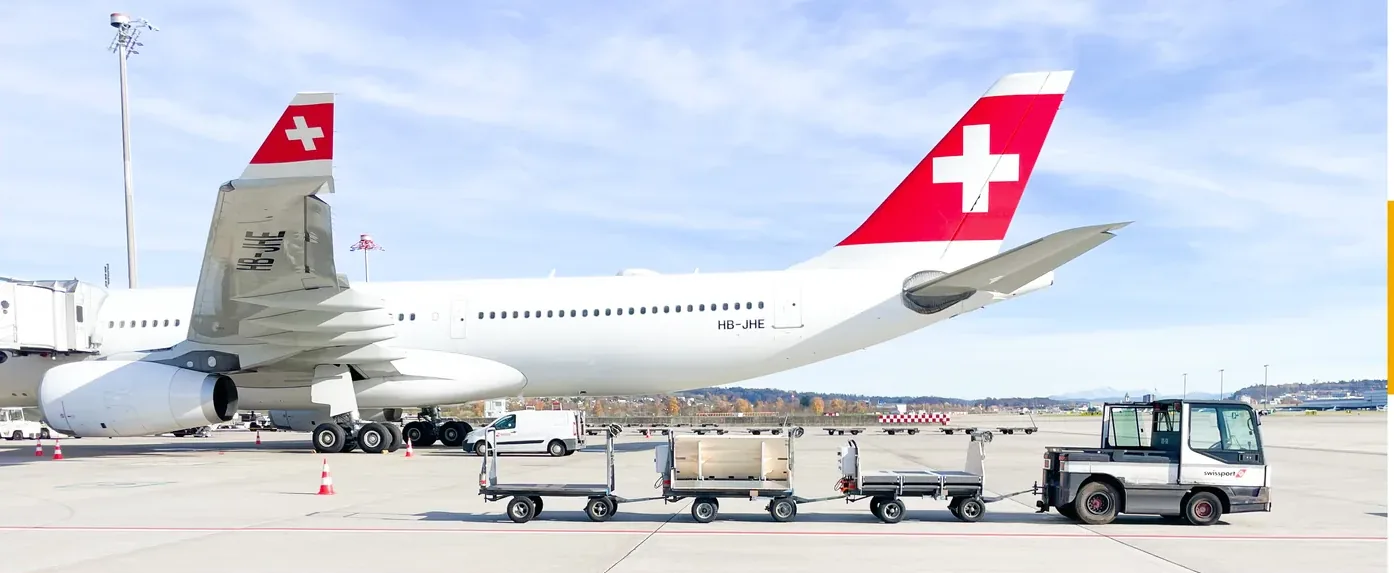
Two pragmatic baggage-unloading prototypes tested under real conditions, to establish whether they were feasible, whether anyone would use them, and whether they made business sense.
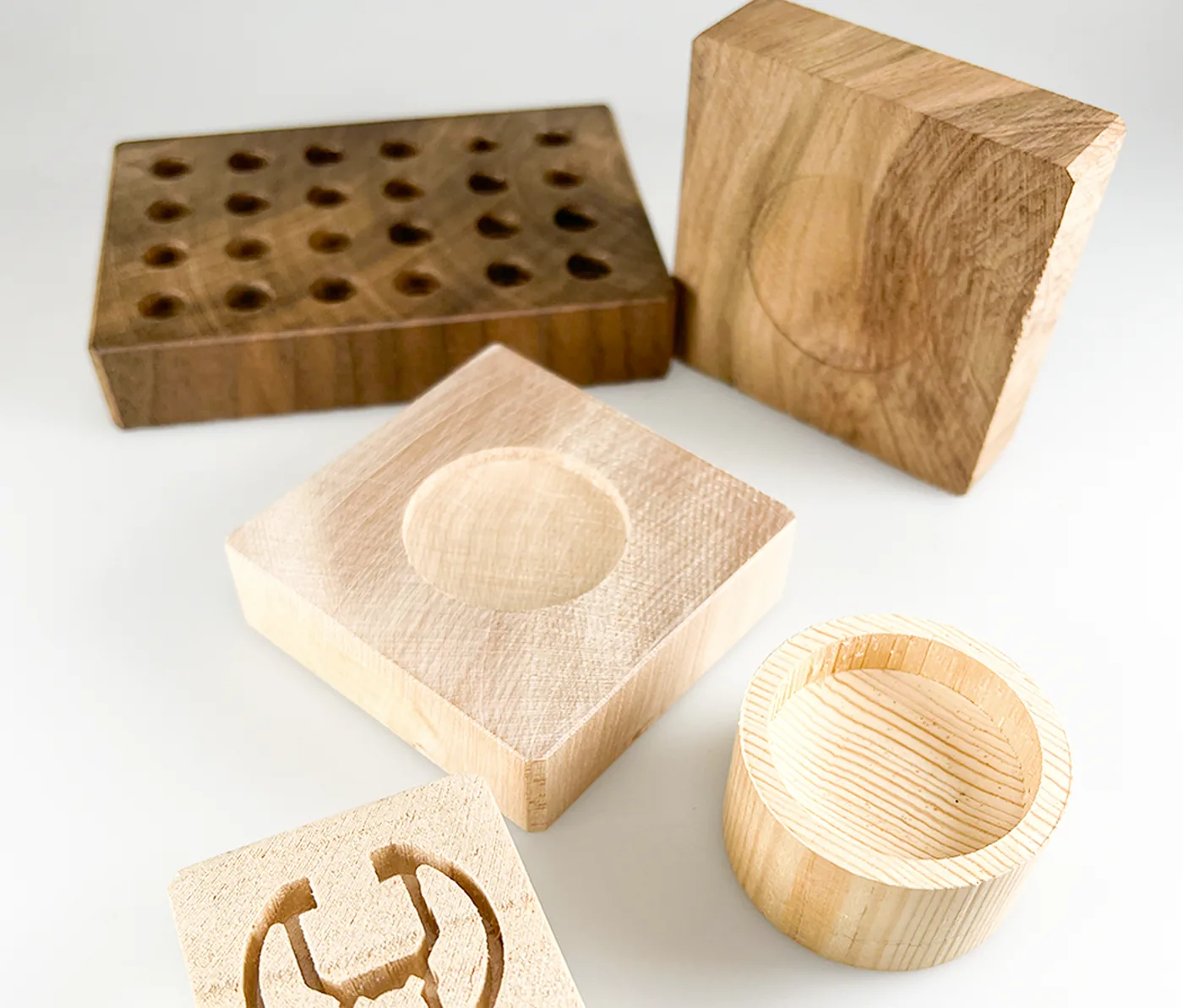
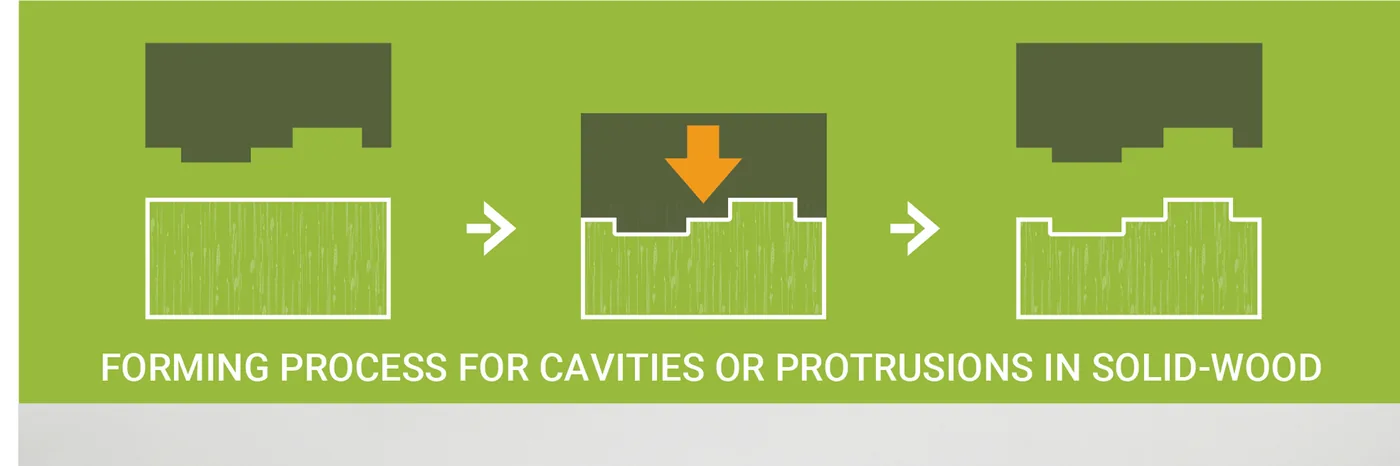
A patent-pending high-speed wood-pressing technology: an industrial route to the small objects and packaging that are made of plastic today.

For a leading industrial automation manufacturer: the innovation fields worth entering, and six strategic directions to shape the group's strategy around.
2030
The last board runs to 2030 and is mostly empty. That is not an omission - those years have not happened yet.
Drag the ribbon, or use the arrows and the rail
By 2026
Between 1986 and 2026: fifty-one people, two hundred and ninety-five patent families, one thousand five hundred and ninety projects - and fourteen technologies that left home to become companies of their own.
51
Team members
295
Patent families
1590
Projects
40Years on the market
It is 2026, and Creaholic has been on the market for forty years - four decades spent helping people and companies solve the problems they could not solve on their own. The wall keeps filling. We are still walking forward.