One lesson to rule them all
Prototyping and experimentation rarely give you full, definitive answers. You usually don’t walk away with total certainty that your idea will work. But that's not the point. The real value is that prototypes help reduce uncertainty to a level where the biggest risk isn't your hypothesis itself anymore - it's something else. In other words, even an imperfect prototype can shift the risk landscape so you can move forward more confidently.
Prototyping is a team sport
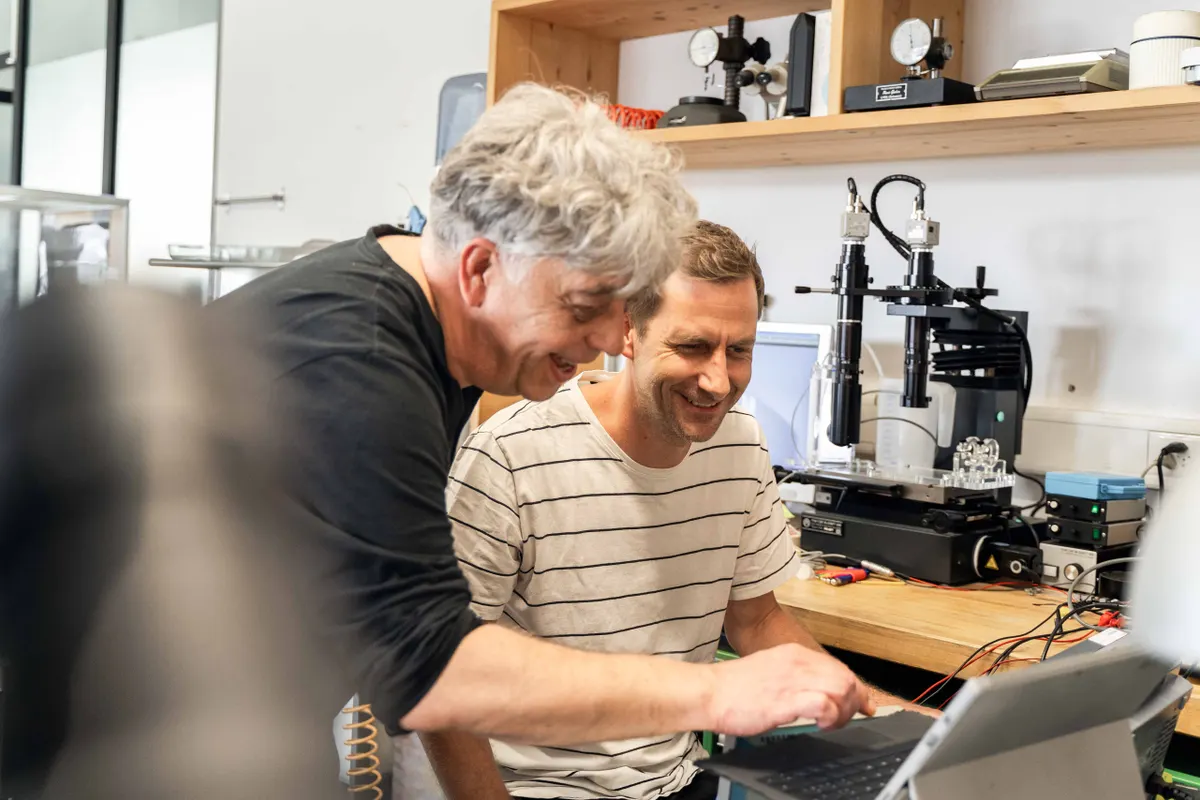
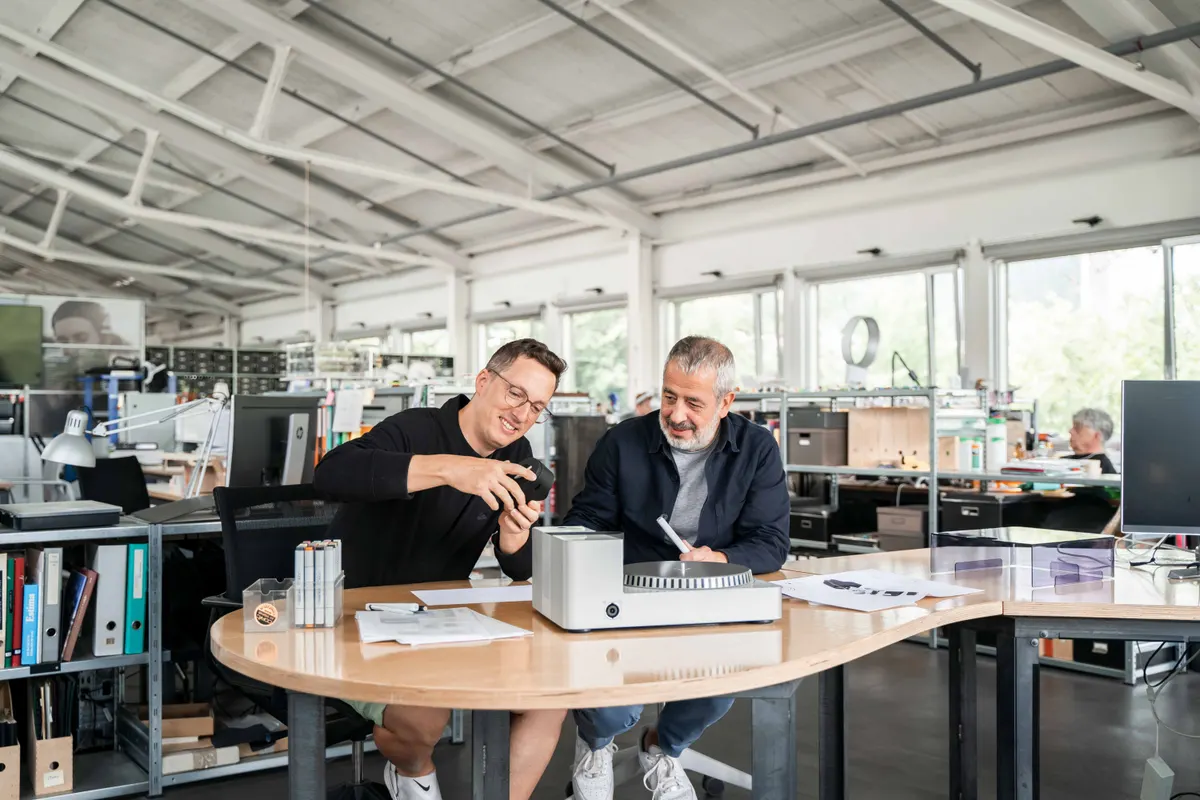
From the end-user to the project team to senior management: prototyping works best when everyone’s involved. After all, its purpose is to validate hypotheses, and that requires multiple perspectives. Testing your prototypes with real users and stakeholders helps uncover blind spots early, saving time, energy and money down the line. At Creaholic, we involve people early and often to make sure every prototype leads to better decisions.
Adding AI to the prototyping process
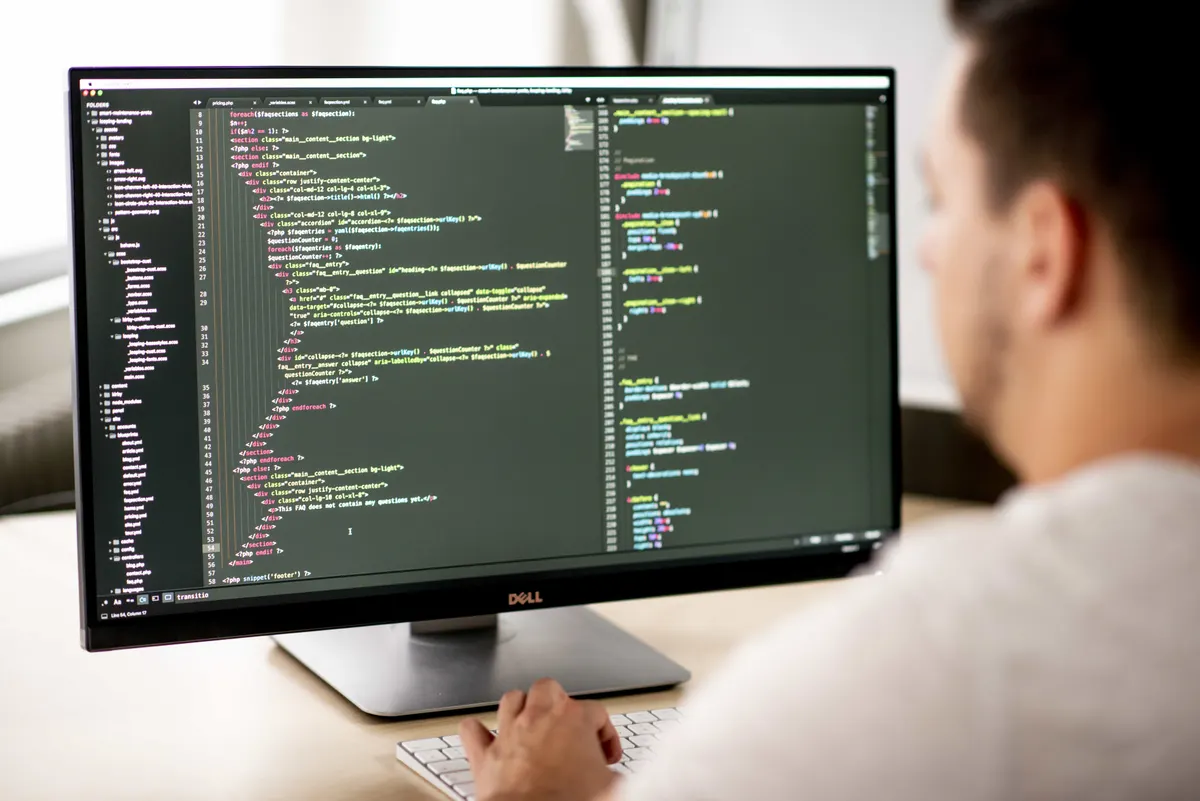
Prototyping with AI has opened up new possibilities – faster, cheaper and often smarter. Tools like ChatGPT, Midjourney and Figma’s AI features can help teams brainstorm names, generate wireframes, write user flows or simulate how users interact with a digital service. Other AI prototyping applications are writing quick code and creating visual mock-ups. AI won’t replace your creativity, but it can speed up early iterations and help test new directions more rapidly. Especially when prototyping digital services, AI becomes a powerful teammate – not just a tool.
Curiosity is prototyping fuel
Stakeholder collaboration is essential, but it’s not enough. Curiosity is what keeps prototyping alive. You need to stay open to the unexpected – because the real problem (and solution) often isn’t exactly what you first thought. The best prototyping teams approach each step with a learner’s mindset, continuously testing assumptions and adapting to what they discover. Curiosity is necessary for discovery. Without it, you risk missing unexpected treasures of information that can make an idea truly great!
Prototyping is a tool for brainstorming
Prototyping isn’t just for validation. It can also help you generate ideas. Especially for physical products, building even a rough version of your idea can unlock creative breakthroughs. Holding something in your hands makes it easier to see flaws, spot opportunities and refine your thinking. Whether you're using Lego, AI-generated mockups or just a pen and paper, early-stage prototyping boosts creativity and momentum.
Prototyping is a way of learning
Think of prototyping as a structured way to learn, not just to build. It’s how you reveal hidden flaws, validate new ideas and turn feedback into progress. It’s actually pretty simple: find out what you want to learn and come up with an idea to test it! (Emphasize on the learn part.) It’s not always easy – especially when you need to challenge a stakeholder’s assumptions – but showing them real evidence through a tangible model helps turn opinions into insights and resistance into collaboration.
Think with your hands
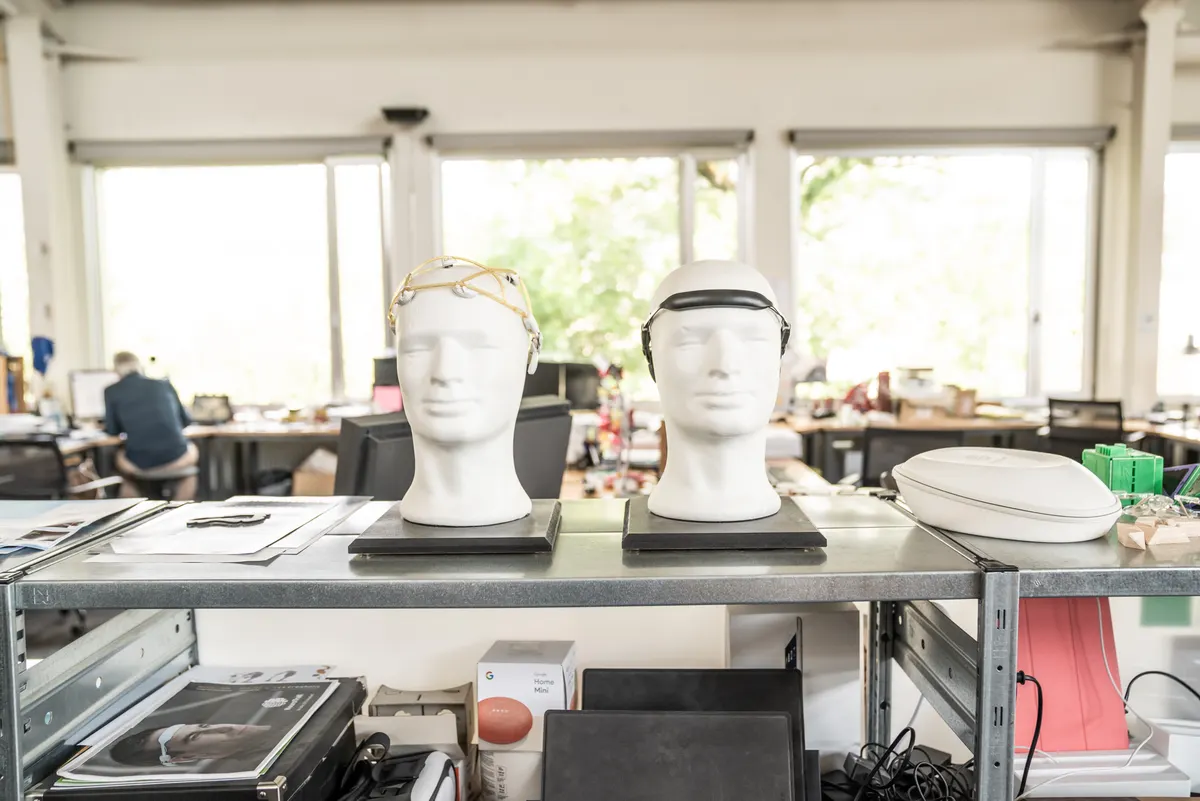
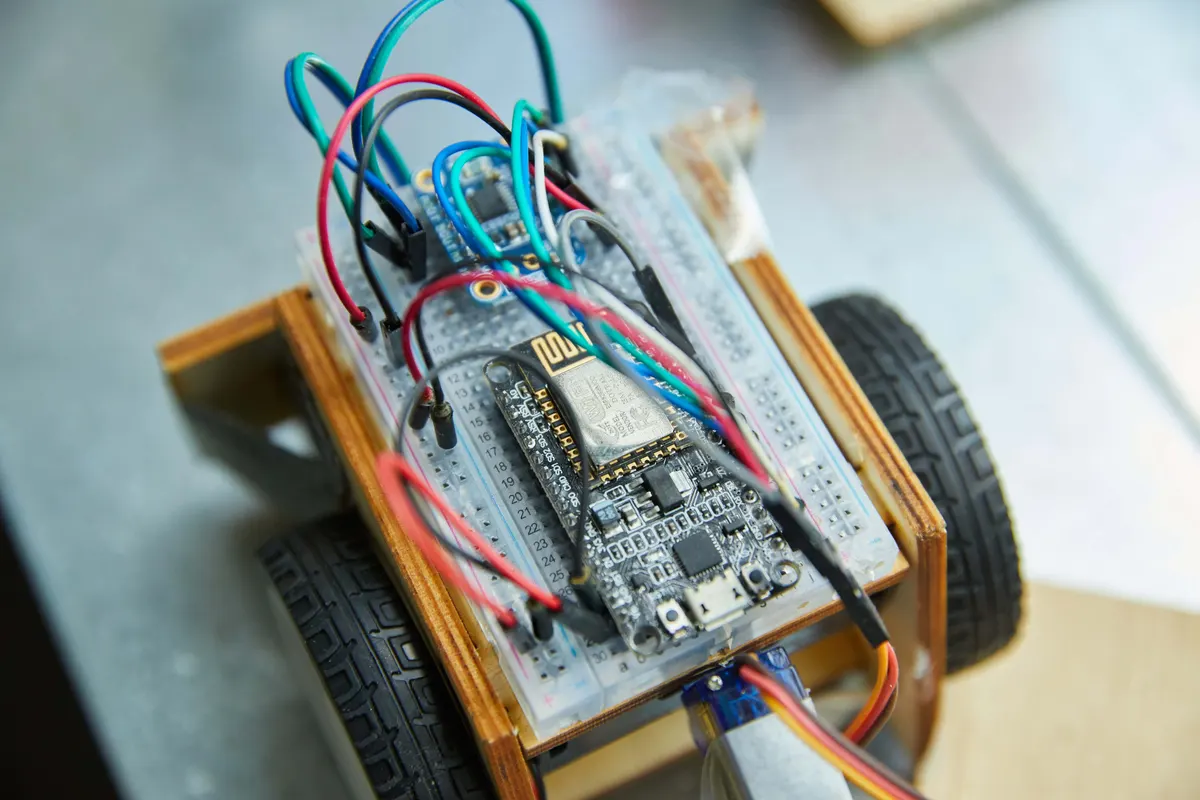
It’s easy to go into full-on thinking mode when you’re prototyping. We always start by asking: What is this prototype supposed to do? From there, it can be extremely beneficial to use your senses and not just your brain. For physical prototypes, the right choice might be cardboard, wood or even metal. Our in-house engineers use CAD for digital prototypes, for example, to model flow or when making force calculations. For digital services, we use role-playing, customer journeys or wireframes.
At Creaholic, we’ve even engaged our local butcher’s shop in the prototyping process. When we sought to transfer our know-how in thermo-mechanical “wood welding” into the medical realm, we encountered headwinds. Every expert was sure that bones couldn’t be joined together in the same way as wood. But we weren’t satisfied with that answer. So we went to the butcher, got a ham hock, and tested the method. That’s how we were able to prove that it really could work, and “WoodWelding” eventually led to “BoneWelding.”
Don’t fall in love with your prototype
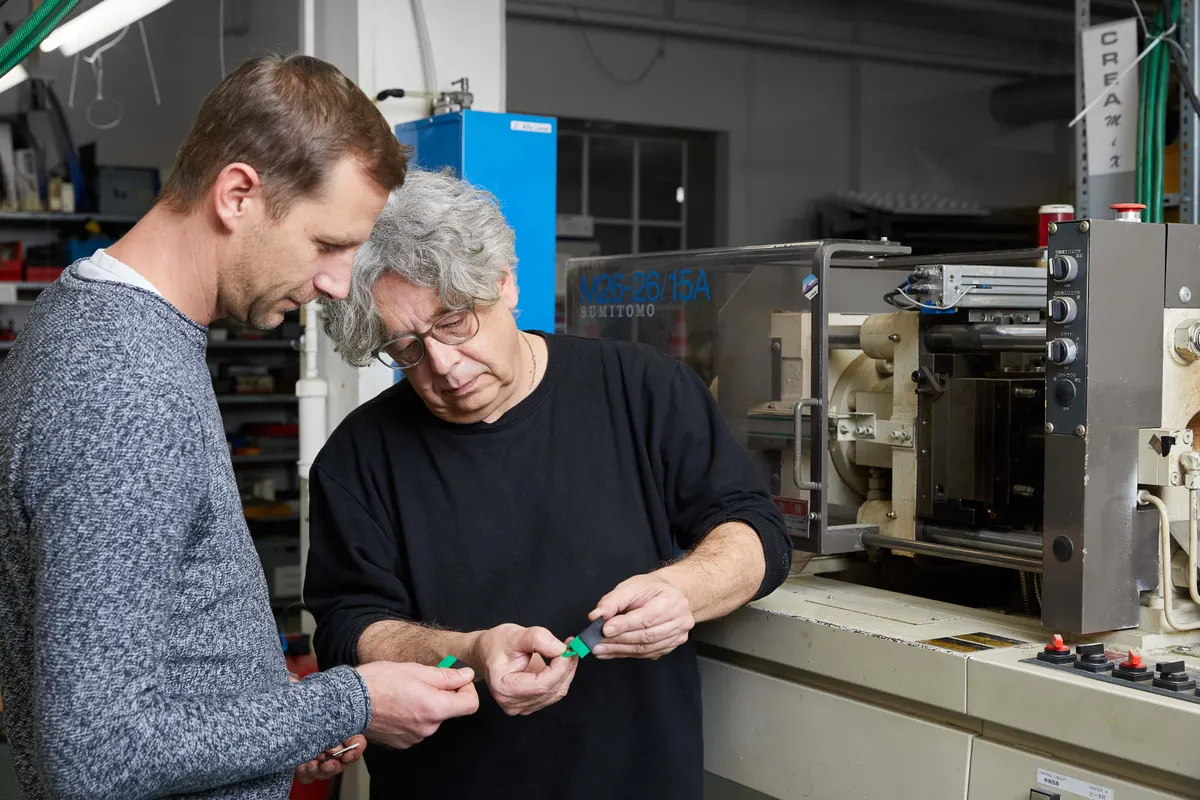
The first prototype almost never leads to the final solution. And that’s okay. The goal isn’t to get it “right” the first time – it’s to learn what works and what doesn’t. Sometimes it’s necessary to do, what we in the biz call, kill your darlings. A prototype that disproves a hypothesis is a win, not a failure. Let go, move on and start the next round with fresh eyes and new questions.
Honor your prototypes
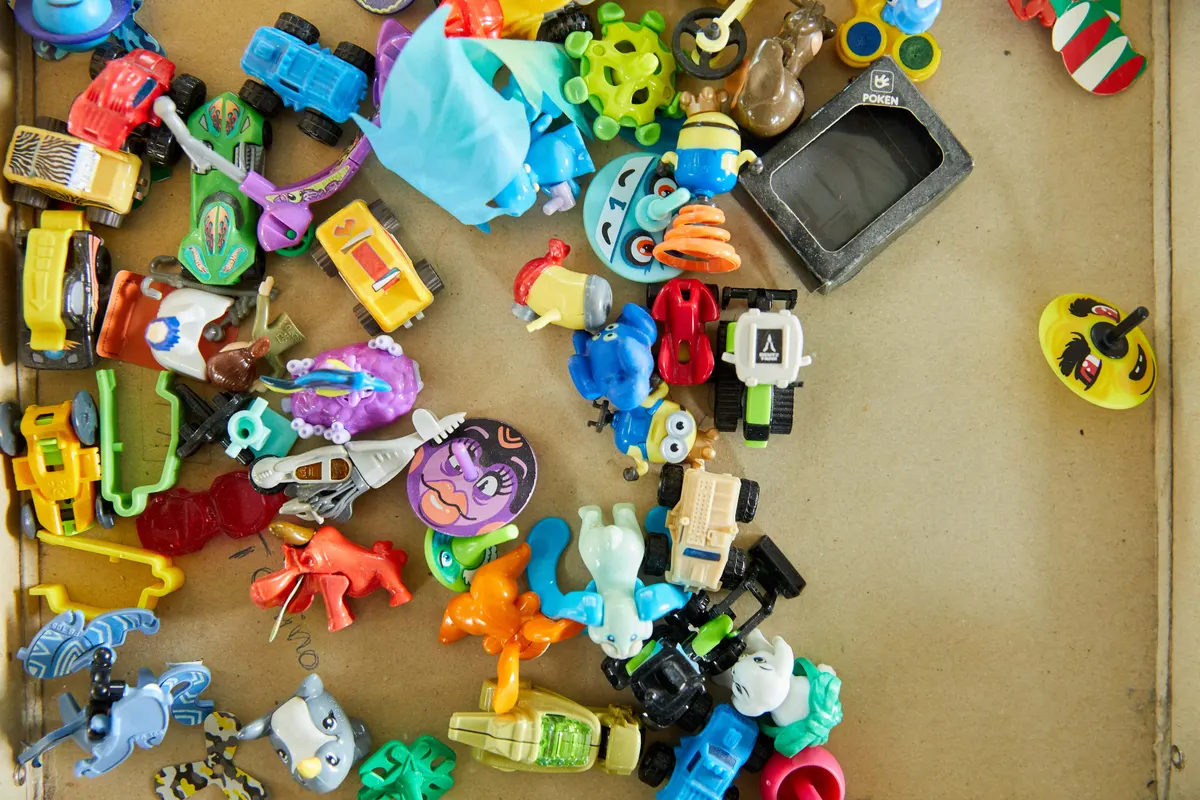
Every prototype – even the ones that don’t “make it” – is a snapshot of creativity, insight and effort. Even when you “kill your darlings,” don’t throw them away. At Creaholic, we’ve built a searchable archive of 40 years of prototypes. From sketches to USBs with digital files to rudimentary constructions, the collection of physical archive boxes is a growing resource that can inspire every new project. You never know when an old idea might become the seed of something new.
Keep an eye on the MVP (here: Minimal Verifiable Prototype!)
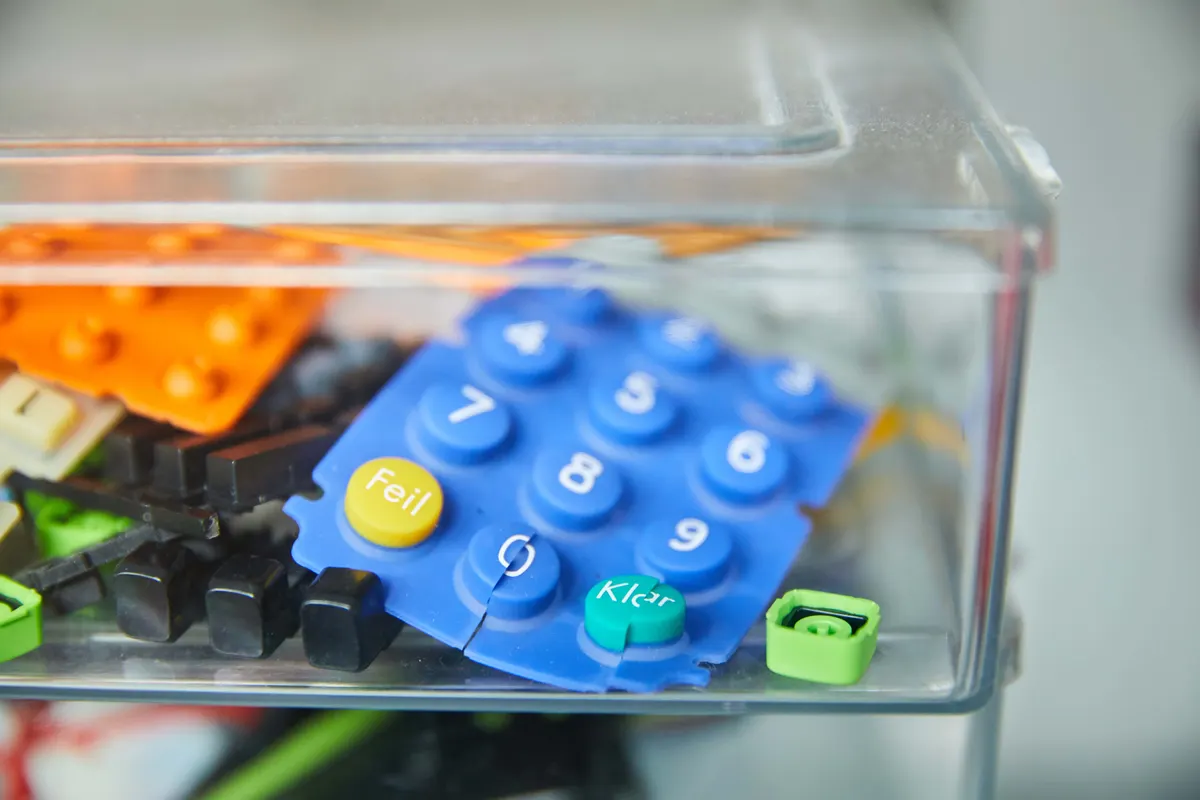
Forget the buzzword. For us, MVP can also stand for Minimum Verifiable Prototype – the simplest version of your idea that still delivers insight. Whether you're prototyping new products or digital services, zooming in on one element at a time (like a single customer interaction) can reveal friction points early. A great prototype doesn’t have to be flashy. It just has to tell you something useful.
Prototyping is always a work in progress
Prototyping doesn’t have a finish line. It’s a cycle of iteration and refinement. The art is knowing when to stop – when a prototype has done its job, even if the final product still holds risk. We’ve learned that even failures give you forward motion, as long as you treat them as fuel for t he next round. The same goes for this blog post. We’ll keep updating it, just like we update our prototypes – with curiosity, feedback and a desire to keep learning.

Need help with prototyping?
Whether you're working on prototyping new products, prototyping digital services, or want to experiment with prototyping with AI, we’re here to support your journey. If you’re stuck, curious or just need a fresh perspective, get in touch with us.