Where desirability, feasibility, viability and responsibility intersect in product design
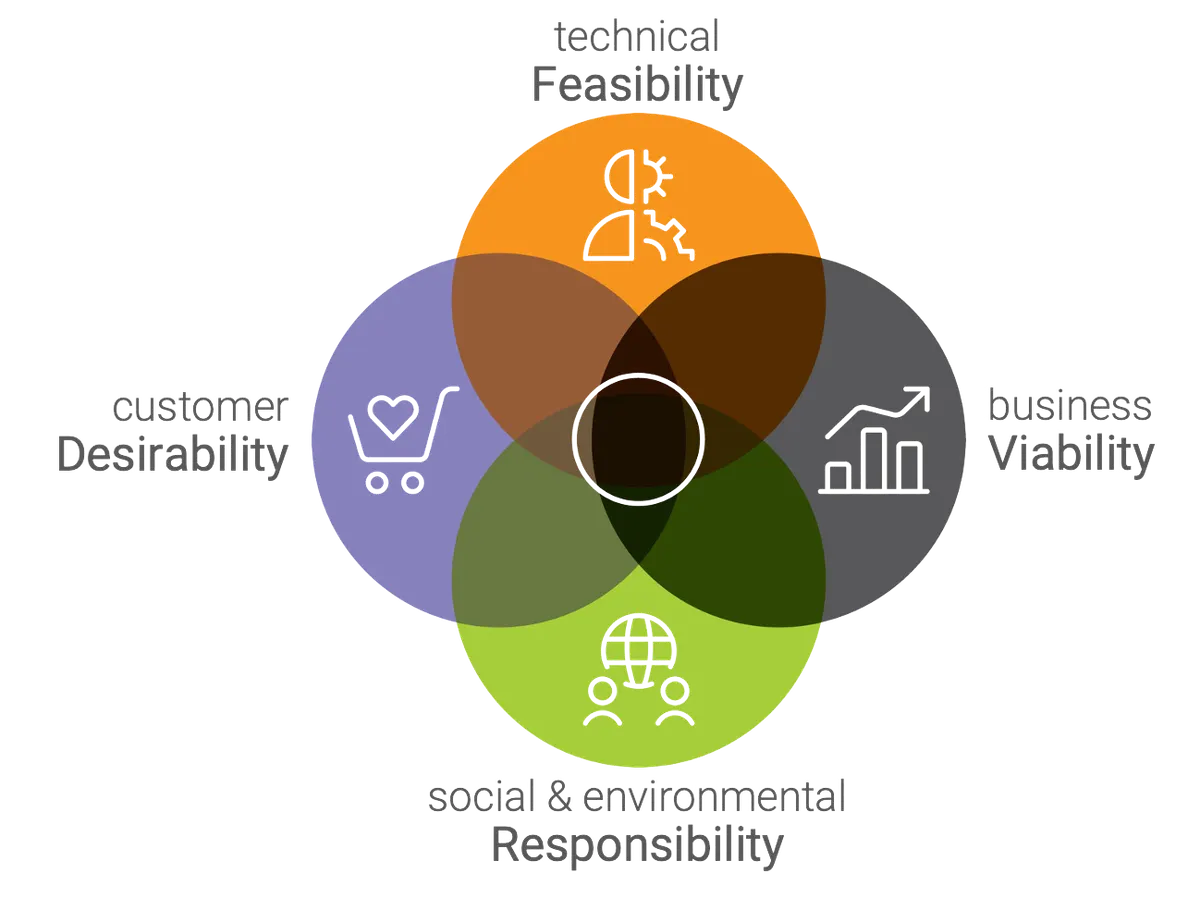
Product design is a multifaceted discipline that encompasses numerous factors. Desirability, feasibility, viability and responsibility serving as the key pillars. At Creaholic, we recognise the critical role each of these elements plays in the design process, as they intertwine and influence one another to create exceptional products that meet the needs of users while aligning with business objectives and ethical considerations.
Establishing emotional connections through product design
Desirability
At the heart of successful product design lies desirability, which extends beyond mere functionality to encompass the emotional connection between users and products. Our designers place a strong emphasis on understanding the desires, aspirations and pain points of your target customers. Through extensive user research, Human Centred Design principles and a focus on user experience, we create products that resonate and forge lasting connections with customers. These positive experiences nurture customer loyalty and help ensure your company’s long-term success.
When viewing the product design process through this lens, ask yourself:
Does the product design and user experience strengthen the emotional connections customers have to your brand or company?
What methods and techniques can be used to understand the desires, aspirations and pain points of the target market?
How does Human Centred Design play a role in creating products that resonate on an emotional level?
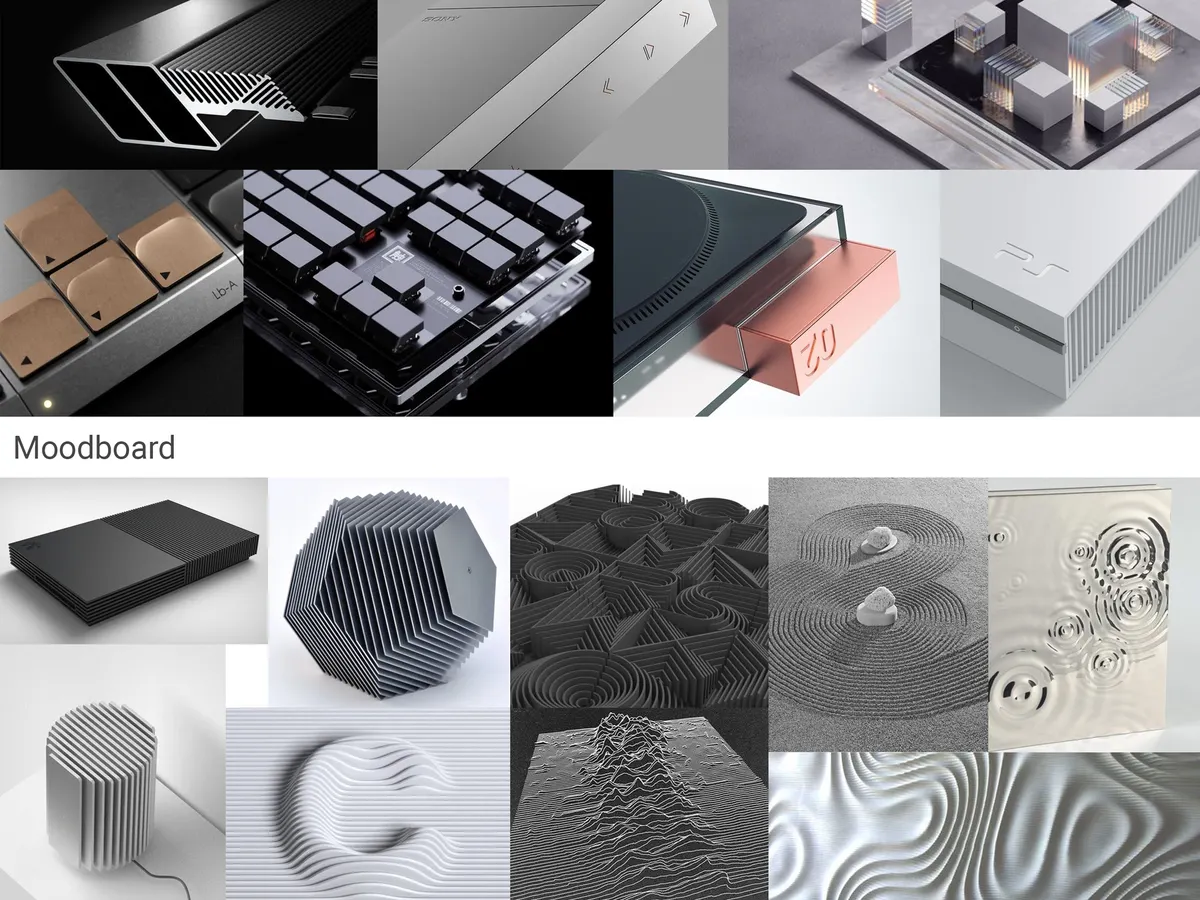
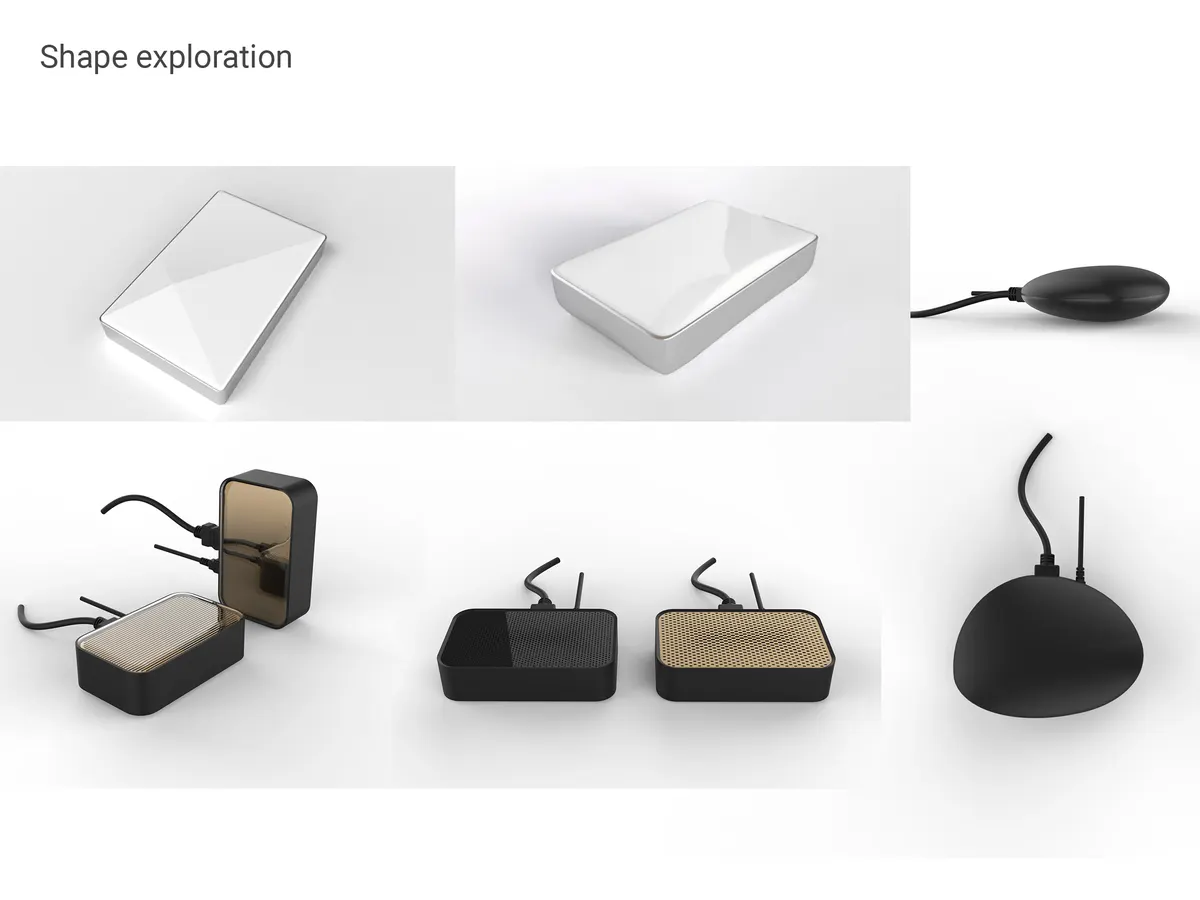
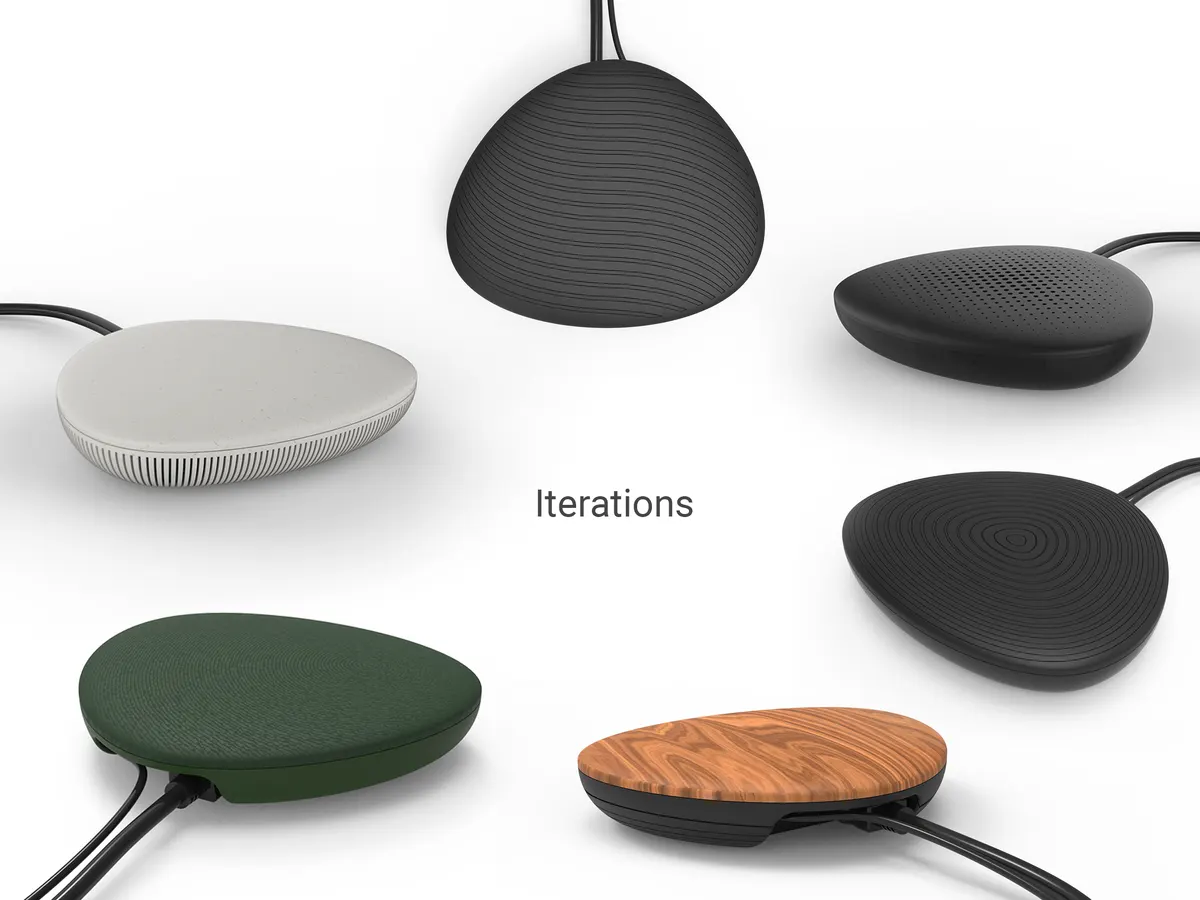
A great example of product design through the lens of desirability is the Shelduck TV.
Navigating technical realities while designing products
Feasibility
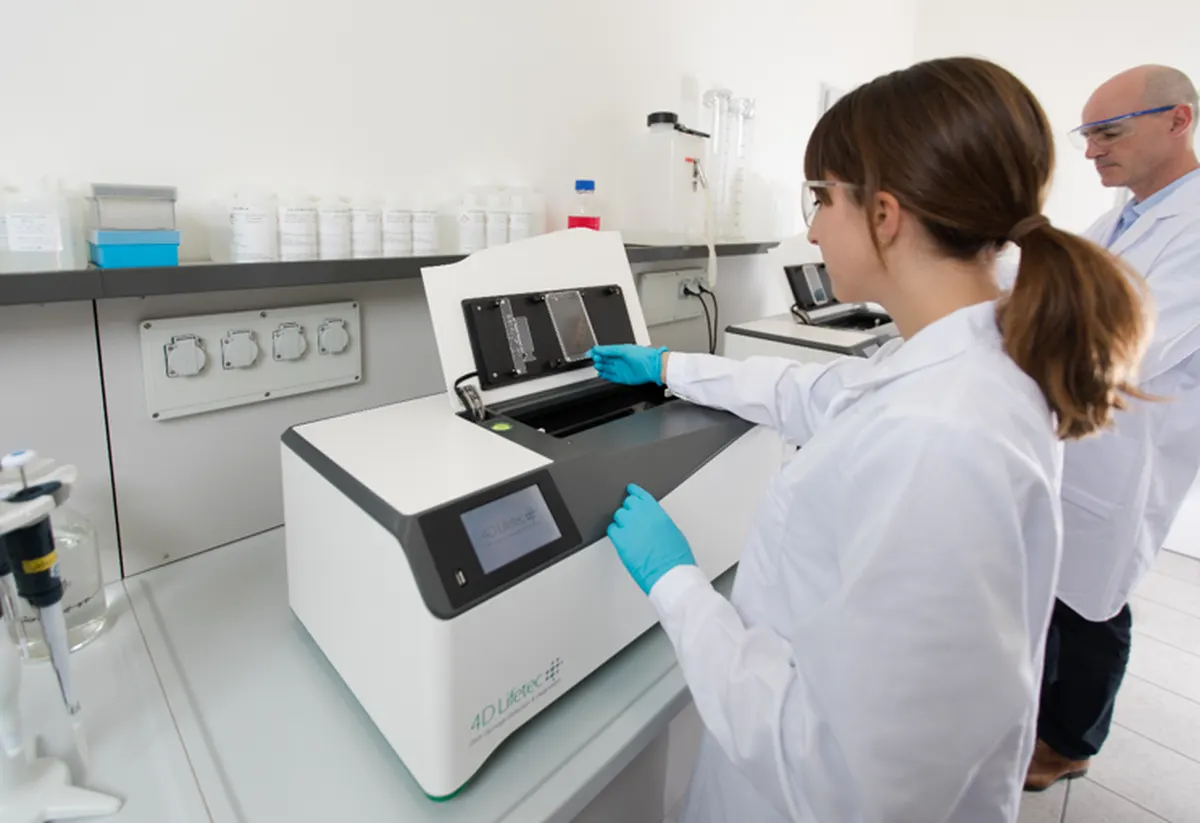
Feasibility serves as the bridge between creative ideation and practical implementation. While desirability explores the realm of possibility, feasibility grounds ideas in reality. Our approach at Creaholic involves close collaboration between product design teams, UX designers, engineers and manufacturers to assess technical challenges and determine what is achievable. By integrating feasibility considerations early in our process, we identify potential obstacles and work toward transforming innovative ideas into tangible, manufacturable and scalable products for our customers. Ensuring our designs are both innovative and technically achievable means we can make them a reality without losing their fundamental qualities.
Looking at product design from this perspective can inspire you to consider:
How do you overcome technical challenges in your current design process?
What are the challenges might you face while turning creative ideas into real products?
How can you ensure product ideas are manufacturable and scalable?
Aligning product design with market demand and business goals
Viability
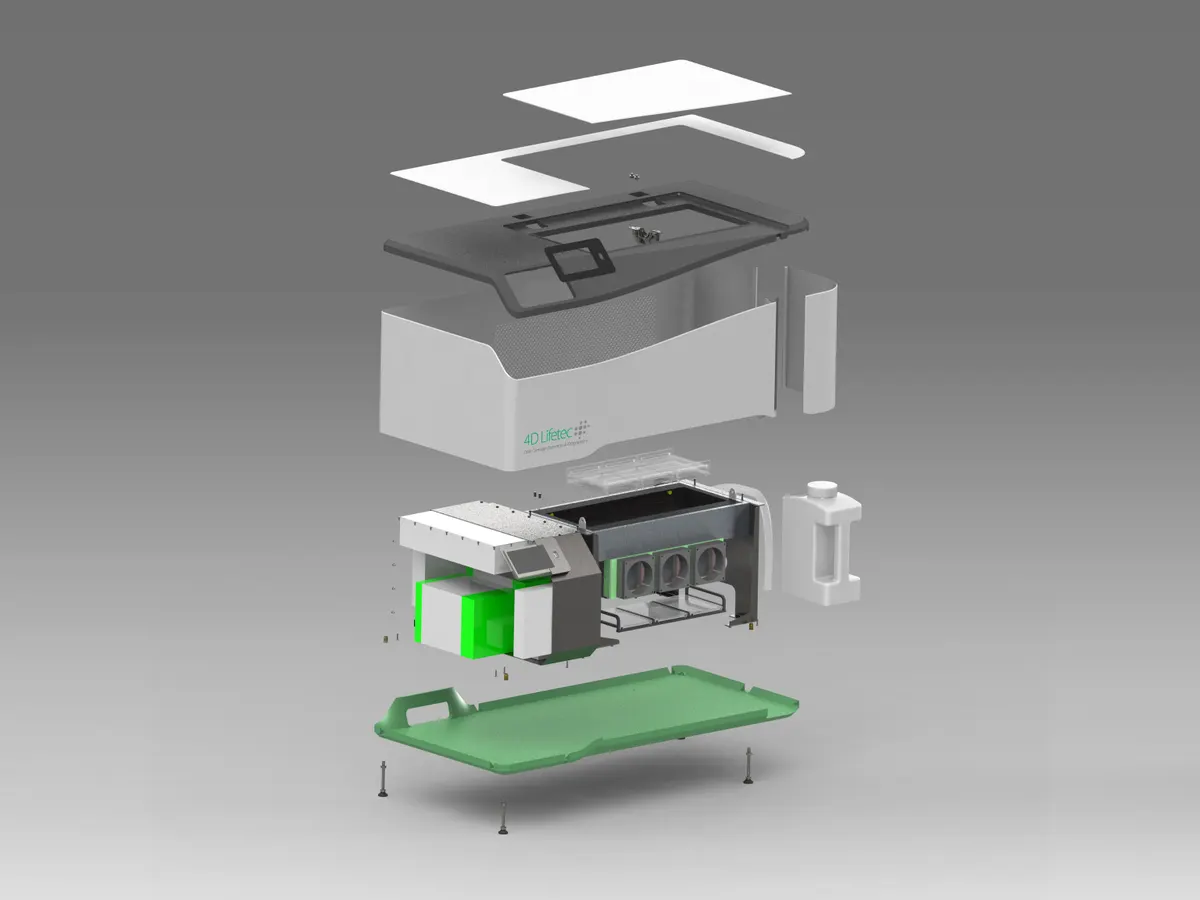
Viability connects innovation and business objectives. By analysing the market, identifying the needs of target customers and constantly refining prototypes, we optimise product design to ensure its profitability and boosts our client’s progress toward their business goals. Viability ensures that our innovative solutions are not only desirable but also commercially successful and financially stable, fostering sustainability and long-term growth for your business, because they are in line with the company’s long-term strategy.
Considering viability sparks questions like:
How can you align a product design with market demand and business objectives?
What steps validate ideas and optimise market fit?
How can you balance innovation with economic feasibility?
Embracing ethics and sustainability in product design
Responsibility
In the modern landscape of product design, responsibility has gained significant importance. We acknowledge our role as agents of positive change, and as such, we seriously consider the impact our creations have on people, society and the environment while designing – and developing – products for our clients. We prioritise ethical considerations such as accessibility, inclusivity, privacy and social implications. Sustainable design practices are woven into our approach, minimising environmental impact through mindful material selection, eco-friendly manufacturing processes, and considering the product’s lifecycle. Responsibility ensures that our designs contribute positively to society and align with our commitment to sustainability.
As responsibility becomes increasingly important to consumers and necessary for the future of our planet, asking these questions will set your product design process on the right track:
What ethical considerations should you integrate into product designs and the product development process?
How can you embrace sustainable design practices to minimise the environmental impact of your creations?
How does responsible design impact social implications, inclusivity, accessibility and privacy in product development?
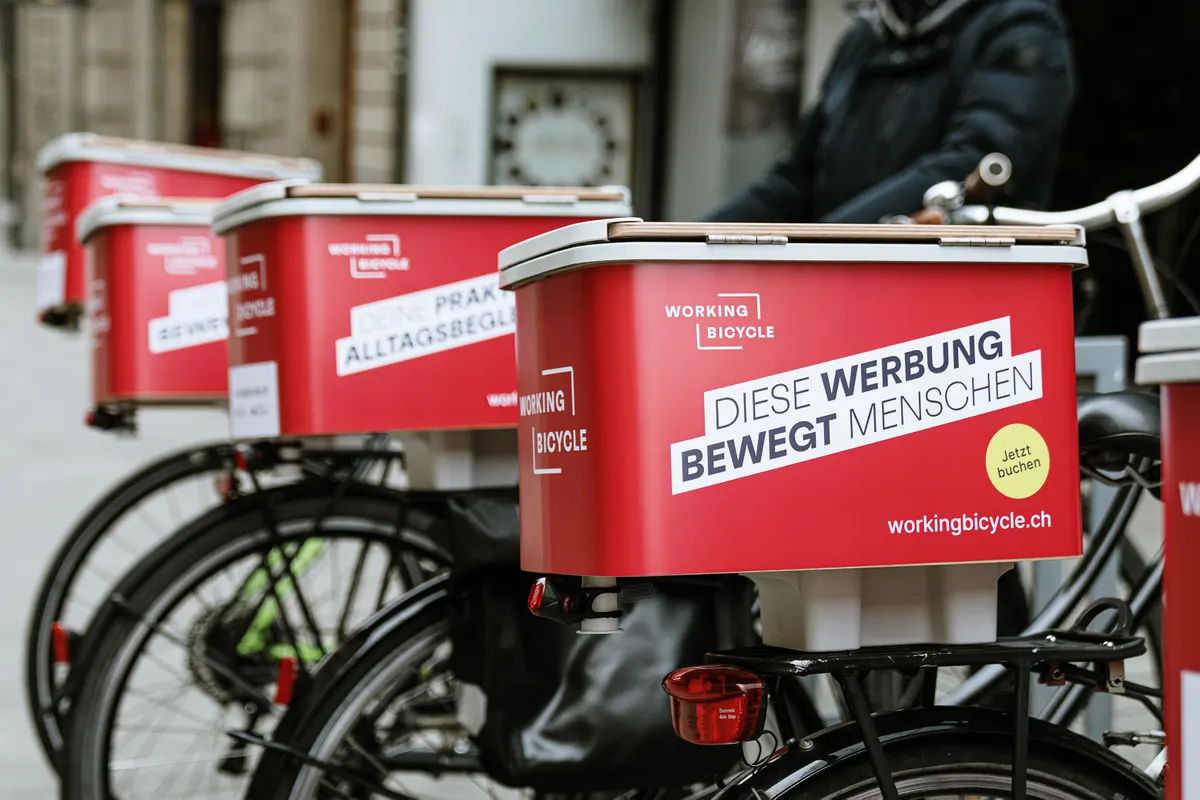
Our projects with Working Bicycle and Help2Type are excellent examples of products that incorporate "responsibility".

The synergy of desirability, feasibility, viability and responsibility
These elements are not isolated but interconnected and interdependent. Creaholic specialises in supporting teams and companies find the “sweet spot” where these four lenses come together.
Balancing all aspects before and while embarking on the product design process ensures that the end result is not only appealing to customers, but also practical, profitable and ethical. This gives organisations of all sizes confidence that their products will meet user needs, increase customer loyalty, meet business goals and make a positive impact on people and the planet.