What it covers
Cities that want to develop a sustainable future will need to foster collaboration between politics, business, public agencies and residents.
This is the motivating principle for the Bernese Ideation Journey, led this year for the 4th time by the Bernese power and water utility, ewb. Since the beginning of this initiative, Creaholic has been an innovation partner for these cross-organisational team sprints, helping create a temporary work environment that gives structured and goal-oriented guidance for interdisciplinary cooperation.
The focus is on the fundamental challenges of a smart city: What does economically and economically sustainable development look like for Bern? How can the various interested parties work together to shape the future? Where are the synergies, potential collaborations and dependencies? How do we address real needs and provide real answers?
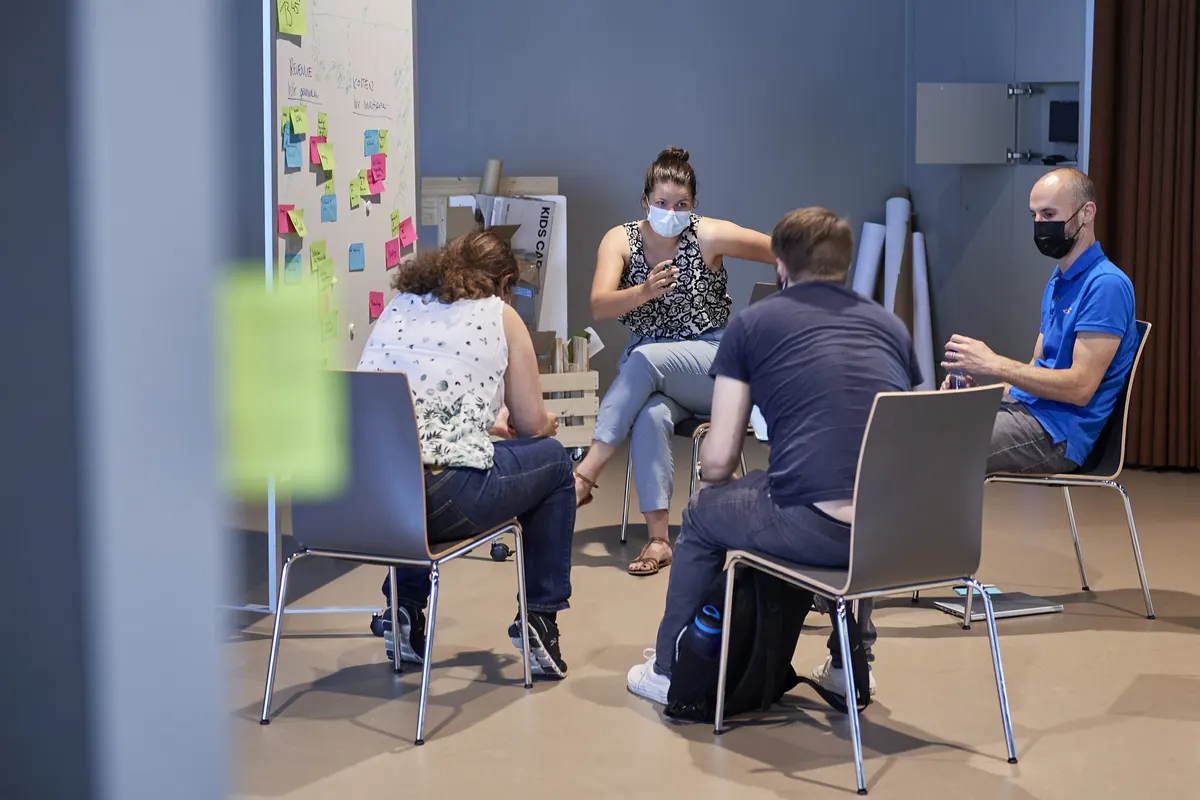
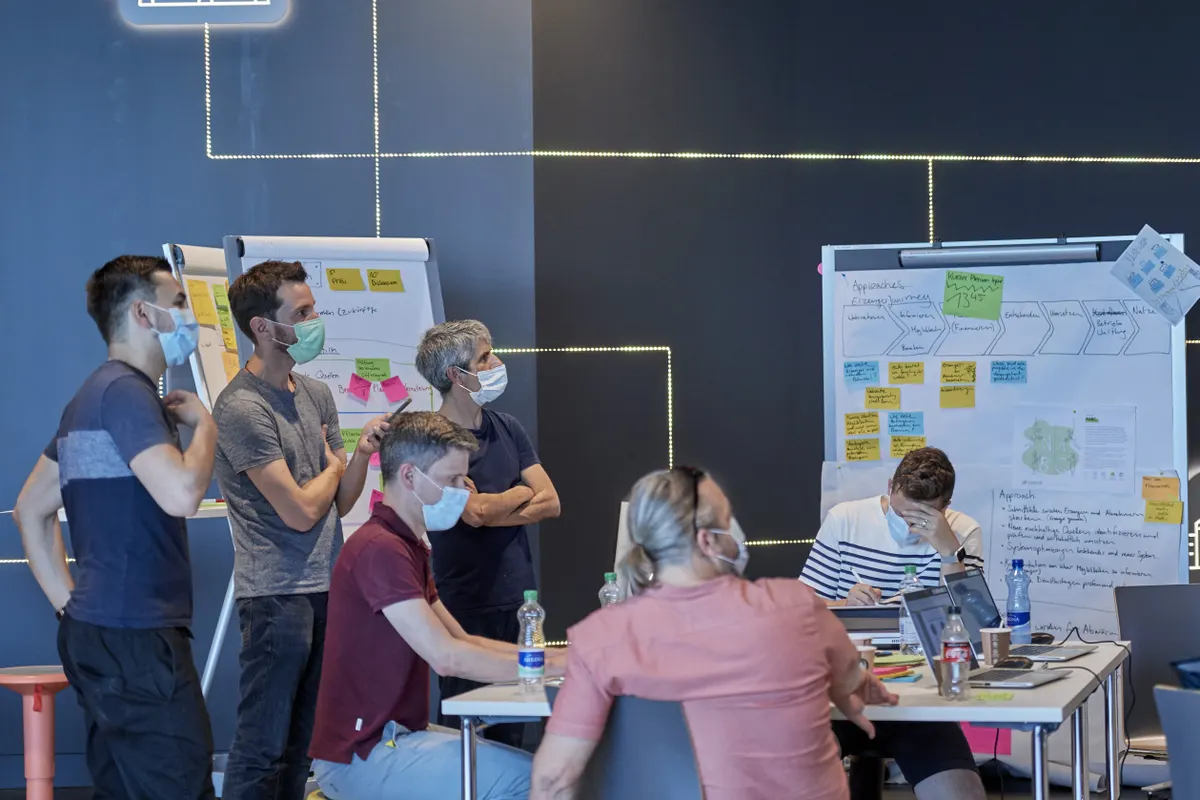
This year, Creaholic provided process experience and methodological competence to support the organisers during the journey design. In addition, each participating team had a pair of Creaholic experts along for the entire process-to guide them through the various steps, help them move from talking to doing, encourage innovative approaches, and visualise the results of their work.
The challenges
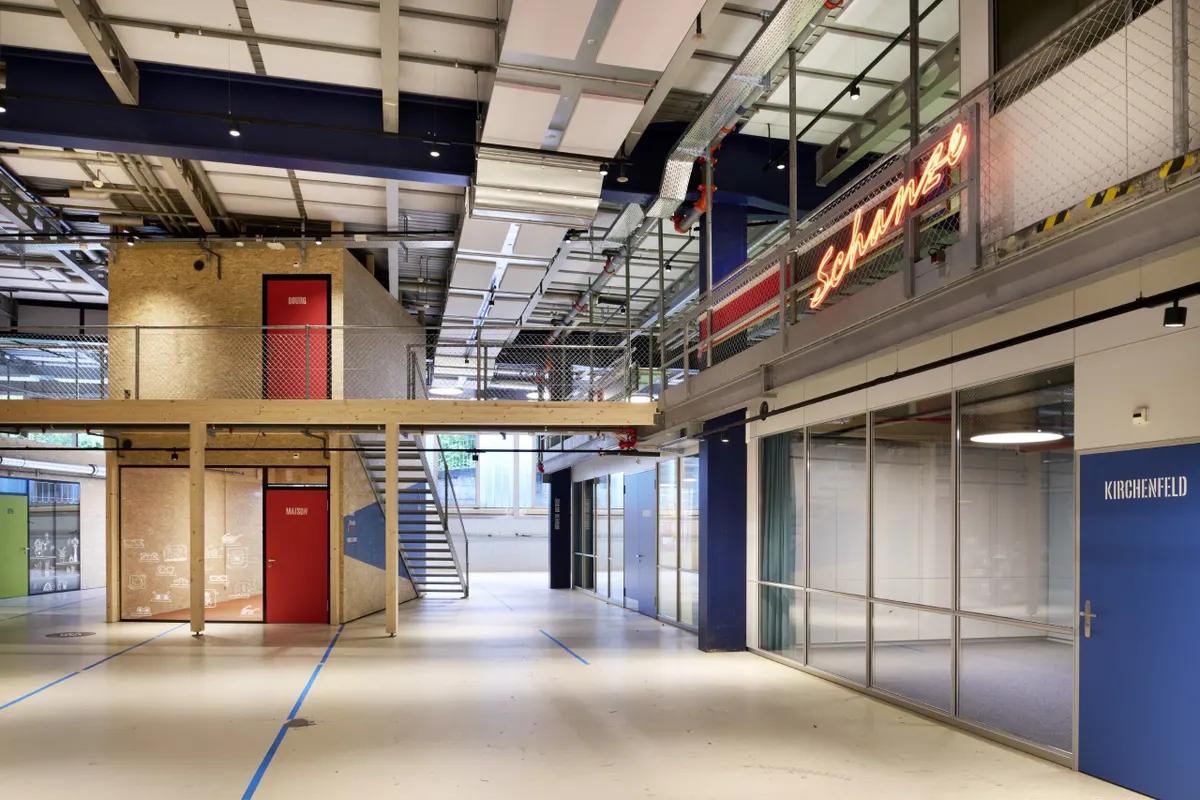
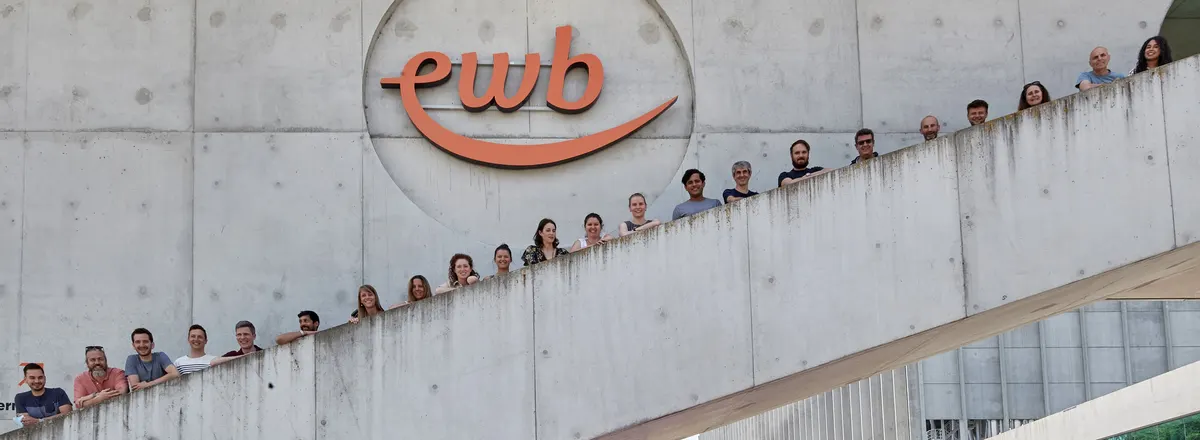
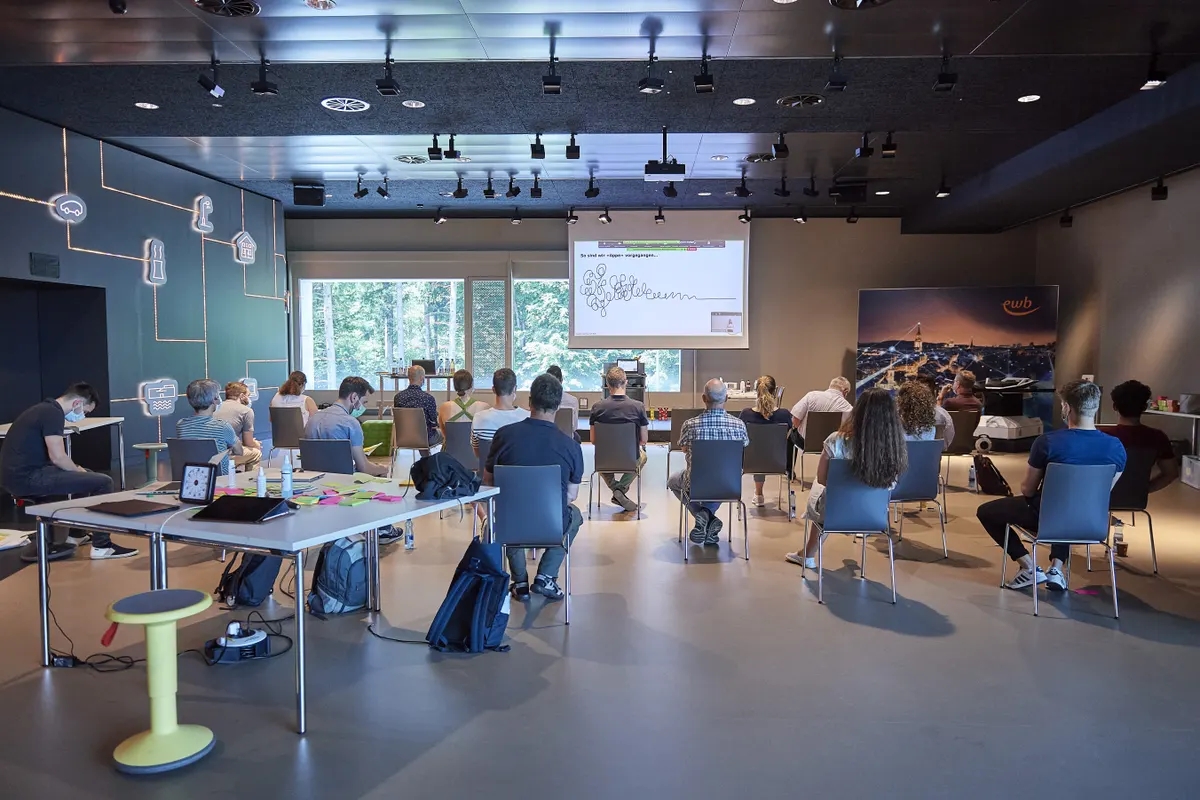
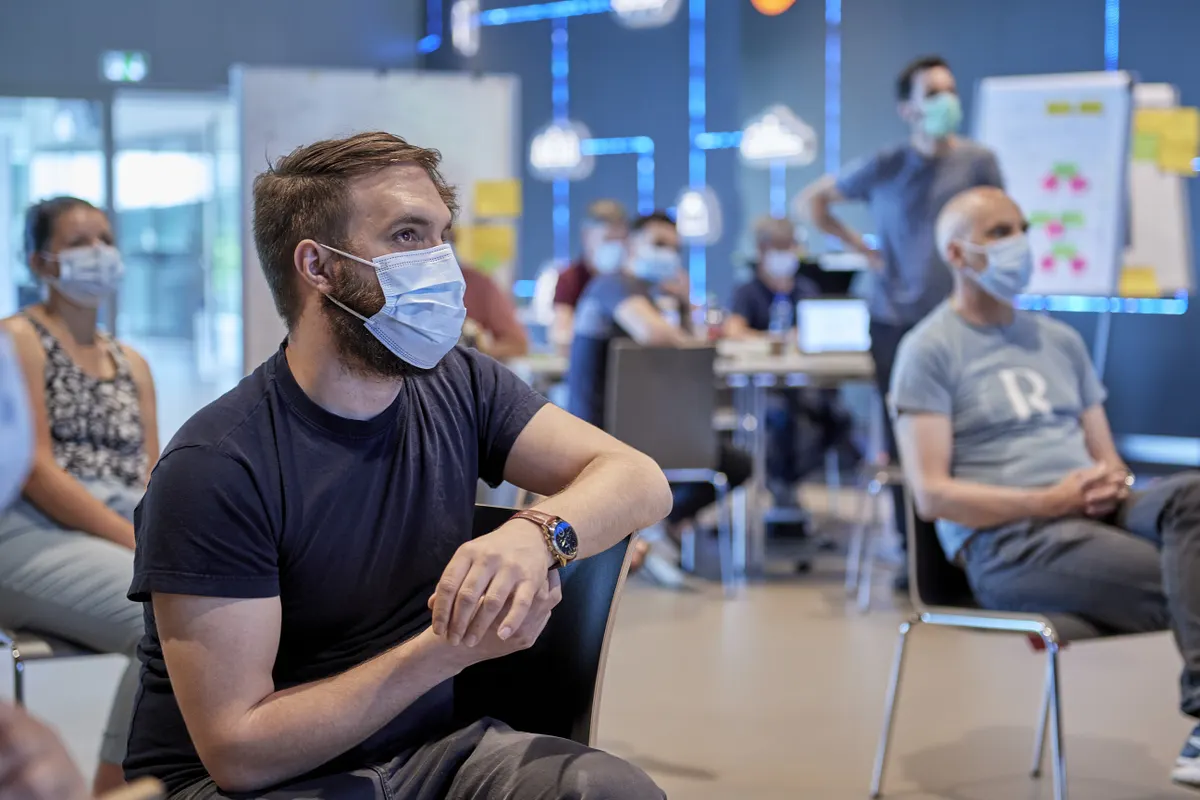
Compared to 2020 this year’s event featured a smaller number of participants, but this meant they could once again participate in-person at ewb headquarters.
The three teams-comprised of participants from ewb, BLS, Berner Kantonalbank, BernMobil, Adesso, daryl.ch and the city -set themselves the following challenges:
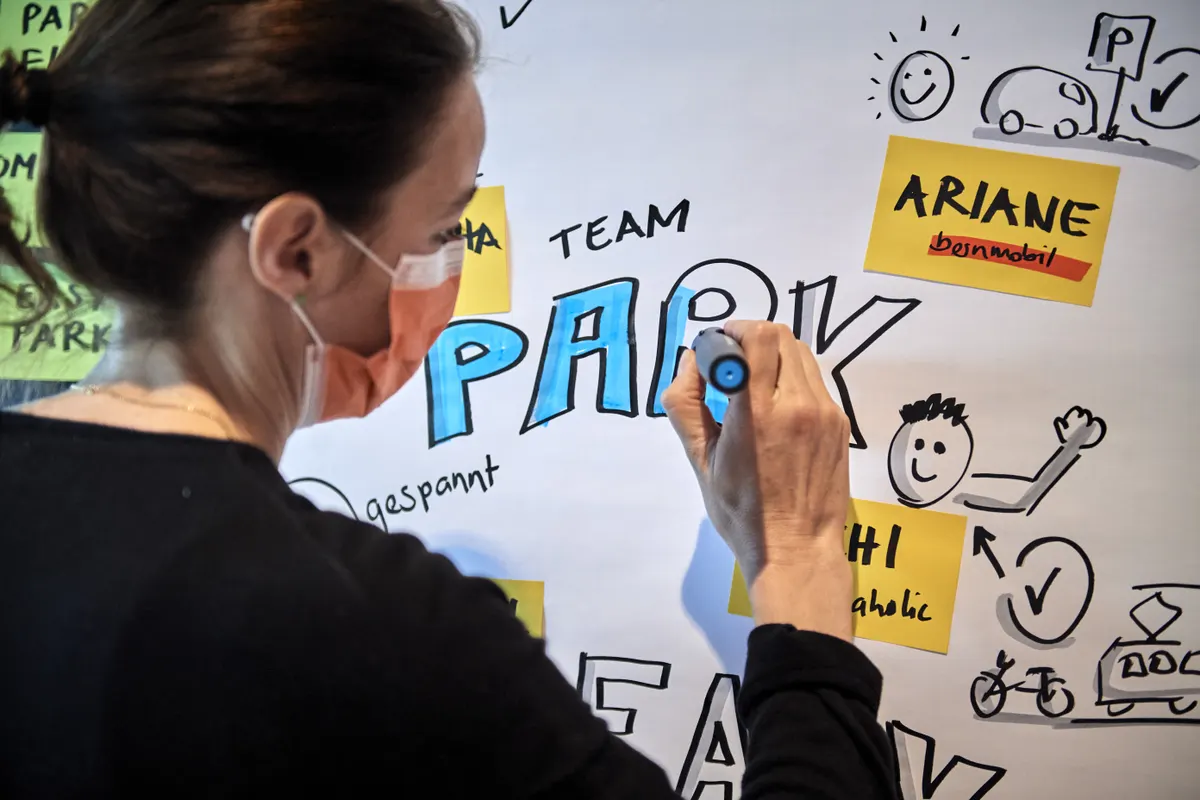
Smart parking management: How can we organise the management of parking spaces in the Ausserholligen development focus area (ESP) in order to add value for both the owners and future users?
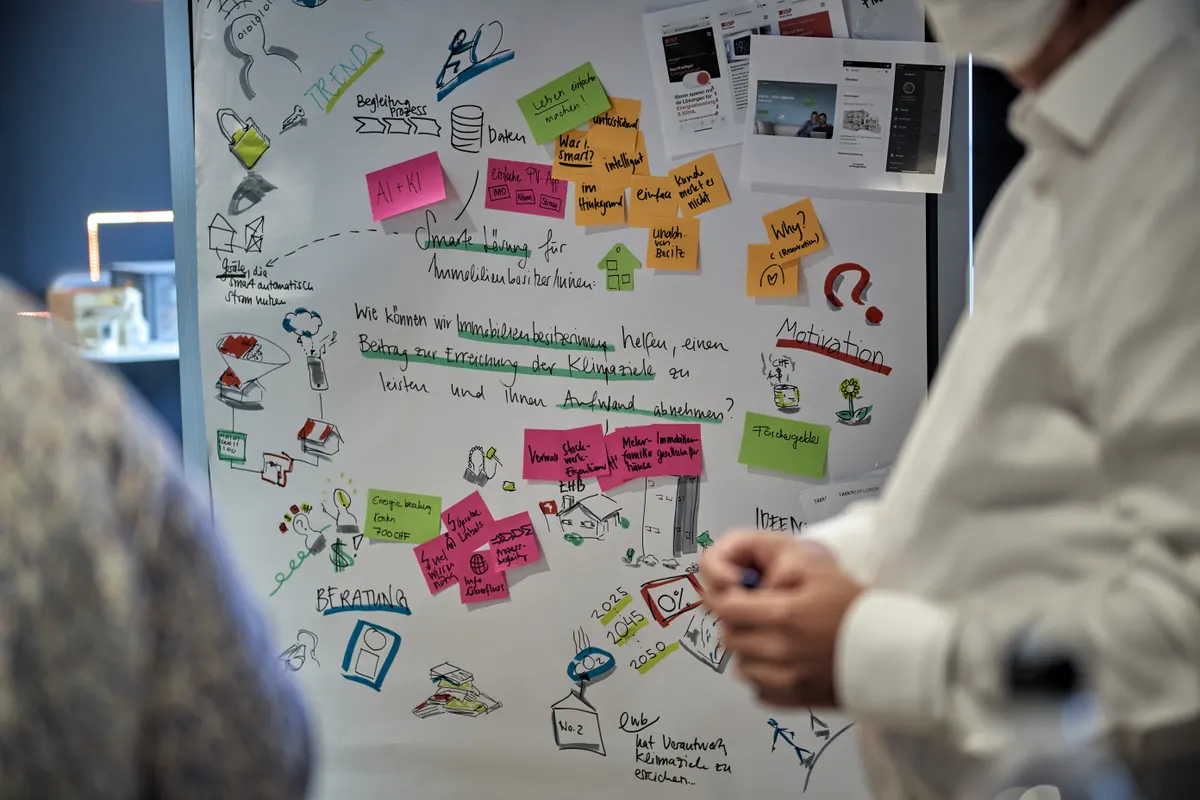
Smart solutions for property owners: How can we reduce the burden on property owners and help them contribute to achieving shared climate goals?
Data centre waste heat: How can we get added value from the waste heat produced by existing data centres-for example, could it provide district heating?
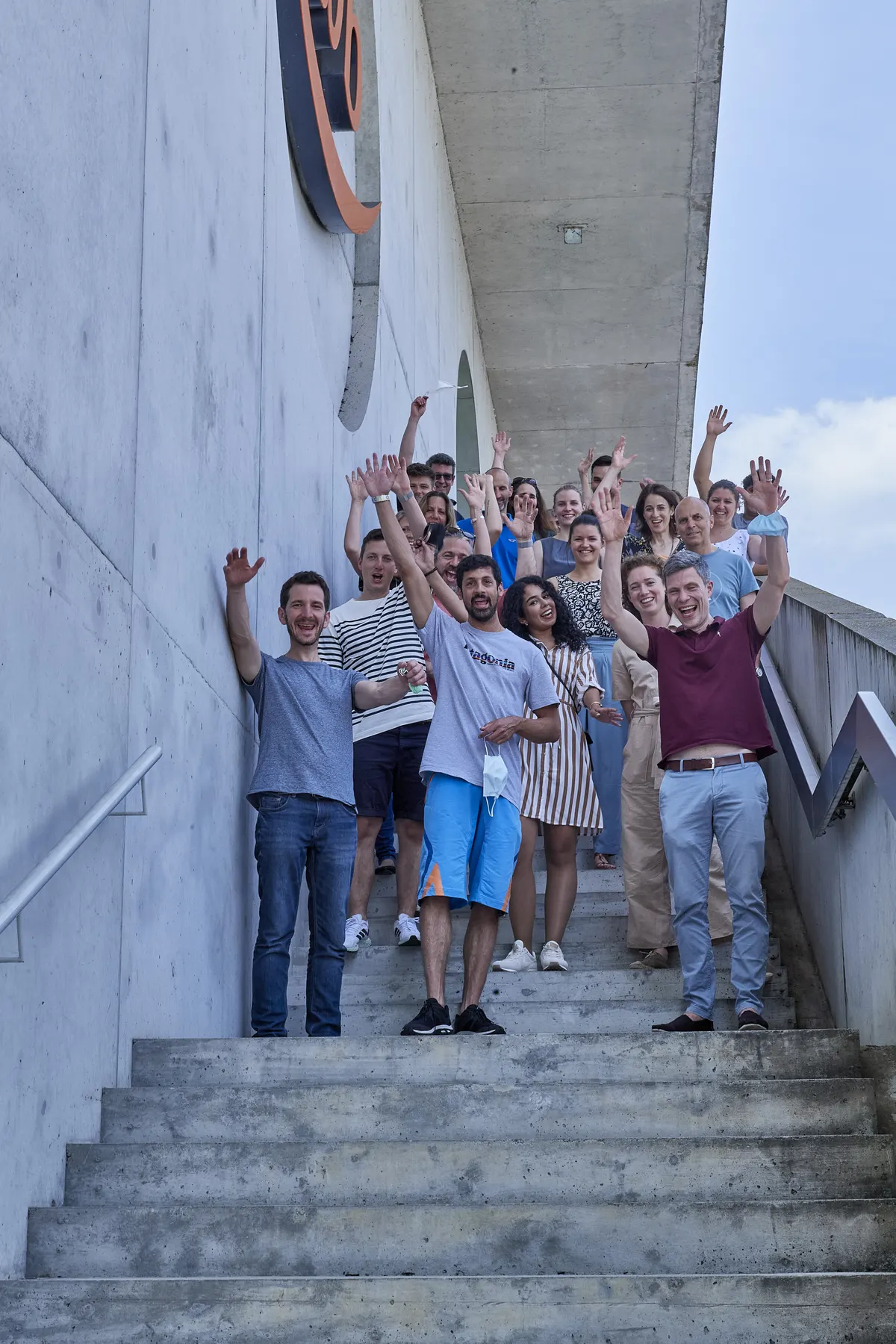
All together now
Day 1
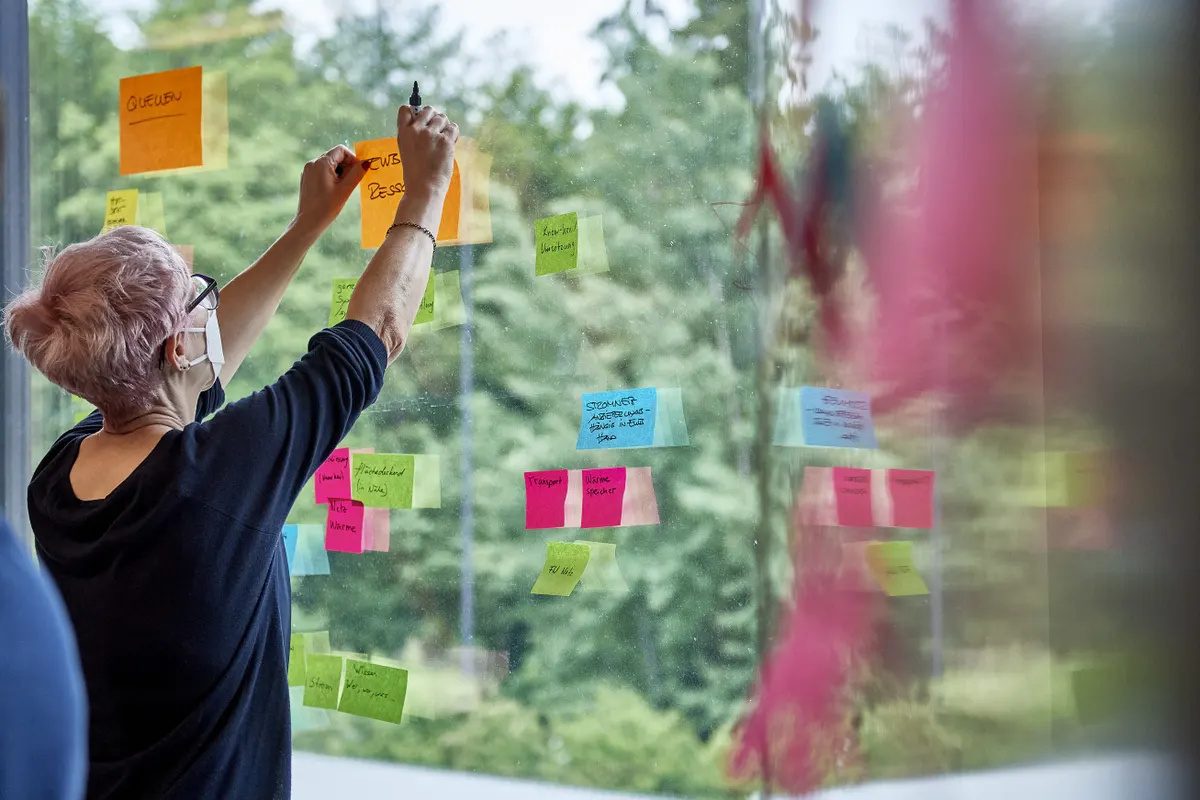
The first day focused on understanding the problems. Where are the pain points? What is in focus? What assumptions do we have regarding the thoughts or actions of the people involved?
Day 2
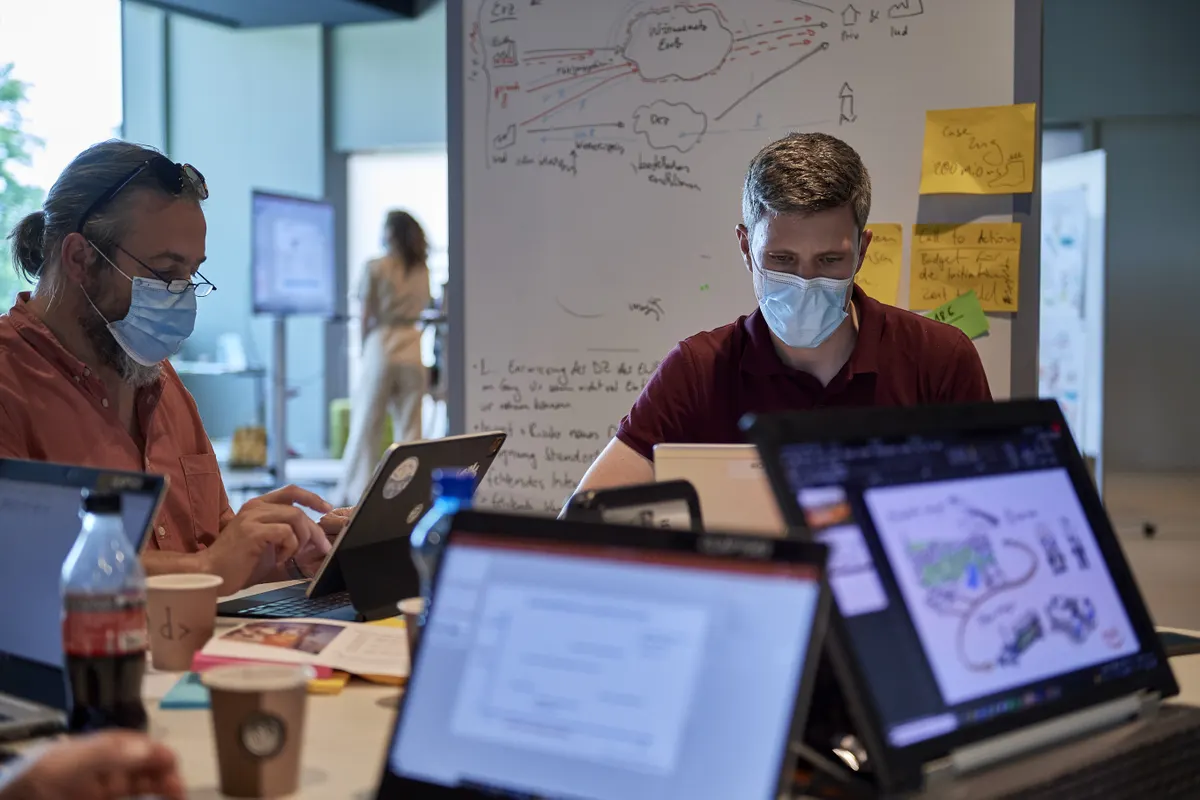
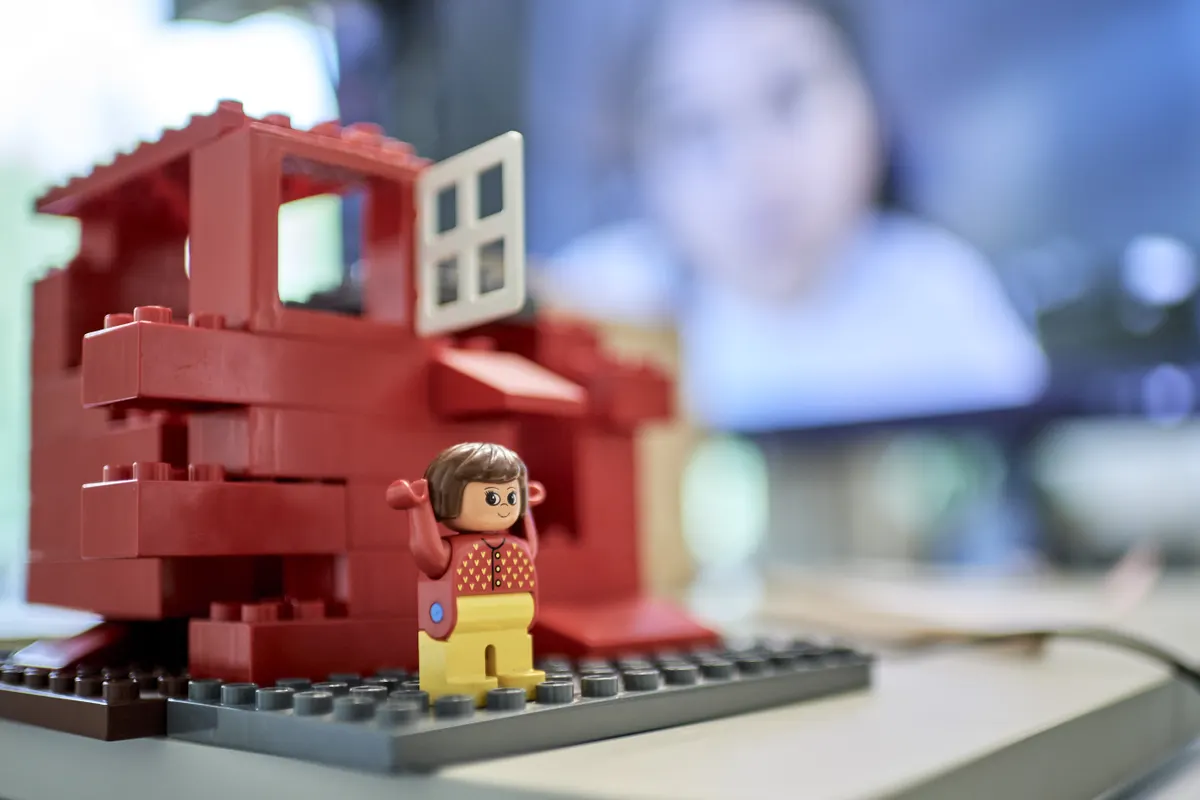
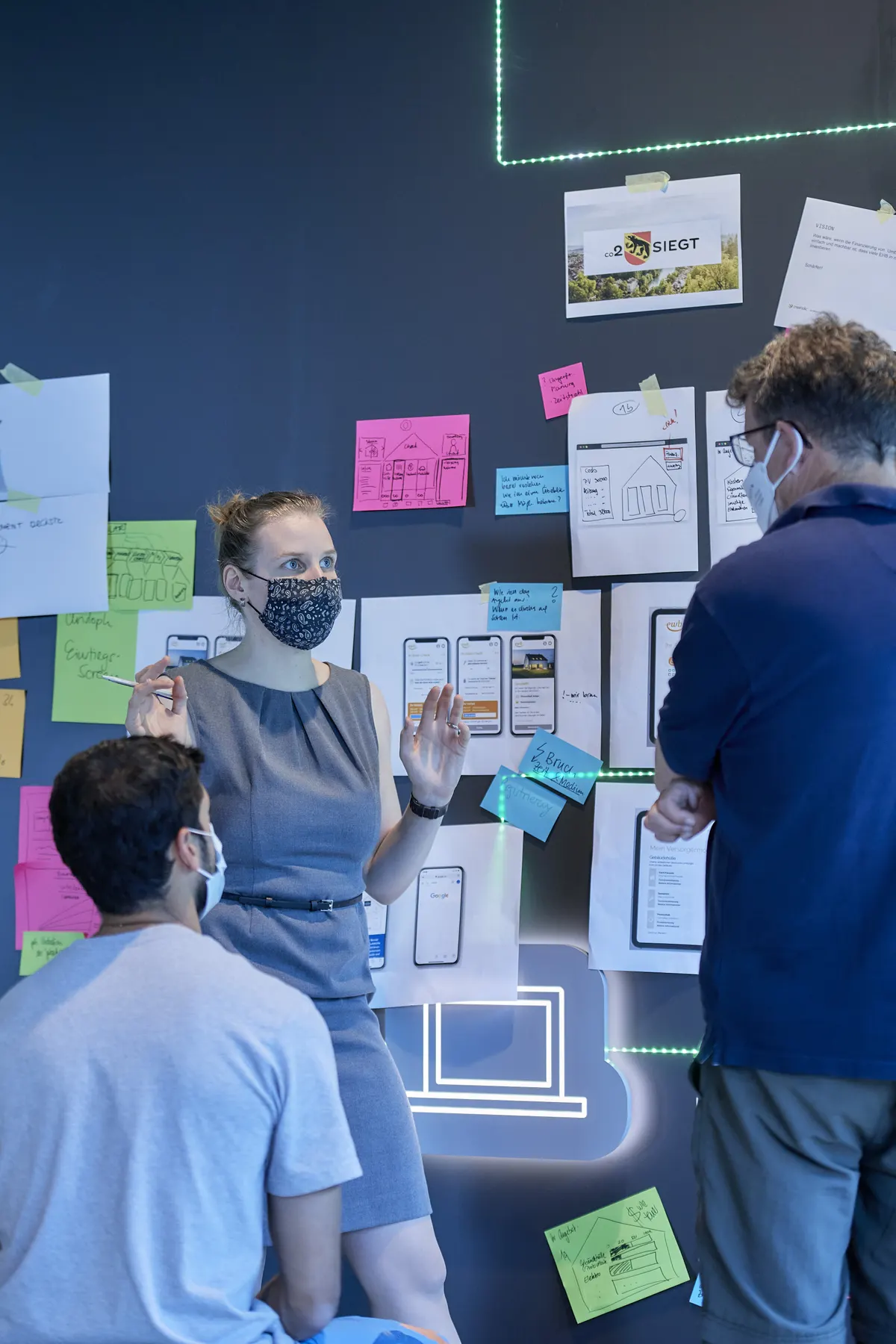
The teams used the time from day 1 to day 2 to validate their assumptions by consulting with representative customers and other affected parties. As a result of this, ideas were generated and the first visualisations and prototypes were created.
Again and again, teams realised they had to find new approaches, because customer interviews didn’t reveal any needs, or because other hypotheses remaining from the preliminary stages could not be confirmed. It is exactly this process of iterative improvement that makes an ideation journey so exciting.
Day 3
Day three was consumed by in-depth work on the further development of prototypes. Potential users put the ideas through their paces, and their feedback provided significant support for further development. The teams developed a first business case to test the economic feasibility of their concept: what advantages does this solution provide? And what do we have to invest in order to refine this idea further?
Day 4
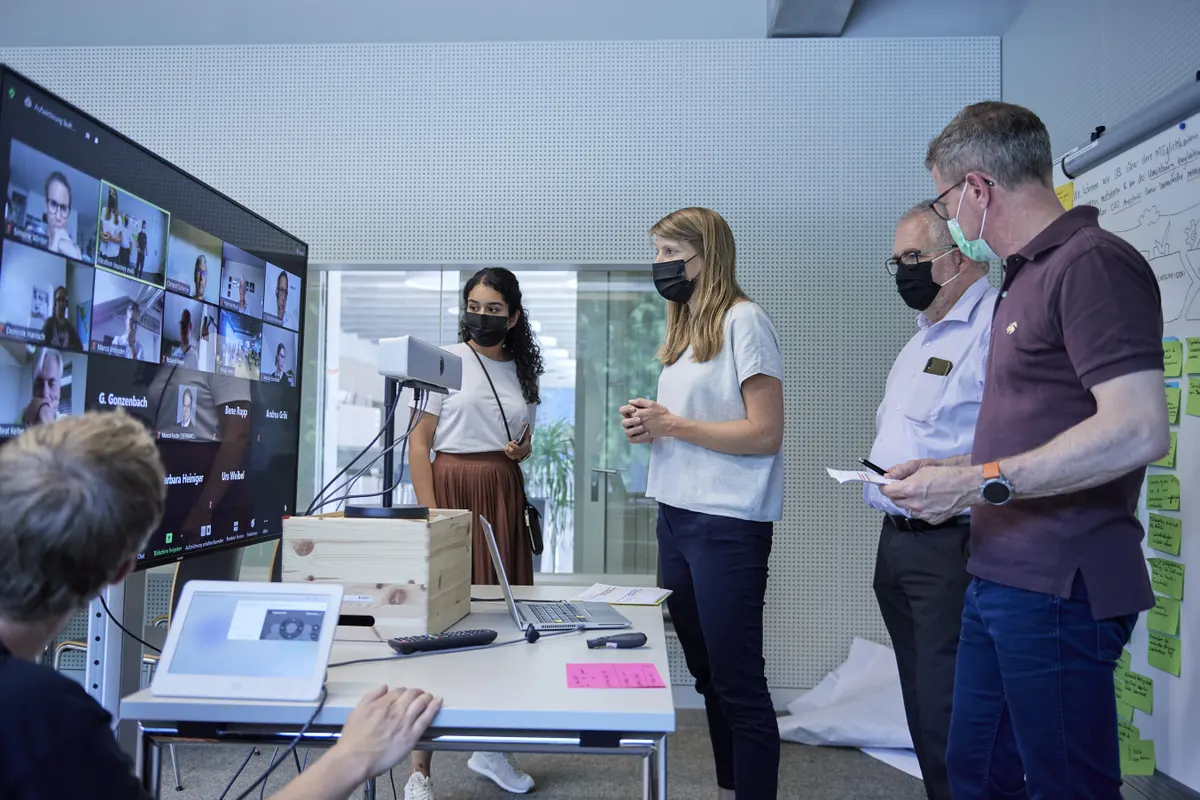
The days of intensive collaboration flew by and on day 4 the teams used a hybrid online/in-person event to present the ideas to a jury comprised of top-level members from politics, business and the public sector.
The results
Two of the three topics got the go-ahead for further development. The third team, which didn’t get a “go”, nevertheless got the opportunity to pass along their ideas and findings to a specialist team on challenge day.
The ewb 2021 Ideation Journey beautifully demonstrates how added value arises when representatives from the affected ecosystems play a part in tackling their own challenges. Furthermore, it shows how exciting ideas for the future can apply to many organisations simultaneously. Together for a sustainable future-for everyone.
Would you also like active support for your innovation projects? Or are you looking for a partner that can help you implement a creative design sprint? Then send us an email.
Pictures: © Copyright 2021 Energie Wasser Bern – All rights reserved.
Do you have a similar challenge?
Are you inspired by this case study and interested in discussing a similar collaboration?If so, then reach out to one of our experts!