
The challenge: 50 million passengers aren’t enough
The BLS transport organisation moves 50 million passengers yearly on their busses, boats and trains. However, the utilisation of their transport network varies wildly. During rush hour times in the morning and evening, trains are often packed to capacity, but on weekends or other off-peak times there is plenty of free space.
The BLS has the goal of optimising use of their trains-and their Leisure Offers are one strategy to help meet that goal.
Our mission: What will the BLS leisure offer look like in the future?
In recent years, passenger numbers have stagnated, and existing license agreements with leisure partners are about to expire. With all that as a background, Creaholic was commissioned to build the data foundation for a sound decision regarding the future of the BLS Leisure Offer sales. There were a few key questions to be answered. Should the BLS:
Continue to sell leisure tickets through their online shop?
Run a separate website for inspirational offers?
Explore new routes to remain profitable in the future?
Our approach: Interdisciplinary teamwork and substantiated results
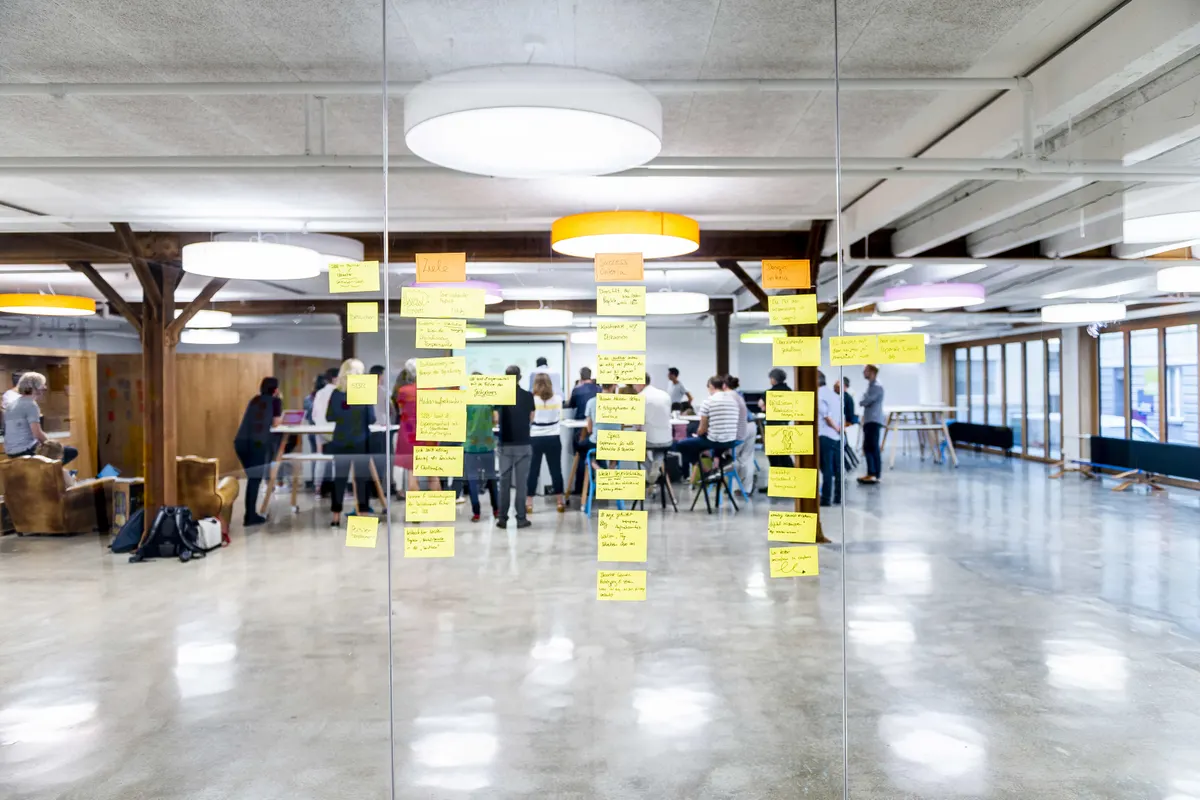
In order to answer these questions, we put together an interdisciplinary core team of Creaholicers and colleagues with expertise in many relevant business areas. In joint workshops, knowledge was collected, questions answered and the status quo challenged. Creaholic took on the role of process leadership, running the workshops and also carrying out a substantiated business analysis according to our three lenses: technical feasibility, profitability and customer needs. This business analysis included the following elements:
Customer insights (quantitative survey, customer interviews)
Website traffic analytics
Market analysis of Swiss leisure opportunities
Analysis of mega trends in leisure activities
Ideation Workshop with the team for creative ideas in the leisure sector
The result: The approach is the most important lesson
As part of the results workshop, the cross-functional project team and their managers received clear recommendations related to each question. These recommendations were used to make a clear, data-driven business decision.
But the value of this collaboration went beyond the specific deliverables on each question. The core team also benefitted from the experience of analysing every aspect of a problem according to the customer’s experience, and using that mindset to work across departments towards a common goal.
Do you also need support to analyse and implement decisions based on your customers’ needs? Are you looking for a new perspective to help you question the status quo? Then send us an e-mail.

Do you have a similar challenge?
Are you inspired by this case study and interested in discussing a similar collaboration?If so, then reach out to one of our experts!