
Why begin this journey?
Back in 2003, the visionary Carsten Schloter, CEO of Swisscom at the time, had a brilliant hunch. He knew that as a technology provider, it will become important (and, indeed, essential) to differentiate the company by providing relevant customer experiences, instead of delivering just more MB/s.
This raised a tough question: how is it possible to shift a technology-driven internal culture towards a more customer-centered one? He sent Christina Taylor to Silicon Valley to find answers.
Five years later, Christina came back to Switzerland to start the transformation journey with a small team. This was the beginning of the Swisscom Human Centered Design story.
(If you are new to the term Human Centered Design, we recommend you first read our blog article about Human Centered Design)

The importance of the work environment
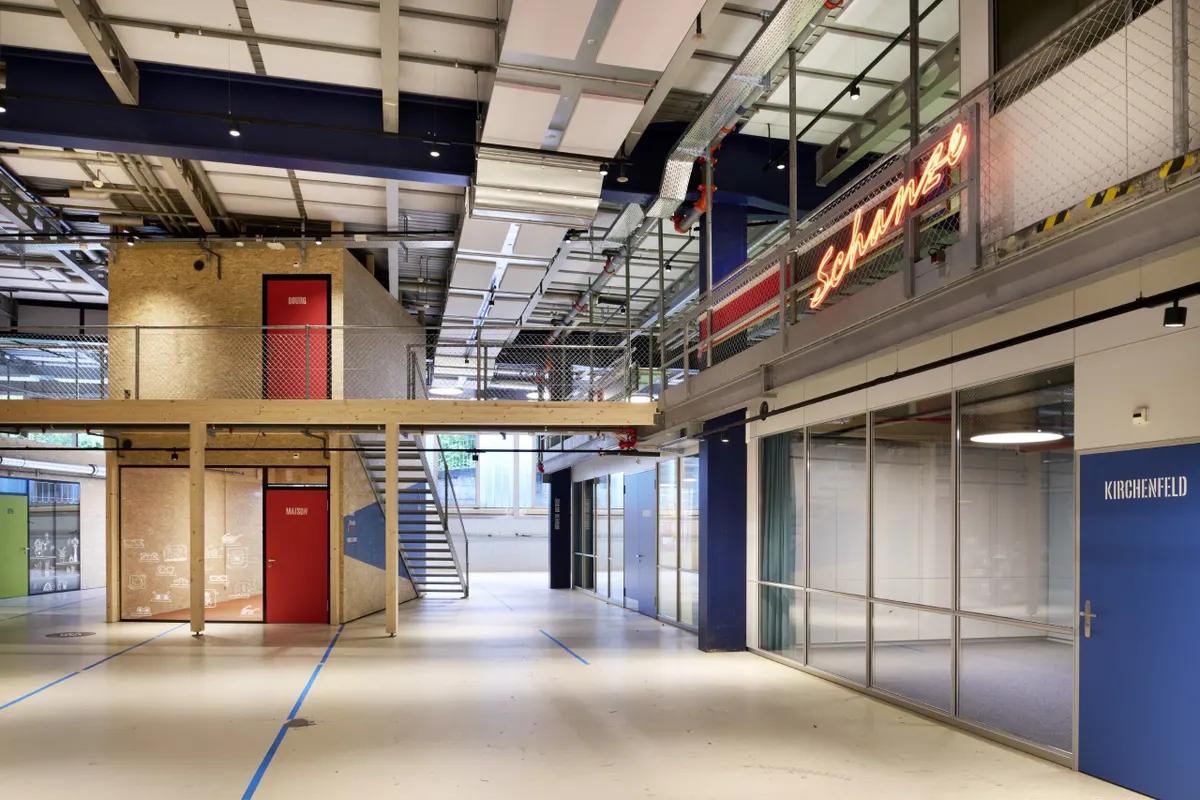
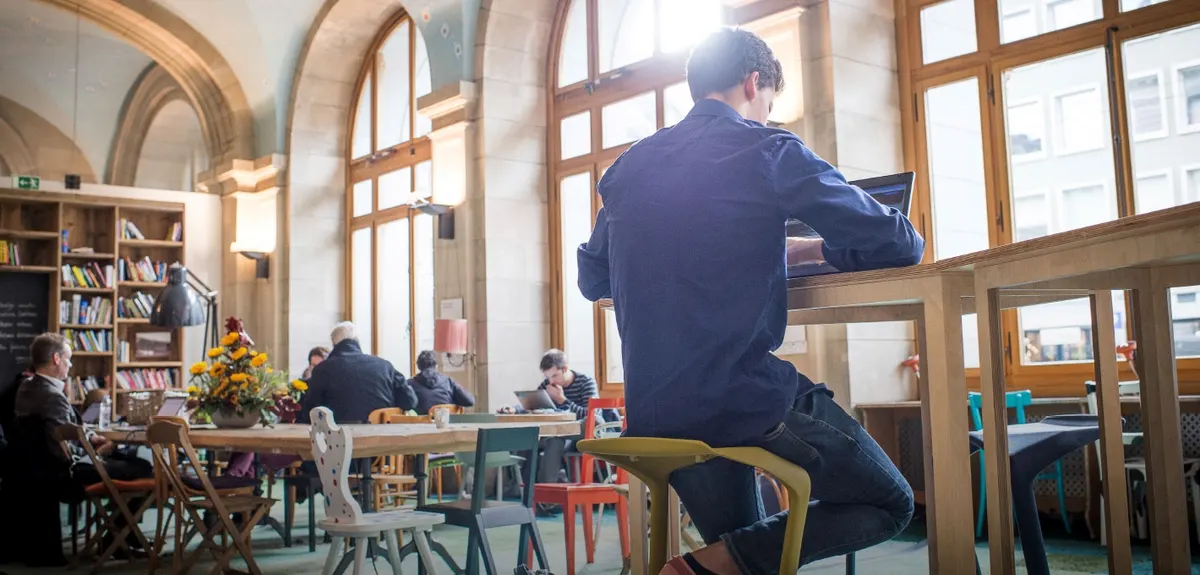
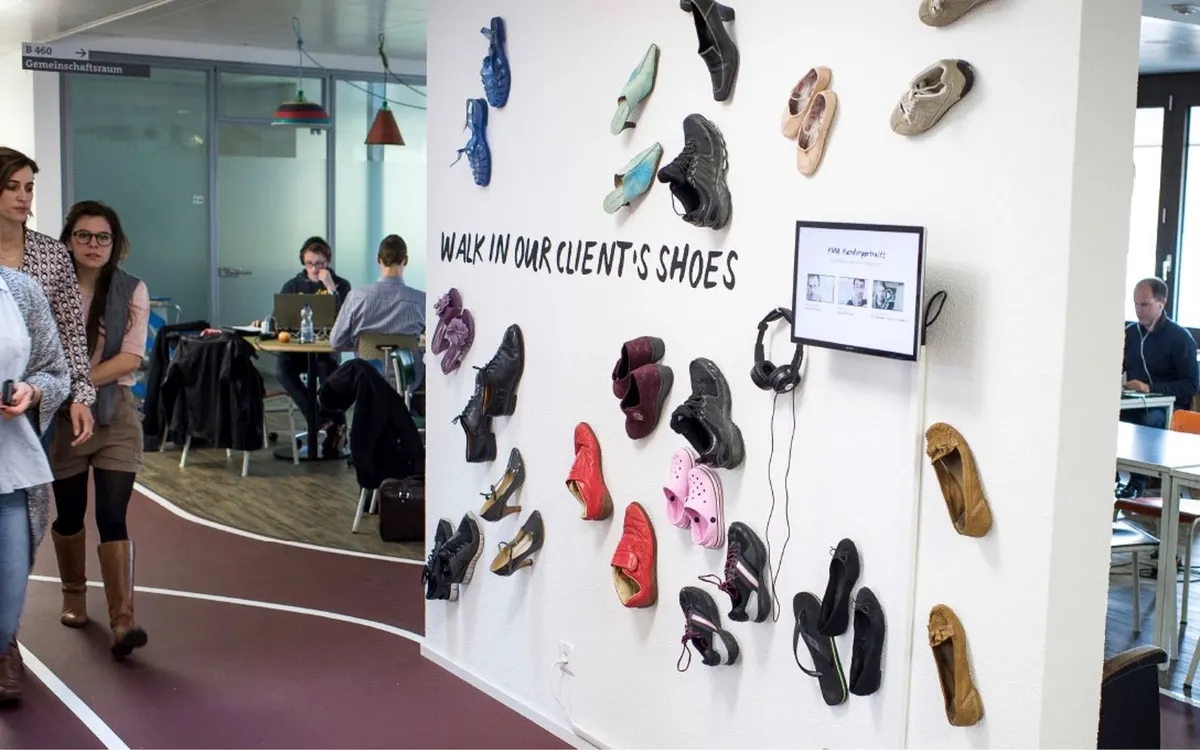
One important insight was that spaces and working areas have a strong influence on us. They influence our state of mind, our behaviour and even the rules and interactions between people. Ultimately, spaces are one mechanism to help build a future-oriented working environment; they promote innovation by encouraging collaboration, agile development methods and informal exchange of knowledge.
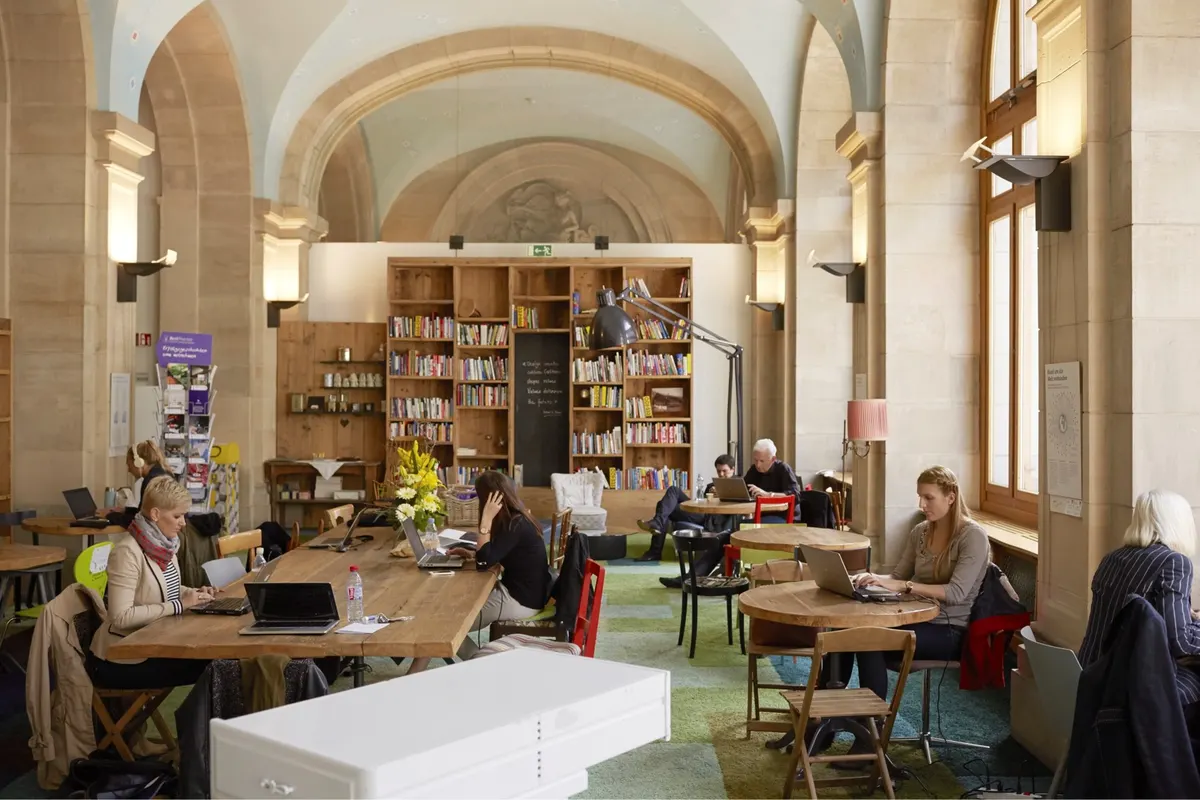
Accordingly, one of the first projects that Christina’s HCD team undertook was a complete redesign of the entrance hall of the building at Genfergasse 14 in Berne. The space named “BrainGym” became a hotspot for collaborative work and significantly increased the capacity utilisation of this very central space. More spaces were redesigned soon after
Defining methods, tools and processes
But one more thing was clear, too: newly designed working areas do not change culture on their own.
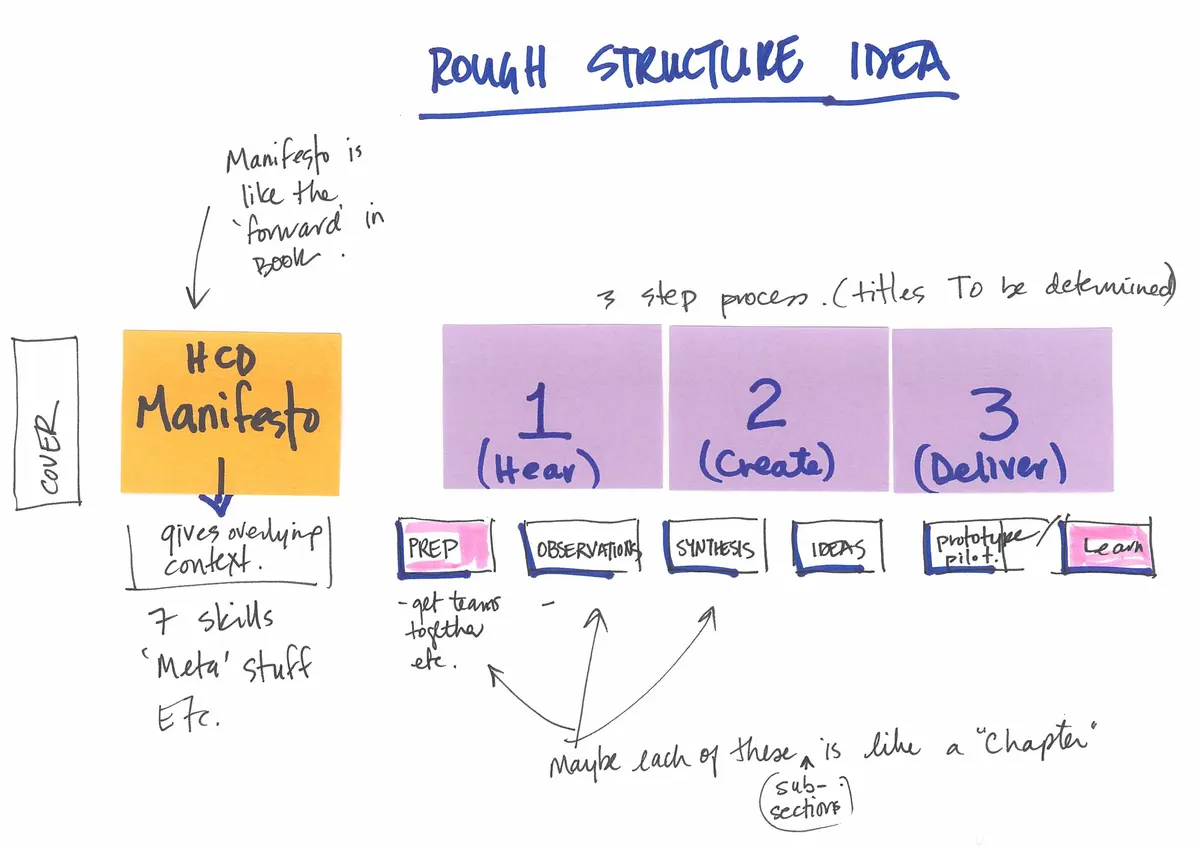
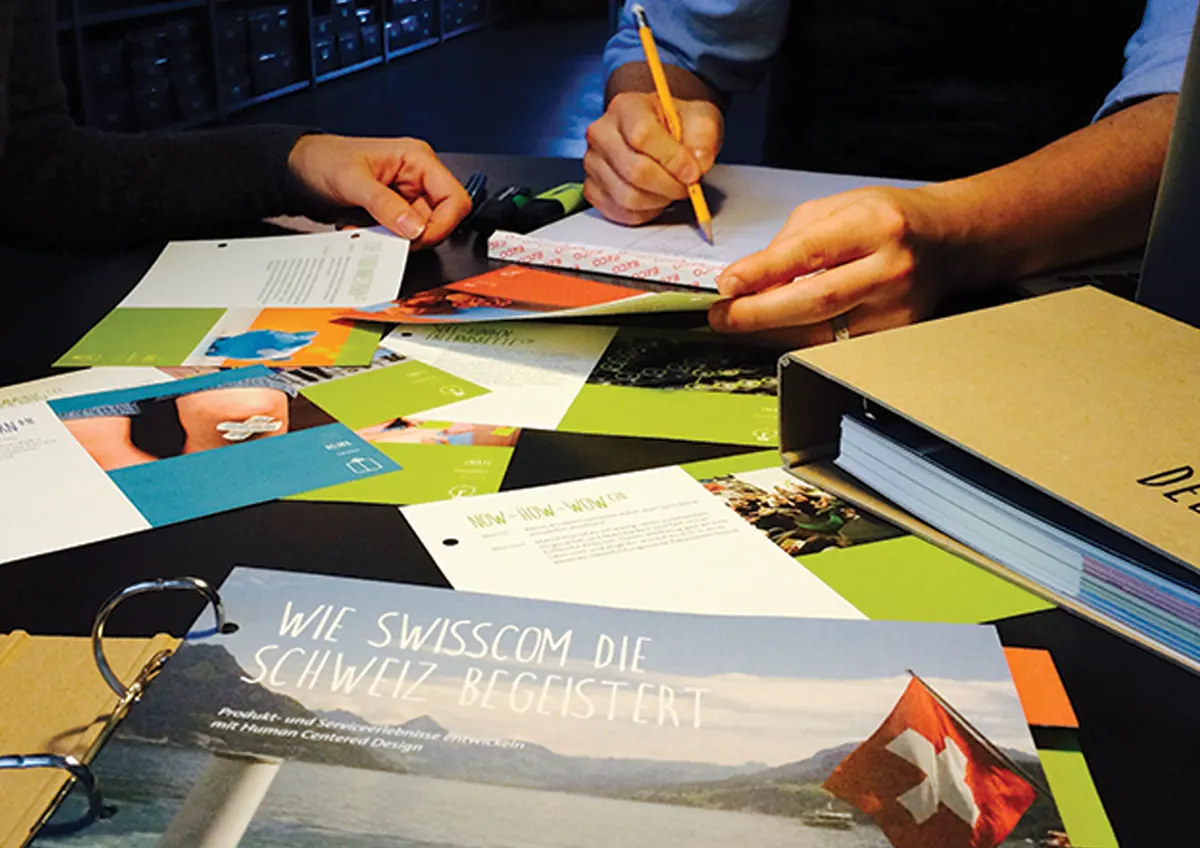
Methods, tools and processes were another piece of the puzzle. The HCD team realised that it was necessary to articulate, visualise and communicate the methods, tools and processes so that these could be easily shared within Swisscom. To achieve this, the HCD team and Creaholic worked together for the first time (long before we eventually joined forces).
The result of this collaboration was:
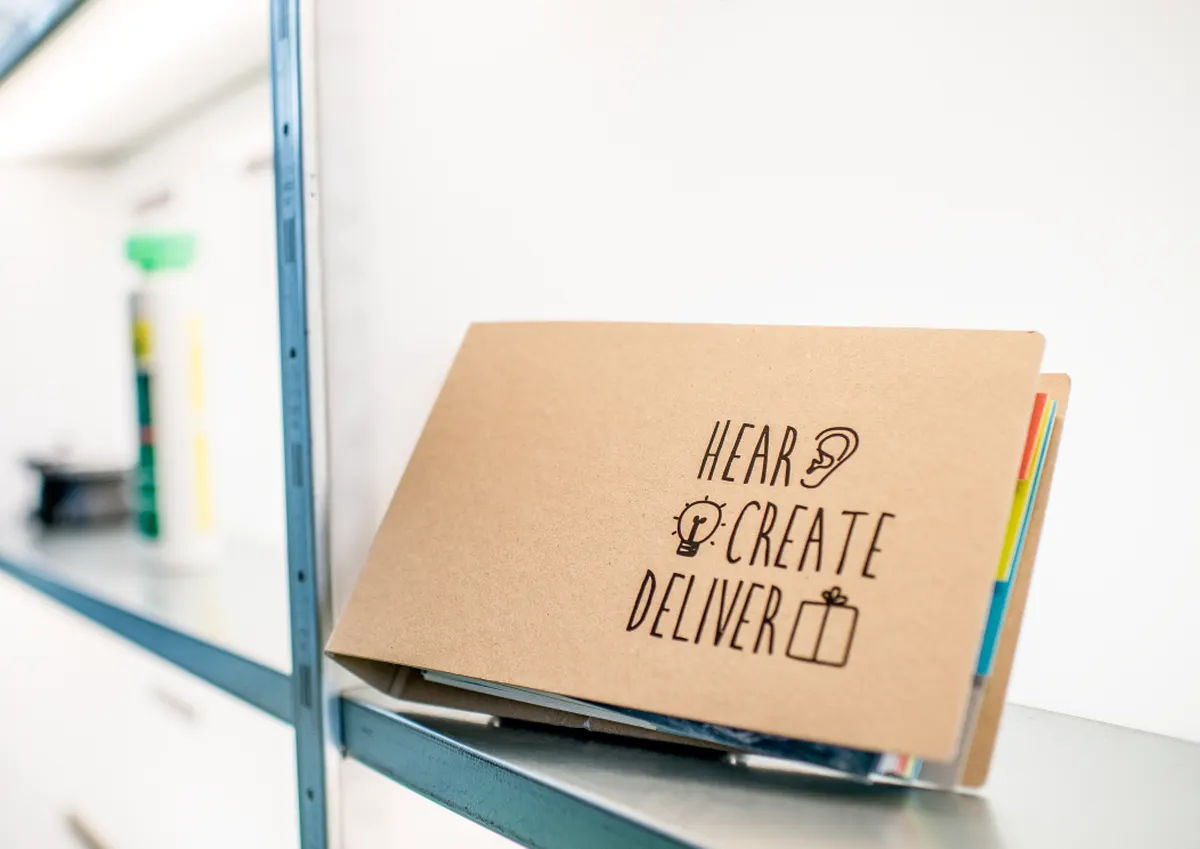
Definition of the Human Centred Design process ('Hear', 'Create', Deliver')
Review and selection of tools and methods to enable the newly designed HCD process
Simplifying the tools and methods into three easily understood guidelines, ‘When to use it’, ‘Why use it’ and ‘How to use it’
We undertook a similar project for SwissLife, as well
Empowering employees
It was important that the employees became familiar with the Human Centered Design methods, tools and processes. After all, innovation is always achieved in teams. This is especially true for customer-oriented innovation, which requires heterogeneous teams.
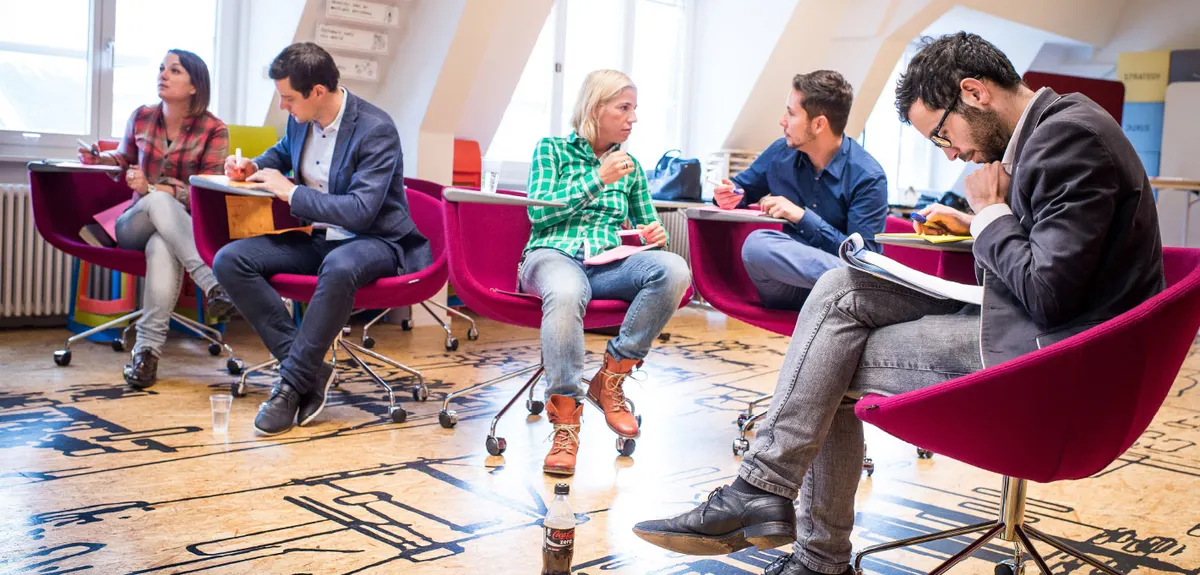
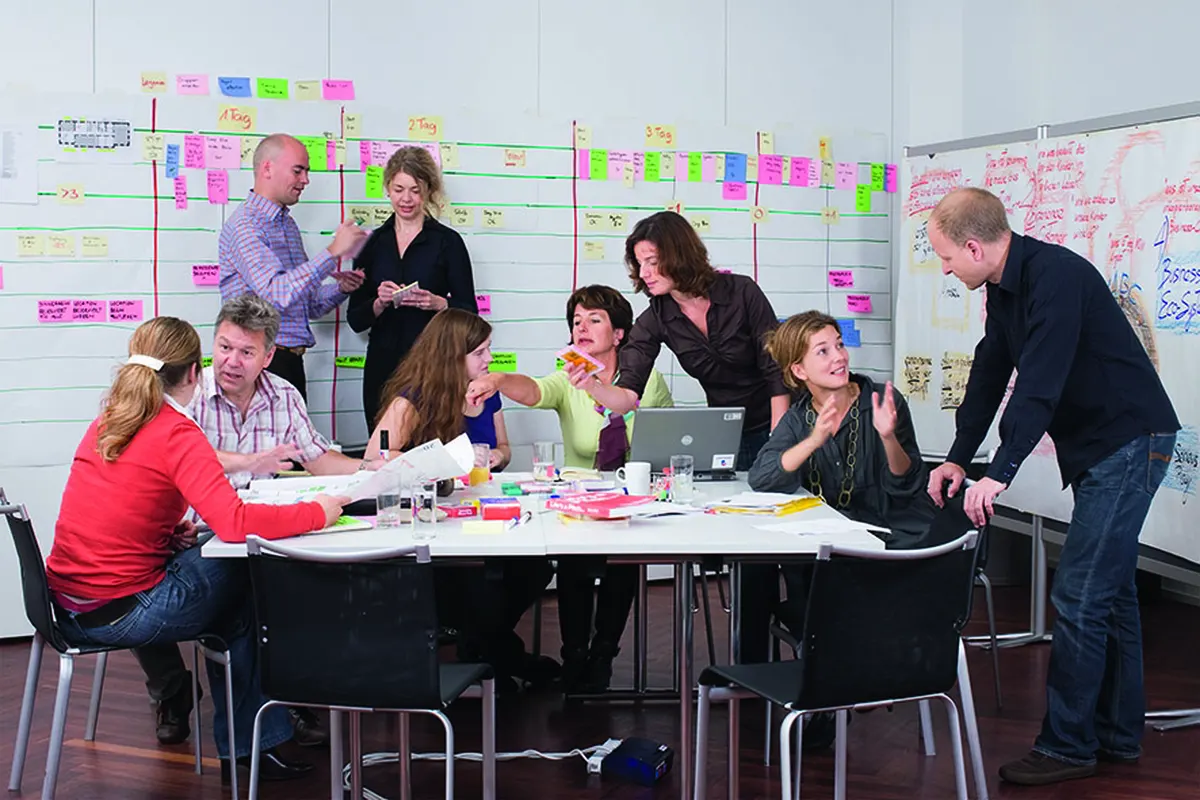
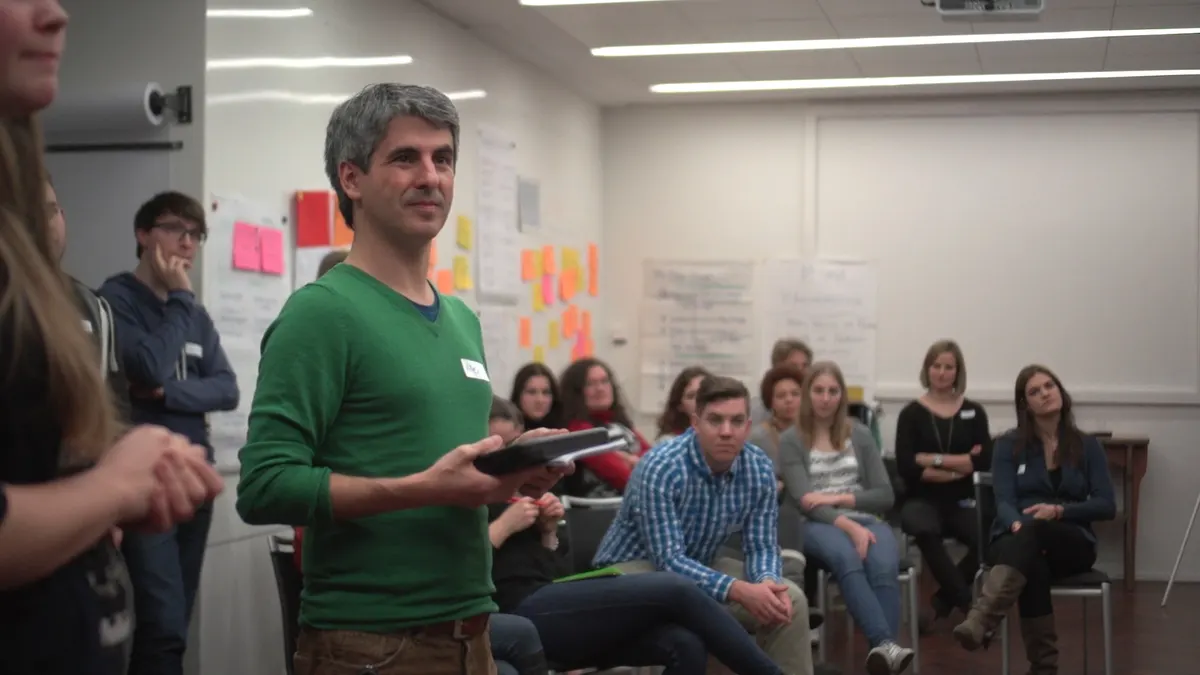
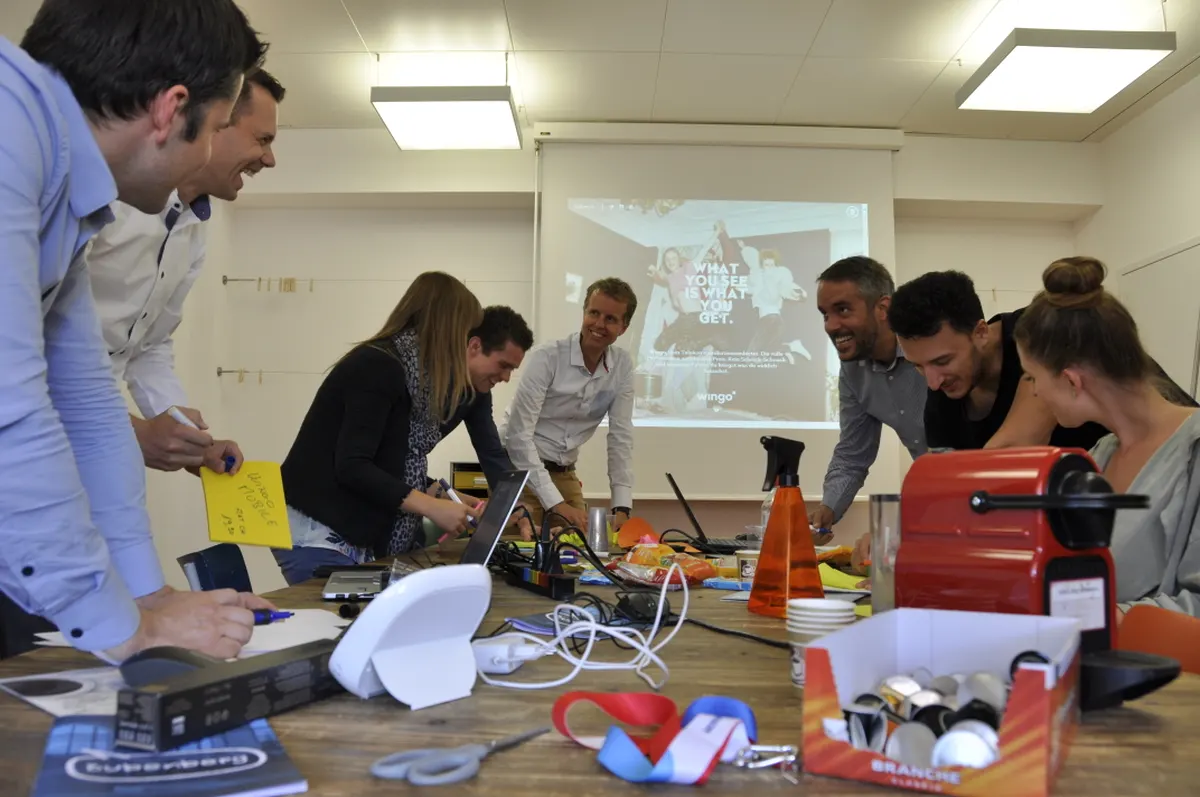
To support this, we have trained over 3500 people in Human Centered Design workouts. In these workouts participants are able to explore the HCD process and apply different tools and methods to real cases.
Many other training modules followed, such as the HCD Facilitator Training, with which facilitators from all Swisscom departments were trained to lead HCD workouts in their domains. In addition, several thousand people were trained in the use of agile frameworks such as SCRUM and SAFe.
We have refined these training modules and now offer them to all companies.
Transformation & KPIs
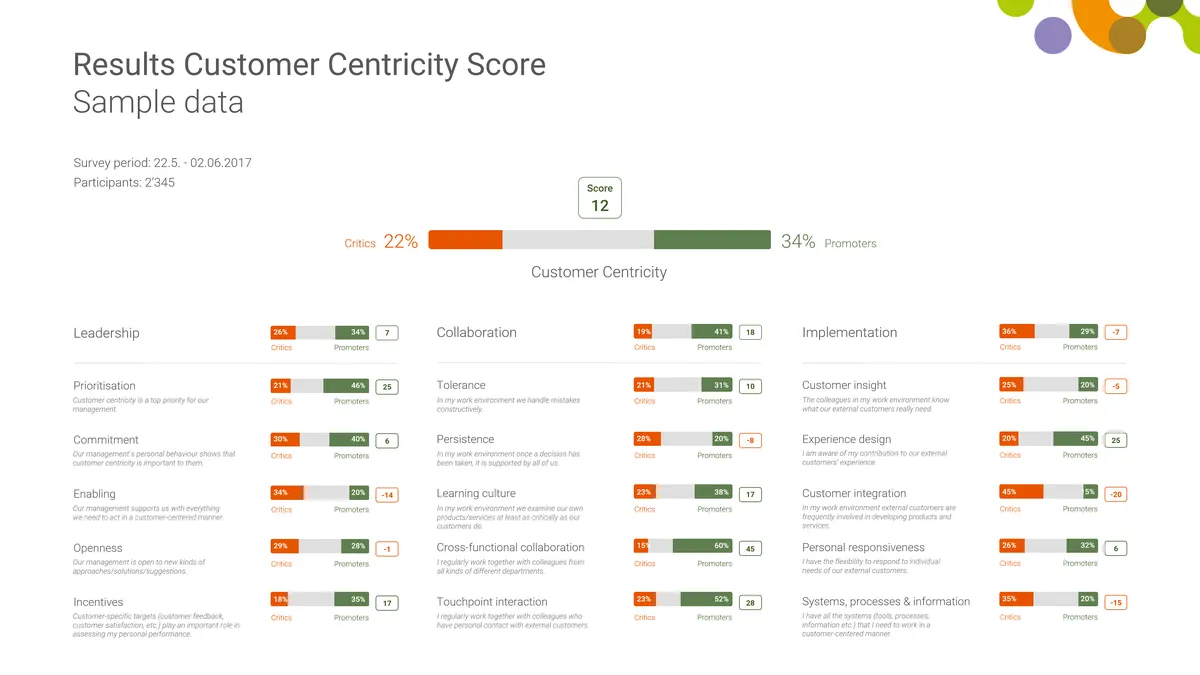
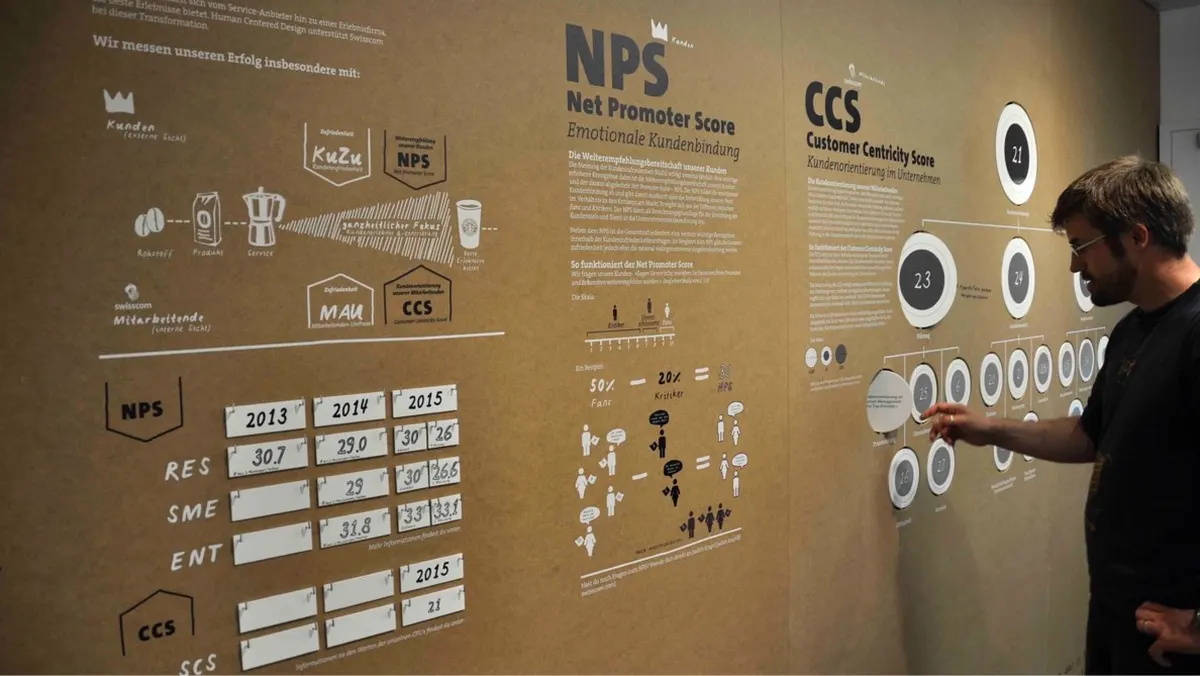
Culture transformation is not an exact science, but every top management team wants KPI tracking and management possibilities. Because there was no benchmark or KPI set available, we developed a KPI framework ourselves, which allowed us to measure the status of our Human Centered Design transformation.
For one part of this effort, we cooperated with the Lucerne University of Applied Sciences (HSLU) to create an empirically derived score that measures customer centricity within the company. The resulting Customer Centricity Score enables us to show how we have progressed over time, both within the company and in specific departments.
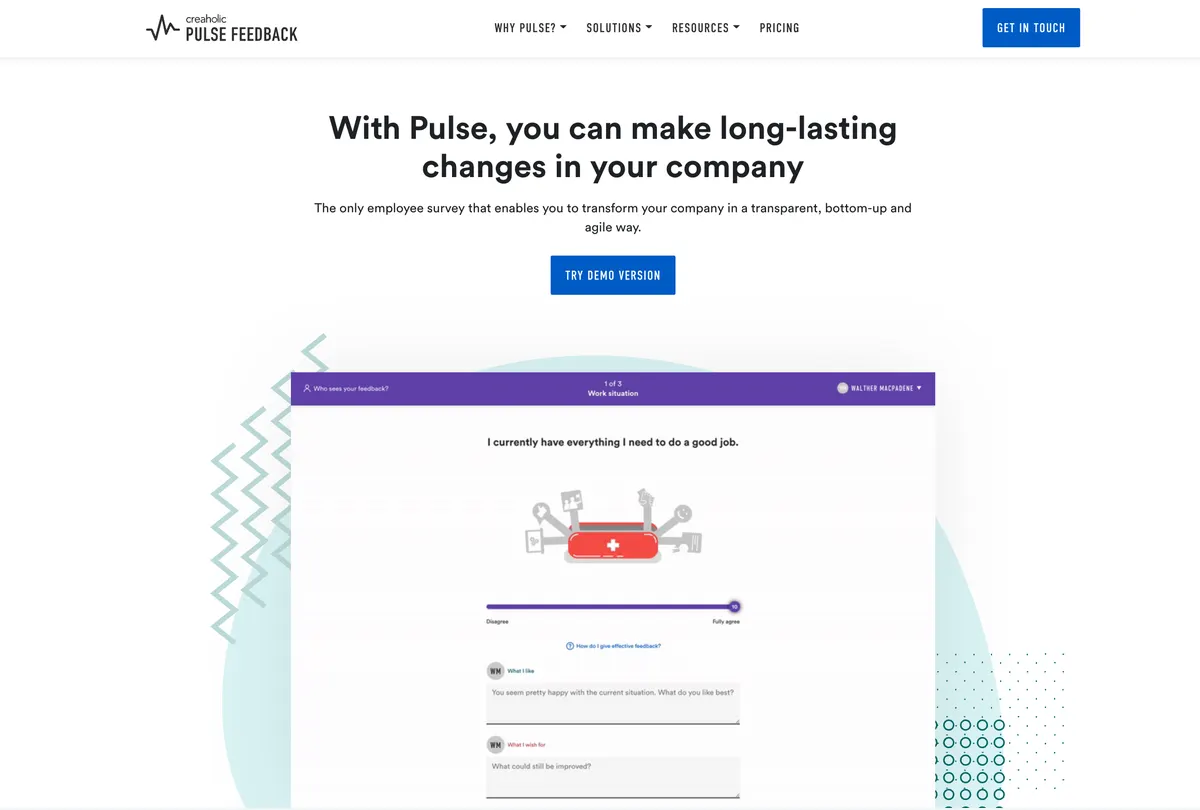
We also turned the employee survey completely upside down. We developed a digital tool to ask employees fewer questions, but more frequently. And in addition, we made the comments on the respective topics transparent for the entire company. With this tool, Pulse Feedback, we were able to stimulate feedback culture and shape the improvements in the work environment.
Managing the transformation over time
One final thing we learned from this journey is that it's important to balance the transformation measures over time and react to the current events and challenges the company faces. To support this, we started to create a roadmap of our transformation journey. This helped us to better communicate internally and supported our efforts to find the next best initiative to advance the Human Centered Design culture one step further.
In 2017, half of the Human Centered Design team joined Creaholic in order to keep on pushing the transformation at Swisscom with external impulses and to offer their insights and accumulated experiences to other companies as well.
Do you have a similar challenge?
Are you inspired by this case study and interested in discussing a similar collaboration?If so, then get in contact with one of our experts!