Origins of Human Centered Design
Human Centered Design is a concept in the business world describing a specific approach to creating new solutions. It has its roots in the first participatory design methods developed in the 1960s. The term Human Centered Design arose in the 1990s when development methods shifted from a technology-driven focus to a humanised one.
You can look at Human Centered Design from different angles:
It’s about mindset shifts or ways of asking questions differently to find what matters most for clients (section 1).
It's a process to help guide you through the labyrinth of early-stage innovation (section 2).
It’s a specific set of tools and methods intended to create new solutions tailored to customers’ needs (section 3).
It’s not always applicable, so you should also know when not to use Human Centered Design (section 4).
It can serve as a lever for culture transformation programs (section 5).
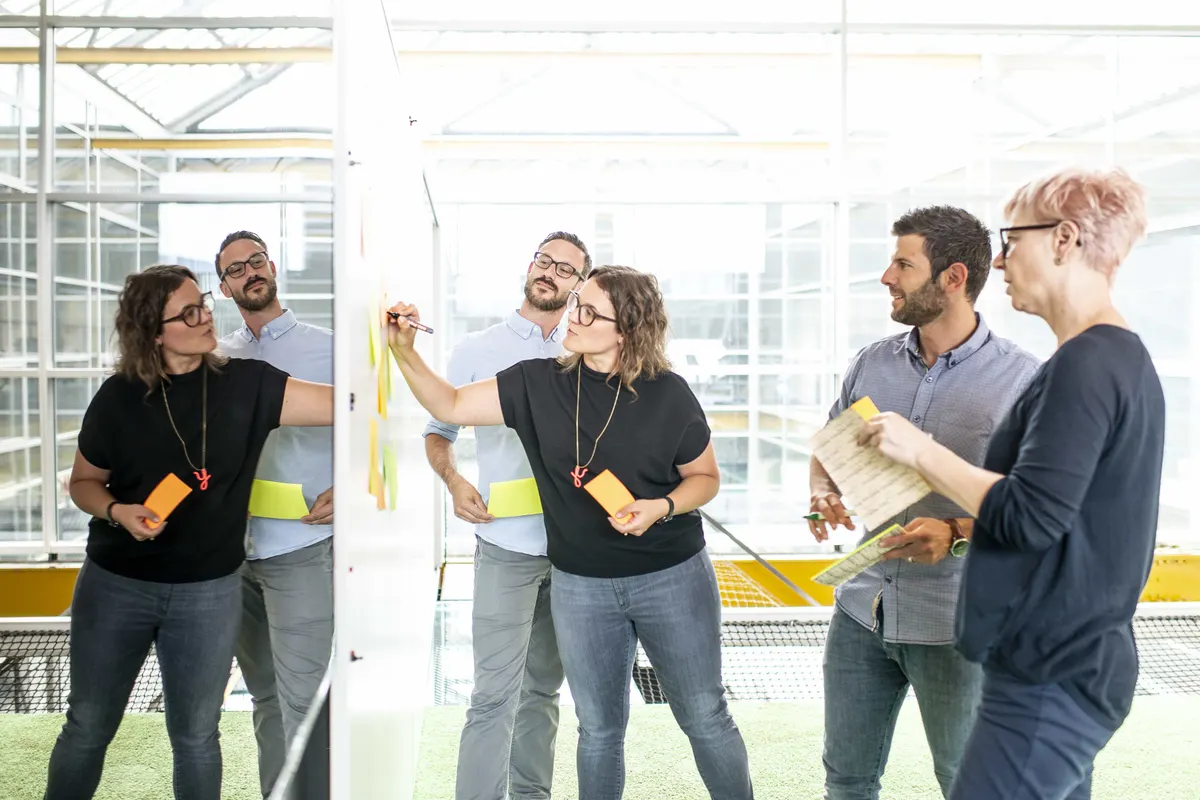
1) Human Centered Design as a mindset
The key element of Human Centered Design is to put the human side of your clients, i.e. their needs, characteristics, hopes, dreams and preferences, at the forefront of the development process.
Think of it as a new way to look at problems and find novel solutions. Maybe it's just about reframing the questions you would ask anyway or asking them in a different order. You have to gather relevant information about your clients first, in order to build meaningful and desired solutions.
Once you have a deeper understanding of your client's situation and ecosystem you can start narrow down your options, finding things that make sense from a human point of view and are also technically feasible and economically viable.
2) Human Centered Design as a process
When you start inventing new solutions (and it doesn't matter if you are creating or improving products, services or processes), the situation you are facing is comparable to finding the way out of a labyrinth. You have millions of possibilities and paths to go.
Human Centered Design offers help. With a simple 3-step process ('hear', 'create' and 'deliver') you can get guidance on making the first steps and gradually improve your solutions. On the internet you'll find many different but similar processes like this. This most important element of these processes is that they are short and thus they enable an iterative working process.
And lastly, Human Centered Design processes are always encouraging cross-department collaboration. It's important to get a diverse set of know-how early in the development process (these benefits also show up in section 5).
3) Human Centered Design as a toolkit
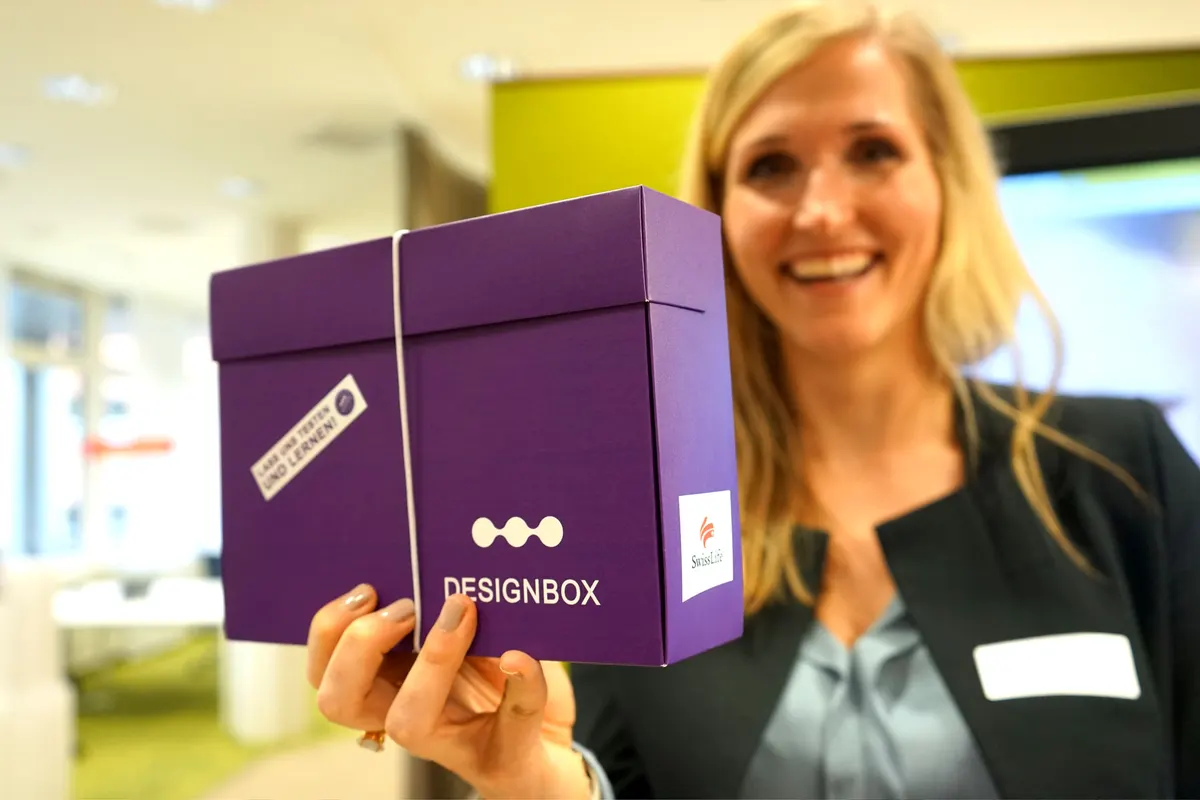
Tools, methods, hacks…they are shiny side of Human Centered Design. Many companies introduce Human Centered Design by defining a set of methods and tools they want their employees to use. For example, we helped SwissLife to do exactly that.
Mostly, these instruments are easy-to-use and inspiring ways to solve different problems you'll face in the Human Centered Design process. They help you to ask the right questions, right.
But be aware, you can easily drown in the sea of Human Centered Design tools and methods. There are just so many. For us it became clear that it's not about knowing them all, but about knowing which tools are right for certain situations and moments.
4) Attention: When not to use Human Centered Design
Like every concept, Human Centered Design has its drawbacks, too. It’s not an aid on every development journey. Here are some moments when the pitfalls may predominate, and you should think twice before using Human Centered Design as an approach:
When it's complicated: You know the difference between complex and complicated. When you try to improve a system with too many, but still all definable, dependencies, then the speed of the Human Centered Design process can be a disadvantage.
When it's disruptive: When you are aiming for a new, groundbreaking solution, for which there is no or only a little market demand, then the process of interviewing potential clients can be misleading. Sometimes you have to ignore that market feedback.
When the culture isn't ready: For most companies, working in a Human Centered Design way is new, and quite different than they are used to. If you are facing resistance, you'll have to start differently, or in a different environment.
This last point brings us to our last perspective, Human Centered Design as a lever for culture change.
5) And Human Centered Design as a lever for culture change
Human Centered Design has established itself with companies worldwide. Not only does it help produce more meaningful and successful solutions, but it can be a powerful lever for cultural change as well, helping move companies towards more customer-centricity, more innovation and digitalisation.
The new collaborative approach of Human Centered Design and the iterative process, which produces fast results, can unleash a great amount of energy and momentum. This can make a sustainable change in the way the whole company works internally and acts towards customers externally.
We know this from experience. Over the course of more than 12 years, we have designed, nurtured and led the Human Centered Design transformation at Swisscom. It's possible. And we have observed and supported similar initiatives at other clients, too.

In conclusion
If you are new to the world of Human Centered Design and want to start implementing it, the most important advice we can give you is the following: start small. The possibilities are and feel endless and you will be surprised how small hacks can already have a big impact on the way you work and the results you produce.
And if you are looking for support on your journey, then we are here for you.