Make ideas tangible
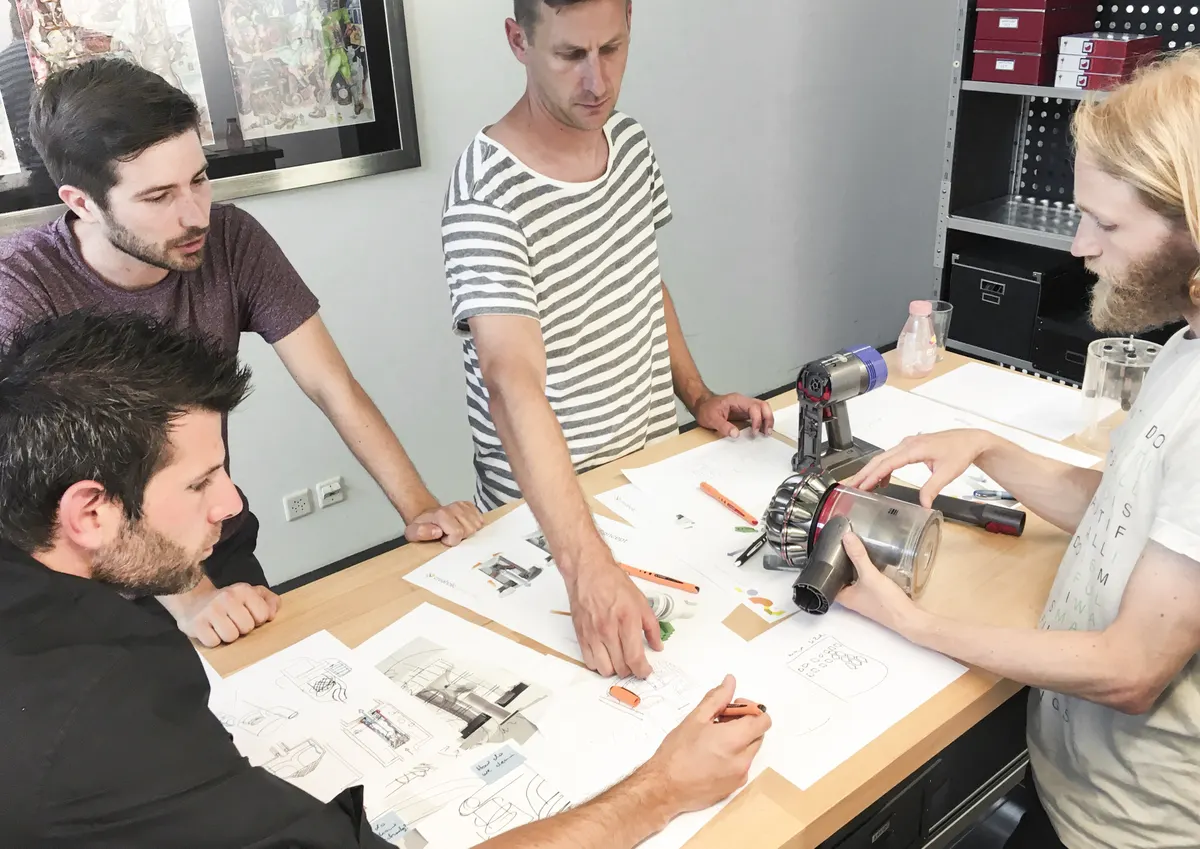
Visualisation is essential to expand upon details and illuminate your ideas. After all, many things can only be fully understood once they take a visible form. In a group setting, visualisation helps ensure that everyone shares a common level of understanding about the content, so that other things can be built upon it.
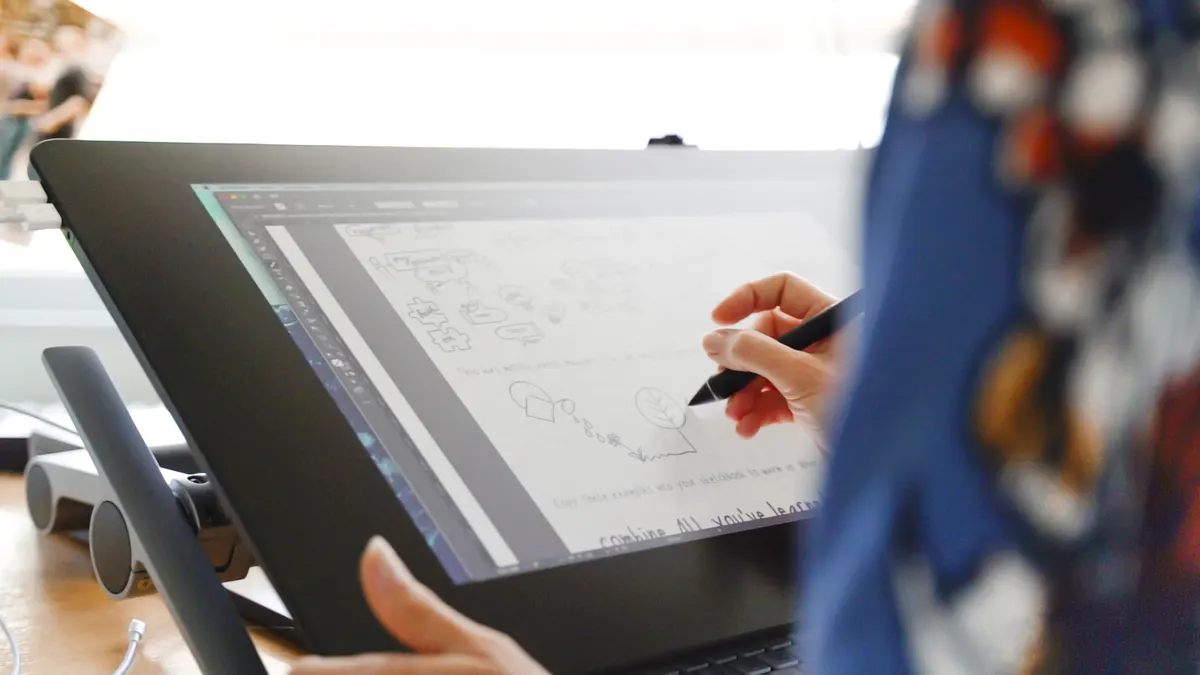
Visualisation can take almost an endless variety of forms. But whether it’s pen-and-paper or on a digital whiteboard, visualisation contributes clarity and makes ideas manifest. Digital whiteboards are simply a powerful tool for assembling pictures and sketches while at the same time working on visualisations and idea collages.
This video explains the important considerations for digital visualisation and what you need for a smooth implementation.
Achieve clarity
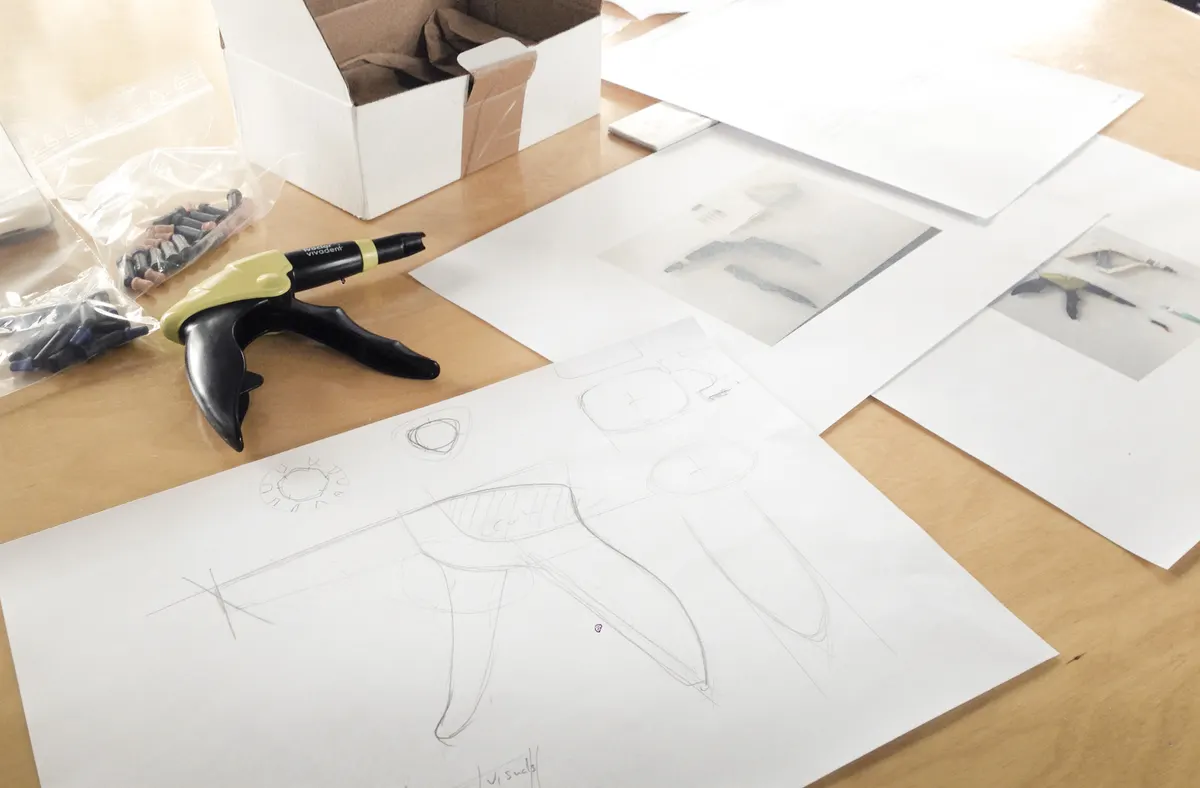
The innovation process has many facets-and as a result there are many things sketched, shown and visualised. At the outset, the usual approach is a hand-drawn multicoloured schematic sketch. Use of different colours for different materials (wood in red, metal in green, etc.) makes it easier to quickly interpret a sketch and makes the various elements understandable without requiring further explanation.
At Creaholic, everyone understands what a few simple lines can mean. We use visualisation techniques on a daily basis when sketching stories and ideas to quickly achieve clarity and bring everyone to a shared level of understanding.
Want to share your story? This video gives you tips for the process, and explains what type of visualisation is best for you.
Drive transformation
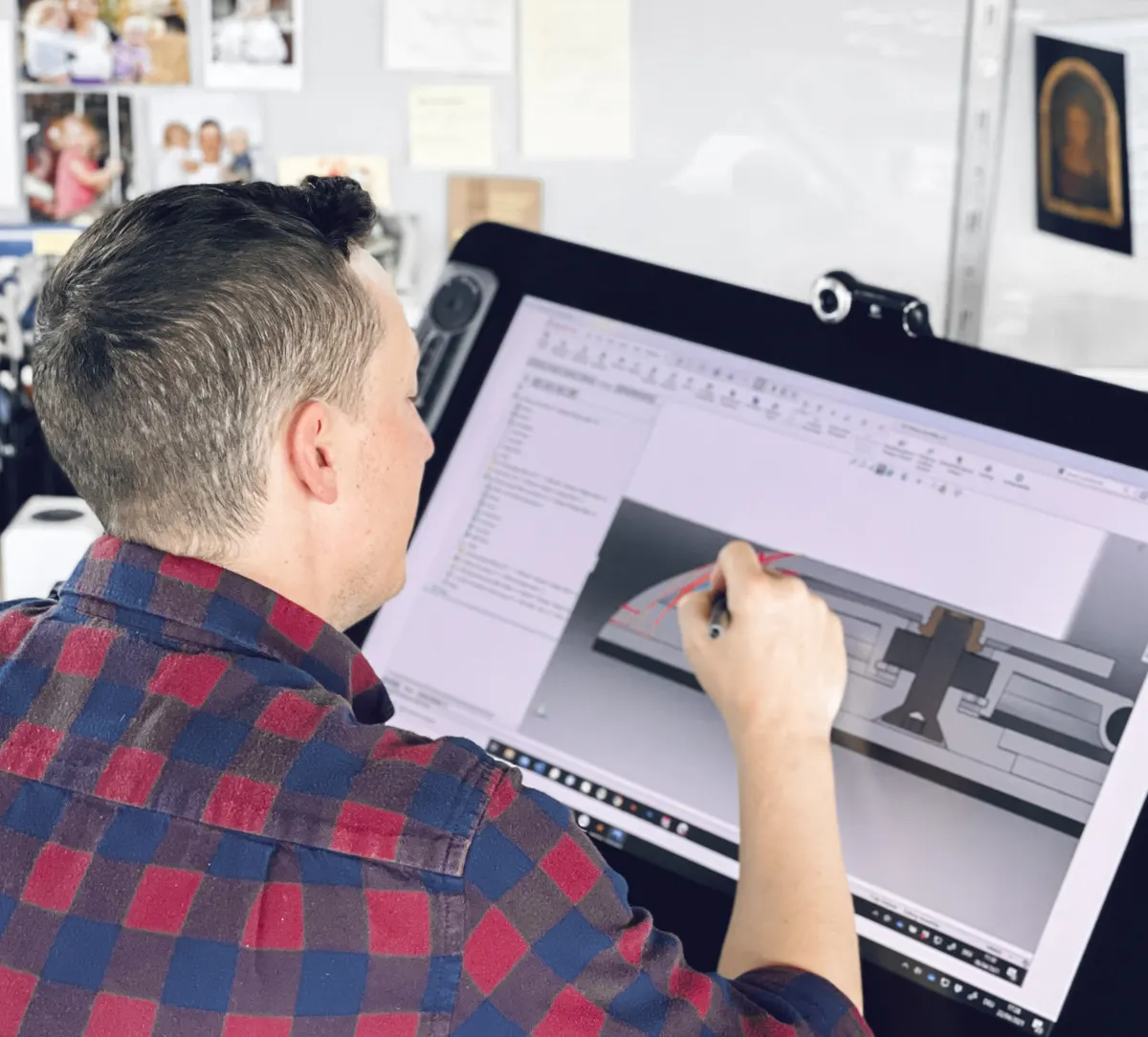
During the development phase, hand-drawn sketches are converted into detailed drawings and eventually into 3D models. In order to test ideas quickly, this phase incorporates a lot of sketching, often as sketching onto a picture of the 3D CAD model.
In addition, developers often use visual methods such as flowcharts in their work. These charts bring clarity to complexity. They depict the interaction of a user, the decisions to be made and the relevant processes, as well as dependencies. Despite their value, flowcharts are very time consuming. However, they often lay the foundation for further development work.
Bring ideas to life
During communication with production partners, technical drawings are required-and because these follow certain standards, everyone can understand them. This creates clarity, minimises mistakes, and saves the project leader from many redundant discussions.
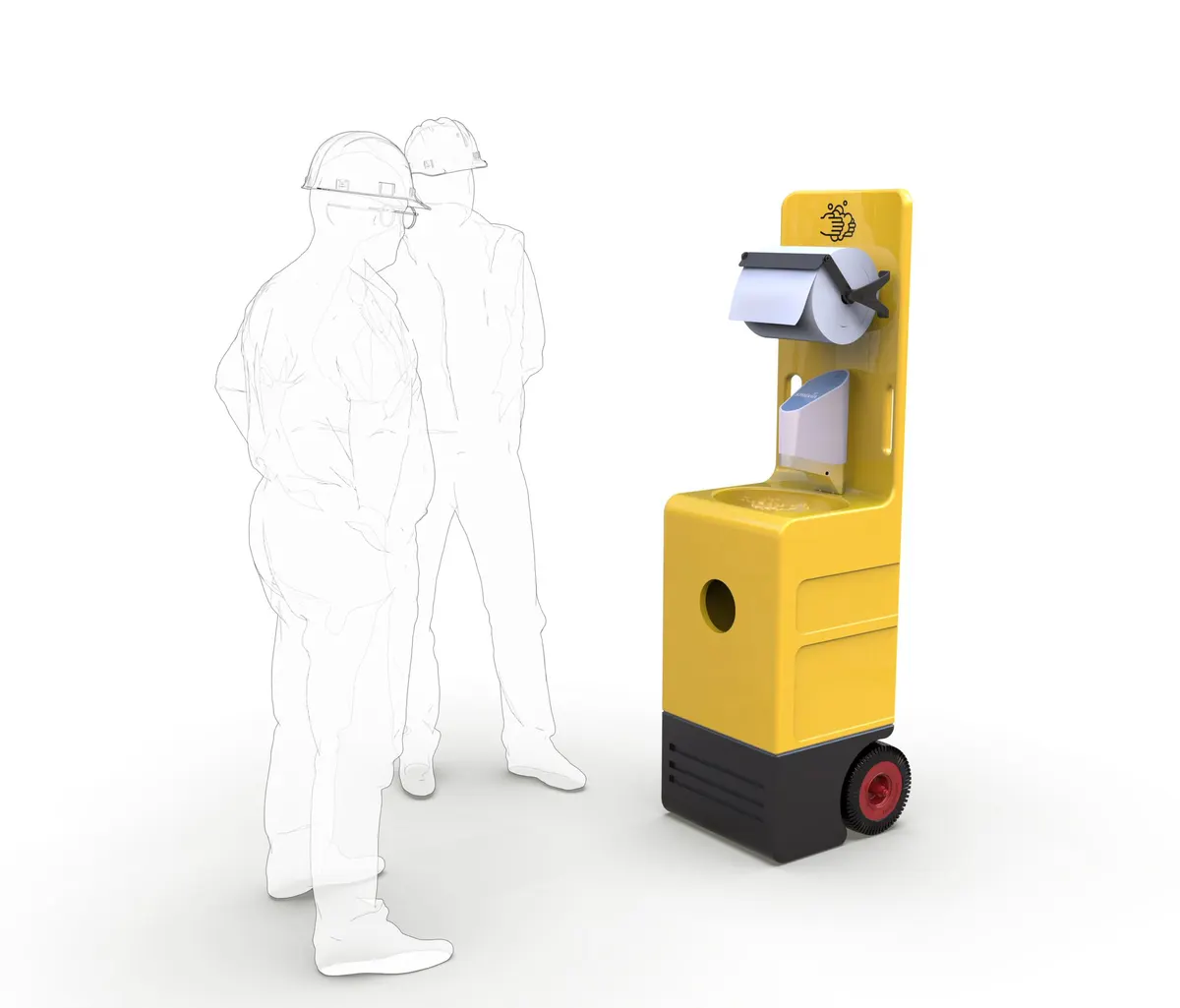
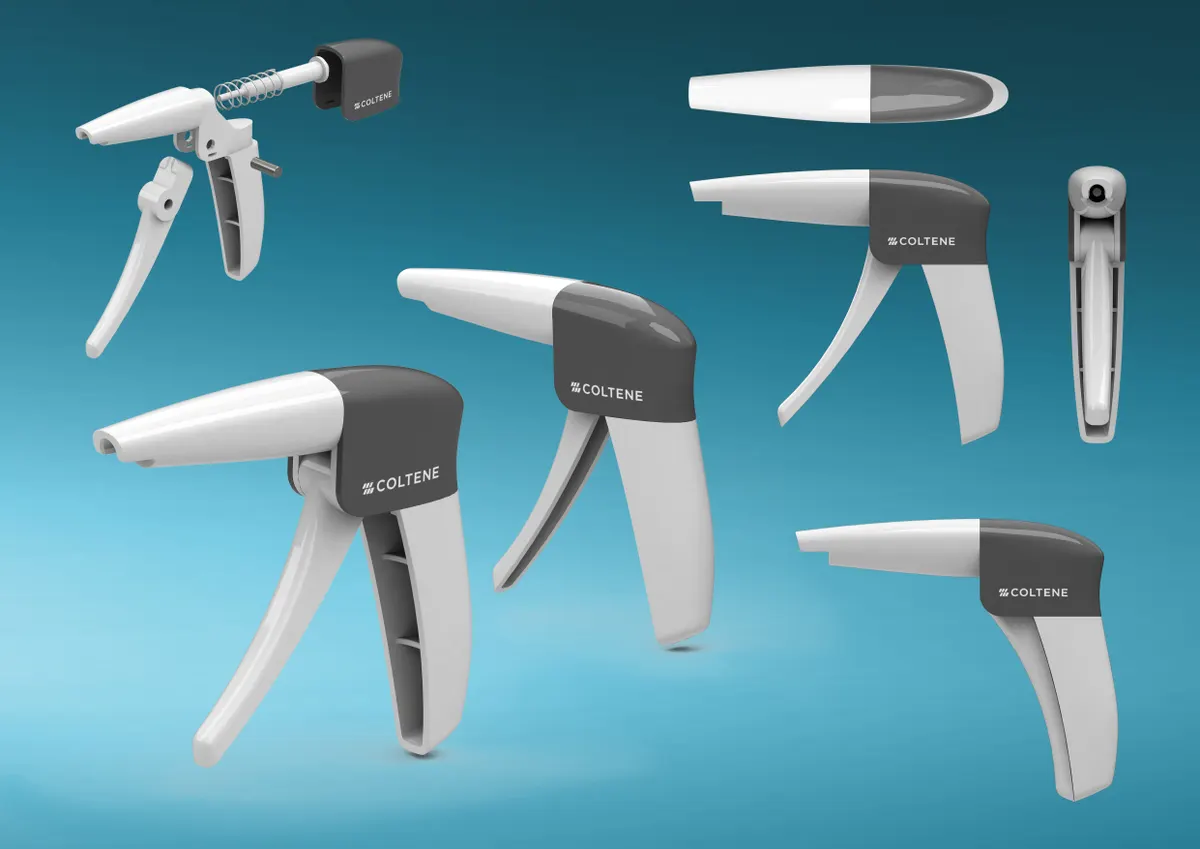
Clear visual representations are also necessary to inform a client about the progress of a development project or an important decision. They’re the best way to include someone from outside the development team without requiring abstract technical understanding. In cases like these, photorealistic depictions of a product or a mechanical principle are created from 3D models to convey the idea and put it in context.
Make dreams come true
To transfer ideas into the real environment, photorealistic representations can be created using a computer program. These so-called renderings make visions more tangible and support imagination. This visualization technique, therefore, possesses tremendous persuasive power.


Reach your goals with visualisation
During the entire innovation process, visualisation contributes clarity, makes ideas tangible and brings them to life. Visualisation is woven into all of our work. It is present in many diverse techniques and stages of expansion, but always as a tool for communication and exchange of ideas-to help you innovate with a purpose.
«First comes the picture-then the word.»
«Sketching gives structure and clarity to our thoughts and explanations-give it a try! »
«There’s no love at first sight without visualisation.»
«Illustrations ease the burden of heavy concepts.»
«Visualisation keeps raising the same question: how do I explain the details?»
«When we’re learning, pictures help create a shared reality.»

Ready to start?
Want to level up your visualisation skills or need support in the visualisation arena? Then get in touch!