
A powerful mission
There are over 300,000 visually impaired people in Switzerland. Marcel Roesch, the founder of Help2Type is one of them. He said that he gets along well with all the new accessibility features on his smartphone, but typing is still a big problem. He often makes mistakes or cannot find the right key.
He has already tried out a few haptic keyboards, but these often only fit one model of phone and cannot be used with a new one, or they are completely external so that he has to set his phone down to use the keyboard.
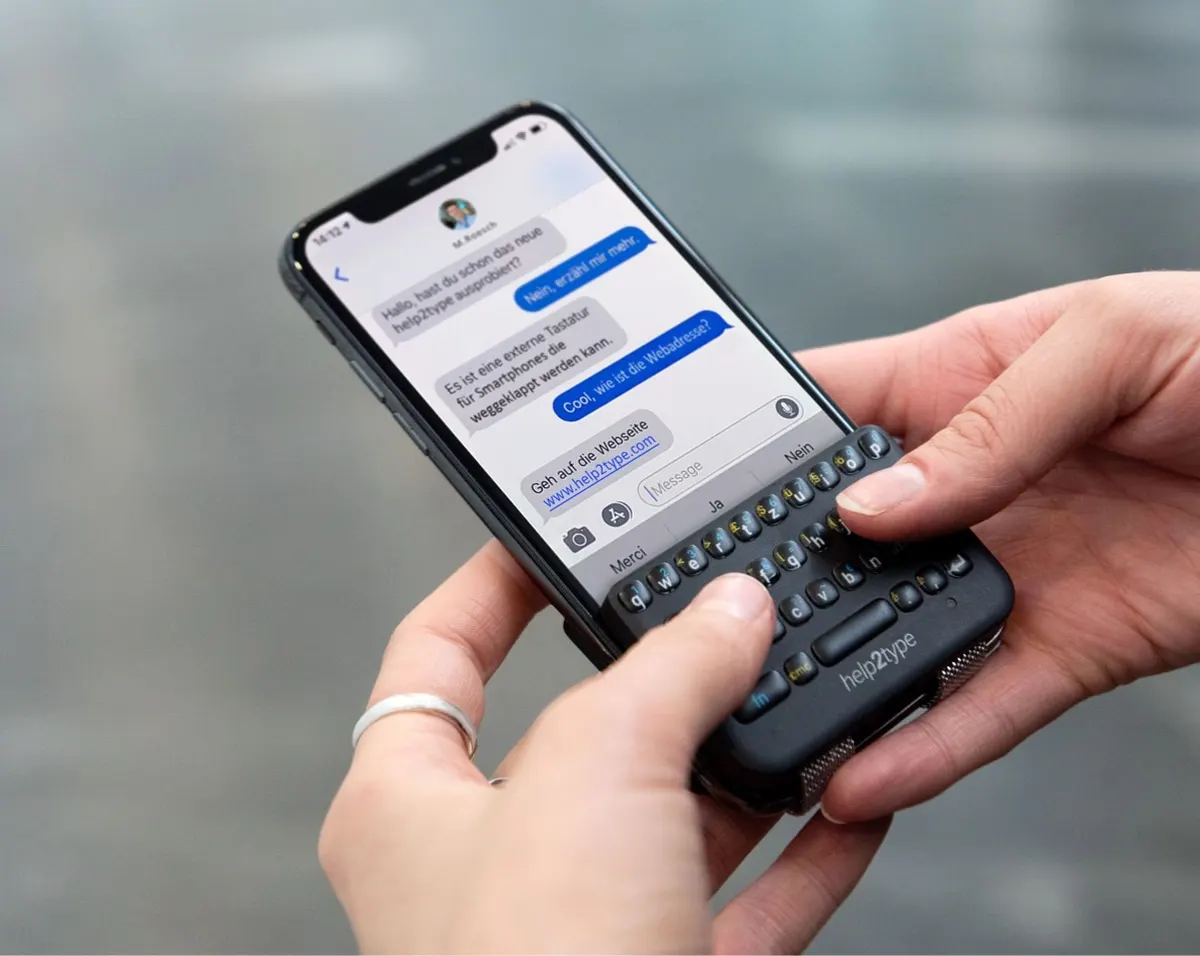
His goal was to develop and design the optimal haptic smartphone keyboard. Marcel worked on this idea as part of the intrapreneurial Kickbox program at Swisscom-this is how our collaboration started.
How we approached it, together
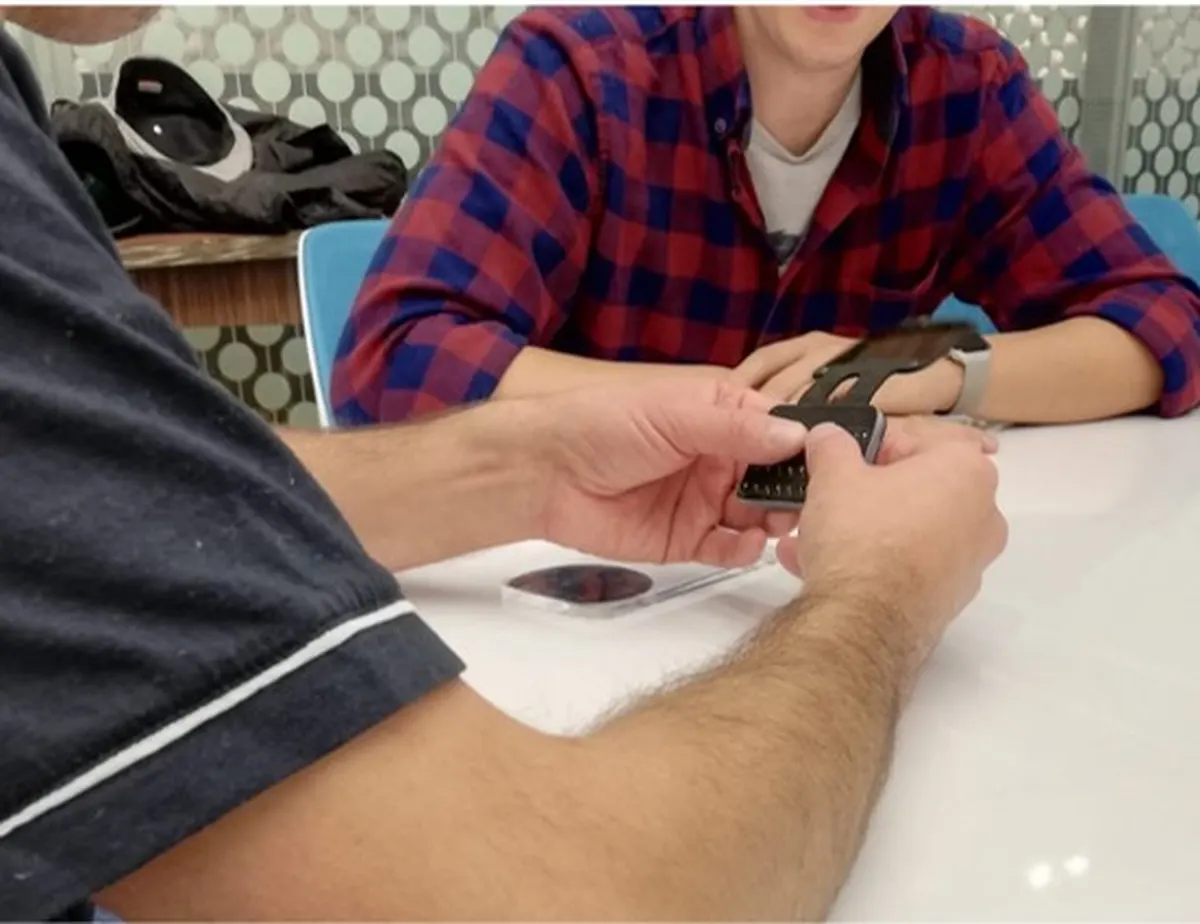
Initially, we were only hired for two hours of coaching, but we were so impressed by Marcel’s passion and the problem that we organised an internal brainstorming session and implemented one of the promising ideas in a simple prototype. Marcel was thrilled because with this prototype in hand he could make his problem tangible, which enabled him to find investors more easily.
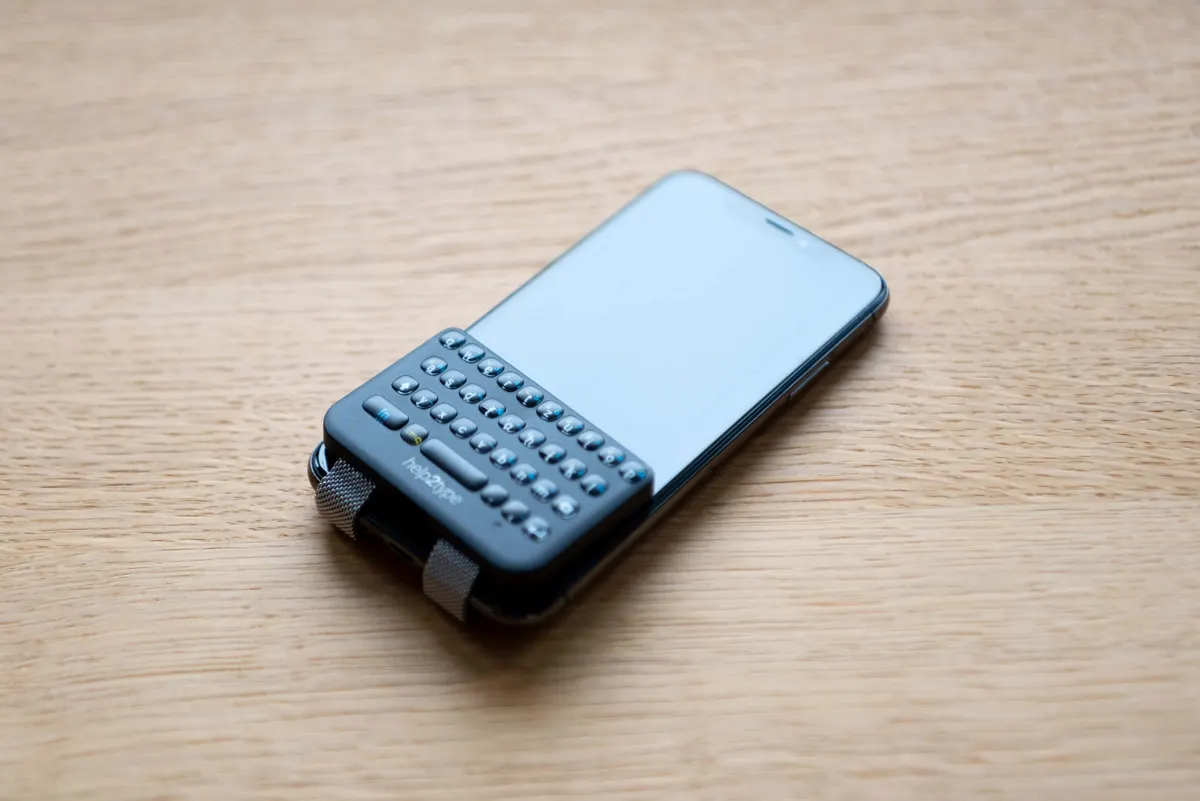
We then set off to develop and design the optimal haptic smartphone keyboard, one that would not only help the visually impaired, but also be an option for anyone who prefers haptic keys for typing.
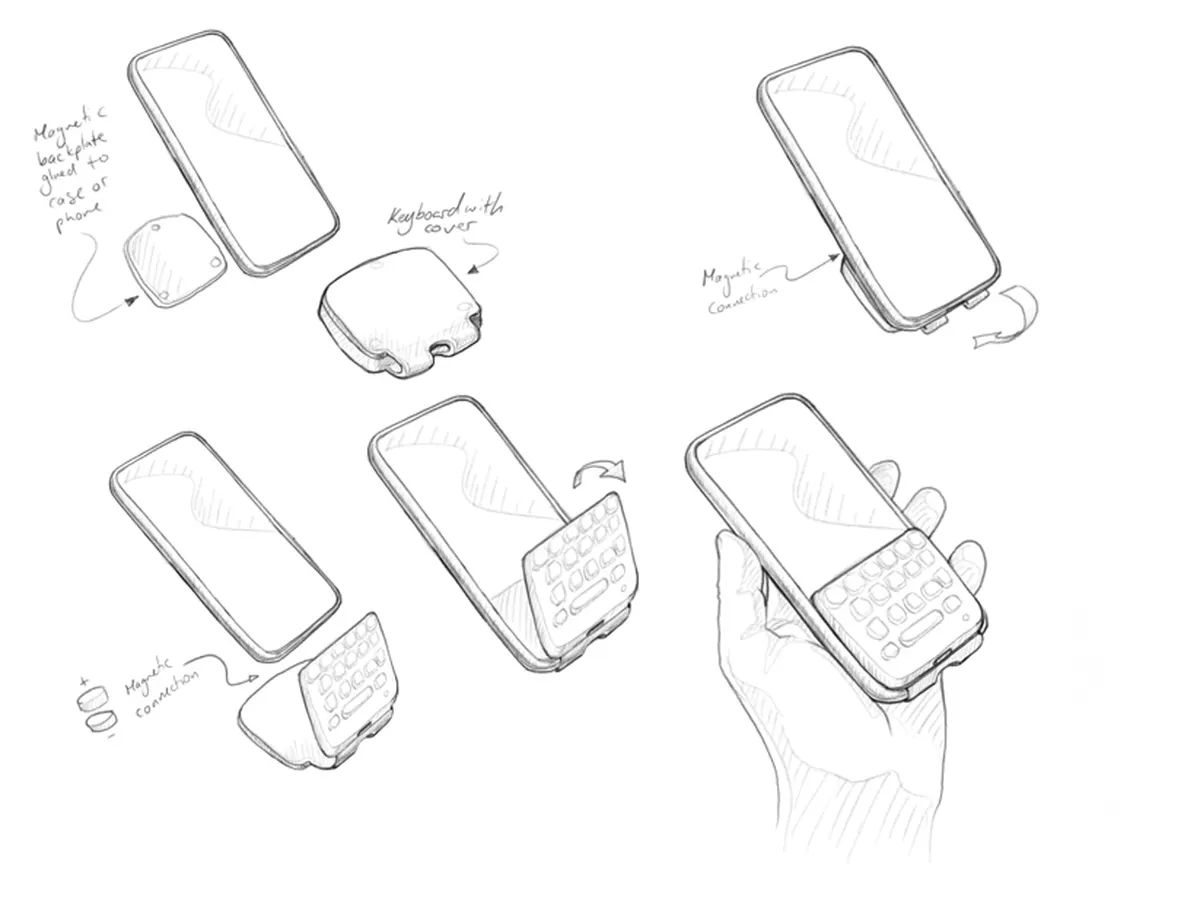
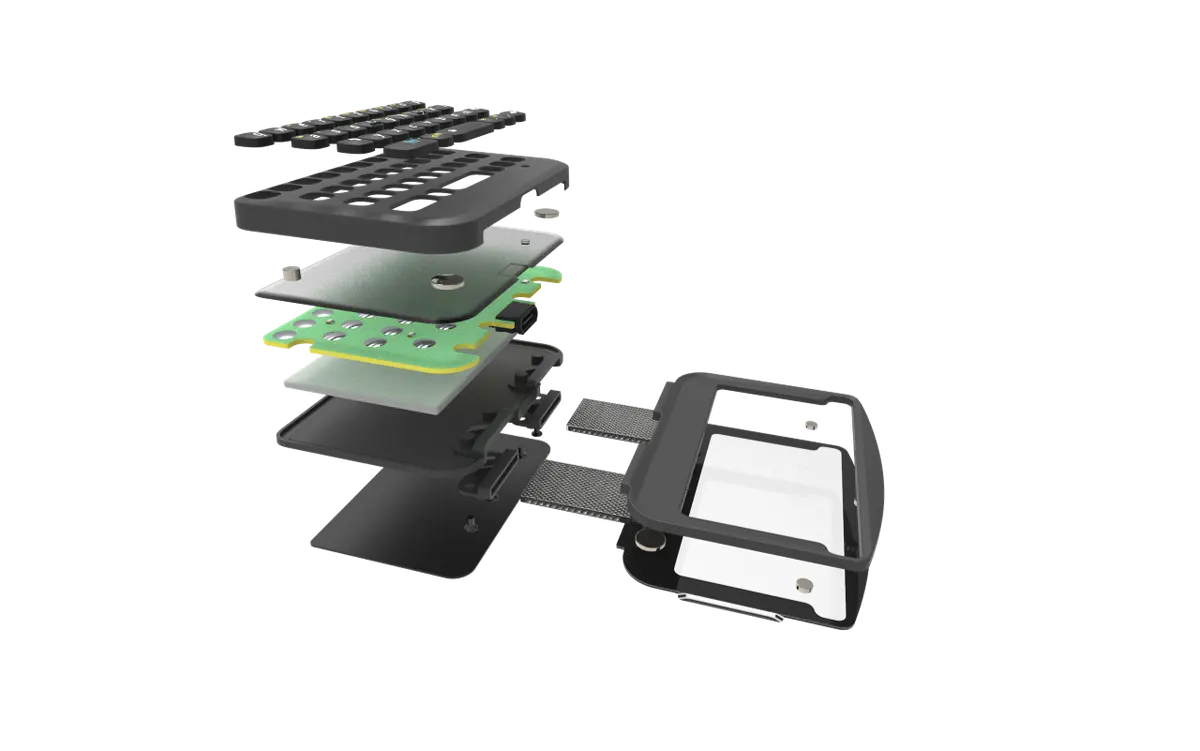
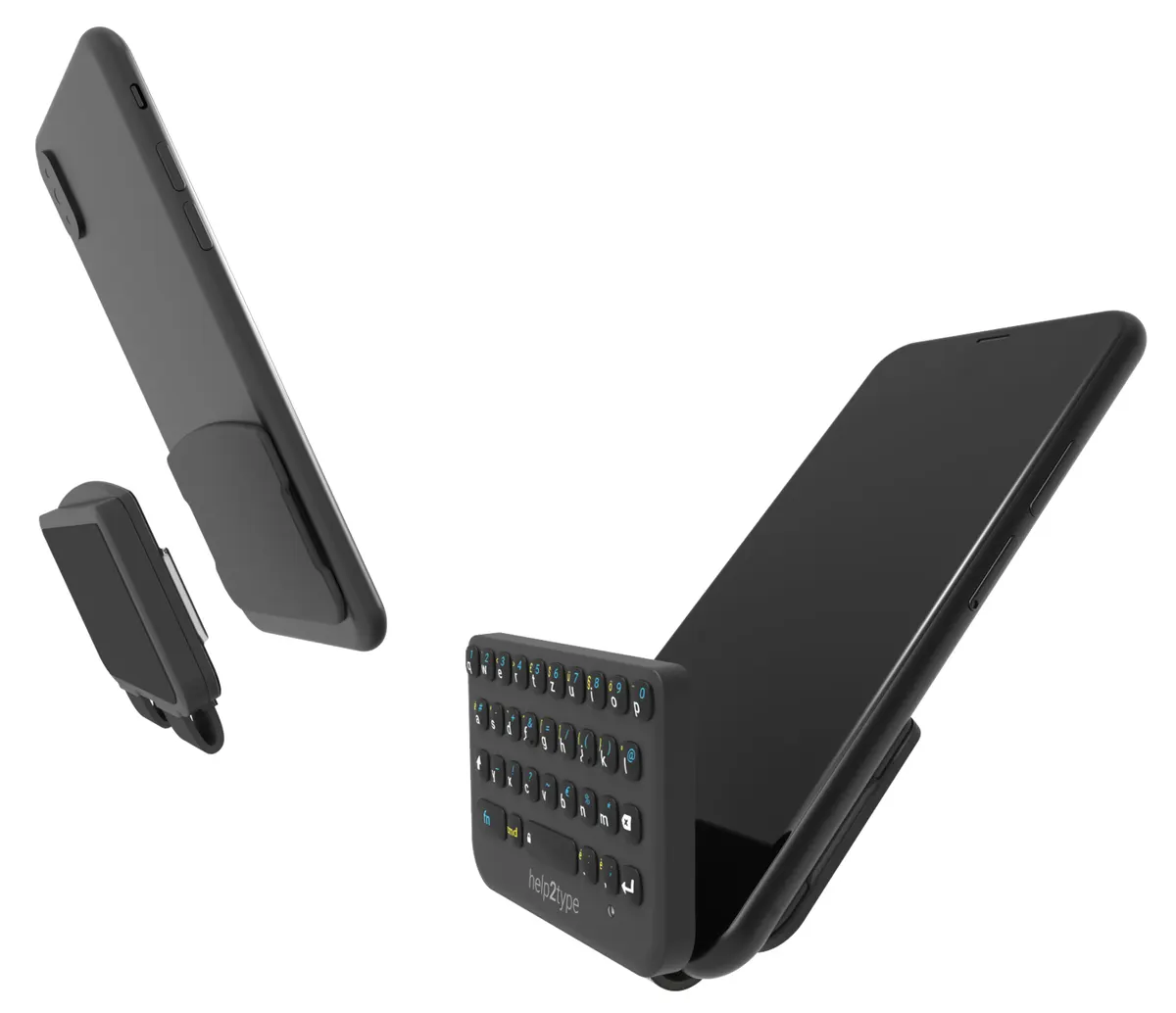
From evaluation of which keys to use and how to lay them out to a study of key shapes and a way to attach the keyboard to the phone we worked our way towards a final design in close collaboration with Marcel and his community.
From prototype to market
Repeated use of the prototypes convinced us and Marcel that flipping the keyboard back and forth will be one of the key elements for good smartphone usability. This is in fact a unique selling point that no other haptic keyboard has focused on before.
From there we quickly came to a final design of the keyboard. And finally, we supported Help2Type’s engagement with a manufacturer for industrial production of the keyboard.
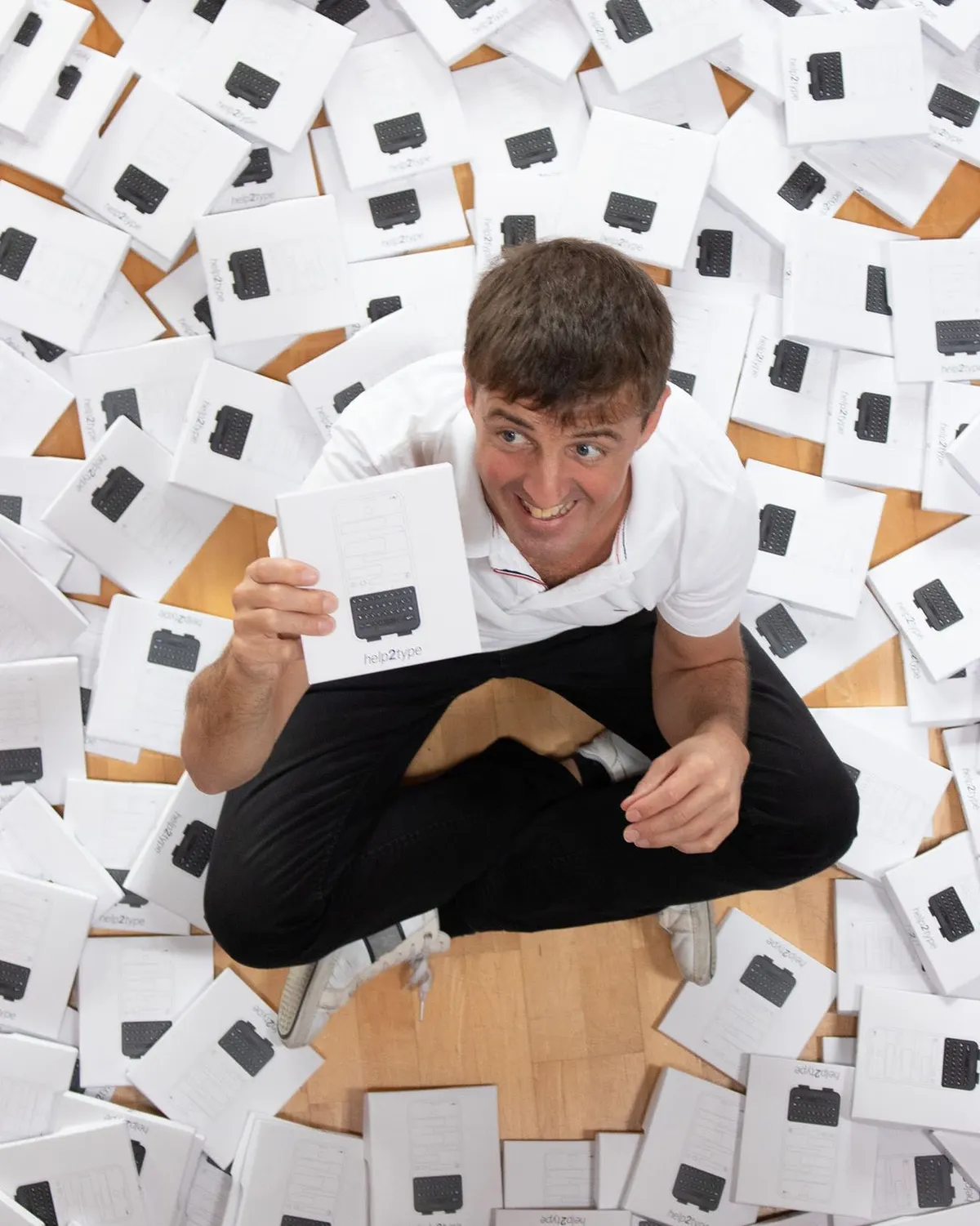
Help2Type officially launched in September 2020, making life easier for people with visual impairment.
Do you have a technical challenge, too?
Are you inspired by this case study and want to discuss a similar challenge?If so, then reach out to one of our experts!