The demand for change
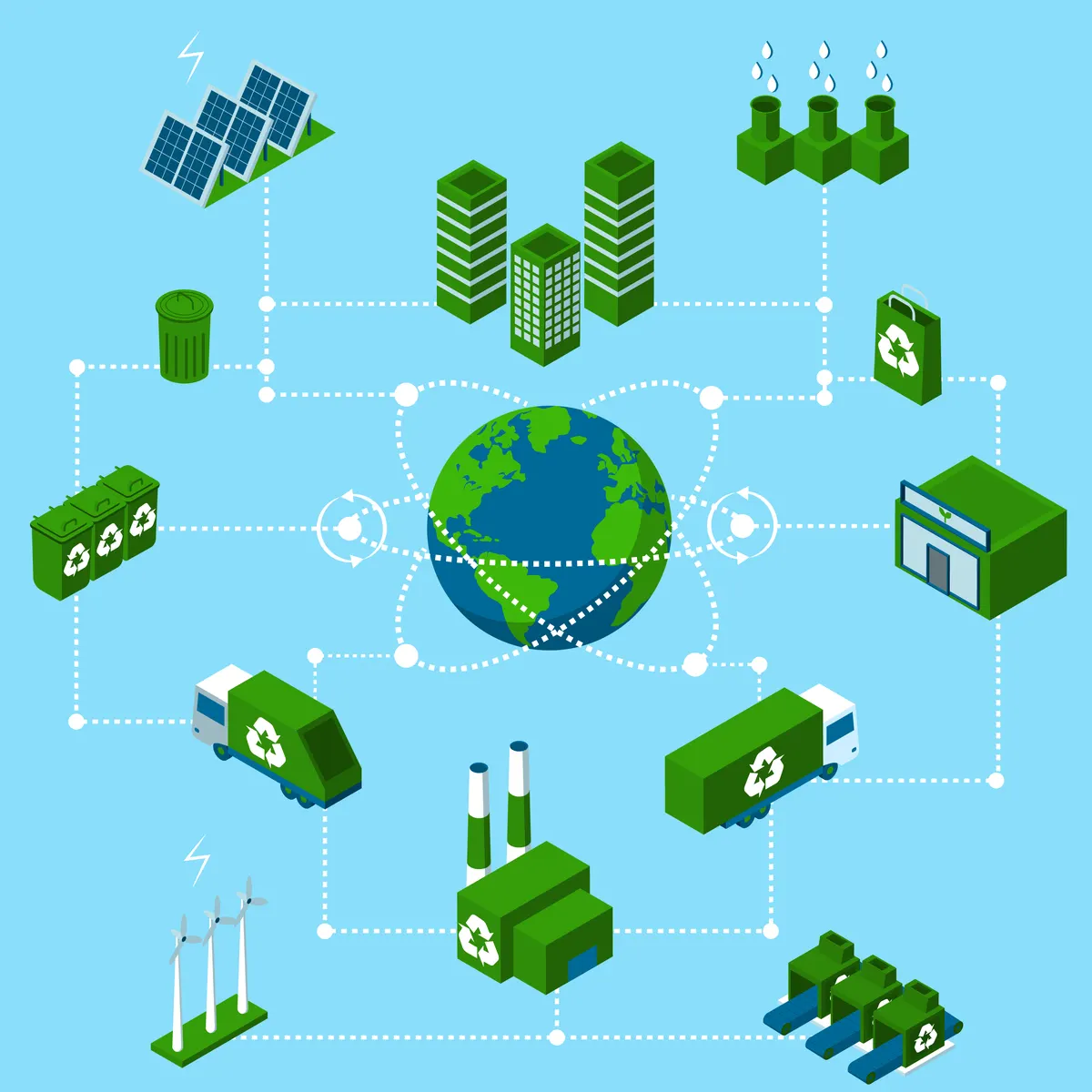
In recent years, the call for climate action has become louder and more urgent. We have been experiencing an increasing demand for more sustainable packaging solutions across many aspects of our product development, new technologies and service design work.
However, in our experience there’s usually a big discrepancy between perceived sustainability, based on common assumptions, and true sustainability, where there is a measurable impact.
Packaging insights
Packaging vs. content
In most cases the product contained within the packaging has a significantly higher environmental impact than the packaging itself. However, often there is more attention given to the perception of packaging than its function and purpose. In which case, failing to maintain the integrity and longevity of a product will actually have a greater environmental impact than the production of the packaging.
Plastic or glass?
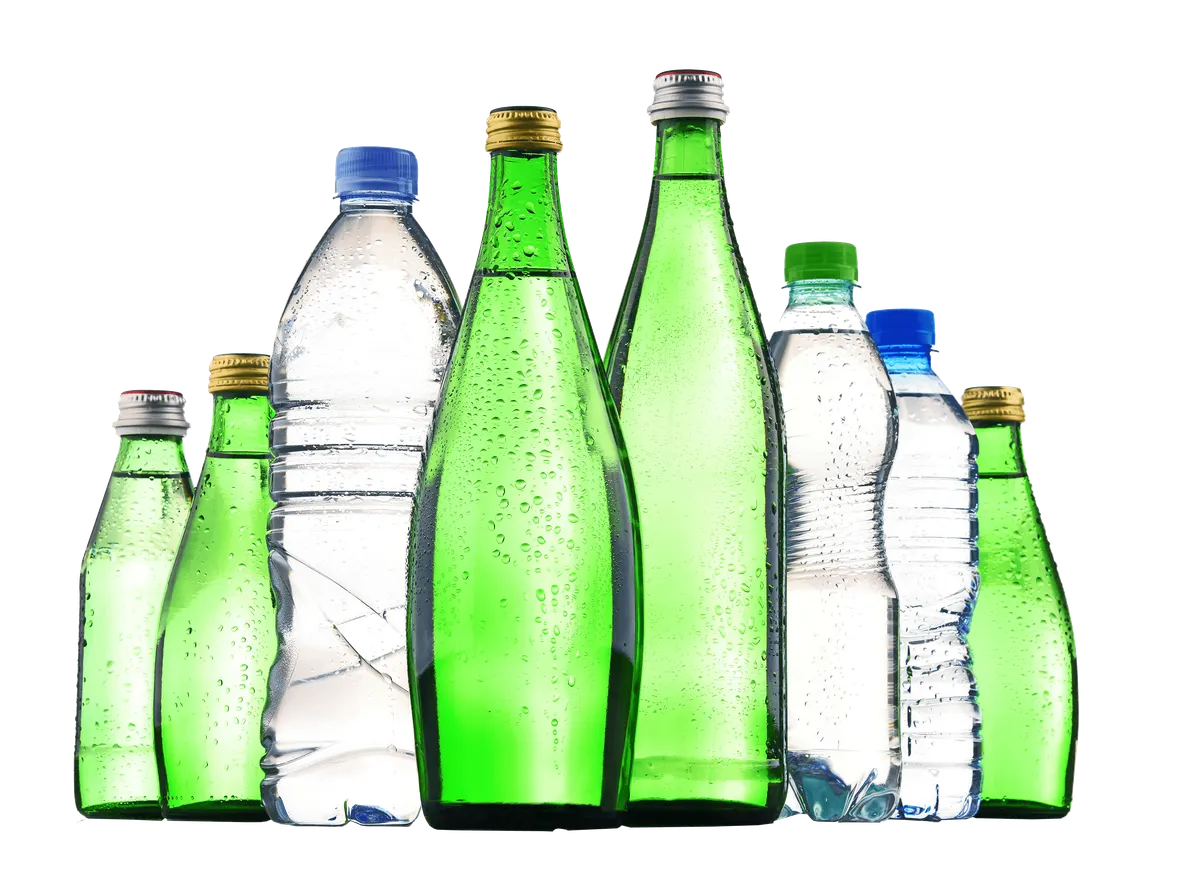
Which is the most sustainable packaging solution for milk – a glass bottle or a plastic bag? Glass is an excellent, durable material, but if not reused multiple times, its environmental impact is relatively high due to the energy needed for its production, transportation and recycling. And these impacts are magnified by its weight. On the other hand, a thin light-proof plastic bag with a reusable holder, is extremely lightweight and easy to produce, and if properly disposed of, it offers a much more sustainable solution.
A sustainable solution rejected
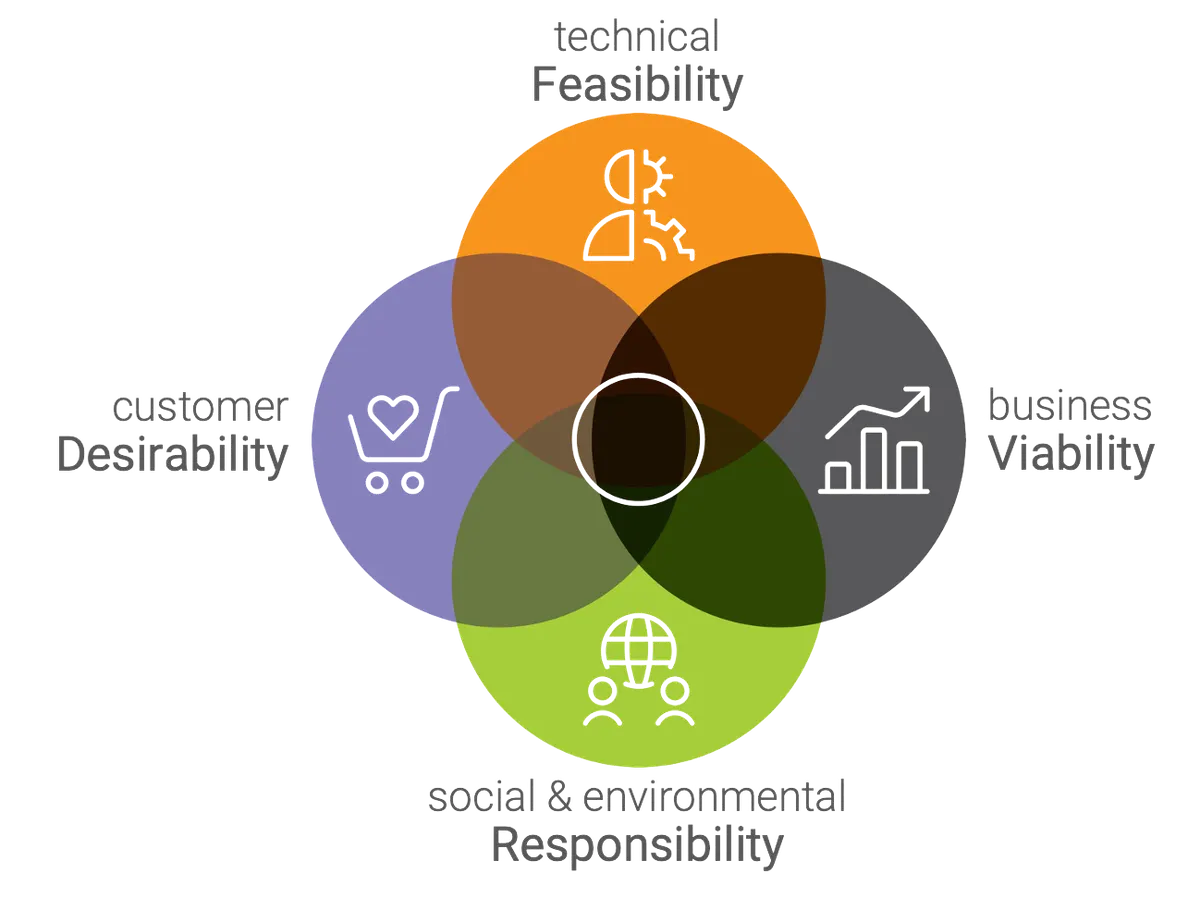
In Switzerland in the 1990s, a plastic bag was a commercially available solution for milk packaging. However, it failed to satisfy the innovation sweet spot – that tricky balance between technical feasibility, business viability, user desirability, and social/environmental responsibility. It was discontinued after a few years mainly due to handling difficulties for both the consumer and the retailer. Sometimes the solution is not obvious, and perception or popularity overtakes reality. We need to be open to evaluate all options. Which is why we look at all aspects, such as material, energy usage, logistics and regionality, of the product.
The holistic approach to sustainable innovation
From our broad experience, we realise it is not enough to have a strong and robust technically sustainable design or service, but it is essential that the business model also enables the creation of value, that we are meeting the user needs and can withstand the scrutiny of our customers, and that it makes a positive impact on the environment and society.
As with any other innovations, it is imperative to find the innovation sweet spot – that tricky balance between the technical feasibility, the business viability, the user’s desirability and the impact on people and planet. All these aspects must be considered to create a successful product. Clearly the milk bag failed on at least one of these points!
Our sustainable packaging spin-off: Arboloom
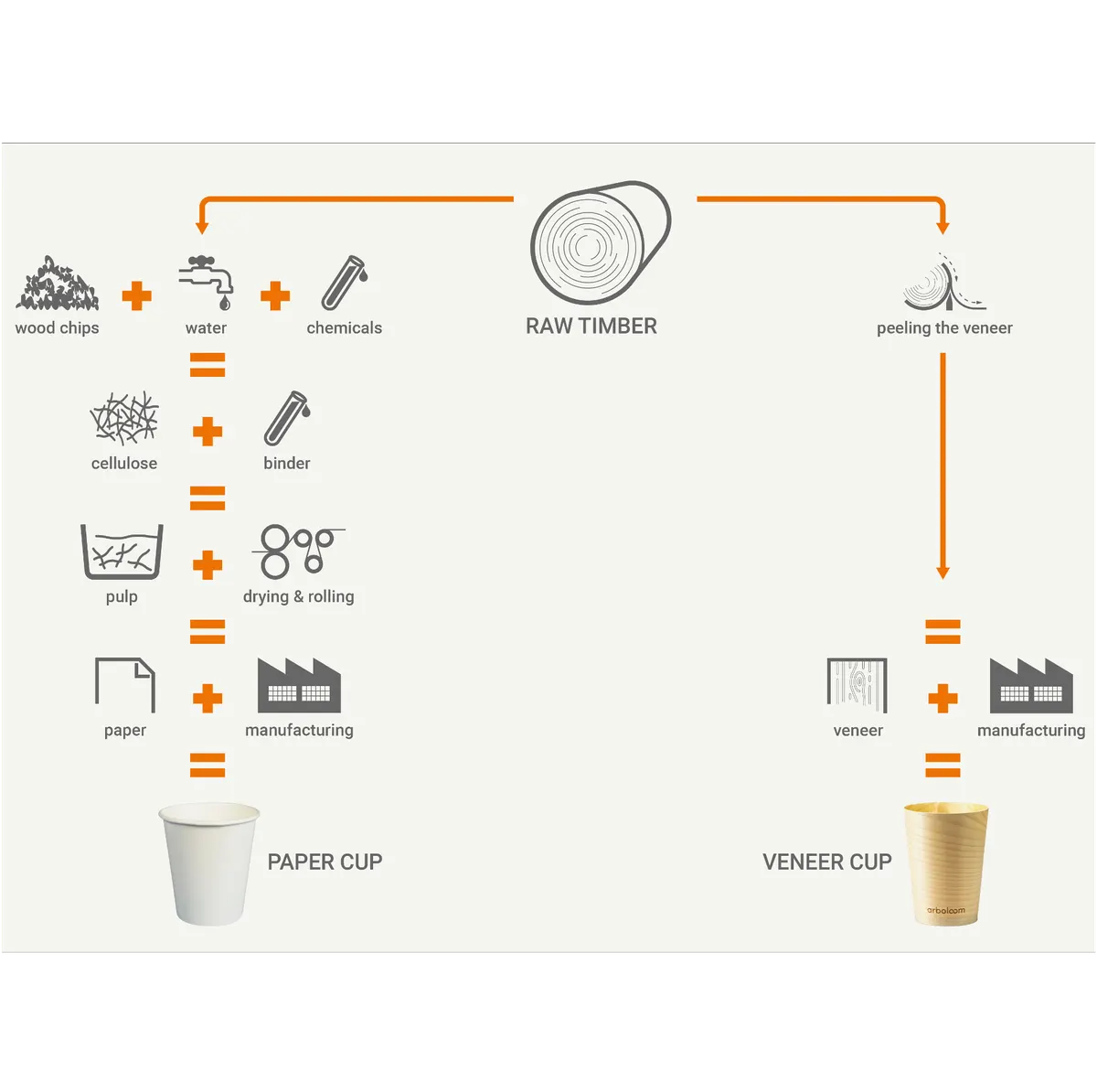
An intrapreneurship project at Creaholic set out to design and develop a sustainable disposal cup that drastically reduced the production process and carbon footprint of a normal disposable cup.
The goal was achieved through experiments and prototypes in our own Creaholic labs and Arboloom was born in 2021.
The disposable cup is a sustainable packaging alternative with its watertight construction made with the veneer of locally sourced wood. It also has a minimal product process and shorter material transport compared to paper cups.
Small steps, big impact
As people become more aware, it is not enough to appear to be sustainable, you need to be true and authentic. Together with our customers, we are committed to finding a wide range of sustainable solutions, whether it’s for existing products or completely new concepts. Although, it is also not necessary to change everything – small steps can also make a big impact!
Incidentally?
Sustainability is not just something we help our clients with. We have also developed and launched our own green technologies. These include:
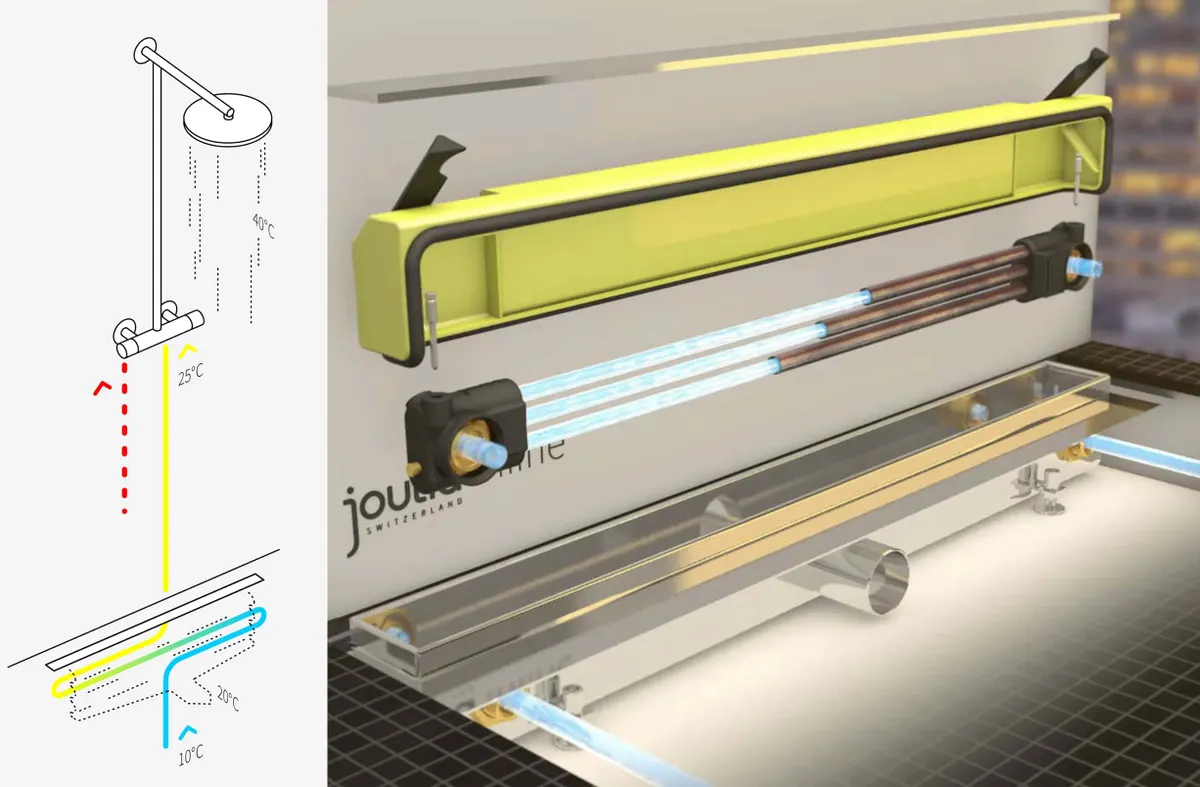
Joulia - a heat recovery shower system that recuperates the heat from the wastewater to reduce the amount of hot water used.
Smixin - a smart hand washing technology that provides high levels of hygiene with significantly less soap and water.
Gjosa - a new showering technology that uses 75% less water.
Ready to start?
If you want to become active yourself in the redesign of products, business models or services – we can help you from reviewing current materials or solutions through to developing new innovative products together including a full life cycle assessment.
Interested? If so, then let’s get in touch!