Facilitation at Creaholic
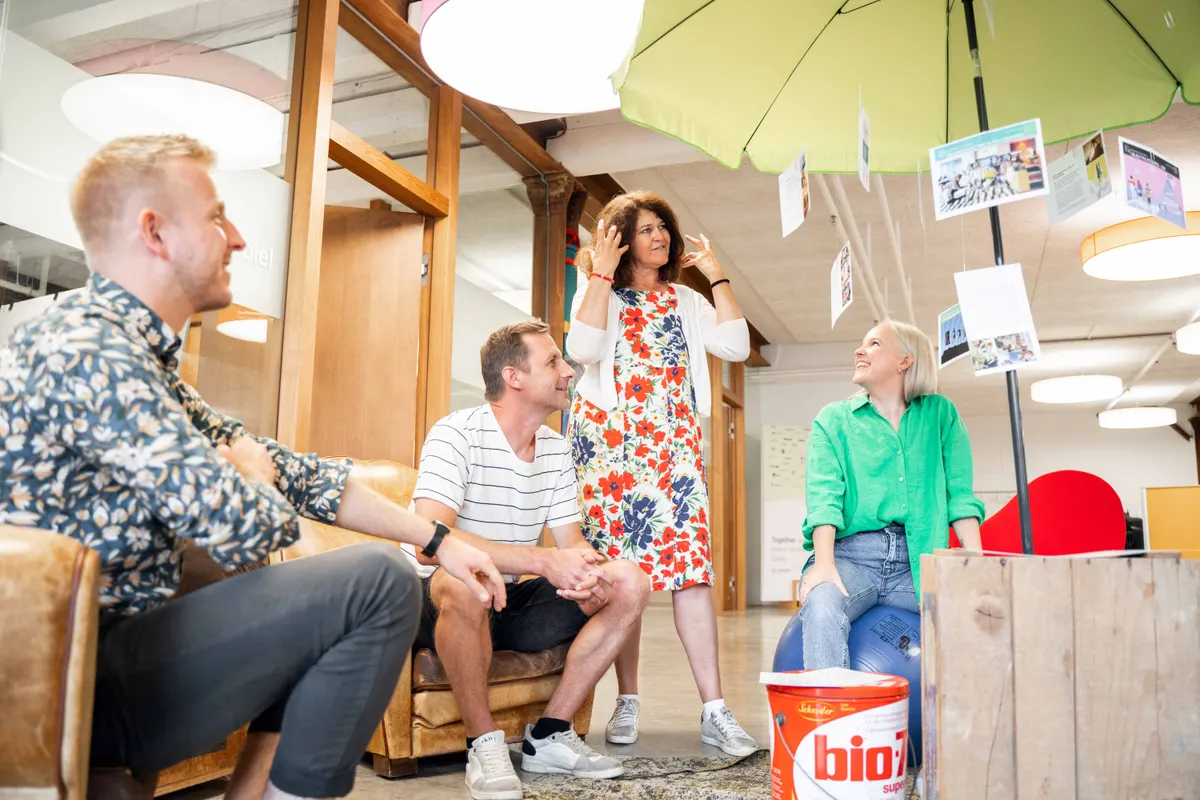
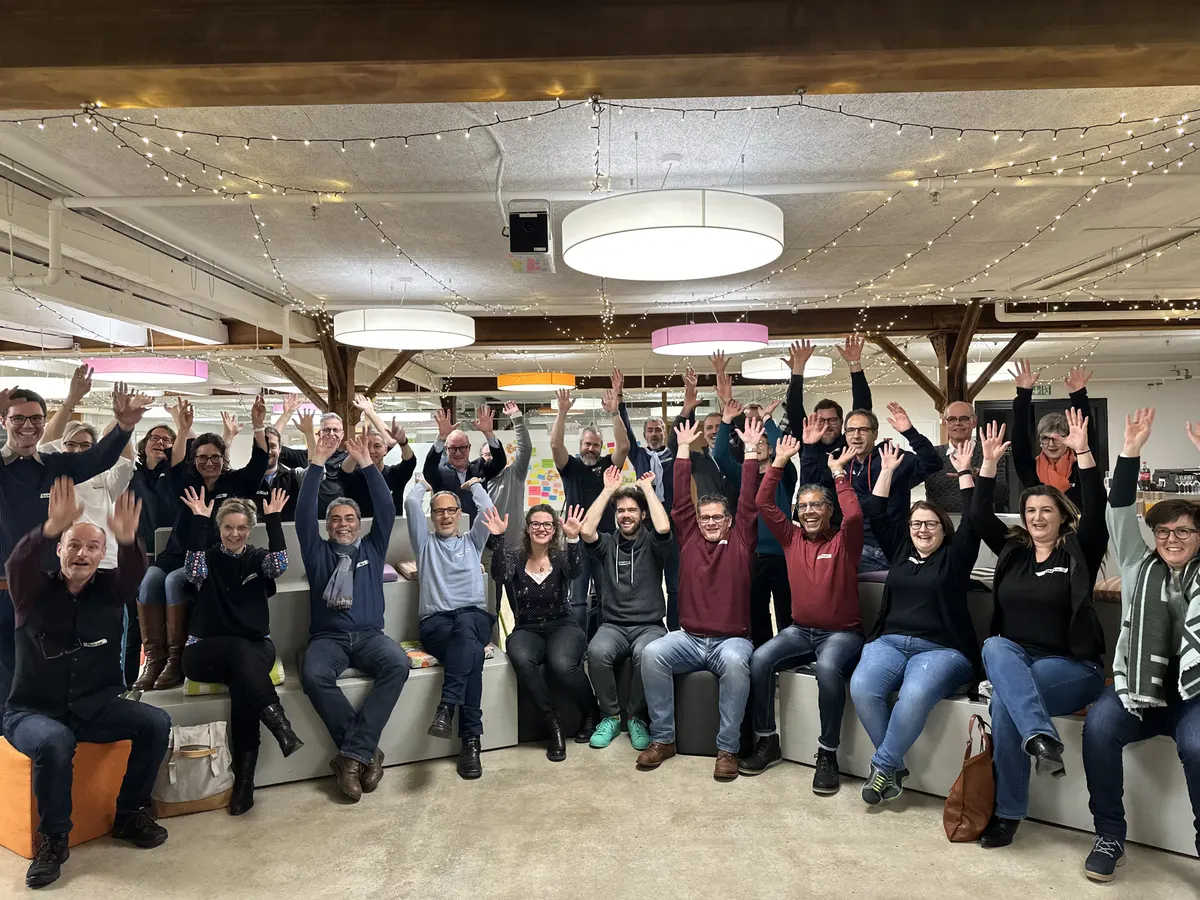
At Creaholic’s School of Applied Innovation, we help beginning and experienced workshop leaders gain new knowledge, practice effective techniques and boost their confidence as facilitators. Scrum masters, team leaders and product developers can step into a facilitation role when they bring team members together to brainstorm, think outside the box, foster collaboration to solve a problem and get on track toward a shared vision.
It requires knowing when to take charge and when to stand back and listen. Additionally, facilitators need to have empathy and understand people’s emotions and motivations. Contrary to popular belief, one doesn’t have to have a special title or level of leadership to be a facilitator. Anyone with the skills can wear this hat. So… can AI do it?
The facilitation community comes to Creaholic
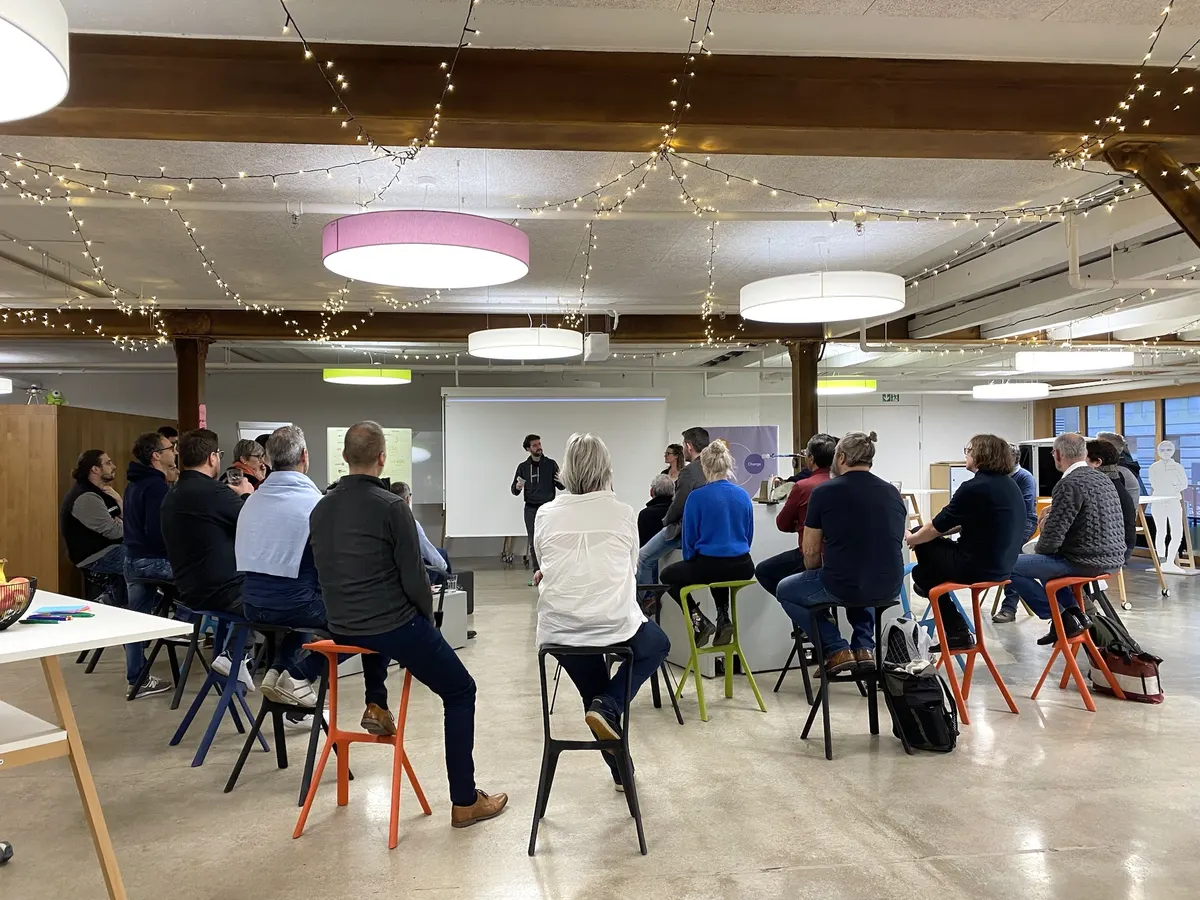
On 25 January, Creaholic’s Christoph Frei and Angela Haas welcomed members of the facilitation community to Creaholic, where Philipp Erb and Lukas Richter hosted the Facilitator Alumni event. This was the first time the event has taken place since the pandemic-forced break. Over 30 participants from 10 different companies came together to take the first steps in future-proofing their facilitation skills. From a hands-on training using a “Ride the Curve” technique to projecting the facilitator role in the newspapers of tomorrow and presentations on topics relevant for facilitators today, the event was a goldmine of interaction, exchange and learning for the community members.
Facilitators are future-ready… and human
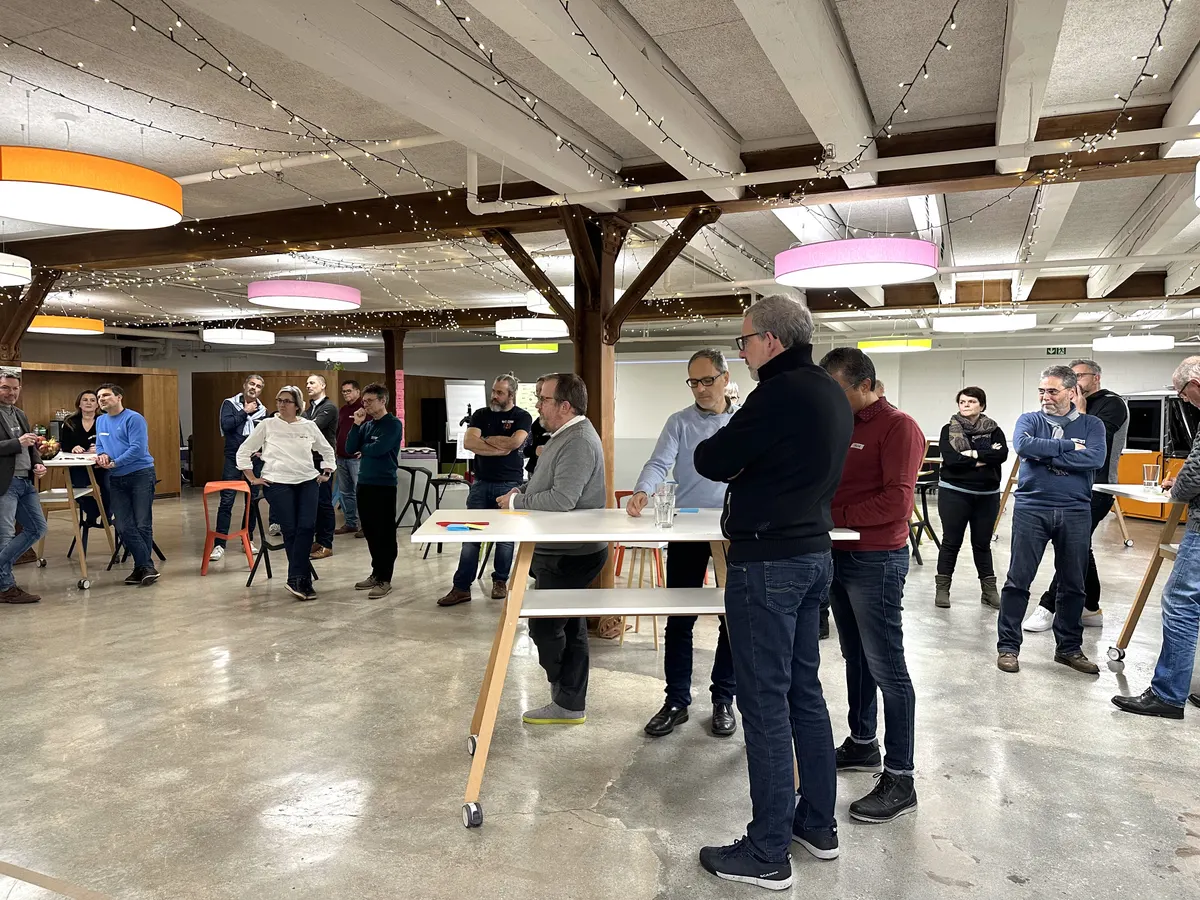
Angela’s keynote introduced a topic that sparked spin-off discussions throughout the event. An important take away: AI will not take over the facilitator role. In fact, Angela believes businesses must evolve from being ego-systems to eco-systems in order to survive. And to do so, facilitation skills will be a requirement of employees in strategic position. The pivotal work facilitators do today – enabling collaborations between departments, business entities, leadership levels, and people with varying skill levels and even competitors – will come to the foreground and will be the key to transforming organisations as part of an eco-system.
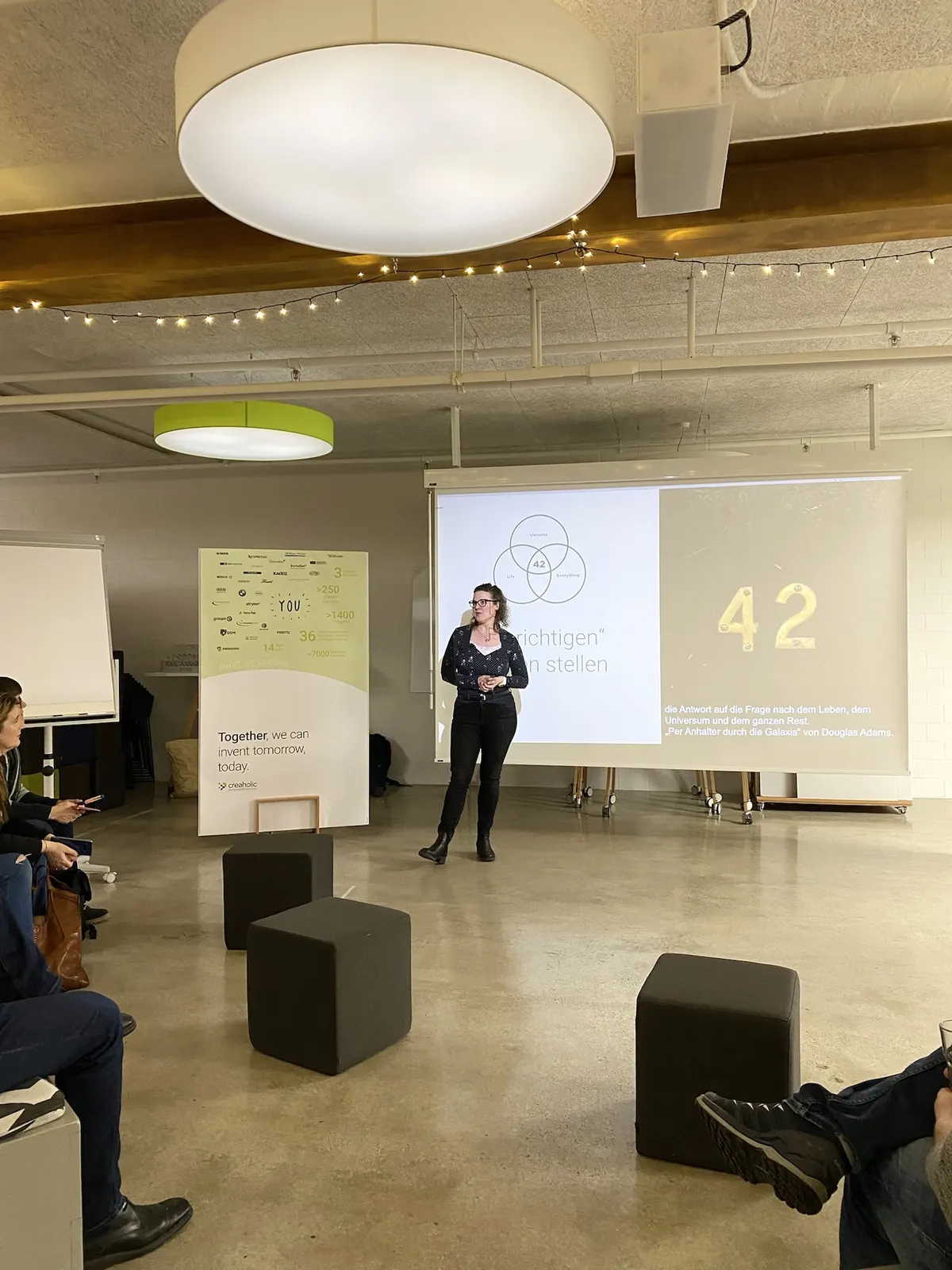
Business eco-systems and the role of facilitators
A business eco-system refers to organisations that make up a network, with each organisation impacting and being impacted by the others in the network. This interaction gives life to the eco-system and is responsible for the constantly evolving relationships between the organisations.
In this context, facilitators must use generative listening to help these organisations operate at the forefront of innovation. Thanks to the skills future-ready facilitators have, they can guide the suppliers, distributors, competitors to make collective insights, ask juicy questions and shape the future together.
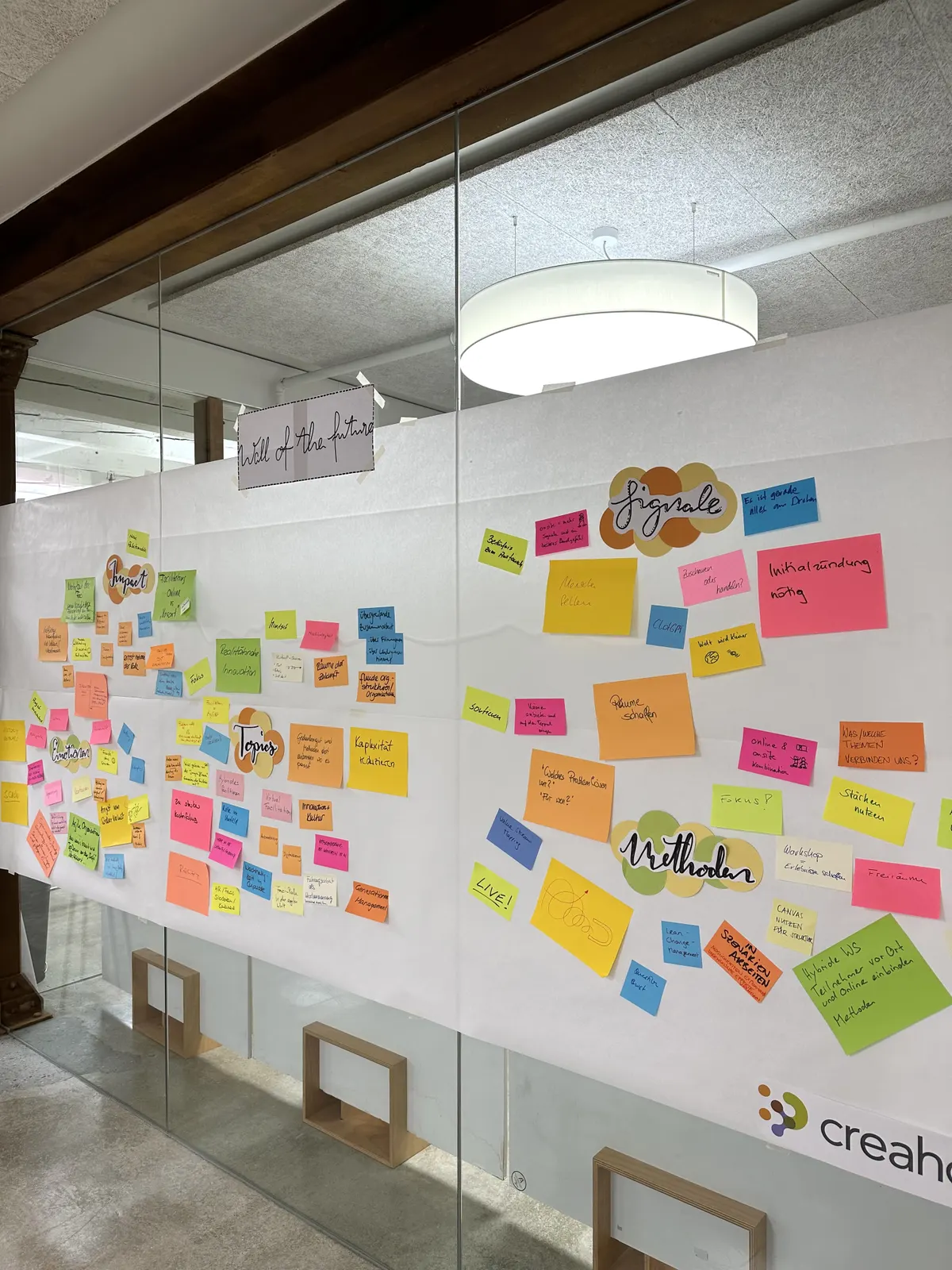
The facilitation challenges that will stay the same
In our virtual and in-person facilitation training sessions, one topic will always come up in the group: how to facilitate effectively in critical situations. What should a facilitator do when an individual wants to take over, when some people in the group think the workshop is a waste of time, or when a team member brings down morale with a bad attitude?
In the future of facilitation, these situations, unfortunately, won’t go away. What is required is unwavering empathy and a wholehearted belief in transcending hierarchy. No doubt this stance can be challenging – but that is one reason why AI will never be able to get the job done. As the future of facilitation unfolds, it can be reassuring to know that some parts of facilitation will remain the same. The skills to manage critical situations today will be needed to manage the critical situations of tomorrow.
So if you’ve attended our facilitation training, then you are already a future-ready facilitator!
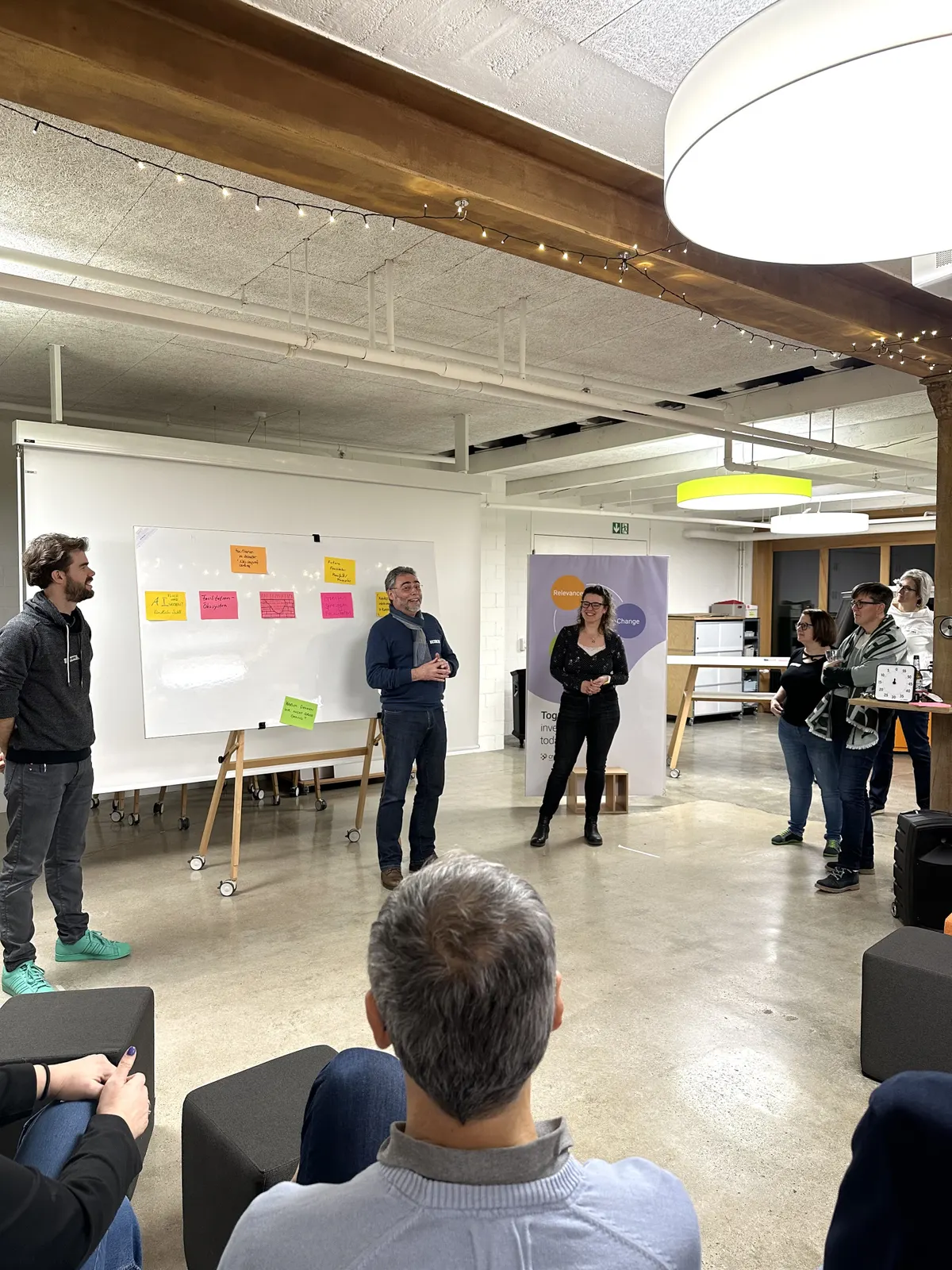
Facilitation as a catalyst and connective tissue
As Angela said in her keynote, facilitators of the future are catalysts. They use their skills to, well, facilitate co-creation, collaboration and conversation. For future-ready leaders, facilitation skills should be a top priority for themselves and the team members and colleagues in their organisations.
Facilitators are destined to be the catalysts for connection, and the connective tissue for the successful business eco-systems that will shape our world.

Want to become a future-ready facilitator?
Get in touch to level up your skills in a customised training for your team.